How to Get Poop Off Toilet Bowl Without Brush
Struggling to clean poop from your toilet bowl without a brush? You’re not alone—many people face this daily challenge. This guide shares simple, effective, and eco-friendly methods to remove stubborn waste without relying on a traditional toilet brush. From natural cleaners to clever tools, you’ll discover safe and reliable ways to keep your toilet sparkling clean.
Key Takeaways
- Natural cleaners like vinegar and baking soda can safely break down and remove toilet bowl residue without a brush.
- Hot water and dish soap create a powerful cleaning solution that lifts stains and softens waste.
- Toilet bowl cleaners with plungers or sprayers offer brush-free options for deep cleaning.
- Prevent buildup by flushing immediately after use and using a toilet seat cover when possible.
- Regular maintenance reduces the need for heavy scrubbing and keeps your bathroom fresh.
- DIY cleaning tools like sponges or cloths can replace brushes for spot cleaning.
- Always prioritize hygiene and safety when cleaning without a brush—wear gloves and ventilate the area.
📑 Table of Contents
- How to Get Poop Off Toilet Bowl Without Brush: A Complete Guide
- Why Avoid Using a Toilet Brush?
- Natural Cleaning Solutions That Work
- Brush-Free Tools and Accessories
- Preventing Buildup: Tips for a Cleaner Toilet
- Common Mistakes to Avoid
- Eco-Friendly and Budget-Friendly Options
- When to Call a Professional
- Conclusion
How to Get Poop Off Toilet Bowl Without Brush: A Complete Guide
Let’s face it—no one enjoys the daily chore of scrubbing a toilet bowl. But what if you could clean your toilet without a brush? Whether you’ve lost your brush, don’t own one, or just want to reduce plastic waste, there are effective, safe, and eco-friendly ways to keep your bathroom sparkling. This guide walks you through practical, no-brush methods to remove poop and stains from your toilet bowl. We’ll cover everything from natural cleaning solutions to clever tools and habits that prevent buildup. By the end, you’ll know exactly how to get poop off toilet bowl without brush—without sacrificing cleanliness or hygiene.
Cleaning a toilet without a brush may sound daunting, but it’s easier than you think. The key is using the right combination of heat, acidity, and mechanical action to dissolve and lift waste. You don’t need harsh chemicals or expensive equipment. With a few household staples and a little elbow grease, you can restore your toilet to its pristine condition. Let’s dive into the best techniques.
Why Avoid Using a Toilet Brush?
Before we explore brush-free methods, it’s worth understanding why some people choose to avoid toilet brushes altogether. For one, brushes can harbor bacteria if not cleaned regularly—even with disinfectant. They also require frequent replacement and can contribute to plastic waste. Additionally, some people find them uncomfortable or unhygienic to use.
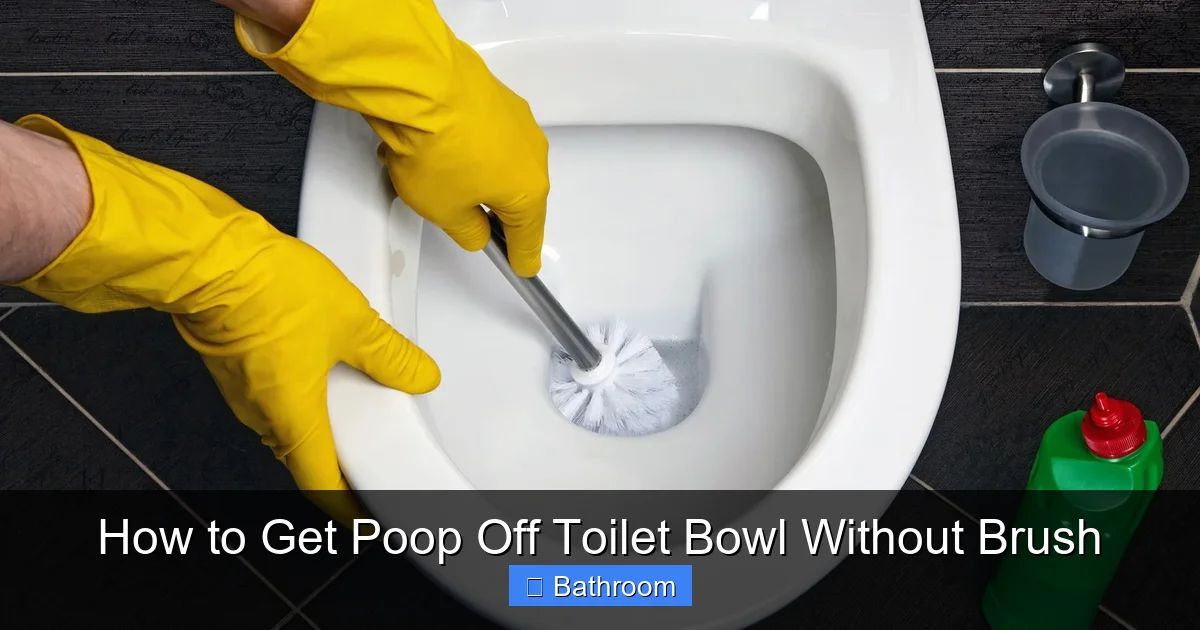
Visual guide about How to Get Poop Off Toilet Bowl Without Brush
Image source: storables.com
But don’t worry—going brush-free doesn’t mean sacrificing cleanliness. In fact, many modern cleaning solutions and tools are designed specifically for brush-free toilet maintenance. The goal is to keep your toilet clean, odor-free, and safe for daily use—without relying on a traditional brush.
Natural Cleaning Solutions That Work
One of the most effective ways to clean your toilet without a brush is by using natural, non-toxic cleaners. These solutions break down waste, remove stains, and leave your bathroom smelling fresh—all without harsh chemicals.
Visual guide about How to Get Poop Off Toilet Bowl Without Brush
Image source: storables.com
Vinegar and Baking Soda Combo
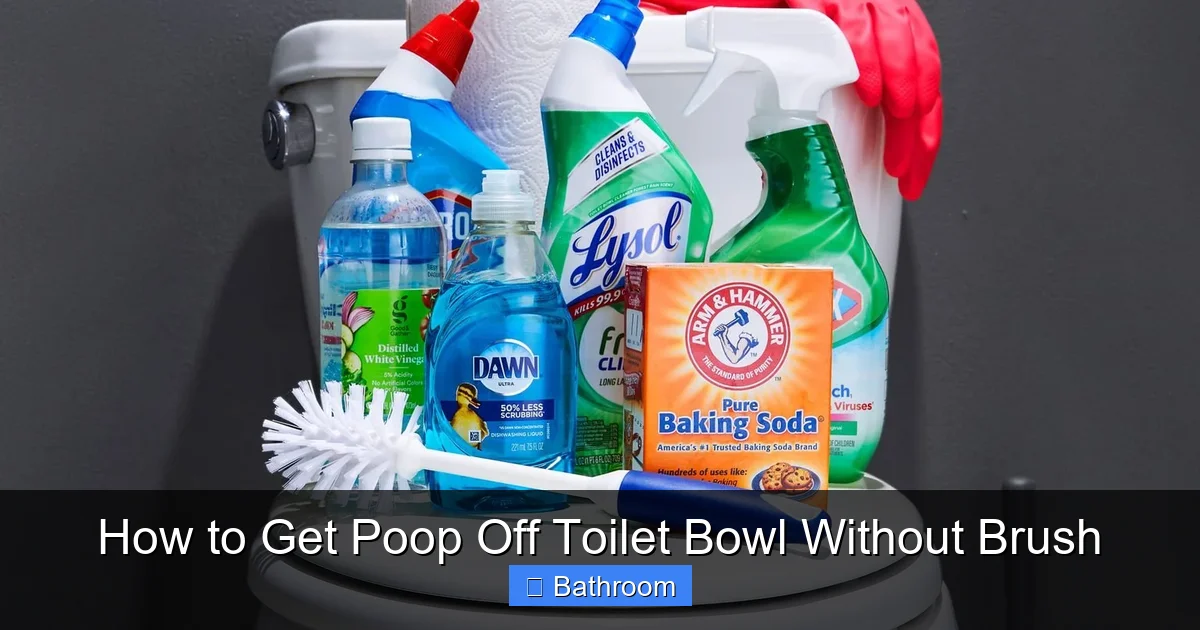
White vinegar and baking soda are a powerhouse duo for cleaning. When mixed, they create a fizzy reaction that helps lift stains and dissolve mineral buildup. Here’s how to use them:
- Sprinkle baking soda generously around the inside of the toilet bowl, focusing on areas with visible residue.
- Pour vinegar over the baking soda. You’ll see it fizz—this reaction helps loosen waste.
- Let it sit for 15–30 minutes. The longer it sits, the more effective it becomes.
- Flush the toilet to rinse away the residue. For stubborn spots, you may need to repeat the process.
This method is safe, affordable, and eco-friendly. Plus, it leaves no chemical smell behind.
Hydrogen Peroxide for Disinfection
Hydrogen peroxide is another natural cleaner that’s excellent for disinfecting and removing stains. It’s less abrasive than bleach and works well on organic matter like poop.
- Spray hydrogen peroxide directly onto the stained area.
- Let it sit for 10–15 minutes.
- Flush the toilet to rinse. For extra cleaning power, you can add a few drops of dish soap before flushing.
Hydrogen peroxide kills bacteria and breaks down waste, making it a great alternative to chemical cleaners.
Hot Water and Dish Soap
Sometimes, the simplest solutions are the most effective. A combination of hot water and dish soap can soften and lift stubborn waste.
- Fill a spray bottle with hot water and a few drops of dish soap.
- Spray the solution directly onto the stained area.
- Let it sit for 5–10 minutes.
- Flush the toilet to rinse. For extra cleaning, you can gently scrub with a sponge or cloth if needed.
This method is especially useful for light buildup and helps prevent future stains.
Brush-Free Tools and Accessories
If you’re not using a traditional brush, you can still use specialized tools to clean your toilet effectively. These tools are designed for brush-free maintenance and can make the job easier and more hygienic.
Visual guide about How to Get Poop Off Toilet Bowl Without Brush
Image source: storables.com
Toilet Bowl Cleaners with Sprayers
Many modern toilet bowl cleaners come with spray nozzles that allow you to apply cleaning solution directly to the stained area. These are ideal for brush-free cleaning.
- Choose a cleaner with a built-in sprayer (look for eco-friendly, non-toxic options).
- Spray the solution onto the residue.
- Let it sit for the recommended time (usually 5–10 minutes).
- Flush the toilet to rinse.
These cleaners often come with disposable applicators, reducing the risk of bacterial buildup.
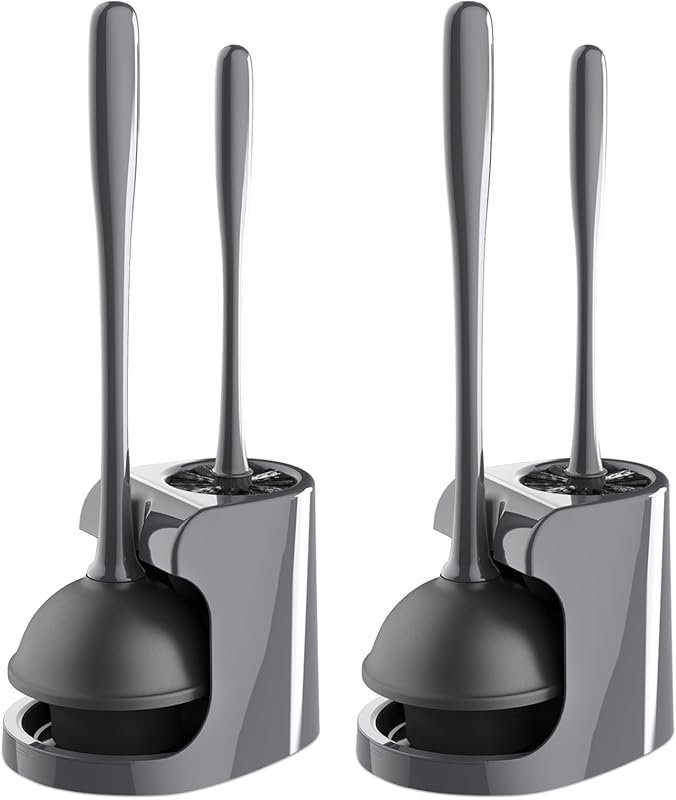
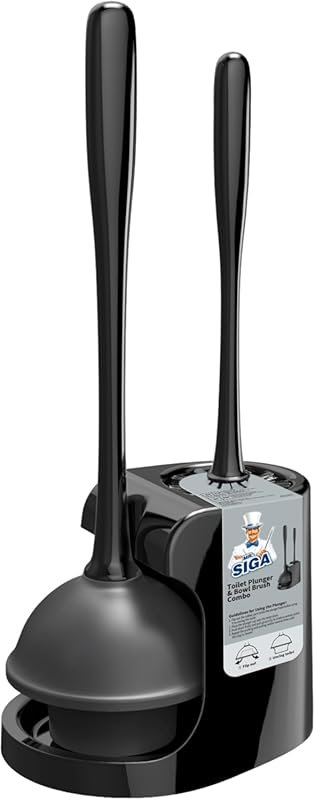
Toilet Plungers with Cleaning Heads
Some plungers come with cleaning attachments that allow you to scrub the bowl without a brush. These are especially useful for stubborn stains.
- Attach the cleaning head to your plunger.
- Apply a cleaning solution to the stained area.
- Use the plunger to scrub the bowl in a circular motion.
- Flush the toilet to rinse.
This method combines mechanical action with cleaning solution for a thorough clean.
Disposable Wipes and Sponges
If you don’t want to use a brush, you can use disposable cleaning wipes or a sponge to spot-clean the bowl. These are especially useful for light stains.
- Dip a wipe or sponge in a cleaning solution.
- Gently scrub the stained area.
- Flush the toilet to rinse.
Make sure to dispose of wipes properly and replace sponges regularly to avoid bacterial growth.
Preventing Buildup: Tips for a Cleaner Toilet
Prevention is always better than cleaning. By adopting a few simple habits, you can reduce the need for heavy scrubbing and keep your toilet clean longer.
Flush Immediately After Use
One of the best ways to prevent poop from sticking to the bowl is to flush immediately after use. This helps wash waste away before it dries and hardens.
Use a Toilet Seat Cover
A toilet seat cover can help reduce the amount of waste that lands on the bowl. While it doesn’t eliminate the need for cleaning, it can reduce buildup over time.
Regular Maintenance
Clean your toilet once a week using one of the methods above. This prevents stains from becoming stubborn and makes the job easier.
Use a Toilet Bowl Cleaner
Even if you don’t use a brush, a toilet bowl cleaner can help prevent buildup. Look for eco-friendly, non-toxic options that are safe for daily use.
Check Your Water Temperature
Using hot water when flushing can help soften waste and make it easier to clean. If your water is cold, consider using a kettle to heat water for cleaning.
Common Mistakes to Avoid
When cleaning your toilet without a brush, it’s easy to make mistakes that reduce effectiveness or damage your toilet. Here are some common pitfalls to avoid.
Using Harsh Chemicals
Avoid using bleach or ammonia-based cleaners unless necessary. These can damage your toilet’s surface and release harmful fumes. Stick to natural cleaners like vinegar, baking soda, and hydrogen peroxide.
Not Letting Solutions Sit
If you rush the cleaning process, you won’t get the best results. Always let cleaning solutions sit for the recommended time to allow them to work effectively.
Overusing Cleaning Products
Using too much cleaner can lead to residue buildup and a chemical smell. Use the right amount and follow the instructions on the label.
Ignoring the Under Rim
The area under the rim is where most stains accumulate. Make sure to clean this area when using spray-based methods.
Not Wearing Gloves
Even when using natural cleaners, it’s important to wear gloves to protect your hands from bacteria and cleaning solutions.
Eco-Friendly and Budget-Friendly Options
If you’re looking to save money and reduce waste, there are several eco-friendly and budget-friendly ways to clean your toilet without a brush.
DIY Cleaning Solutions
You can make your own cleaning solution using vinegar, baking soda, and water. This is much cheaper than buying commercial cleaners and reduces plastic waste.
Reusable Cleaning Tools
Instead of disposable wipes, use a reusable sponge or cloth with a natural cleaner. This reduces waste and saves money in the long run.
Eco-Friendly Cleaners
Look for eco-friendly toilet cleaners that are biodegradable and non-toxic. These are safer for the environment and your health.
Reduce Water Usage
Using less water when cleaning can help reduce your environmental footprint. Use hot water sparingly and focus on targeted cleaning.
When to Call a Professional
While most toilet cleaning can be done at home, there are times when you may need to call a professional. This includes:
- Severe mineral buildup that doesn’t respond to home remedies.
- Persistent stains that won’t come off with natural cleaners.
- Clogs or blockages that require specialized tools.
- Damage to the toilet’s surface from harsh chemicals or improper cleaning.
If you’re unsure, it’s always best to consult a professional to avoid further damage.
Conclusion
Cleaning your toilet without a brush is not only possible—it’s easier and more eco-friendly than you might think. By using natural cleaners, brush-free tools, and preventive habits, you can keep your bathroom clean and hygienic without relying on a traditional brush. Whether you choose vinegar and baking soda, a spray-based cleaner, or a plunger with a cleaning head, the key is consistency and the right techniques.
Remember, the goal is to make cleaning a simple, safe, and sustainable part of your routine. With a little effort, you can enjoy a sparkling clean toilet—without ever reaching for a brush. So go ahead, try these methods, and discover how easy it is to get poop off toilet bowl without brush.
Frequently Asked Questions
Can I use a sponge to clean my toilet bowl without a brush?
Yes, you can use a sponge or cloth to spot-clean your toilet bowl without a brush. Dip it in a cleaning solution like vinegar and water, scrub the stained area, and flush to rinse. Just make sure to replace the sponge regularly to avoid bacterial buildup.
Is vinegar safe for all toilet surfaces?
Yes, white vinegar is safe for most toilet surfaces, including porcelain and ceramic. It’s a mild acid that effectively breaks down stains and mineral buildup without damaging the bowl. However, avoid using it on natural stone surfaces like marble or granite.
How often should I clean my toilet without a brush?
It’s best to clean your toilet once a week to prevent buildup. Daily maintenance, like flushing immediately after use and using a toilet seat cover, can also reduce the need for heavy cleaning.
Can I use dish soap to clean my toilet bowl?
Yes, dish soap can be used to clean your toilet bowl. Mix it with hot water and spray it onto stains. Let it sit for a few minutes, then flush. This method helps soften and lift waste, especially for light buildup.
What should I do if stains won’t come off?
If stains persist, try letting the cleaning solution sit longer or repeating the process. For stubborn stains, consider using a plunger with a cleaning head or consulting a professional for advice.
Are there any risks to cleaning without a brush?
The main risks include ineffective cleaning if you don’t use the right methods or bacterial exposure if you don’t wear gloves. Always prioritize hygiene and safety when cleaning your toilet.