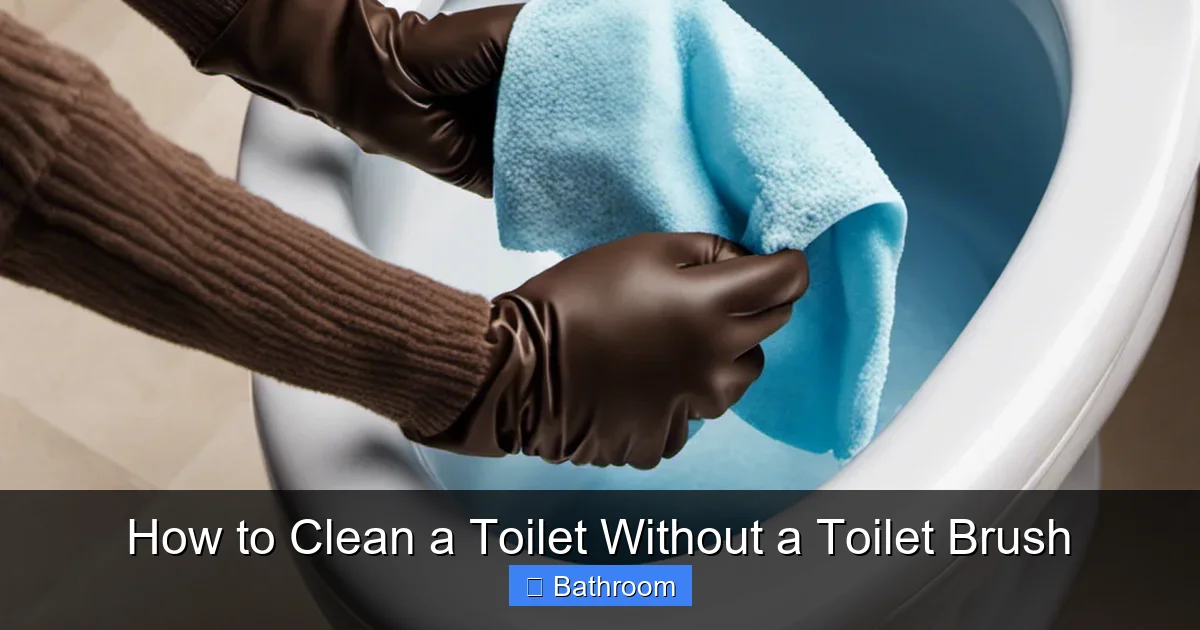
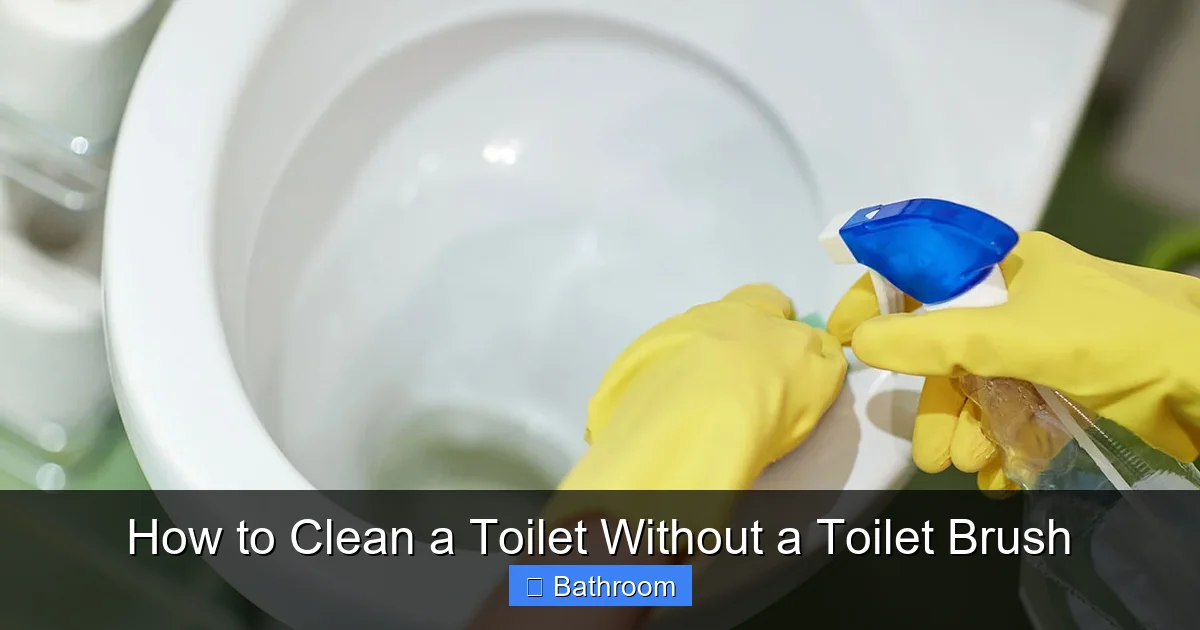
How to Clean a Toilet Without a Toilet Brush
You don’t need a toilet brush to get your toilet sparkling clean. With the right tools and techniques—like vinegar, baking soda, and microfiber cloths—you can remove stains, eliminate bacteria, and maintain a fresh bathroom without scrubbing. This eco-friendly, brush-free method saves time, protects your plumbing, and keeps your toilet looking its best.
Key Takeaways
- No brush? No problem. You can clean your toilet effectively using household items like vinegar, baking soda, and microfiber cloths.
- Prevent buildup naturally. Regular use of white vinegar helps dissolve mineral deposits and soap scum without harsh chemicals.
- Protect your septic system. Avoid bleach-based cleaners if you have a septic tank, as they can disrupt the bacterial balance.
- Use the right tools. A spray bottle, microfiber cloth, sponge, and old toothbrush work wonders without a traditional brush.
- Focus on high-contact areas. Clean the bowl, seat, handle, and base thoroughly to prevent germs and odors.
- Maintain with routine care. A quick weekly wipe-down keeps your toilet fresh between deep cleans.
- Eco-friendly and cost-effective. Natural cleaners are gentle on the environment and your wallet.
📑 Table of Contents
- How to Clean a Toilet Without a Toilet Brush
- Why Go Brush-Free?
- Essential Tools for Brush-Free Toilet Cleaning
- Step-by-Step Guide to Cleaning Your Toilet Without a Brush
- Natural Cleaners That Work Wonders
- Dealing with Stubborn Stains and Odors
- Maintenance Tips for a Sparkling Toilet
- Eco-Friendly and Cost-Effective
- Conclusion
How to Clean a Toilet Without a Toilet Brush
Let’s face it—cleaning the toilet is never the highlight of your day. But when you don’t have a toilet brush, the challenge can feel even bigger. Maybe it’s broken, lost, or you just prefer a more natural, brush-free approach. The good news? You absolutely can clean your toilet effectively without one. In fact, many people find that going brush-free is not only possible but also better for your plumbing and the environment.
Whether you’re trying to reduce plastic waste, avoid chemical cleaners, or simply don’t have a brush on hand, this guide will walk you through simple, powerful methods to get your toilet sparkling clean. We’ll use common household items like vinegar, baking soda, and microfiber cloths to tackle stains, odors, and bacteria—without ever picking up a brush. You’ll learn how to clean every part of your toilet, from the bowl to the base, using tools you probably already have at home. By the end of this article, you’ll feel confident and prepared to maintain a fresh, clean bathroom—no brush required.
Why Go Brush-Free?
The Hidden Dangers of Toilet Brushes
Toilet brushes may seem harmless, but they can actually become breeding grounds for bacteria and mold. The bristles trap moisture and organic matter, creating an ideal environment for germs to thrive. When you use a brush, those bacteria can splash back onto your hands, clothes, and even the surrounding area. Over time, the brush itself becomes contaminated, requiring frequent cleaning or replacement.
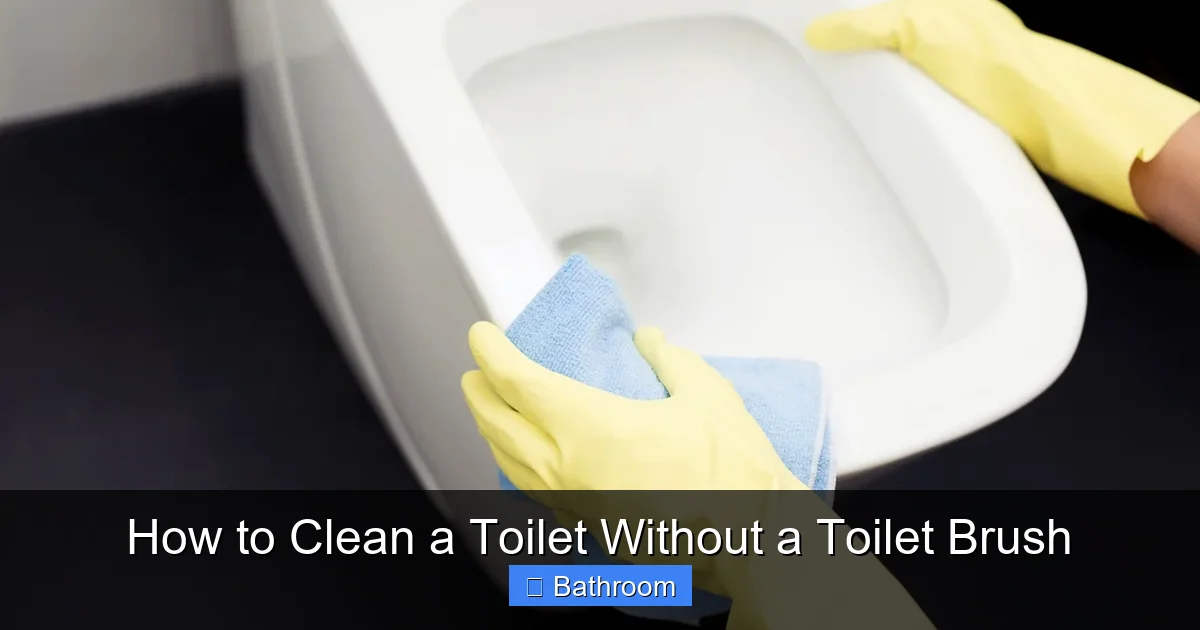
Visual guide about How to Clean a Toilet Without a Toilet Brush
Image source: cdn.homedit.com
Additionally, many toilet brushes are made from plastic and end up in landfills. By choosing a brush-free method, you’re not only improving your bathroom hygiene but also reducing your environmental footprint. Plus, some people find that brushes are just… gross. If you’re squeamish about using a tool that’s been in contact with waste, going brush-free might be a welcome change.
Benefits of a Natural Cleaning Approach
Using natural cleaners like vinegar and baking soda is gentler on your pipes and septic system. Harsh chemicals found in many commercial toilet cleaners can damage rubber seals and harm beneficial bacteria in septic tanks. Vinegar, on the other hand, is acidic and breaks down mineral buildup and soap scum without corrosive effects. Baking soda adds abrasiveness and deodorizes, making it a powerful, non-toxic cleaning duo.
Another advantage is cost. Vinegar and baking soda are inexpensive, widely available, and can be used for multiple cleaning tasks around the house. You’ll save money while keeping your toilet and home safe for kids and pets.
Essential Tools for Brush-Free Toilet Cleaning
You don’t need a lot of equipment to clean your toilet without a brush. In fact, most of what you need is already in your kitchen or cleaning closet. Here’s a list of the essential tools:
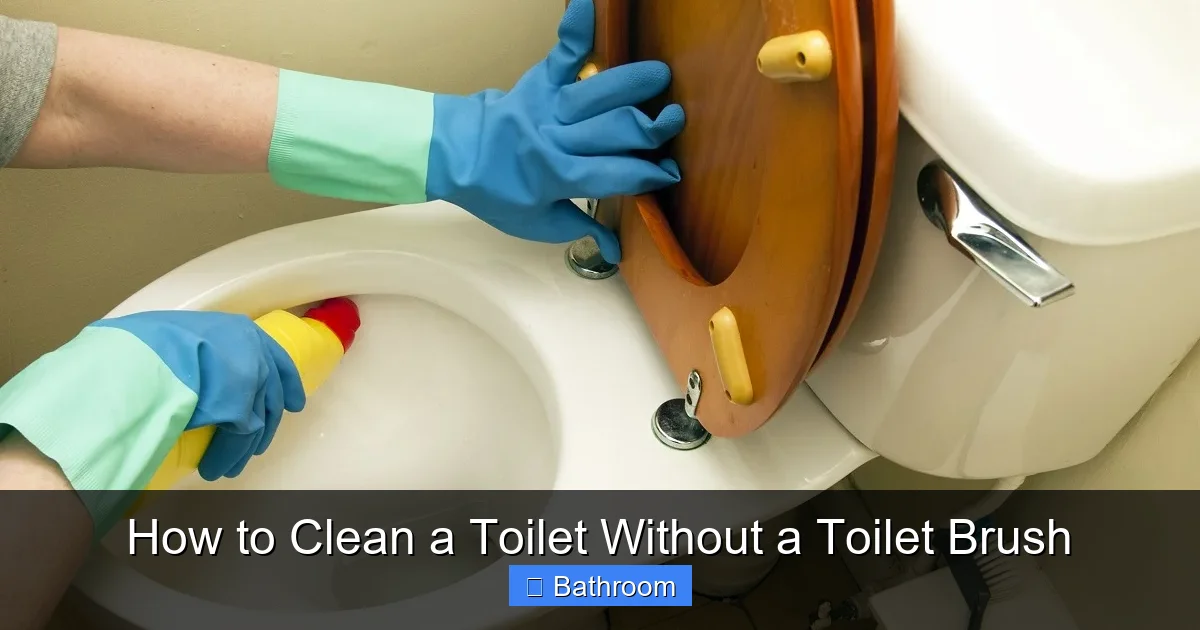
Visual guide about How to Clean a Toilet Without a Toilet Brush
Image source: storables.com
- Microfiber cloths: These are absorbent, lint-free, and perfect for wiping surfaces without scratching.
- Spray bottle: Use it to apply vinegar or a cleaning solution directly to stains.
- Sponge or dishcloth: Great for scrubbing the bowl and base.
- Old toothbrush: Handy for tight corners and under the rim.
- Gloves: Always wear disposable or reusable gloves to protect your hands.
- Rubber spatula or spoon: Useful for scooping out stubborn residue.
With these tools, you’ll have everything you need to tackle even the toughest stains. And the best part? No brush means fewer items to clean and store.
Step-by-Step Guide to Cleaning Your Toilet Without a Brush
1. Flush and Remove Loose Debris
Start by flushing the toilet to remove any loose waste. Then, use a clean cloth or sponge to wipe down the inside of the bowl, focusing on areas with visible buildup. If there’s a lot of residue, let the bowl sit for a few minutes after flushing to soften it.
Visual guide about How to Clean a Toilet Without a Toilet Brush
Image source: bathroomworld.net
2. Apply a Natural Cleaning Solution
Fill a spray bottle with white vinegar and spray it generously inside the bowl, especially around the waterline and under the rim. Let it sit for 10–15 minutes. Vinegar’s acidity breaks down mineral deposits and disinfects surfaces. For extra power, add a tablespoon of baking soda to the vinegar—it will fizz and help lift stains.
3. Scrub the Bowl with a Sponge or Spatula
Using a sponge or rubber spatula, gently scrub the inside of the bowl. Work in circular motions to loosen stubborn stains. For hard-to-reach areas under the rim, use an old toothbrush. Avoid metal tools that could scratch the porcelain.
4. Clean the Exterior Surfaces
Spray vinegar or a mild cleaner on the toilet seat, lid, handle, and base. Wipe each surface with a microfiber cloth. Pay special attention to the areas that touch your skin and the handle, which accumulates bacteria from frequent use.
5. Rinse Thoroughly
Flush the toilet several times to rinse away all traces of vinegar and loosened grime. Then, wipe down the bowl and exterior with a clean, damp cloth to remove any remaining residue.
6. Dry and Disinfect
Use a dry microfiber cloth to wipe the seat, lid, and handle. For added disinfection, you can spray a small amount of hydrogen peroxide on high-touch areas and let it air dry. This kills lingering germs without harsh fumes.
Natural Cleaners That Work Wonders
Vinegar: The Multi-Tasker
White vinegar is one of the most versatile cleaning agents you can use. It’s naturally antibacterial, deodorizes, and dissolves mineral deposits. To use it for toilet cleaning, simply spray or pour it into the bowl, let it sit, and scrub with a sponge. For a deeper clean, mix equal parts vinegar and water in a spray bottle and use it on the exterior surfaces.
Baking Soda: Gentle Abrasion
Baking soda is mildly abrasive and perfect for lifting stains without scratching porcelain. Sprinkle it inside the bowl, add vinegar to create a fizzing reaction, and scrub gently. You can also mix baking soda with water to form a paste for tougher spots.
Lemon Juice: Fresh and Disinfecting
Lemon juice is acidic like vinegar and adds a fresh scent. It’s great for cutting through soap scum and leaving your toilet smelling clean. Mix lemon juice with salt for a more abrasive scrub, or use it undiluted for light cleaning.
Hydrogen Peroxide: Safe and Effective
Hydrogen peroxide is a gentle disinfectant that kills 99.9% of bacteria. Use it to clean the seat, handle, and base. It’s safe for most surfaces and breaks down into water and oxygen, making it eco-friendly.
Dealing with Stubborn Stains and Odors
Tackling Rust and Hard Water Deposits
If your toilet has white or brown mineral deposits, vinegar is your best friend. Pour undiluted vinegar into the bowl, let it soak overnight, then scrub with a sponge. For severe buildup, boil a pot of vinegar and place it in the toilet bowl for 30 minutes—the steam helps loosen deposits.
Removing Mildew and Mold
Mildew often appears around the base or in the bowl. Spray vinegar or a mixture of baking soda and water on affected areas. Let it sit for 20 minutes, then wipe or scrub. For persistent mold, use a diluted hydrogen peroxide solution and let it air dry.
Eliminating Odors
Toilet odors usually come from bacteria and trapped waste. After cleaning, sprinkle baking soda into the bowl and let it sit for an hour before flushing. You can also place a small dish of baking soda near the toilet to absorb lingering smells.
Maintenance Tips for a Sparkling Toilet
Weekly Quick Wipes
Spend five minutes each week wiping down the seat, handle, and base with a vinegar-water solution. This prevents buildup and keeps your toilet smelling fresh between deep cleans.
Use a Toilet Bowl Cleaner Tablet
Drop a natural tablet (like citric acid or baking soda) into the bowl after each use. These dissolve slowly, releasing cleaning agents and keeping the waterline clean without a brush.
Keep a Cleaning Kit Handy
Store your cleaning supplies—vinegar, baking soda, microfiber cloths, and gloves—in a caddy near the toilet for easy access. This makes cleaning faster and more convenient.
Avoid Harsh Chemicals
Steer clear of bleach and ammonia-based cleaners, especially if you have a septic system. These can kill beneficial bacteria and damage your pipes over time.
Eco-Friendly and Cost-Effective
By using natural cleaners, you reduce your reliance on single-use plastic bottles and toxic chemicals. A bottle of white vinegar costs less than $3 and can clean dozens of surfaces, including your toilet. Baking soda is even cheaper and lasts forever if stored properly.
Plus, going brush-free means fewer replacements. Toilet brushes need to be cleaned regularly and replaced every few months—something you won’t have to worry about with this method.
Conclusion
Cleaning your toilet without a brush is not only possible—it’s easier and healthier than you might think. With simple tools and natural cleaners like vinegar and baking soda, you can remove stains, eliminate odors, and keep your bathroom fresh without the hassle of a brush. This method is gentle on your plumbing, safe for your family, and kind to the planet.
Remember, the key is consistency. A quick weekly wipe and occasional deep clean will keep your toilet looking and smelling its best. You’ll save time, money, and stress while maintaining a sparkling clean bathroom. So next time your brush goes missing, don’t panic—grab a spray bottle and microfiber cloth, and get to work. Your toilet will thank you.
Frequently Asked Questions
Can I really clean my toilet without a brush?
Yes, absolutely. Using tools like microfiber cloths, sponges, and old toothbrushes, along with natural cleaners such as vinegar and baking soda, you can effectively clean your toilet without a brush. These methods remove stains and bacteria without scratching the porcelain.
What’s the best natural cleaner for toilets?
Vinegar and baking soda are the most effective natural cleaners. Vinegar dissolves mineral deposits and disinfects, while baking soda provides gentle abrasion and deodorizes. Together, they create a powerful, non-toxic cleaning solution.
How often should I clean my toilet without a brush?
Clean your toilet once a week with a vinegar and baking soda solution. For high-use households, consider cleaning every 3–4 days. Regular maintenance prevents buildup and keeps odors at bay.
Can I use lemon juice to clean my toilet?
Yes, lemon juice is a natural disinfectant and deodorizer. It’s great for cutting through soap scum and leaves a fresh scent. Mix it with salt or baking soda for tougher stains.
Is it safe to clean a toilet with vinegar if I have a septic system?
Yes, vinegar is safe for septic systems. Unlike bleach, it doesn’t harm the beneficial bacteria needed to break down waste. In fact, occasional use of vinegar can help maintain a healthy septic environment.
How do I prevent toilet stains without a brush?
Prevent stains by wiping the bowl after each use with a vinegar-water solution. Place a baking soda tablet in the tank or bowl to slowly release cleaning agents. Regular maintenance keeps the waterline clean and reduces buildup.