How to Clean Toilet Without Toilet Brush
You don’t need a toilet brush to keep your bathroom fresh and clean. With the right tools and techniques, you can remove stains, eliminate odors, and maintain hygiene using everyday household items. This guide walks you through 6 powerful, brush-free cleaning methods that are safe, effective, and kind to the environment.
Key Takeaways
- No brush? No problem: You can clean your toilet effectively using common household items like vinegar, baking soda, and microfiber cloths.
- Vinegar and baking soda: This dynamic duo creates a natural, fizzy reaction that breaks down grime and disinfects surfaces. Microfiber cloths are your best friend: They trap dirt and bacteria without scratching porcelain, making them ideal for brush-free cleaning.
- Safety first: Always wear gloves and avoid mixing chemicals like bleach with vinegar—it creates toxic fumes.
- Prevention is key: Regular cleaning with simple solutions keeps buildup at bay and reduces the need for scrubbing.
- Eco-friendly wins: These methods are non-toxic, biodegradable, and safe for septic systems.
- Frequency matters: Clean your toilet at least once a week to maintain a fresh, hygienic bathroom environment.
📑 Table of Contents
- How to Clean Toilet Without Toilet Brush
- Why Go Brush-Free?
- Essential Tools and Supplies
- Step-by-Step: How to Clean Your Toilet Without a Brush
- Natural Cleaning Solutions for Tough Stains
- Maintaining a Clean Toilet Between Deep Cleans
- Eco-Friendly and Safe Cleaning Tips
- Common Mistakes to Avoid
- When a Toilet Brush Is Still Needed
- Final Thoughts: Clean Smarter, Not Harder
How to Clean Toilet Without Toilet Brush
Let’s face it—no one enjoys the feeling of a stiff, bristly brush scraping against porcelain. Yet, for years, that’s been the go-to tool for keeping our toilets sparkling clean. But what if you’ve lost your brush? Or maybe you’re trying to reduce plastic waste and avoid disposable cleaning tools? You’re not alone. More people are looking for effective, brush-free methods to clean the toilet—and the good news is, it’s absolutely possible.
Cleaning your toilet without a brush doesn’t mean sacrificing cleanliness or hygiene. In fact, many of the best brush-free techniques are not only more eco-friendly but also gentler on your toilet’s surface. From using everyday kitchen staples like vinegar and baking soda to leveraging modern tools like microfiber cloths and spray bottles, you can achieve a spotless toilet—no brush required. This guide will walk you through everything you need to know, from preparation to prevention, so you can keep your bathroom fresh and clean the smart way.
Why Go Brush-Free?
Before we dive into the “how,” let’s talk about the “why.” There are several compelling reasons to ditch the brush—or at least supplement it with brush-free methods.
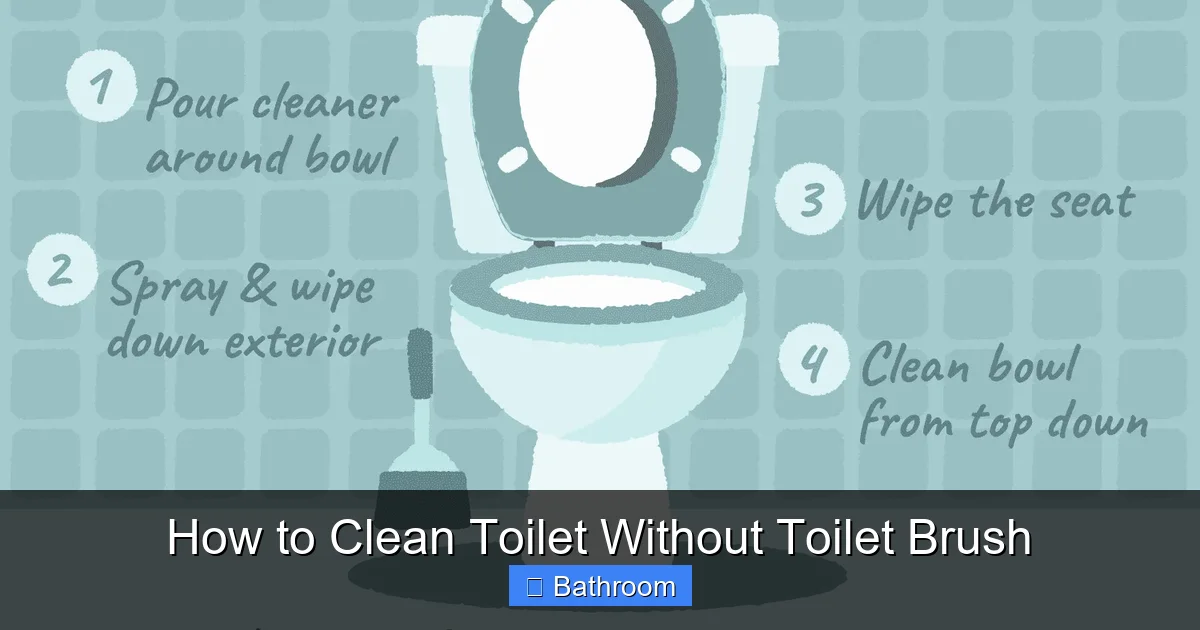
Visual guide about How to Clean Toilet Without Toilet Brush
Image source: thespruce.com
1. Reduce Plastic Waste
Toilet brushes often come with plastic handles and bristles that end up in landfills. Many are not recyclable, and replacing them frequently adds up. By switching to reusable, natural cleaning agents, you’re cutting down on single-use plastic.
2. Prevent Bacterial Spread
Toilet brushes can harbor bacteria, mold, and mildew—especially if they’re not dried properly after each use. These microbes can transfer to your hands and, eventually, to other surfaces in your bathroom. Brush-free methods often involve wiping with clean cloths or using sprays that disinfect on contact.
3. Eco-Friendly and Non-Toxic
Many commercial toilet cleaners contain harsh chemicals like ammonia, chlorine, and synthetic fragrances. These can irritate your skin, lungs, and eyes. Natural alternatives like vinegar and baking soda are safe, biodegradable, and effective.
4. Save Money
Bought a new brush every few months? That adds up. DIY cleaning solutions using pantry staples are far cheaper and just as effective—if not more so.
5. Gentler on Surfaces
Some brushes, especially stiff or old ones, can scratch toilet porcelain. Over time, scratches trap bacteria and make cleaning harder. Soft cloths and gentle sprays clean without damaging the surface.
Essential Tools and Supplies
You don’t need a full cleaning kit to get started. In fact, most of what you’ll need is already in your kitchen or pantry. Here’s a simple list of brush-free cleaning essentials:
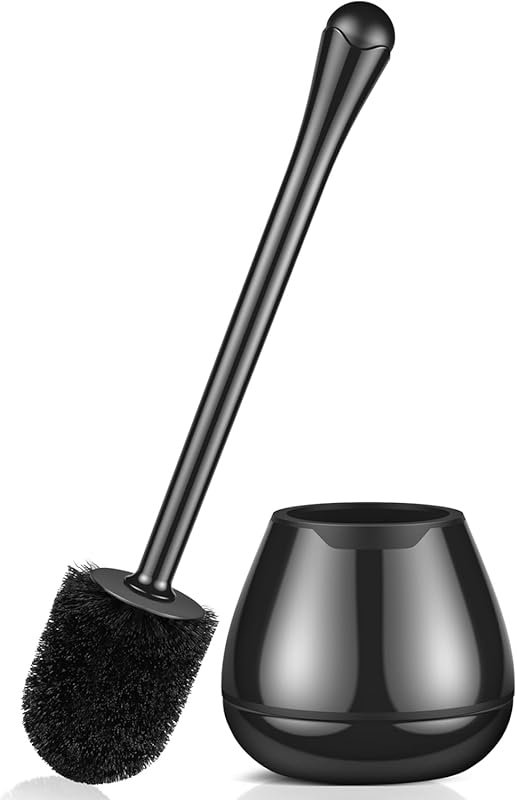
Visual guide about How to Clean Toilet Without Toilet Brush
Image source: m.media-amazon.com
- White vinegar: A natural disinfectant and deodorizer that cuts through mineral deposits and soap scum.
- Baking soda: A mild abrasive that lifts stains and neutralizes odors.
- Microfiber cloths or old cotton towels: Great for wiping and buffing without scratching.
- Spray bottle: Makes it easy to apply cleaning solutions evenly.
- Rubber gloves: Protect your hands from germs and chemicals.
- Toilet plunger (optional): Useful for clearing clogs before cleaning.
- Old toothbrush (optional): Can help reach tight spots like under the rim or around the base.
With these few items, you’re ready to clean your toilet the brush-free way.
Step-by-Step: How to Clean Your Toilet Without a Brush
Now, let’s get into the actual cleaning process. This method is simple, effective, and takes less than 10 minutes. Follow these steps for a sparkling clean toilet—no brush in sight.
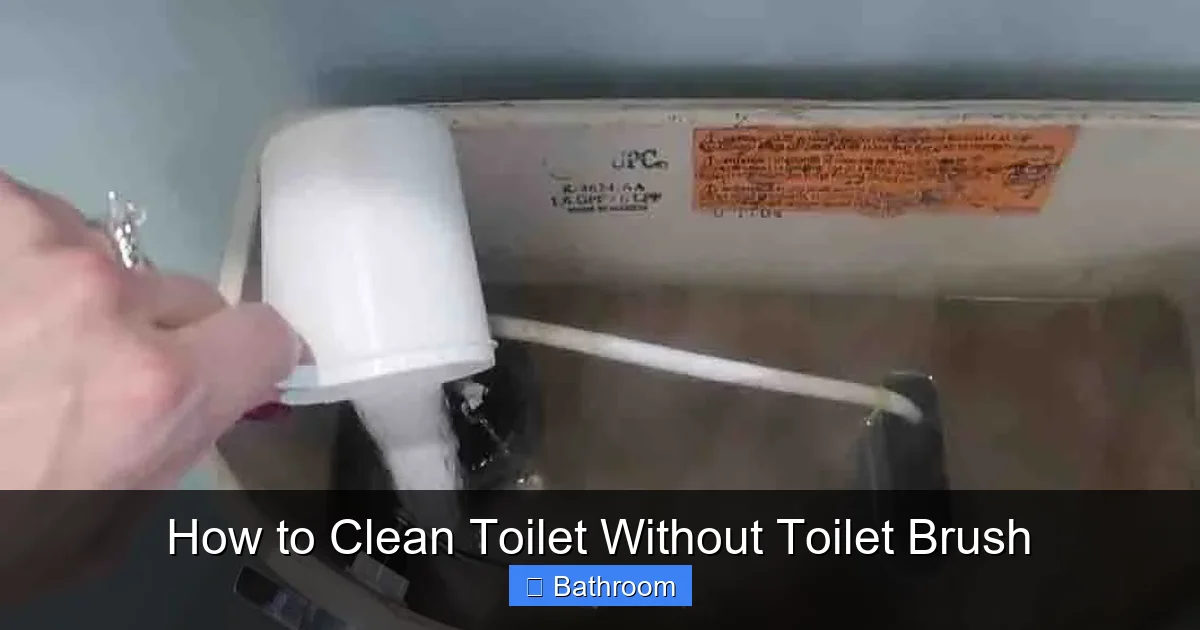
Visual guide about How to Clean Toilet Without Toilet Brush
Image source: diyjoy.com
Step 1: Prepare the Area
Start by removing anything on or near the toilet—tissue, air freshener, or decorative items. Then flush the toilet to wet the bowl, which helps loosen grime. Put on your rubber gloves—this is important for hygiene.
Step 2: Apply Baking Soda
Sprinkle a generous amount of baking soda around the inside of the toilet bowl. Focus on areas with visible stains or buildup, like under the rim and around the waterline. Baking soda works as a gentle abrasive and deodorizer.
Step 3: Spray Vinegar
Fill a spray bottle with white vinegar and spray it over the baking soda. You’ll see a fizzy reaction—this is the acid in vinegar reacting with the base in baking soda, which helps break down tough stains. Let it sit for 10–15 minutes.
Step 4: Wipe with a Cloth
After the solution has had time to work, use a microfiber cloth or old cotton towel to wipe the inside of the bowl. Work in circular motions, focusing on stained areas. The cloth will pick up loosened dirt and residue.
Step 5: Scrub with an Old Toothbrush (Optional)
For stubborn spots around the base, under the rim, or near the overflow hole, use an old toothbrush. Dip it in the vinegar solution and gently scrub. This small tool is perfect for tight spaces.
Step 6: Flush and Wipe the Exterior
Flush the toilet to rinse the bowl. Then, use a clean cloth dampened with vinegar or soapy water to wipe down the outside—seat, lid, handle, and base. This keeps the entire toilet looking fresh.
Step 7: Dry and Deodorize
Use a dry microfiber cloth to buff the surfaces and prevent water spots. For a fresh scent, sprinkle a little baking soda on the seat or drop a few drops of essential oil (like lemon or eucalyptus) into the bowl before flushing.
Natural Cleaning Solutions for Tough Stains
Some toilets develop stubborn stains—rust, mineral deposits, or hard water buildup—that resist regular cleaning. Here are a few powerful natural solutions to tackle them.
1. Vinegar and Salt Paste
Mix equal parts white vinegar and table salt to form a thick paste. Apply it to stained areas and let it sit for 20–30 minutes. The salt acts as a mild abrasive while the vinegar dissolves mineral deposits. Wipe away with a cloth and flush.
2. Lemon Juice and Baking Soda
Lemon juice is naturally acidic and cuts through grime. Combine it with baking soda for a fizzing action that lifts stains. Sprinkle baking soda, then pour lemon juice over it. Let it sit for 15 minutes before wiping.
3. Hydrogen Peroxide for Disinfection
Hydrogen peroxide (3%) is a powerful disinfectant that kills bacteria and mold. Pour a cup into the bowl, let it sit for 10 minutes, then wipe with a cloth. It’s especially useful for preventing odors and sanitizing the bowl.
4. Club Soda for Shine
Club soda is excellent for removing water spots and leaving a streak-free shine. Pour a small amount into the bowl and wipe with a clean cloth. It’s a favorite among eco-conscious cleaners.
Maintaining a Clean Toilet Between Deep Cleans
Deep cleaning once a week is great, but daily or every-other-day maintenance keeps your toilet looking and smelling fresh without much effort.
Daily Quick Wipe
After each use, wipe the seat, lid, and handle with a disinfecting wipe or a damp cloth. This prevents buildup and keeps germs at bay.
Weekly Spray
Once a week, give the bowl a quick spray with vinegar or a diluted bleach-free cleaner. Let it sit for 5 minutes, then wipe. This stops grime from hardening.
Monthly Descale
If you live in a hard water area, descale your toilet monthly with vinegar. Pour 1–2 cups into the bowl, let it sit overnight, then wipe and flush. This prevents mineral buildup that can stain and reduce efficiency.
Eco-Friendly and Safe Cleaning Tips
When cleaning without a brush, safety and sustainability go hand in hand. Follow these tips to protect yourself and the environment.
Avoid Mixing Chemicals
Never mix vinegar with bleach. The combination creates toxic chlorine gas, which can cause breathing problems. Stick to natural ingredients like vinegar, baking soda, and lemon.
Use Reusable Tools
Invest in microfiber cloths, spray bottles, and washable gloves. These last years and reduce waste compared to disposable wipes and paper towels.
Choose Biodegradable Products
If you need a commercial cleaner, look for eco-labels like EPA Safer Choice or Green Seal. These products are tested for safety and environmental impact.
Dispose of Waste Properly
Never pour undiluted vinegar or strong cleaners down the drain unless directed. Most natural solutions are safe for septic systems, but check your system’s guidelines.
Common Mistakes to Avoid
Even with the best intentions, it’s easy to make mistakes when cleaning without a brush. Here are some common pitfalls—and how to avoid them.
Mistake 1: Not Letting Solutions Sit
Skipping the dwell time means the cleaning solution doesn’t have time to break down stains. Always let vinegar and baking soda sit for at least 10 minutes.
Mistake 2: Using Harsh Scrubbing
Scrubbing too hard with a cloth can scratch porcelain. Use gentle, circular motions instead of aggressive rubbing.
Mistake 3: Ignoring the Exterior
The outside of the toilet collects germs too. Don’t forget to wipe the seat, lid, handle, and base.
Mistake 4: Reusing Dirty Cloths
Using the same cloth for multiple toilets or areas spreads bacteria. Always use a clean cloth for each cleaning session.
Mistake 5: Overlooking the Under-Rim Area
Stains often hide under the rim. Use a cloth or toothbrush to reach this spot—it’s a common trouble area.
When a Toilet Brush Is Still Needed
Let’s be honest: there are times when a brush is still the best tool. For example, if you have a severely clogged toilet or heavy mineral buildup, a brush can help dislodge stubborn debris. But even then, you can use it sparingly and pair it with brush-free methods for maintenance.
If you do use a brush, clean it thoroughly after each use—rinse it with hot water and vinegar, let it air dry, and store it upright to prevent mold. Consider replacing it with a bamboo or metal brush that lasts longer and is easier to clean.
Final Thoughts: Clean Smarter, Not Harder
Cleaning your toilet without a brush isn’t just possible—it’s better. You’re using safer, natural ingredients, reducing plastic waste, and protecting your health. With tools like microfiber cloths, vinegar, and baking soda, you can keep your bathroom spotless, fresh, and germ-free.
Remember, the key is consistency. A quick weekly clean prevents buildup, and a few minutes of effort goes a long way. You don’t need a brush to be a cleaning champion—just a little know-how and the right supplies.
So the next time you’re in the bathroom and reach for the brush, pause and consider: What if you didn’t need it? With these simple, effective methods, you’ll wonder why you ever relied on it in the first place.
Frequently Asked Questions
Can you clean a toilet without any tools at all?
While you can’t scrub effectively without some kind of tool, you can use household items like cloths, sponges, or even your hands (with gloves) to wipe down surfaces. However, for deep cleaning, tools like microfiber cloths and spray bottles are recommended for better results.
Is vinegar safe for all toilet types?
Yes, white vinegar is safe for porcelain, ceramic, and most toilet surfaces. It won’t damage the finish and is effective at removing stains and odors. Avoid using vinegar on natural stone or metallic components, as it can be too acidic.
How often should I clean my toilet without a brush?
Clean your toilet at least once a week using a brush-free method. For high-use households, consider cleaning every 3–4 days. Regular maintenance prevents buildup and keeps the bathroom smelling fresh.
Can I use baking soda and vinegar every day?
Yes, baking soda and vinegar are safe for daily use. However, using them too frequently may wear down grout or sealant over time. For daily maintenance, a light spray of vinegar is sufficient.
What if I have a clogged toilet? Can I clean it without a brush?
For clogs, a plunger is usually needed first. Once the toilet is unclogged, you can clean the bowl without a brush using vinegar, baking soda, and a cloth. For stubborn clogs, a toilet auger may be required.
Are there any professional-grade brush-free cleaning tools?
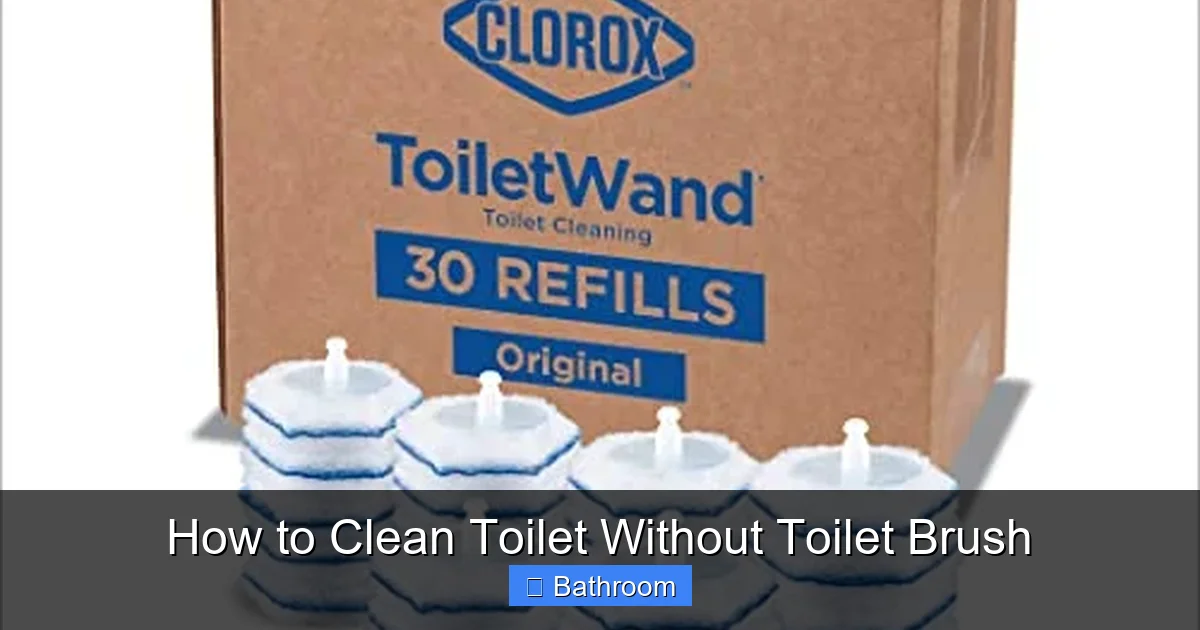
Yes, some companies offer toilet cleaning wands with replaceable pads or extendable handles that let you clean without touching the bowl. These are effective and hygienic, though not necessary for basic cleaning.