Can You Use a Toilet Brush as a Plunger
No, you shouldn’t use a toilet brush as a plunger—but it’s not always as bad as you think. While a toilet brush and a plunger serve similar purposes, their design and hygiene standards differ significantly. Using a toilet brush as a plunger can spread germs and damage plumbing, so it’s best to use the right tool for the job.
Key Takeaways
- Different Tools, Different Jobs: A toilet brush is designed for cleaning, not suction—using it as a plunger can damage your toilet or spread bacteria.
- Hygiene Risks Are Real: Toilet brushes are not built to handle clogs and may harbor germs if used as a plunger without proper cleaning.
- Plungers Are Built for Clogs: Plungers create the suction needed to break up blockages, while brushes only scrub surfaces.
- Emergency Situations? In a pinch, a clean, sanitized brush *might* work, but only if no plunger is available.
- Prevention Is Key: Regular cleaning and using the right tools help avoid clogs in the first place.
- Know When to Call a Pro: Persistent clogs require professional help—don’t risk pipe damage with makeshift tools.
📑 Table of Contents
- Can You Use a Toilet Brush as a Plunger?
- Understanding the Difference Between a Toilet Brush and a Plunger
- Why You Shouldn’t Use a Toilet Brush as a Plunger
- When Might You Use a Toilet Brush as a Plunger?
- What to Do Instead: The Right Tools for the Job
- How to Properly Use a Plunger
- When to Call a Professional
- Final Thoughts
Can You Use a Toilet Brush as a Plunger?
Picture this: It’s late at night, your toilet is backed up, and the plunger is missing from under the sink. You’re standing there, staring at your trusty toilet brush, wondering—can you use a toilet brush as a plunger? It’s a question many of us have asked in a moment of desperation. At first glance, both tools sit in the toilet bowl and deal with waste, so why not swap them out? But here’s the truth: using a toilet brush as a plunger isn’t ideal, and it’s definitely not recommended. Let’s break down why, what you should do instead, and how to avoid this situation in the future.
Toilet brushes and plungers may look like they’re in the same neighborhood, but they’re not built for the same mission. A toilet brush is a cleaning tool—it’s meant to scrub the bowl after use. A plunger, on the other hand, is a plumbing rescue device designed to create suction and dislodge clogs. While both touch the toilet bowl, their purposes, designs, and safety standards are worlds apart. So, can you use a toilet brush as a plunger? Technically, maybe—but it’s risky, unhygienic, and could even damage your plumbing. Let’s dive into the details.
Understanding the Difference Between a Toilet Brush and a Plunger
Before we answer the big question, let’s talk about what makes these two tools different. Think of it like comparing a toothbrush to a toothpick. Both are used in the mouth, but their functions and designs are tailored to specific jobs. The same goes for your bathroom tools.
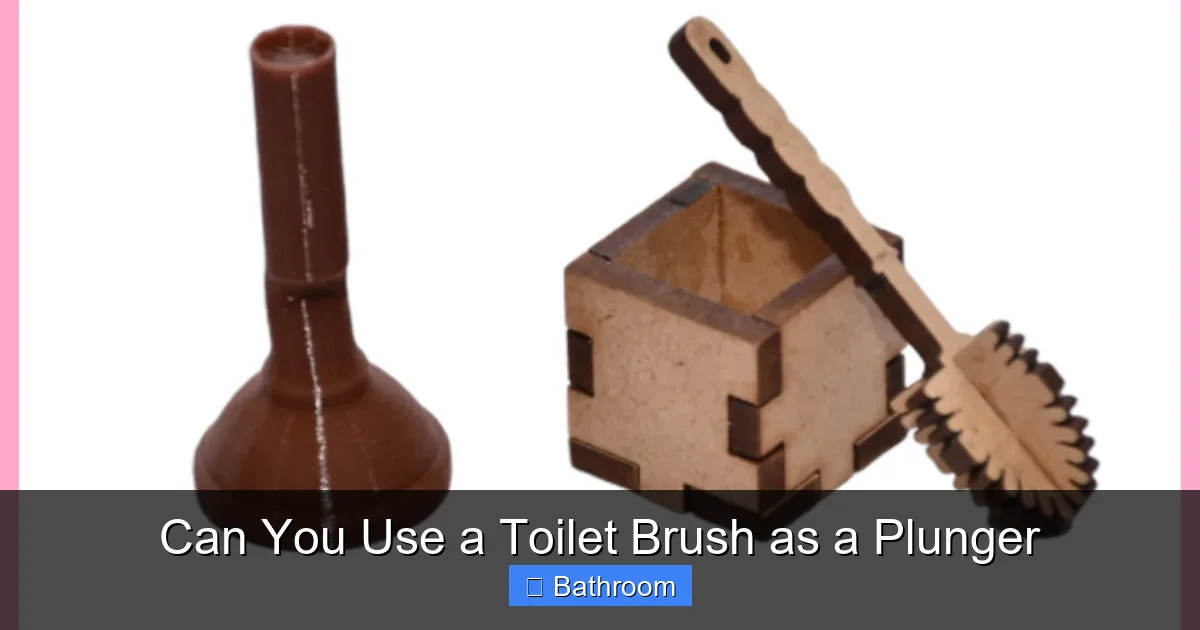
Visual guide about Can You Use a Toilet Brush as a Plunger
Image source: dorysdollhouse.co.za
What Is a Toilet Brush?
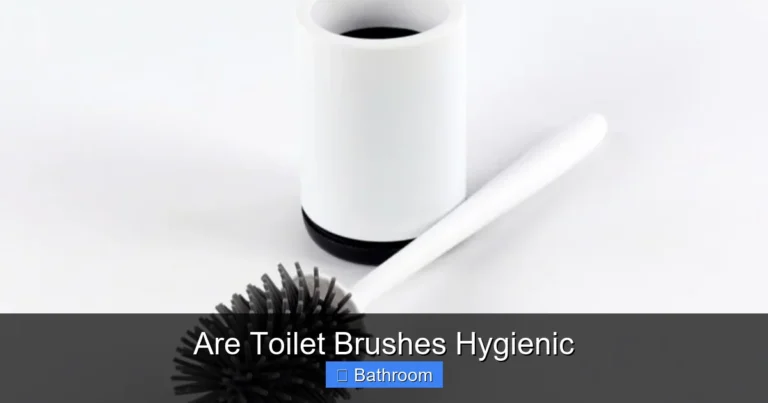
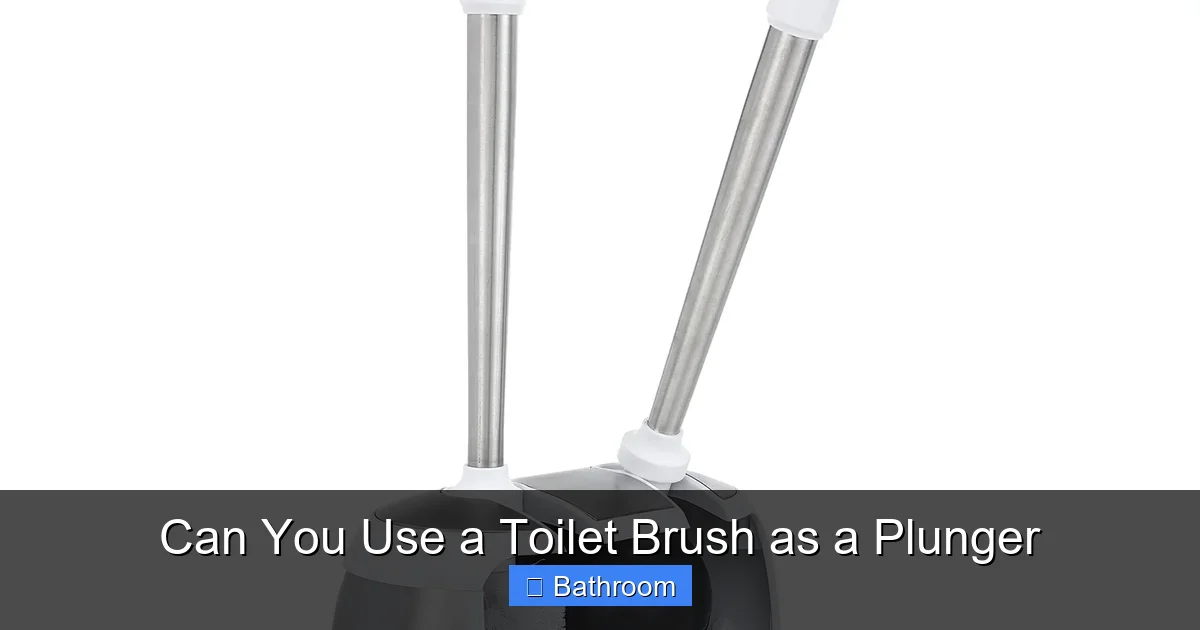
A toilet brush is a small, handheld tool with bristles attached to a handle. It’s designed to clean the inside of the toilet bowl after use. Most brushes come with a holder that sits inside or near the toilet, making it easy to grab when needed. The bristles are usually made of synthetic materials that can withstand frequent contact with water and mild cleaning agents.
Toilet brushes are not built to handle clogs. Their bristles are soft and flexible, meant for scrubbing, not for creating suction or breaking up blockages. If you try to use a toilet brush as a plunger, you’ll quickly realize it doesn’t have the right shape or strength to do the job.
What Is a Plunger?
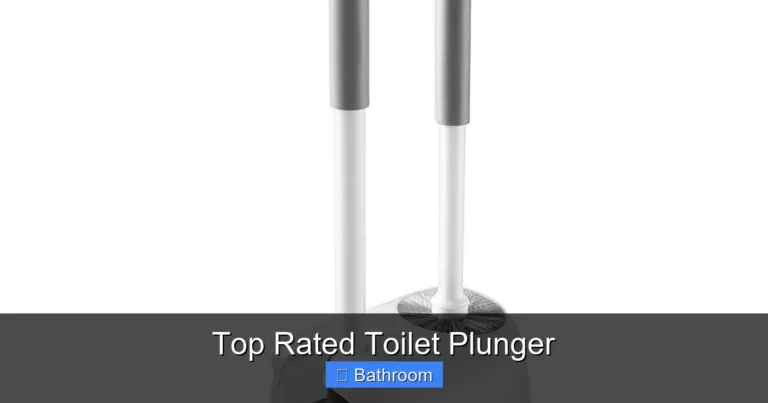
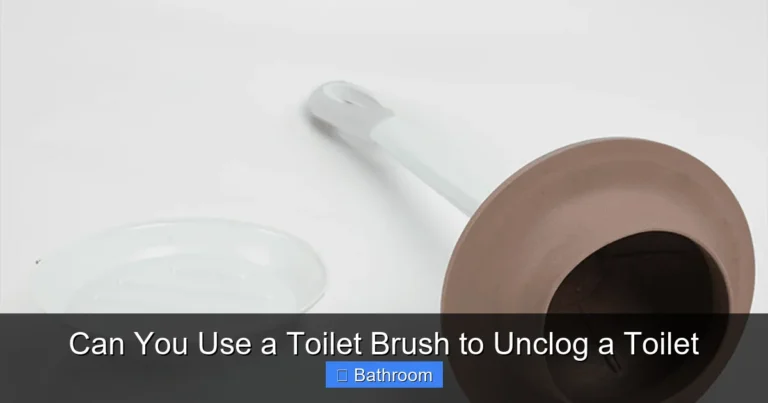
A plunger is a plumbing tool made of rubber or another flexible material. It has a cup-shaped end that fits snugly over the toilet drain. When you press down and pull up quickly, it creates suction that helps dislodge clogs. Plungers are specifically designed to handle different types of blockages—whether it’s toilet paper, hair, or even a small toy stuck in the pipes.
Unlike a toilet brush, a plunger is built for force and suction. Its shape allows it to seal the drain opening, creating the pressure needed to clear clogs. This is why plungers are the go-to tool for toilet backups.
Why You Shouldn’t Use a Toilet Brush as a Plunger
Now that you know the basics, let’s get into why using a toilet brush as a plunger is a bad idea. There are several reasons, from hygiene to plumbing damage.
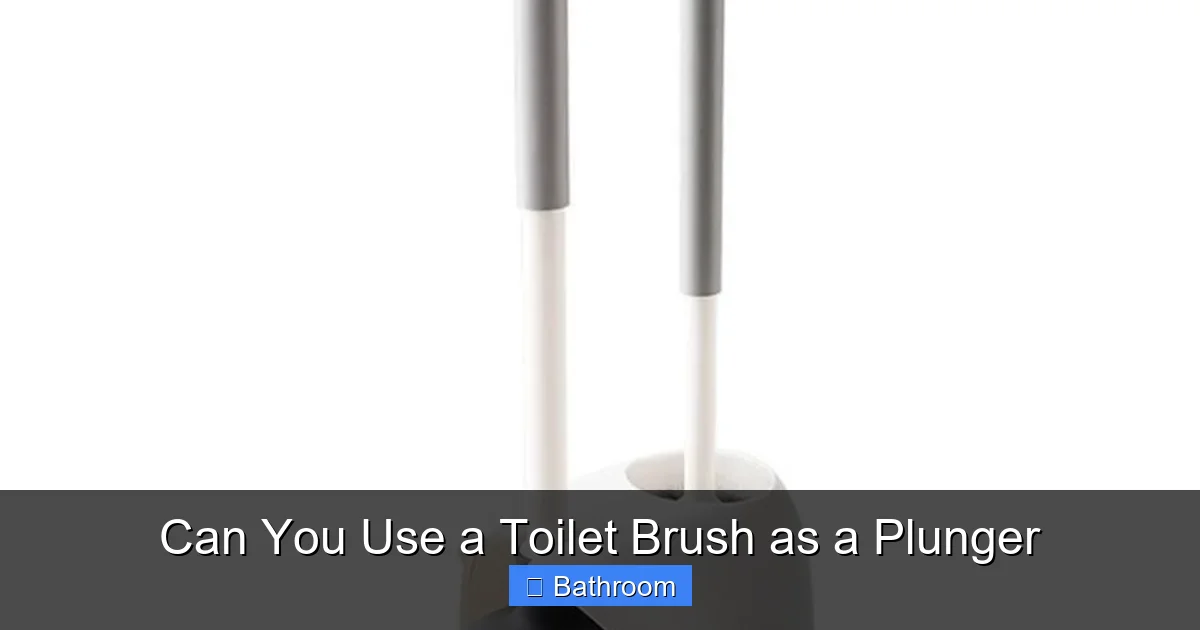
Visual guide about Can You Use a Toilet Brush as a Plunger
Image source: down-ph.img.susercontent.com
Hygiene Concerns
One of the biggest reasons not to use a toilet brush as a plunger is hygiene. A toilet brush is used to clean the toilet bowl, which means it’s been in contact with human waste. If you then use it to try and clear a clog, you’re spreading bacteria and germs around your bathroom. Even if you clean the brush afterward, it’s hard to eliminate all the bacteria, especially in the bristles.
Plungers, on the other hand, are designed to handle clogs and are often cleaned after use. They’re made to be in contact with clogs without spreading germs. Using a toilet brush as a plunger defeats the purpose of keeping your bathroom clean and safe.
Design and Functionality
Another reason is design. A toilet brush doesn’t have the shape or flexibility to create the suction needed to clear a clog. Its bristles are too soft, and the handle isn’t long enough to provide the leverage a plunger needs. You’ll likely end up frustrated, with no progress on the clog.
Plungers are engineered for this exact purpose. Their cup-like design allows them to seal the drain and create the pressure required to break up blockages. Trying to use a brush as a plunger is like trying to cut meat with a spoon—it just doesn’t work.
Risk of Plumbing Damage
Using a toilet brush as a plunger can also damage your plumbing. The brush’s bristles might break off and get stuck in the pipes, creating a new clog. Or, if you press too hard, you could crack the toilet bowl or damage the seal around the drain. These repairs can be expensive and time-consuming.
Plungers are gentle on plumbing when used correctly. They’re designed to handle the pressure without causing damage. Using the wrong tool can lead to costly repairs down the line.
When Might You Use a Toilet Brush as a Plunger?
So, is there ever a time when using a toilet brush as a plunger makes sense? In rare cases, maybe. If you’re in a pinch and have no other option, and the clog is minor, you might try it. But even then, proceed with caution.
Visual guide about Can You Use a Toilet Brush as a Plunger
Image source: i5.walmartimages.com
Emergency Situations
Imagine you’re away from home, and your toilet is backed up. You don’t have a plunger, and you need to fix it quickly. In this case, using a clean toilet brush might be your only option. But remember: this should be a last resort, not a regular practice.
If you do use a brush in an emergency, make sure it’s clean. Rinse it thoroughly with hot water and soap, and avoid using it on the clog if it’s visibly dirty. Even then, don’t expect it to work as well as a plunger.
Minor Clogs
For very minor clogs—like a small buildup of toilet paper—a toilet brush might help. You can try gently scrubbing the inside of the bowl to break up the blockage. But again, this isn’t a substitute for a plunger. If the clog doesn’t clear quickly, stop and get the right tool.
What to Do Instead: The Right Tools for the Job
If you’ve realized you shouldn’t use a toilet brush as a plunger, what should you do? The answer is simple: use the right tool for the job. Here’s what you need to know.
Keep a Plunger Handy
The best way to avoid this situation is to always have a plunger nearby. Keep it under the sink, in a closet, or even in your bathroom cabinet. Choose a plunger with a flange for better suction—it’s designed specifically for toilets.
Having a plunger on hand means you’ll never have to improvise. You’ll be able to clear clogs quickly and safely, without risking damage or hygiene issues.
Use a Toilet Brush Properly
Toilet brushes are great for cleaning, but they’re not for clogs. Use them only to scrub the bowl after use. Clean them regularly with soap and hot water, and replace them when the bristles wear out. This keeps your bathroom hygienic and prevents the spread of germs.
Prevent Clogs Before They Happen
The best way to avoid clogs is to prevent them. Don’t flush anything other than toilet paper and human waste. Use less paper at a time, and consider using a bidet or wet wipes to reduce the amount of paper you flush.
Regular maintenance also helps. Clean your toilet bowl weekly, and check the pipes for signs of buildup. A little prevention goes a long way.
How to Properly Use a Plunger
If you do have a plunger, here’s how to use it correctly. Proper technique makes all the difference.
Step-by-Step Guide
- Place the plunger: Position the cup over the drain, making sure it’s centered and covers the opening completely.
- Create a seal: Press down gently to ensure there are no gaps. A good seal is key to creating suction.
- Apply pressure: Push down firmly, then pull up quickly. Repeat this motion several times.
- Check the result: After a few tries, flush the toilet to see if the clog is cleared.
- Clean the plunger: Rinse it thoroughly and let it air dry. Store it in a dry place to prevent mold.
Remember, patience is important. Don’t give up after one try—sometimes it takes a few attempts to clear a clog.
When to Call a Professional
Even with the best tools, some clogs are too stubborn to handle at home. If you’ve tried a plunger and the clog won’t clear, it’s time to call a plumber. Persistent clogs could indicate a more serious issue, like a blockage deeper in the pipes or a damaged toilet seal.
Professional plumbers have the tools and expertise to diagnose and fix the problem quickly. They can also offer advice on how to prevent future clogs, saving you time and money in the long run.
Final Thoughts
So, can you use a toilet brush as a plunger? The short answer is no—not safely, not effectively, and not hygienically. While both tools sit in your toilet, they’re designed for very different purposes. A toilet brush is for cleaning, and a plunger is for clearing clogs. Using the wrong tool can lead to germs, plumbing damage, and frustration.
The best approach is to keep the right tools on hand and use them as intended. A plunger should always be your go-to for clogs, and a toilet brush should stay in its lane—cleaning the bowl. Prevention is also key: avoid flushing non-flushable items and keep your bathroom clean.
Next time your toilet backs up, don’t panic. Grab your plunger, follow the steps, and get the job done right. And remember, if you’re ever in doubt, it’s always better to call a professional than to risk making things worse.
Frequently Asked Questions
Can a toilet brush clear a clog?
No, a toilet brush is not designed to clear clogs. It lacks the suction and strength needed to dislodge blockages. Using it this way can spread germs and damage plumbing.
Is it safe to use a toilet brush as a plunger?
No, it’s not safe. A toilet brush can harbor bacteria and isn’t built to handle clogs, which can lead to hygiene issues and potential plumbing damage.
What happens if you use a toilet brush to unclog a toilet?
You’ll likely spread bacteria, fail to clear the clog, and possibly damage your toilet or pipes. It’s not an effective or safe method.
Can a toilet brush work in a pinch?
In a very rare emergency with no other tools, a clean brush might help slightly with a minor clog. But it’s not reliable or recommended.
How do you prevent toilet clogs?
Only flush toilet paper and human waste. Use less paper, avoid wipes, and clean your toilet regularly to prevent buildup.
When should you call a plumber?
If a plunger doesn’t clear the clog or the clog keeps returning, it’s time to call a professional. Persistent issues may indicate a deeper problem.