How to Clean a Toilet Without a Brush
You don’t need a toilet brush to get your bathroom sparkling clean. With the right tools and techniques, you can remove stains, kill germs, and keep your toilet fresh using common household items. This guide walks you through safe, chemical-free, and brush-free cleaning methods that are just as effective—if not more—than traditional brushing.
Key Takeaways
- Use vinegar and baking soda for a natural, non-toxic cleaning solution that breaks down grime and deodorizes.
- Try a toilet bowl cleaner tablet that dissolves slowly to keep your toilet clean between deep cleans.
- Apply dish soap and hot water to dissolve grease and soap scum without scrubbing.
- Use a microfiber cloth or sponge with cleaning solution to wipe surfaces without a brush.
- Install a toilet cleaning wand for a brush-free, hygienic cleaning experience.
- Regular maintenance prevents buildup, reducing the need for heavy cleaning.
- Always wear gloves and ventilate the area to protect yourself during cleaning.
📑 Table of Contents
- How to Clean a Toilet Without a Brush: A Complete Guide
- Why Go Brush-Free?
- Natural Cleaning Solutions for a Brush-Free Clean
- Using Everyday Household Items
- Tools That Make Brush-Free Cleaning Easier
- Step-by-Step: How to Clean a Toilet Without a Brush
- Preventing Future Buildup
- Common Mistakes to Avoid
- When to Use a Brush (And When Not To)
- Eco-Friendly Alternatives
- Final Thoughts
How to Clean a Toilet Without a Brush: A Complete Guide
We’ve all been there—standing over the toilet, brush in hand, dreading the next deep clean. Scrubbing can be messy, time-consuming, and sometimes even uncomfortable. But what if I told you that you don’t actually need a brush to get your toilet sparkling clean? That’s right—there are several effective, brush-free methods that are not only easier but often more hygienic and eco-friendly too. In this guide, we’ll walk you through how to clean a toilet without a brush, using simple household items and clever techniques. Whether you’re looking to reduce plastic waste, avoid harsh chemicals, or just want a faster cleaning routine, these tips will make your next toilet clean-up a breeze.
Toilet cleaning doesn’t have to involve elbow grease and a bristly brush. With the right approach, you can eliminate stains, kill bacteria, and keep your toilet fresh—all without ever touching a scrubber. From natural solutions to innovative tools, this article covers everything you need to know. We’ll explore safe, effective methods that work on different types of buildup, including hard water stains, rust, and mildew. Plus, we’ll share pro tips on preventing future messes. So grab a rag, put on some gloves, and let’s get started—no brush required.
Why Go Brush-Free?
Before we dive into the how-to, let’s talk about why you might want to skip the brush. First, toilet brushes can harbor bacteria—even after cleaning, they often remain damp and full of germs. That means every time you use the brush, you’re potentially reintroducing bacteria into your toilet. Second, traditional brushes are made of plastic and bristles, which contribute to environmental waste. Third, they can be awkward to clean and store, often ending up in a corner where they’re forgotten—until it’s time to scrub again.
Visual guide about How to Clean a Toilet Without a Brush
Image source: bathroomworld.net
Going brush-free isn’t just about convenience; it’s about hygiene, sustainability, and efficiency. Many of the methods we’ll discuss use common household ingredients that are gentle on surfaces and safe for your family. Plus, they often require less physical effort, making cleaning a more pleasant task. Whether you’re cleaning daily, weekly, or just doing a deep clean, these techniques will save you time and keep your bathroom smelling fresh.
Natural Cleaning Solutions for a Brush-Free Clean
One of the best ways to clean a toilet without a brush is by using natural cleaning agents. These solutions are non-toxic, eco-friendly, and surprisingly effective. The two most powerful natural cleaners are white vinegar and baking soda. When combined, they create a fizzy reaction that helps break down stains and odors.
Visual guide about How to Clean a Toilet Without a Brush
Image source: tips.homepictures.in
How to Use Vinegar and Baking Soda
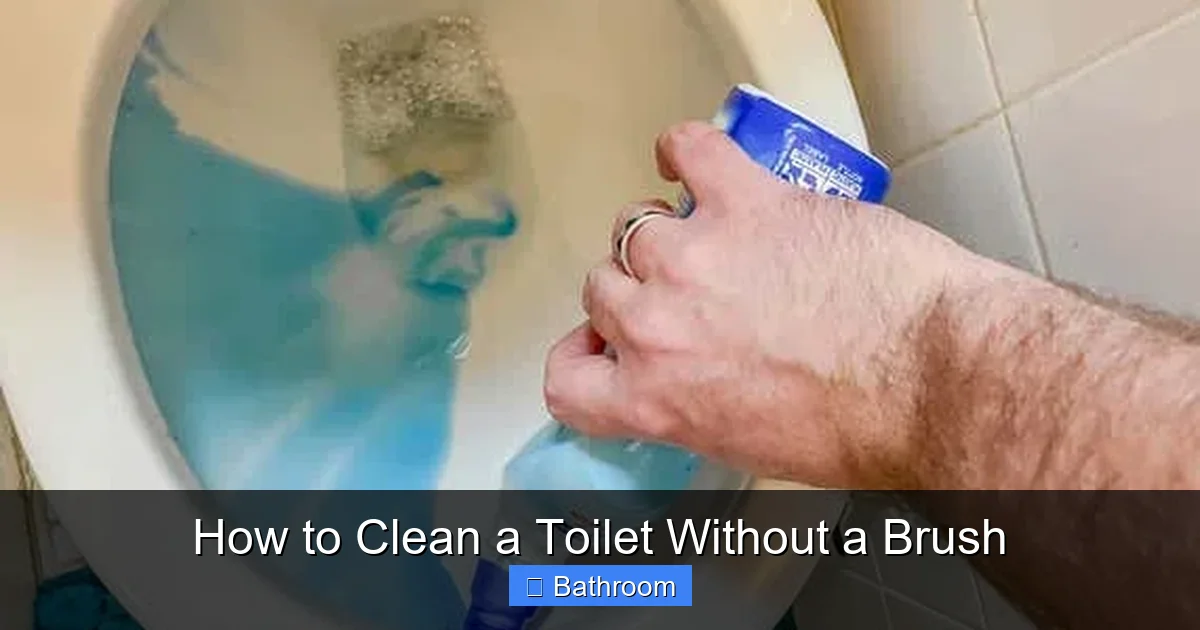
Start by pouring about 1–2 cups of white vinegar into the toilet bowl, focusing on the areas with stains or buildup. Then, sprinkle ½ cup of baking soda over the vinegar. You’ll see it fizz—this is the reaction breaking down grime. Let the mixture sit for at least 30 minutes, or even up to an hour for tough stains. Afterward, use a microfiber cloth or sponge to wipe the inside of the bowl and the exterior surfaces. The vinegar dissolves mineral deposits and soap scum, while the baking soda polishes and deodorizes.
For extra power, you can also use this mixture with a toilet cleaning wand—a tool with a sponge head that attaches to the end of a long handle. This lets you reach every corner without bending over or using a brush.
Other Natural Options
Other natural cleaners include lemon juice and hydrogen peroxide. Lemon juice is acidic and great for cutting through hard water stains, while hydrogen peroxide is a natural disinfectant. You can mix equal parts of either with water and pour it into the bowl, let it sit for 15–20 minutes, then wipe clean. Just avoid mixing hydrogen peroxide with vinegar, as it can reduce their effectiveness.
Using Everyday Household Items
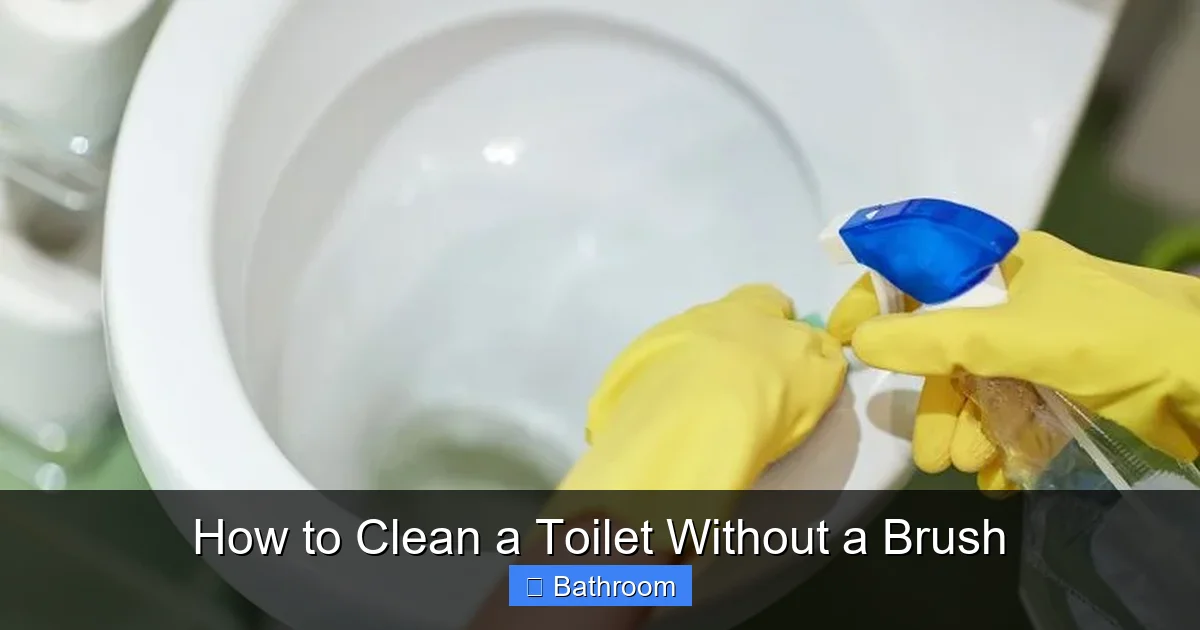
You don’t need special cleaning products to get a clean toilet. Many items in your kitchen can do the job just as well—if not better. For example, dish soap and hot water are excellent for breaking down grease and soap scum. Pour a few squirts of dish soap into the bowl, then flush the toilet. The hot water helps dissolve buildup, and the soap acts as a degreaser. Let it sit for 10–15 minutes, then wipe the bowl with a cloth.
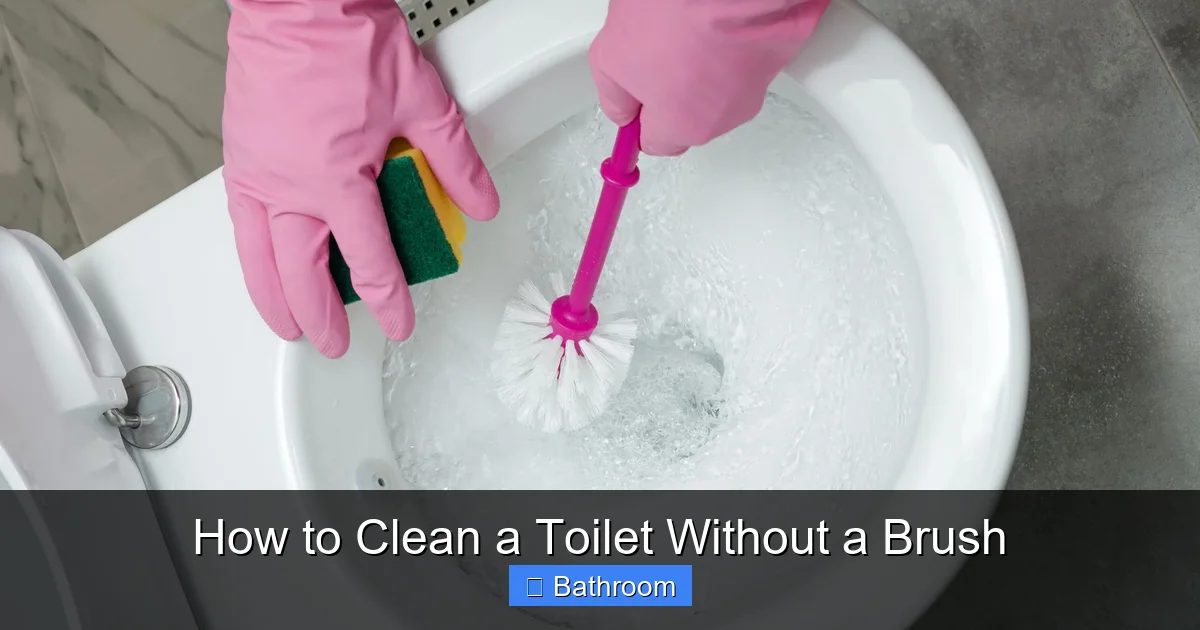
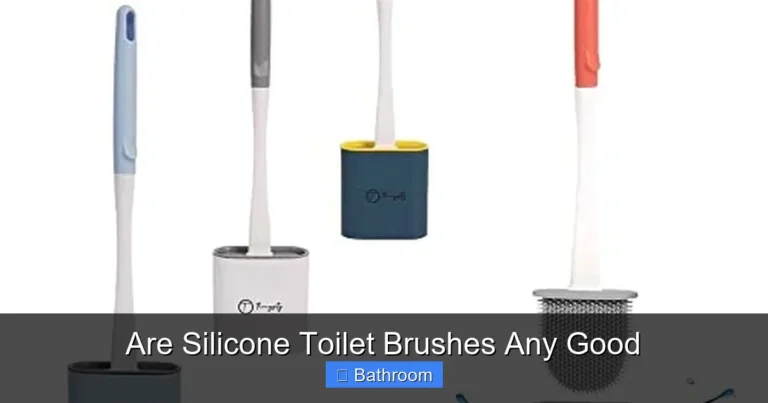
Visual guide about How to Clean a Toilet Without a Brush
Image source: citizenside.com
Another handy item is toilet cleaner tablets. These dissolve slowly when dropped into the bowl, releasing cleaning agents over time. While some contain chemicals, many are designed to work without scrubbing. Just drop one in after flushing and let it do the work. They’re especially useful for maintaining cleanliness between deep cleans.
Tools That Make Brush-Free Cleaning Easier
While you don’t need a brush, there are tools that can make cleaning faster and more thorough. One of the most popular is the toilet cleaning wand. This tool has a sponge or scrubber head attached to a long handle, allowing you to clean the inside of the bowl without bending over or touching the dirty surface. It’s especially useful for reaching under the rim and around the trapway.
Another option is a microfiber cloth or sponge with a long handle. These are great for wiping down the bowl, seat, and exterior without needing a brush. You can also use a squeegee after cleaning to remove water spots and prevent streaks.
For a more hands-off approach, consider a self-cleaning toilet seat or automatic toilet cleaner. These use sensors or timed releases to clean the bowl periodically, reducing the need for manual cleaning altogether.
Step-by-Step: How to Clean a Toilet Without a Brush
Ready to try it? Follow these simple steps for a brush-free toilet clean:
- Put on gloves and open a window or turn on a fan for ventilation.
- Flush the toilet to wet the bowl.
- Pour in your cleaning solution—vinegar, baking soda, or dish soap.
- Let it sit for 15–60 minutes, depending on the solution and buildup.
- Wipe the bowl with a microfiber cloth or sponge, using the toilet wand if available.
- Scrub the exterior—seat, lid, tank, and base—with soapy water and a cloth.
- Flush again to rinse, then dry surfaces with a clean towel.
For tough stains, you can repeat the process or use a pumice stone (only on porcelain—never metal or plastic surfaces). Just wet the stone and gently rub the stain. It’s abrasive but safe for toilets and doesn’t require a brush.
Preventing Future Buildup
The best way to avoid heavy cleaning is to prevent buildup in the first place. Here are some tips:
- Clean your toilet weekly—even a quick wipe-down helps.
- Use a toilet cleaner tablet between deep cleans to maintain freshness.
- Flush after each use to rinse away residue.
- Avoid flushing wet wipes or other non-biodegradable items—they cause clogs and buildup.
- Use a toilet bowl cleaner with enzymes that break down organic matter over time.
Regular maintenance means less effort when it’s time for a deep clean. And with the methods above, you can keep your toilet sparkling without ever reaching for a brush.
Common Mistakes to Avoid
Even with the best tools and solutions, mistakes can happen. Here’s what to watch out for:
- Using bleach with vinegar—it creates toxic chlorine gas. Never mix the two.
- Scrubbing with metal tools—they can scratch porcelain. Stick to non-abrasive materials.
- Skipping gloves—your hands are exposed to germs. Always protect them.
- Using too much product—a little goes a long way. Overuse can leave residue.
By avoiding these pitfalls, you’ll get better results and keep your toilet in top shape.
When to Use a Brush (And When Not To)
While this guide focuses on brush-free methods, there are times when a brush might still be helpful. For example, if you have heavy mineral buildup or a stubborn stain that won’t budge with vinegar or baking soda, a soft-bristled brush can help loosen the grime. But even then, you can use it sparingly—just make sure to clean the brush thoroughly afterward or consider switching back to brush-free methods.
Remember, the goal isn’t to eliminate brushes entirely—it’s to choose the best tool for the job. For most routine cleaning, brush-free methods are faster, cleaner, and safer.
Eco-Friendly Alternatives
If you’re environmentally conscious, you’ll be happy to know that many brush-free methods are green and sustainable. Vinegar, baking soda, and lemon juice are all biodegradable and non-toxic. They break down naturally and don’t harm aquatic life. Plus, by reducing the need for plastic brushes and chemical cleaners, you’re cutting down on waste.
Consider switching to reusable cleaning cloths instead of disposable paper towels. You can wash them and use them over and over, saving money and reducing landfill waste.
Final Thoughts
Cleaning a toilet without a brush is not only possible—it’s easier, healthier, and kinder to the planet. With natural solutions like vinegar and baking soda, everyday items like dish soap, and helpful tools like microfiber cloths and toilet wands, you can keep your bathroom sparkling clean without the hassle. The key is consistency: a quick weekly wipe-down prevents buildup, so you don’t need to scrub every time.
Give these methods a try and see how much simpler—and more pleasant—toilet cleaning can be. Your bathroom (and your back) will thank you.
Frequently Asked Questions
Can I really clean a toilet without a brush?
Yes, absolutely. Using vinegar, baking soda, dish soap, and a microfiber cloth, you can effectively clean a toilet without scrubbing. These natural solutions break down grime and stains, and tools like toilet wands make the process easier and more hygienic.
What’s the best natural cleaner for toilets?
The best natural cleaners are white vinegar and baking soda. Vinegar dissolves mineral deposits and soap scum, while baking soda polishes and deodorizes. Mix them together for a powerful, non-toxic cleaning solution that works without a brush.
How often should I clean my toilet?
For routine maintenance, clean your toilet once a week. This prevents buildup and makes deep cleaning less necessary. Use a quick wipe-down with soapy water or a vinegar solution to keep it fresh.
Is it safe to use hydrogen peroxide in the toilet?
Yes, hydrogen peroxide is a safe, natural disinfectant. Pour it into the bowl, let it sit for 15–20 minutes, then wipe clean. Avoid mixing it with vinegar, as this can reduce its effectiveness.
Can I use a pumice stone without a brush?
Yes, a pumice stone is great for tough stains like rust or hard water buildup. Just wet it and gently rub the stain—no brush needed. Use only on porcelain surfaces, and avoid metal or plastic.
Do I need special tools to clean without a brush?
Not really. A microfiber cloth, sponge, or toilet cleaning wand is all you need. These tools help you reach every part of the toilet without touching the dirty surface or using a brush.