Affordable Toilet Plunger
Finding a toilet plunger that’s both effective and affordable doesn’t mean compromising on quality. A reliable toilet plunger can save you time, prevent messes, and keep your bathroom functioning smoothly. In this guide, we’ll walk you through everything you need to know—from types and features to top budget-friendly options and care tips.
Finding yourself staring at a clogged toilet, wondering how to fix it without spending a fortune? You’re not alone. Whether it’s a stubborn blockage or a slow-draining bowl, having a reliable toilet plunger on hand can save the day—and your wallet. The good news? You don’t need to pay top dollar for a plunger that actually works. In fact, many of the best affordable toilet plungers deliver powerful suction and long-lasting performance without the premium price tag.
A plunger is one of the most underrated tools in the home. Yet, when the moment arrives, it becomes your go-to solution for one of life’s most common household emergencies. The right plunger can mean the difference between a quick fix and a full-blown plumbing disaster. And the best part? You can find excellent options for under $10, with some models offering features usually reserved for high-end brands.
In this comprehensive guide, we’ll explore everything you need to know about choosing, using, and maintaining an affordable toilet plunger. From understanding different types to spotting quality in budget models, we’ll help you make a smart, cost-effective choice. So grab a cup of coffee, and let’s dive into the world of budget-friendly bathroom essentials.
Key Takeaways
- Affordable doesn’t mean low quality: Many budget plungers offer excellent suction and durability, especially when made from high-density rubber or plastic.
- Choose the right type: Cup plungers work best for most clogs, while flange plungers offer better sealing for older toilets.
- Size matters: Ensure the plunger fits snugly into your toilet bowl to create a proper seal for maximum suction.
- Maintenance is key: Rinse and dry your plunger after each use to prevent mold and bacteria buildup.
- Storage saves space: A wall-mounted or compact plunger holder keeps your plunger handy and out of the way.
- Look for value extras: Some affordable models include storage containers, disinfectant wipes, or antimicrobial materials.
- Read customer reviews: Real user feedback helps you spot hidden gems and avoid common pitfalls in budget plungers.
📑 Table of Contents
- Why an Affordable Toilet Plunger Is a Smart Investment
- Types of Toilet Plungers: Which One Should You Choose?
- How to Choose the Most Affordable Toilet Plunger Without Sacrificing Quality
- Top Affordable Toilet Plunger Picks Under $15
- How to Use a Toilet Plunger Like a Pro
- Maintaining Your Affordable Toilet Plunger
- Common Myths About Toilet Plungers Debunked
- When a Plunger Isn’t Enough
- Final Thoughts: The Best Affordable Toilet Plunger Is Within Reach
Why an Affordable Toilet Plunger Is a Smart Investment
You might think, “If it’s cheap, it must be junk.” But that’s not always true—especially when it comes to everyday tools like a toilet plunger. Many affordable models are made with durable materials and tested for performance. In fact, some of the most reliable plungers on the market are priced under $15.
What makes an affordable toilet plunger worth buying? First, it’s convenience. A plunger that works well and is easy to use can turn a stressful situation into a simple fix. Second, it’s peace of mind. Knowing you have a dependable tool ready for emergencies means you’re prepared—no last-minute store runs or expensive plumber calls.
Plus, investing in a quality plunger now can save you money in the long run. A cheap, ineffective plunger might need to be replaced frequently or require multiple attempts to clear a clog, leading to more mess and frustration. A well-made, affordable plunger, on the other hand, lasts for years with proper care.
Types of Toilet Plungers: Which One Should You Choose?
Visual guide about Affordable Toilet Plunger
Image source: static.vecteezy.com
Not all plungers are created equal. The two main types are cup plungers and flange plungers. Understanding the difference helps you pick the right tool for your toilet.
Cup Plungers: The Workhorse of Plumbing
The cup plunger features a smooth, cup-shaped rubber tip. It’s designed to create a seal around the toilet drain and uses suction to dislodge clogs. This type works best on standard modern toilets with smooth rims.
Cup plungers are the most common and affordable option. They’re lightweight, easy to handle, and great for routine clogs caused by toilet paper or small amounts of waste. Most budget-friendly plungers fall into this category, making them ideal for everyday use.
Flange Plungers: For Older or Unique Toilets
A flange plunger has a small rubber ring around the cup. This ring creates a tighter seal, especially useful for older toilets with protruding rims or non-standard bowls. The flange helps prevent suction leaks, making it more effective for stubborn clogs.
If you have an older toilet or notice air escaping when you plunge, a flange plunger might be worth the small extra cost. While not always the most affordable option, many budget models now include a flange for added versatility.
Combo Plungers: Best of Both Worlds
Some affordable plungers come with both cup and flange tips in one handle. These combo models are perfect if you’re unsure which type your toilet needs or if you share your bathroom with others who have different toilet styles.
Combo plungers are slightly more expensive than standard cup models, but they offer flexibility and value. For under $20, you can get a two-in-one tool that adapts to your needs.
How to Choose the Most Affordable Toilet Plunger Without Sacrificing Quality
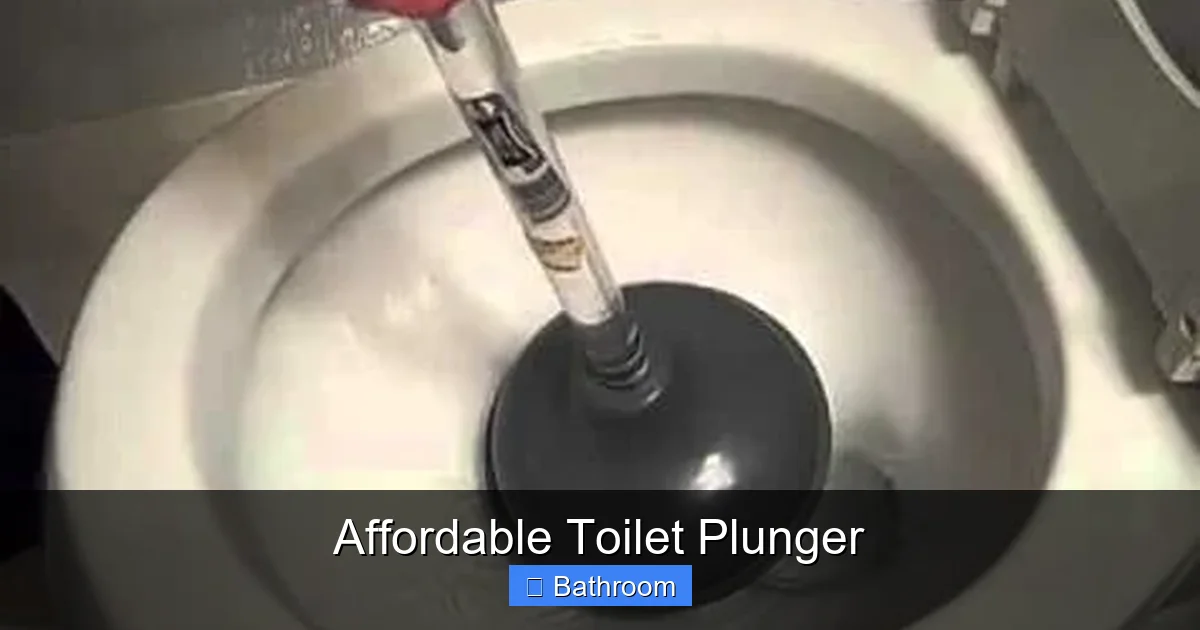
Visual guide about Affordable Toilet Plunger
Image source: probesthouse.com
Shopping for a plunger can feel overwhelming with so many options online and in stores. But choosing an affordable toilet plunger doesn’t have to be complicated. Here’s how to find a high-performing, budget-friendly model.
Look for High-Density Rubber
The plunger’s tip is the most important part. High-density rubber resists wear, stays flexible, and creates a better seal. Avoid spongy or thin rubber, as it won’t hold suction well. Most affordable plungers use good-quality rubber, so focus on reviews that mention durability and performance.
Check the Handle Material
A sturdy handle ensures better control and comfort. Plastic handles are common in budget models and are usually durable enough for home use. Avoid flimsy or bendable handles, as they can break during use.
Size and Fit Matter
A plunger that’s too small won’t create a proper seal, and one that’s too large can damage your toilet rim. Most plungers are designed to fit standard toilets, but it’s worth measuring your toilet’s drain opening if you’re unsure.
Consider Storage Features
Some affordable plungers come with built-in storage containers or drip trays. These help keep the plunger clean and prevent water from pooling underneath. While not essential, they add convenience and hygiene.
Read Customer Reviews
Online reviews are a goldmine for finding honest feedback. Look for comments about suction power, ease of use, and how long the plunger lasted. Brands with hundreds of positive reviews are often reliable, even at lower price points.
Top Affordable Toilet Plunger Picks Under $15
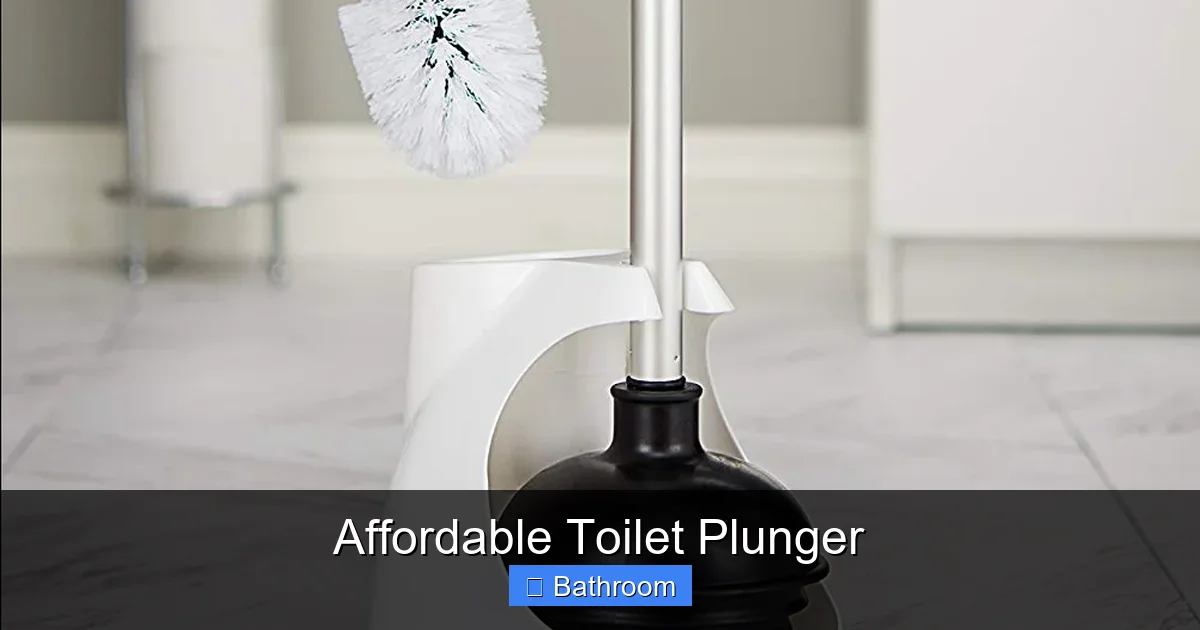
Visual guide about Affordable Toilet Plunger
Image source: static4.businessinsider.com
Don’t believe the myth that you have to spend $30 or more for a good plunger. Here are five standout affordable toilet plungers that deliver excellent performance without the high cost.
1. OXO Good Grips Toilet Plunger
Price: Around $12–$14
Why it’s great: Ergonomic handle, durable construction, and excellent suction. OXO is known for quality tools, and this plunger proves it doesn’t have to be expensive.
2. Rubbermaid Brilliance Toilet Plunger
Price: Under $10
Why it’s great: Comes with a storage container and disinfectant wipe. The rubber tip is firm and the handle is comfortable for repeated use.
3. LDR Industries Toilet Plunger with Flange
Price: $10–$12
Why it’s great: Includes both cup and flange tips. Ideal for older homes or shared bathrooms. Durable plastic handle and high-quality rubber.
4. Korky Classic Toilet Plunger
Price: $13–$15
Why it’s great: Trusted brand in plumbing, known for long-lasting performance. The rubber tip resists cracking and maintains suction over time.
5. Amazon Basics Toilet Plunger
Price: $8–$10
Why it’s great: Affordable, reliable, and backed by Amazon’s customer service. Simple design with no frills—just effective plunging.
Each of these models offers excellent value and is widely available online or at big-box stores. They all meet or exceed basic performance standards, proving that you don’t need to overspend for quality.
How to Use a Toilet Plunger Like a Pro
Knowing how to use your toilet plunger correctly makes all the difference. A few simple steps can turn a frustrating clog into a quick fix.
Step 1: Prepare the Toilet
Remove any excess water from the bowl using a cup or sponge. You want as little water as possible to maximize suction. If the water level is too high, lower it carefully before plunging.
Step 2: Position the Plunger
Place the plunger over the drain hole, ensuring it covers the entire opening. If you have a flange plunger, press the rubber ring firmly against the rim.
Step 3: Create a Seal
Press down gently at first, then push down firmly to create a tight seal. You should feel resistance—this means the plunger is sealing properly.
Step 4: Plunge with Power
Use a pumping motion: push down, then pull up quickly. Repeat 10–15 times with steady pressure. Avoid jerky movements, as they can break the seal.
Step 5: Test the Drain
Flush the toilet to see if the clog is cleared. If the water drains slowly, repeat the process. If it’s still blocked, you may need a different tool or professional help.
Pro tip: Always plunge in the same direction (usually clockwise) to maintain suction.
Maintaining Your Affordable Toilet Plunger
Even the best affordable toilet plunger can lose effectiveness if not cared for properly. Maintenance is simple and takes just a few minutes.
Rinse After Every Use
After plunging, rinse the rubber tip and handle under warm water. Remove any debris or residue.
Let It Dry Completely
Place the plunger upside down on a drying rack or in a cup with the tip facing up. Moisture trapped inside can lead to mold and unpleasant odors.
Clean Weekly with Vinegar
Once a week, soak the plunger in a solution of water and white vinegar for 15–20 minutes. This kills bacteria and removes buildup.
Store Properly
Use a plunger caddy or wall-mounted holder to keep it off the floor and out of the way. Make sure it’s in a dry, ventilated area.
Replace When Necessary
Most plungers last 2–3 years with regular use. If the rubber becomes cracked, sticky, or loses suction, it’s time to replace it.
Proper care extends the life of your plunger and keeps your bathroom hygienic.
Common Myths About Toilet Plungers Debunked
There are plenty of myths floating around about plungers. Let’s clear up a few.
Myth 1: Expensive Plungers Work Better
False. A well-made, affordable plunger can outperform a cheap, expensive one. It’s the design and materials that matter, not the price tag.
Myth 2: You Need a Special Plunger for Each Toilet
Not necessarily. A single plunger can work for multiple toilets in the house, especially if it has a flange. Just clean it thoroughly between uses.
Myth 3: Plunging Too Hard Damages the Toilet
Over-plunging can damage older toilets, but moderate, steady pressure won’t harm most modern fixtures. The key is technique, not force.
Myth 4: All Rubber Tips Are the Same
Different rubber densities affect performance. High-density rubber lasts longer and holds suction better. Look for this feature in budget models.
Myth 5: You Can’t Trust Store Brands
Many store brands, like Amazon Basics or Walmart’s Great Value, offer reliable plungers at low prices. Check reviews to confirm quality.
Understanding these myths helps you make informed decisions and avoid unnecessary spending.
When a Plunger Isn’t Enough
Even the best toilet plunger has its limits. If your plunger isn’t working after several attempts, it may be time to consider other options.
Try a Plumbing Snake
A hand-crank or electric snake can reach clogs deeper in the pipes. These tools are more effective for tough blockages and are often affordable, starting around $20.
Use a Wet/Dry Vacuum
Some homeowners use a wet/dry vacuum with a toilet adapter to create suction. This can work for stubborn clogs, but use it carefully to avoid damaging the toilet.
Call a Professional
If you’ve tried everything and the clog persists, it’s time to call a plumber. Repeated attempts with a plunger can cause damage or push the clog further down the pipe.
Remember: It’s okay to ask for help. A small investment in professional service can prevent bigger problems later.
Final Thoughts: The Best Affordable Toilet Plunger Is Within Reach
An affordable toilet plunger doesn’t have to be a compromise. With the right research and a focus on quality materials, you can find a reliable, long-lasting tool that fits your budget. Whether you choose a simple cup plunger or a versatile flange model, the key is to prioritize durability, ease of use, and proper maintenance.
Investing in a good plunger now means fewer headaches, less mess, and more confidence in handling common bathroom issues. And the best part? You can do it for less than the price of a fancy kitchen gadget.
So the next time your toilet starts to gurgle, don’t panic. Reach for your plunger—because with the right one, even the toughest clogs can be cleared quickly and affordably.
Frequently Asked Questions
What makes a toilet plunger affordable yet effective?
Affordable toilet plungers use high-density rubber and sturdy handles to deliver strong suction without high costs. Brands focus on essential features, skipping expensive marketing or packaging, which keeps prices low while maintaining performance.
How often should I replace my toilet plunger?
Most plungers last 2–3 years with regular use. Replace it if the rubber tip becomes cracked, sticky, or loses suction. Proper cleaning and drying after each use can extend its life significantly.
Can I use a plunger on a clogged sink?
Yes, but use a sink plunger (with a flat, open cup) instead of a toilet plunger. A toilet plunger is designed for drain shapes and won’t seal properly on a sink.
Is it safe to share a plunger in a household?
Yes, but clean it thoroughly after each use. Use a disinfectant wipe or soak it in vinegar solution to prevent bacteria buildup. Consider having one plunger per toilet for hygiene.
What’s the difference between a cup and flange plunger?
A cup plunger has a smooth rubber tip and works best on modern toilets. A flange plunger has a small rubber ring that creates a tighter seal, ideal for older toilets with protruding rims.
How do I know if my plunger is working correctly?
If you feel resistance when pushing down, the plunger is creating a good seal. After plunging, flush the toilet—if the water drains quickly, the clog is cleared. If not, repeat or try a different tool.