Are Microfiber Cloths Safe
Microfiber cloths are generally safe and effective for cleaning when used correctly. They reduce the need for harsh chemicals, trap dust and bacteria, and last longer than paper towels. However, improper use or poor-quality products may pose minor risks. By following proper care instructions, you can enjoy a cleaner, healthier home with minimal environmental impact.
Are Microfiber Cloths Safe?
If you’ve ever stood in the cleaning aisle, staring at a wall of plastic bottles filled with harsh chemicals, you’re not alone. Over the past decade, more people have started asking: “Are microfiber cloths safe?” The answer is yes—most of the time. Microfiber cloths are widely used across homes, offices, and hospitals because they’re effective, reusable, and gentle on surfaces. But like any cleaning tool, their safety depends on how you use them and where they come from.
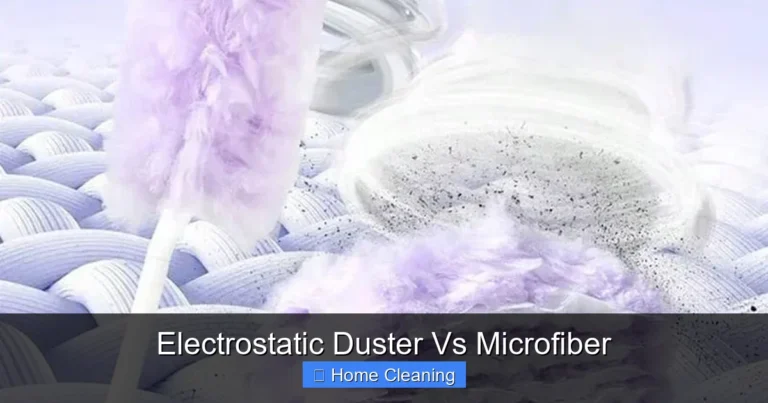
Microfiber is made from ultra-fine synthetic fibers—typically a blend of polyester and polyamide. These fibers are woven tightly together to create a material that’s both absorbent and electrostatic. That means they don’t just soak up liquid; they also attract and trap dust, dirt, and even tiny bacteria. Because they don’t scratch surfaces and don’t require much more than water to work, many people see them as a safer alternative to chemical-laden cleaning sprays.
But safety isn’t just about the material—it’s also about how the cloths are made, how they’re washed, and what they’re used on. In this article, we’ll explore everything you need to know about microfiber cloth safety, from their environmental benefits to potential risks and how to maximize their effectiveness without harming your health or home.
Key Takeaways
- Microfiber is non-toxic and chemical-free: Most microfiber cloths are made from synthetic fibers that don’t require toxic cleaners, making them safer for homes with children or pets.
- They trap rather than spread bacteria: Microfiber’s electrostatic properties help capture dust, germs, and allergens, reducing airborne particles during cleaning.
- Proper washing is essential: Washing microfiber with regular detergent or fabric softener can damage fibers and reduce effectiveness. Use mild soap and avoid fabric softener.
- Quality matters: Low-quality microfiber may shed fibers or contain harmful additives. Choose reputable brands with certifications.
- They’re eco-friendly: Reusable microfiber cloths reduce paper waste and chemical runoff, offering a sustainable cleaning solution.
- Avoid high heat: High dryer heat or bleach can degrade microfiber. Air dry or use low heat to preserve performance.
- Safe for most surfaces: Microfiber is gentle on glass, stainless steel, and electronics, but avoid abrasive scrubbing on delicate finishes.
📑 Table of Contents
- What Makes Microfiber Cloths Safe?
- Potential Health Risks and How to Avoid Them
- Are Microfiber Cloths Safe for Kids and Pets?
- Environmental Impact: Are Microfiber Cloths Eco-Friendly?
- How to Use Microfiber Cloths Safely and Effectively
- Proper Care and Maintenance
- Common Myths About Microfiber Cloths
- When Not to Use Microfiber Cloths
- Final Thoughts: Are Microfiber Cloths Safe?
What Makes Microfiber Cloths Safe?
Microfiber cloths are considered safe for most cleaning tasks because they eliminate the need for many toxic chemicals. Unlike traditional cleaners that often contain ammonia, bleach, or synthetic fragrances, microfiber works through physical action—absorbing and trapping dirt and germs. This makes them a popular choice for households with children, pets, or people with allergies or asthma.
One of the biggest safety advantages is that microfiber doesn’t release fumes or leave behind chemical residues. You’re not spraying anything into the air or risking accidental ingestion if a child picks up a cloth and puts it in their mouth (though we still recommend supervision). Instead, the cloth picks up what you’re cleaning, leaving your home cleaner and fresher—naturally.
Additionally, microfiber is non-abrasive, meaning it won’t scratch delicate surfaces like glass, stainless steel, or polished wood. This gentleness reduces the risk of damage to your belongings and makes it ideal for cleaning electronics, mirrors, and car interiors. The electrostatic charge in the fibers also helps lift dust without needing to rub hard, which can spread allergens into the air.
Potential Health Risks and How to Avoid Them
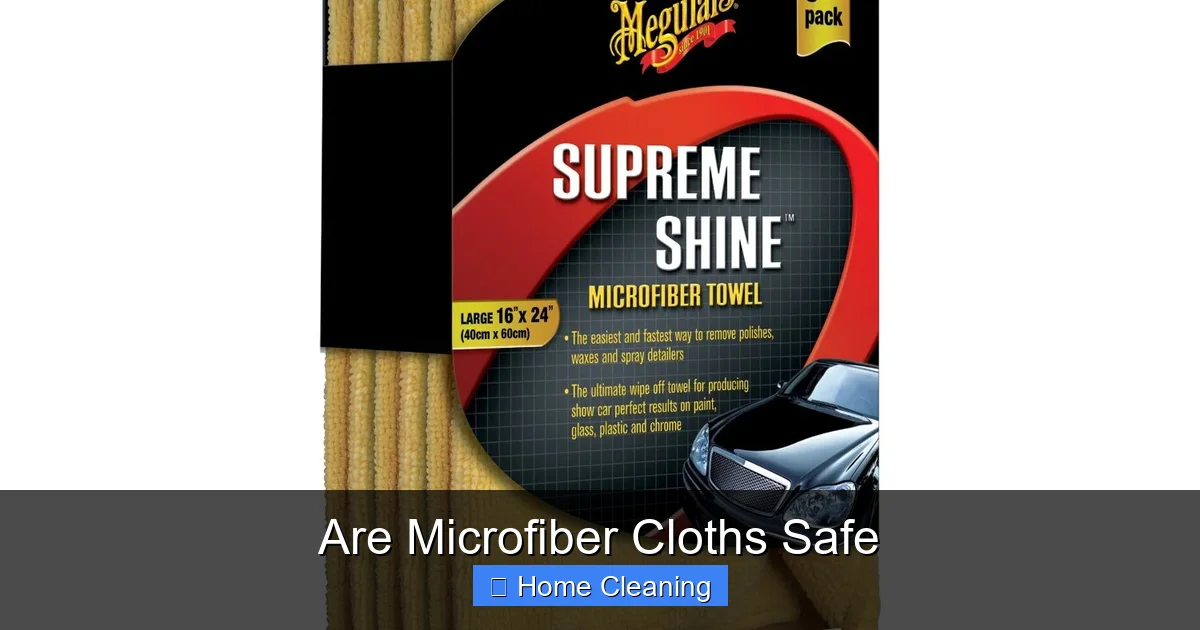
Visual guide about Are Microfiber Cloths Safe
Image source: m.media-amazon.com
While microfiber cloths are generally safe, there are a few potential risks to be aware of. The most common concern is cross-contamination. If you use the same cloth to clean a dirty kitchen counter and then wipe your child’s toys without washing it in between, you’re essentially spreading germs from one surface to another. This is why it’s important to use separate cloths for different areas or to wash them frequently.
Another issue is poor-quality microfiber. Some cheaply made cloths may shed fibers or contain harmful additives like formaldehyde or phthalates. These chemicals can off-gas over time, especially when the cloth is heated (like in a dryer), potentially irritating the lungs or skin. To avoid this, buy microfiber from reputable brands and look for certifications like OEKO-TEX or Greenguard.
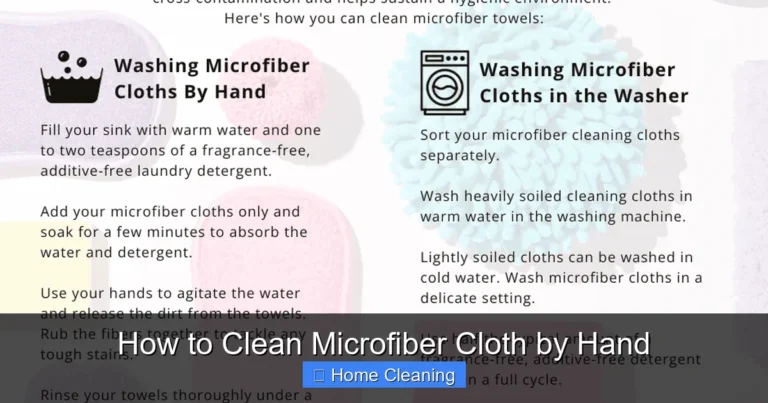
Washing microfiber incorrectly can also reduce its safety and effectiveness. Using fabric softener or dryer sheets can coat the fibers, making them less absorbent and more likely to trap odors and bacteria. Similarly, high heat can melt or damage the fibers, reducing their lifespan. Always wash microfiber in cold or warm water with a mild detergent—no softener, no bleach.
Are Microfiber Cloths Safe for Kids and Pets?
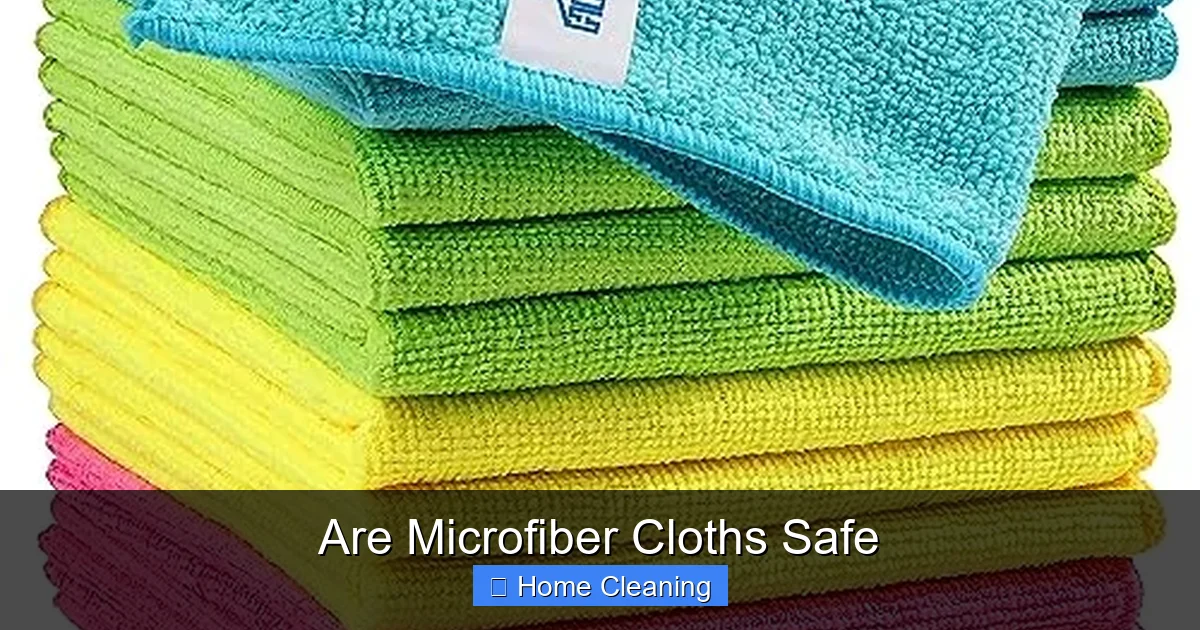
Visual guide about Are Microfiber Cloths Safe
Image source: m.media-amazon.com
Yes, microfiber cloths are generally safe for homes with kids and pets—as long as they’re used and cleaned properly. Because they don’t contain harsh chemicals, they’re less likely to cause skin irritation or respiratory issues. This makes them a great choice for cleaning high-touch surfaces like doorknobs, remote controls, and pet food bowls.
However, small children and pets may chew on or ingest cloth fibers if they’re not supervised. While microfiber is non-toxic, swallowing large amounts of synthetic fibers can cause stomach discomfort. To prevent this, store cloths out of reach when not in use and avoid leaving them lying around.
When cleaning around pets, use separate cloths for areas where they sleep or eat. Wash these cloths at least once a week in hot water (if the fabric allows) to kill any bacteria or allergens. You can also use a cloth dedicated only to pet-related cleaning to reduce the risk of spreading germs.
Environmental Impact: Are Microfiber Cloths Eco-Friendly?
Visual guide about Are Microfiber Cloths Safe
Image source: m.media-amazon.com
One of the biggest reasons people switch to microfiber is its environmental benefits. Unlike paper towels, which create tons of waste every year, microfiber cloths are reusable. A single cloth can replace dozens—or even hundreds—of paper towels over its lifetime. This reduces landfill waste and the carbon footprint associated with manufacturing and transporting disposable products.
Additionally, because microfiber requires little to no cleaning solution, it helps reduce the use of plastic bottles and chemical runoff. When you use a microfiber cloth with just water, you’re not only saving money but also preventing harmful chemicals from entering waterways.
That said, microfiber isn’t completely without environmental concerns. When washed, microfiber fibers can shed into wastewater and eventually reach oceans, where they may contribute to microplastic pollution. To minimize this, wash microfiber in full loads, use a washing machine filter if available, and avoid overusing fabric softener, which can increase fiber shedding.
How to Use Microfiber Cloths Safely and Effectively
Using microfiber cloths safely starts with proper technique. Always dampen the cloth with water—never spray chemicals directly onto surfaces. This prevents streaks and ensures the cloth does the work. For tougher grime, use a small amount of gentle soap or vinegar solution, but avoid ammonia-based or abrasive cleaners.
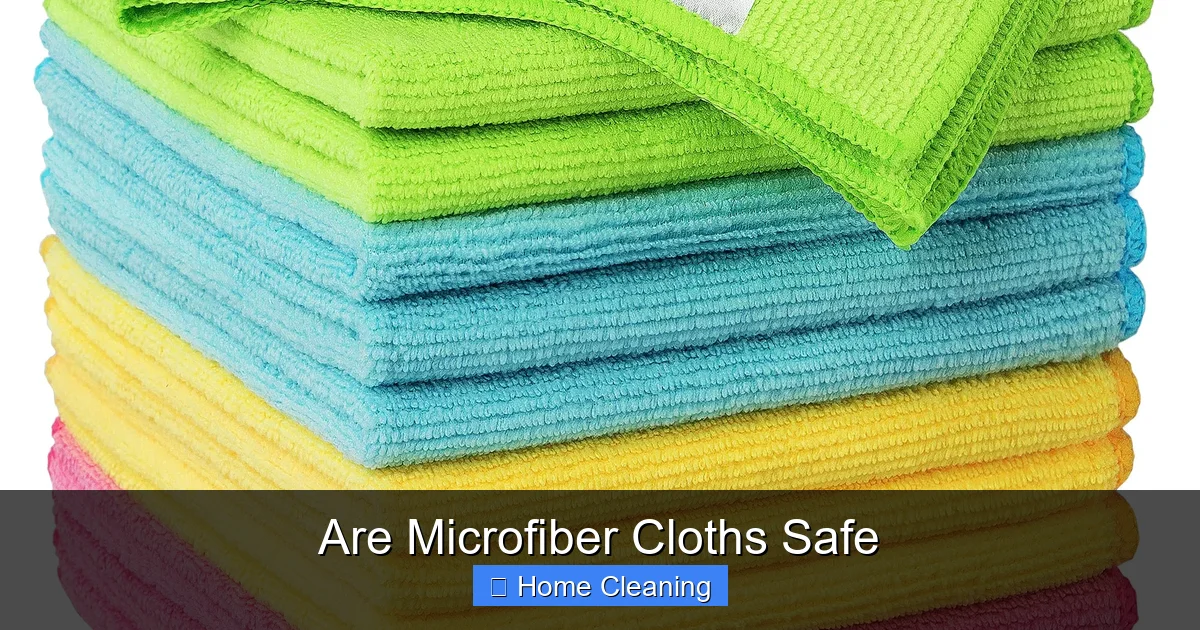
Divide your cleaning tasks by color or purpose. For example, use one cloth for the kitchen, another for the bathroom, and a third for electronics. This prevents cross-contamination and keeps each area hygienic. Label cloths if needed, or buy a multi-pack with different colors for different uses.
When wiping down surfaces, use a light touch. Microfiber is effective because of its texture, not pressure. Rubbing too hard can spread dust and dirt rather than removing it. Instead, fold the cloth and wipe in sections, rotating as needed.
Proper Care and Maintenance
To keep your microfiber cloths safe and effective, proper care is essential. Wash them after every 1–2 uses, depending on how dirty they get. Use cold or warm water and a mild detergent. Avoid fabric softener, bleach, or dryer sheets—they coat the fibers and reduce their ability to trap dirt.
Wash microfiber separately from cotton or other fabrics to prevent lint transfer. If possible, use a mesh laundry bag to protect the cloths during the wash cycle.
When drying, air drying is best. If you must use a dryer, use low heat and remove the cloths while slightly damp. High heat can melt the fibers or cause them to clump. Ironing is not recommended—it can damage the delicate weave.
Store clean, dry cloths in a breathable container or drawer. Avoid plastic bags, which can trap moisture and promote mold or mildew.
Common Myths About Microfiber Cloths
There are several myths floating around about microfiber cloths. Let’s clear them up so you can use them with confidence.
Myth 1: Microfiber is just a fancy name for regular cotton.
False. Microfiber is made from synthetic fibers that are much finer than cotton. These fibers create a larger surface area, allowing them to trap more dust and liquid. Cotton cloths absorb liquid but don’t attract dust like microfiber does.
Myth 2: You need special cleaners to activate microfiber.
False. Microfiber works best with just water. Special cleaners are often unnecessary and can damage the fibers. If you do use a cleaner, make sure it’s mild and non-abrasive.
Myth 3: Microfiber can’t clean greasy surfaces.
False. With the right technique, microfiber can cut through grease. Use a slightly damp cloth with a drop of dish soap, and wipe in circular motions. The electrostatic charge helps lift grease particles.
Myth 4: All microfiber cloths are the same.
False. Quality varies widely. Cheap cloths may shed fibers or lose effectiveness after a few washes. Invest in good-quality microfiber from trusted brands.
Myth 5: Microfiber is bad for the environment.
Partially false. While microfiber shedding is a concern, its reusability and reduced need for chemicals make it much more eco-friendly than paper towels or chemical sprays.
When Not to Use Microfiber Cloths
Despite their many benefits, microfiber cloths aren’t perfect for every situation. Avoid using them on surfaces that require disinfectants, such as cutting boards or pet food bowls, unless you wash them thoroughly afterward. Some people prefer using separate disinfecting cloths for high-risk areas.
Also, avoid using microfiber on extremely oily or sticky surfaces without a degreaser. While microfiber can lift dirt, it may not remove heavy grease without additional cleaning agents.
Finally, don’t use microfiber on surfaces that are already heavily soiled with dried-on grime. In such cases, a sponge or scrubber may be more effective. Microfiber excels at maintenance cleaning, not deep scrubbing.
Final Thoughts: Are Microfiber Cloths Safe?
So, are microfiber cloths safe? The overwhelming answer is yes—when used and cared for properly. They’re non-toxic, effective, gentle on surfaces, and environmentally friendly. They reduce your reliance on harsh chemicals, lower waste, and help keep your home cleaner with less effort.
The key to safety lies in responsible use. Wash your cloths regularly, avoid fabric softeners and high heat, and use separate cloths for different areas. Choose quality over quantity, and you’ll get the most out of your investment.
Whether you’re cleaning your kitchen, bathroom, car, or electronics, microfiber cloths offer a smart, safe, and sustainable way to keep your space spotless. With a little care, they can be a long-lasting, health-conscious addition to your cleaning routine.
Frequently Asked Questions
Are microfiber cloths safe for babies?
Yes, microfiber cloths are generally safe for cleaning baby items as long as they are washed regularly and not used with harsh chemicals. Always rinse cloths thoroughly after cleaning and avoid fabric softeners, which can leave residues.
Can microfiber cloths cause skin irritation?
Microfiber is less likely to cause skin irritation than rough sponges or paper towels. However, if the cloth is dirty or contaminated with allergens, it may transfer them to the skin. Wash cloths frequently and use clean ones for sensitive areas.
Are microfiber cloths safe to use on food prep surfaces?
Yes, but only if they are washed after each use and not shared between raw and cooked foods. Use separate cloths for different food zones and wash them in hot water to kill bacteria.
Do microfiber cloths release harmful chemicals?
High-quality microfiber does not release harmful chemicals. However, low-quality cloths may contain additives like formaldehyde. Choose certified products and avoid burning or overheating the cloths.
Can you use microfiber cloths with bleach?
No, bleach can damage microfiber fibers and reduce their effectiveness. It may also produce toxic fumes. Use vinegar or mild soap instead for safe, effective cleaning.
Are microfiber cloths safe for the environment?
Yes, microfiber is eco-friendly due to its reusability and reduced need for chemicals. However, fiber shedding during washing can contribute to microplastic pollution. Use filters and wash in full loads to minimize impact.