Are Orchids Good Desk Plants
Orchids absolutely can be stunning desk plants, offering exotic blooms and air-purifying qualities that elevate any workspace. However, they are not inherently low-maintenance; success requires precise attention to bright, indirect light, careful watering, and high humidity. With the right dedicated care, an orchid becomes a rewarding and beautiful desk companion.
Key Takeaways
- Orchids offer stunning, long-lasting blooms that enhance any desk’s aesthetic.
- Avoid overwatering; let the potting medium dry completely between waterings.
- They require bright, indirect light—a sunny east or west window is ideal.
- Increase humidity around your orchid; office air is often too dry.
- Expect a dormancy period; infrequent blooms are normal with proper care.
- Choose beginner-friendly varieties like Phalaenopsis for easier desk success.
- Orchids are a long-term commitment, not a quick decorative fix.
📑 Table of Contents
- The Desk Plant Dream: Why Orchids Keep Grabbing Your Attention
- Orchid 101: Not All Flowers Are Created Equal
- Light: The Non-Negotiable Factor for Desk Success
- Watering and Humidity: The Art of the Tightrope Walk
- The Patience Factor: Bloom Cycles and the Dreaded Dormancy
- Beyond Survival: The Unique Rewards of a Thriving Orchid
- Common Pitfalls and Honest Alternatives
- Comparing Orchids to Other Popular Desk Plants
- Conclusion: Are Orchids Good Desk Plants For YOU?
The Desk Plant Dream: Why Orchids Keep Grabbing Your Attention
You scan your desk—keyboard, monitor, coffee mug, maybe a photo frame. Something’s missing. A touch of life, a splash of color, a reason to glance up and smile during a long email thread. You think, “An orchid would look stunning here.” But then the doubt creeps in. Aren’t orchids notoriously finicky? The “divas” of the plant world? Weren’t they meant for fancy greenhouses, not your humble workspace? This inner conflict is exactly why we’re diving deep into the question: Are orchids good desk plants? Let’s cut through the myth and the meme-worthy ” orchid care” panic to find the real, practical answer.
I’ve been there. My first orchid was a gift, a beautiful purple Phalaenopsis that sat proudly on my desk for about six weeks before its blooms mysteriously collapsed. I felt like a plant murderer. But that failure sparked a journey to understand these fascinating creatures. What I discovered is that orchids aren’t inherently “bad” desk plants; they’re just different. Their needs don’t align with the lazy “water once a month” approach we might apply to a snake plant. So, the real question isn’t just about suitability—it’s about your suitability for an orchid. Let’s break it down, piece by piece.
Orchid 101: Not All Flowers Are Created Equal
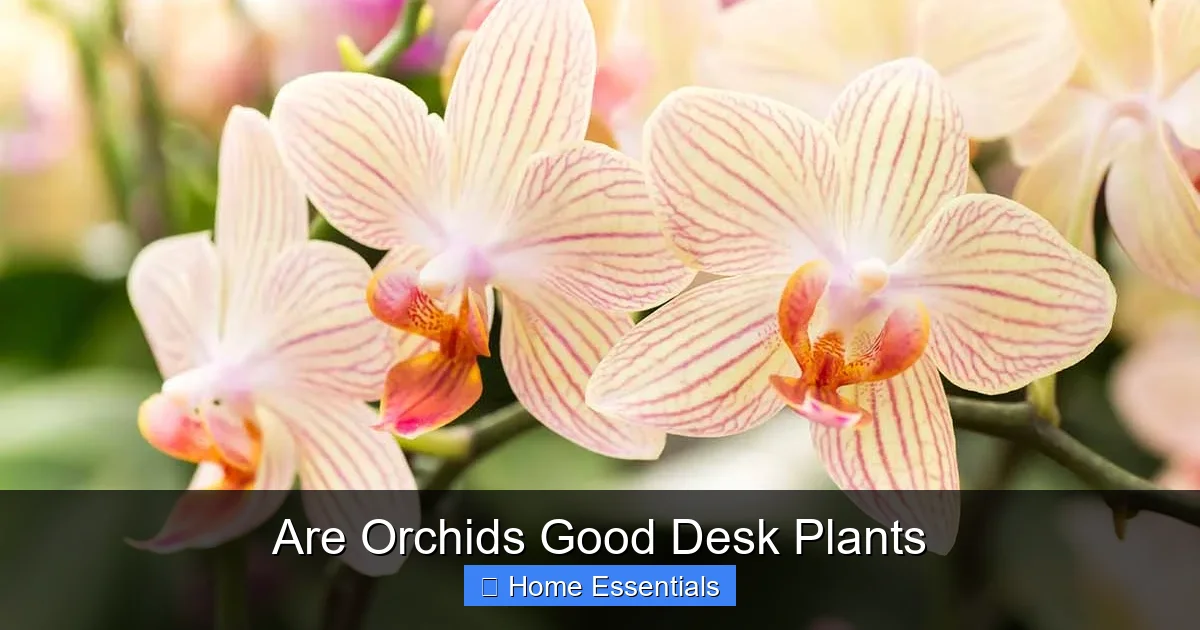
Before we talk desks, we need a quick primer. The word “orchid” covers over 25,000 species. For your desk, you’ll almost certainly be dealing with a Phalaenopsis (the classic “moth orchid”) or maybe a Dendrobium. These are epiphytes—in nature, they grow on trees, not in soil. Their roots are thick, silvery-green, and designed to absorb moisture from the air. This root structure is the single biggest reason orchid care feels so alien. They need air around their roots, which is why they come planted in chunky bark or moss, not potting soil.
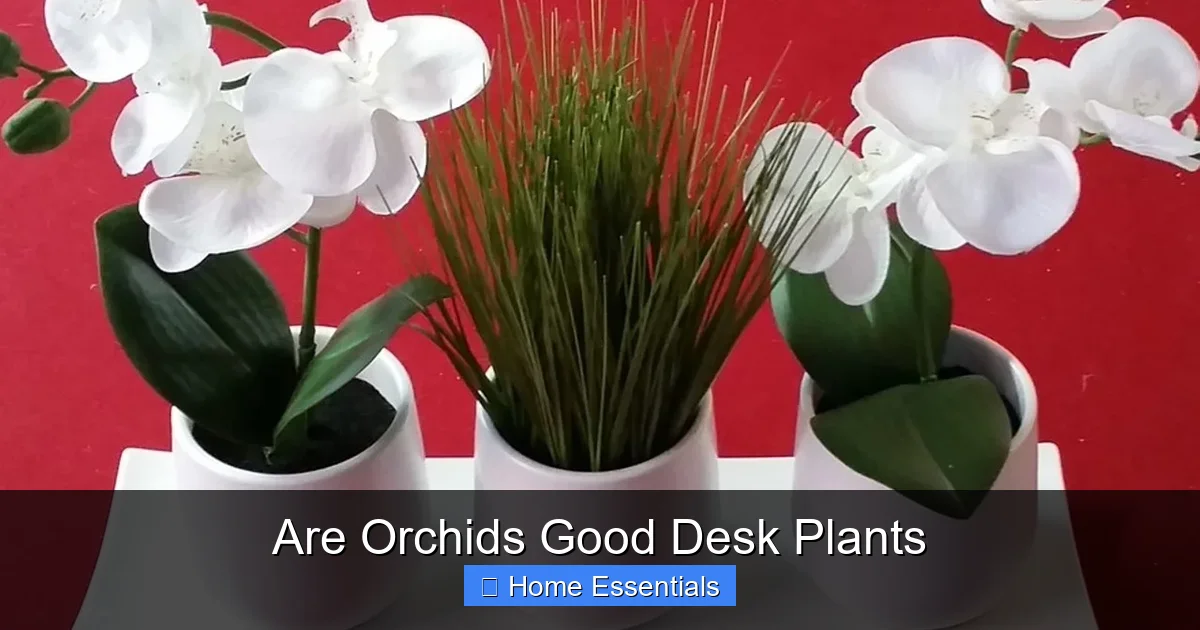
Visual guide about Are Orchids Good Desk Plants
Image source: cdn.pixabay.com
The Right Variety for Your Workspace
If you’re considering an orchid for your desk, stick with the Phalaenopsis. It’s the undisputed champion for beginners and indoor settings. Why? It has a long bloom period (often 2-4 months), tolerates the lower light of an office environment better than many orchids, and is more forgiving of occasional watering mistakes. Other varieties like Cattleyas need more intense light and are less forgiving. For a desk, simplicity is key.
Light: The Non-Negotiable Factor for Desk Success
Here’s the first major hurdle. Orchids need bright, indirect light to bloom and thrive. That doesn’t mean a sunny windowsill (direct sun will scorch their leaves), but it does mean a spot where they can see the sky for most of the day. A north or east-facing window is ideal. A south or west window works if you filter the light with a sheer curtain.
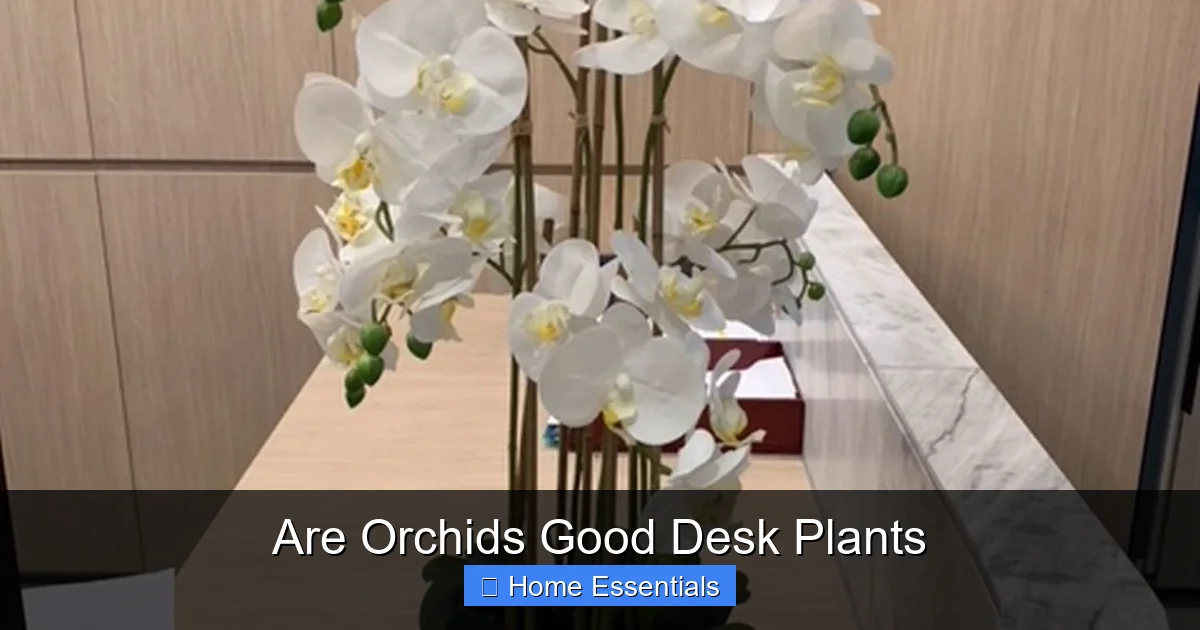
Visual guide about Are Orchids Good Desk Plants
Image source: artificialplants.com.au
When Your Desk Is in a Dim Cubicle
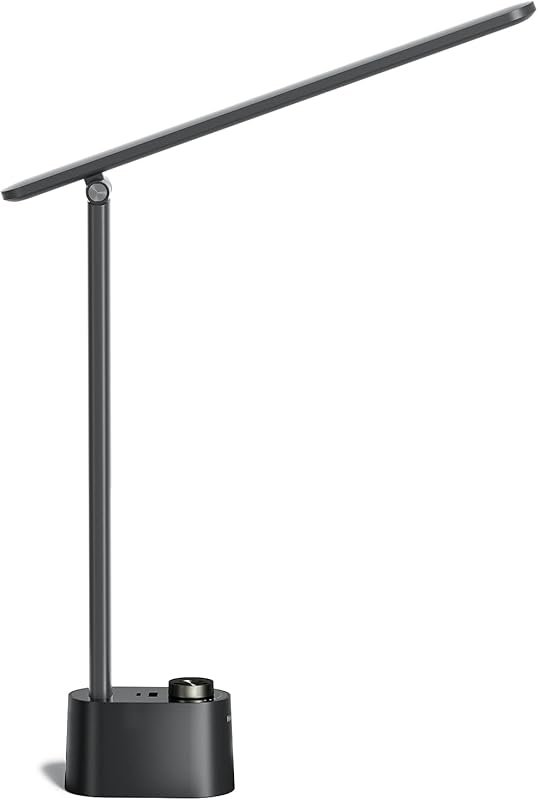
What if your desk is in the interior of an office, far from any window? This is the make-or-break scenario. Without sufficient light, an orchid will survive but will never rebloom. Its leaves may stay a dark, healthy green, but you’ll be growing a leafy green plant, not a flowering one. For these situations, you must consider artificial lighting. A dedicated full-spectrum grow light is the best solution. Many gardeners now use stylish, compact LED panels that clip onto shelves or sit discreetly behind the monitor. When choosing a light, look for one that is energy efficient to keep your electricity bill and environmental impact low. Some modern options even mimic sunrise and sunset cycles, which can be beneficial for the plant’s rhythm.
Watering and Humidity: The Art of the Tightrope Walk
This is where most orchid desk dreams go to die. The cardinal rule: do not water on a schedule. Water when the potting medium (bark) is almost dry. For a typical office environment, this might mean watering every 7-10 days in summer and every 2-3 weeks in winter. The “ice cube method” (placing 2-3 ice cubes on the bark once a week) is a popular tip for a reason—it provides a slow, measured melt that waters the roots without oversaturating the medium. It’s a great hack for the desk where you might forget.
Beating the Dry Office Air
Office air is often as dry as a desert due to air conditioning and heating. Orchids crave 40-60% humidity. Solutions are simple: group plants together to create a microclimate, use a small pebble tray (a dish with pebbles and water under the pot), or use a personal humidifier on your desk for a few hours a day. A light misting of the leaves (not the flowers) in the morning can also help, but don’t overdo it—good air circulation is crucial to prevent fungal issues.
The Patience Factor: Bloom Cycles and the Dreaded Dormancy
Here’s the truth bomb: your orchid will not bloom all year. After a glorious 2-4 month show, the flowers will fade and drop. The plant enters a dormancy period—a necessary rest where it focuses on growing new leaves and roots. This can last 6-9 months. During this time, it looks, for all intents and purposes, like a plain green plant. This is completely normal. The key is to adjust care: reduce watering slightly, stop fertilizing, and keep providing bright light. The reward for your patience is a new flower spike, often in the winter, triggered by a drop in nighttime temperatures. This cycle is why an orchid is a long-term desk companion, not a temporary decoration.
Beyond Survival: The Unique Rewards of a Thriving Orchid
So why would anyone choose this path? Because the payoff is unique. A healthy, blooming orchid on your desk is more than a plant; it’s a living sculpture. The intricate structure of the blooms feels like a piece of natural art. Watching a new flower spike emerge, slowly growing and swelling before unfurling into exotic blossoms, provides a tangible link to the slow, steady rhythms of nature in a fast-paced digital world. This process fosters a sense of care, observation, and quiet accomplishment. Psychologically, caring for a living thing at your workspace can reduce stress, improve air quality slightly, and make your personal environment feel more welcoming and “yours.” It’s a statement of nurturing a complex, beautiful life amidst spreadsheets and emails.
Common Pitfalls and Honest Alternatives
Let’s be real. An orchid is not for everyone. If your lifestyle involves frequent travel, inconsistent attention, or a truly dark workspace, you are setting yourself up for frustration. The most common pitfalls are overwatering (leading to root rot, the #1 killer) and insufficient light (leading to no blooms and eventual decline). The signs are often subtle: leaves turning yellow or mushy (overwatering), or dark, limp leaves with no new growth (light starvation).
When to Choose a More Forgiving Desk Plant
If the orchid care regimen feels like too much of a commitment, that’s a perfectly valid conclusion. There are spectacular desk plants that offer greenery with a fraction of the effort. The Snake Plant (Sansevieria) thrives on neglect, tolerates low light, and is nearly indestructible. The ZZ Plant (Zamioculcas zamiifolia) is similar, with glossy, dark leaves that add sophistication. A Pothos vine cascades beautifully from a high shelf with only weekly watering. These plants provide the biophilic benefits without the anxiety of a bloom cycle. Choosing one of these is a smart, sustainable choice for a low-maintenance workspace.
Comparing Orchids to Other Popular Desk Plants
To make the decision crystal clear, here’s a practical comparison. This table breaks down the core commitments of an orchid versus three common, easier desk plants.
| Plant Type | Light Needs | Watering Frequency | Maintenance Level | Bloom Potential |
|---|---|---|---|---|
| Phalaenopsis Orchid | Bright, indirect light | When bark is almost dry (7-21 days) | High | Yes, seasonal (2-4 months) |
| Snake Plant | Low to bright indirect | Every 3-6 weeks (let dry completely) | Very Low | Rarely indoors |
| ZZ Plant | Low to medium indirect | Every 3-4 weeks (let dry completely) | Very Low | No |
| Pothos | Medium indirect | When top inch of soil is dry (~1 week) | Low | No (grown for foliage) |
Conclusion: Are Orchids Good Desk Plants For YOU?
So, we return to the central question. Are orchids good desk plants? The answer is a qualified, thoughtful “yes, but…”
They are good if you:
- Have a desk spot with consistent, bright, indirect light (or are willing to install a supplemental energy-efficient grow light).
- Enjoy learning a specific routine and observing plant processes.
- Are patient and can appreciate the plant during its long, green, non-blooming dormancy.
- Are willing to check on it weekly rather than monthly.
They are not good if you:
- Have a dimly lit workspace with no light adjustment options.
- Prefer “set it and forget it” greenery.
- Want constant, year-round color without a rest period.
- Travel frequently and cannot arrange consistent care.
An orchid on your desk is a quiet dialogue between you and nature. It asks for attention, not constant fuss. It rewards specificity with spectacular beauty. It’s a commitment, not a decoration. If that sounds like a relationship you want to cultivate, then yes—an orchid can be a profoundly good desk plant. If it sounds like a source of stress, your best desk plant is the one that survives and thrives with the care you can consistently give. That’s not failure; that’s wisdom. And when it comes to plants at your workspace, that wisdom is what truly makes your desk feel like home.
Frequently Asked Questions
Are orchids good desk plants?
Yes, orchids can be excellent desk plants for those who appreciate their beauty and are willing to provide specific care. Their elegant blooms add a sophisticated touch to any workspace, but they do require attention to light and watering to thrive long-term.
Do orchids need direct sunlight on a desk?
No, orchids generally prefer bright, indirect light and should be shielded from harsh direct sunlight, which can scorch their leaves. An east or north-facing window, or a spot a few feet from a south or west window, is often ideal for a desk placement.
Are orchids hard to care for as office plants?
Orchids have a reputation for being finicky, but many common varieties like Phalaenopsis are quite manageable with the right routine. The main challenges are avoiding overwatering and ensuring they get sufficient humidity and appropriate light, making them moderate-care plants.
Are orchids safe for pets if kept on a desk?
Yes, most popular orchid varieties, including Phalaenopsis, are considered non-toxic to cats and dogs by the ASPCA, making them a safer choice for pet-friendly offices or home desks. However, it’s still best to keep pets from digging in the potting media.
How long do orchids live as desk plants?
With proper care, orchids can live for many years, often outlasting their initial bloom cycle. The key to longevity is replicating their native environment with correct watering, fertilizing, and providing a rest period after flowering to encourage future reblooming.
Are orchids better than succulents as desk plants?
Orchids and succulents have different care needs; orchids typically require more attention to humidity and watering technique but offer dramatic, long-lasting flowers. Succulents are far more drought-tolerant and low-maintenance, making orchids a choice for enthusiasts over absolute beginners.