Are Silicone Toilet Brushes Any Good
Silicone toilet brushes are gaining popularity for their modern look and easy cleanup, but are they actually effective at keeping your toilet clean and hygienic? In this article, we’ll explore the pros and cons of silicone toilet brushes, comparing them to traditional options to help you decide if they’re a smart upgrade for your bathroom. From durability and cleaning power to odor control and environmental impact, we’ve got all the details you need.
Are Silicone Toilet Brushes Any Good?
You’ve probably seen them—those sleek, modern toilet brushes with soft silicone bristles and minimalist stands. They look clean, they’re easy to store, and they seem to promise a new level of bathroom hygiene. But here’s the real question: Are silicone toilet brushes actually any good?
Let’s be honest—keeping your toilet clean isn’t the most glamorous part of bathroom maintenance. But it’s important. A dirty brush can spread germs, leave streaks, and even cause unpleasant odors. So when a new product comes along promising better cleaning and less hassle, it’s tempting to give it a try.
Silicone toilet brushes have surged in popularity over the past few years. They’re marketed as a hygienic, easy-to-clean alternative to traditional plastic or metal brushes. But with so many options on the market, it’s hard to know which ones are worth your money—or your time.
In this article, we’ll break down everything you need to know about silicone toilet brushes. We’ll talk about how they work, how well they clean, whether they’re actually more hygienic, and how they stack up against other types of brushes. By the end, you’ll have a clear answer: Are silicone toilet brushes any good?
What Makes Silicone Toilet Brushes Different?
Before we dive into whether they’re effective, let’s talk about what makes silicone toilet brushes different from the ones you might have used before.
Traditional toilet brushes usually have stiff bristles made of nylon or a similar material, attached to a plastic or metal handle. They can trap dirt, hair, and bacteria in the bristles, especially if they’re not cleaned properly. Over time, the bristles can also fray, making them less effective and harder to clean.
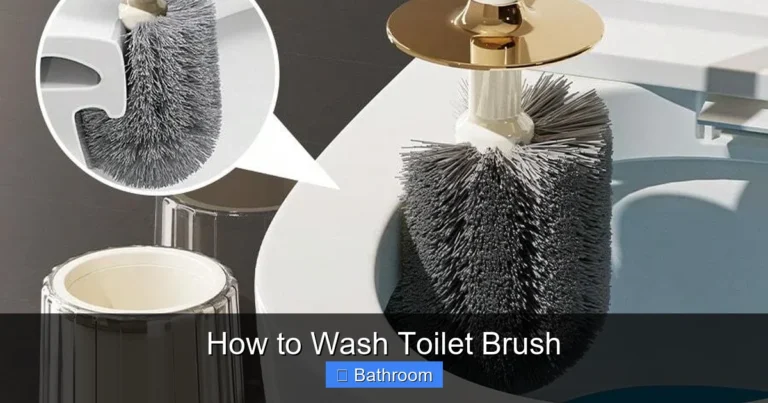
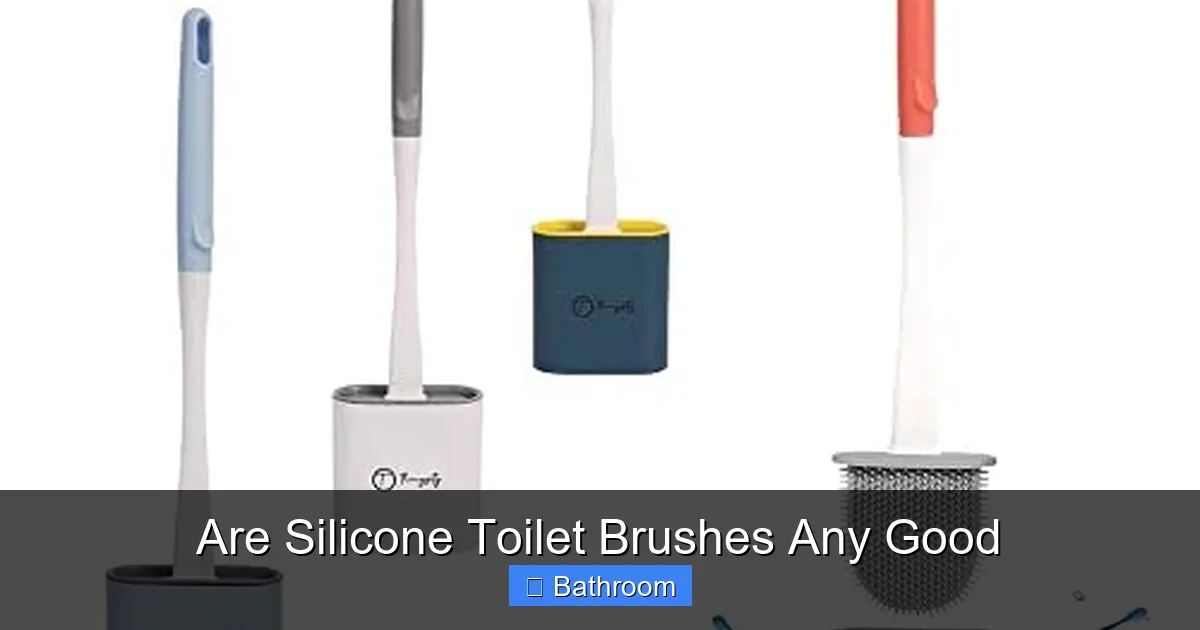
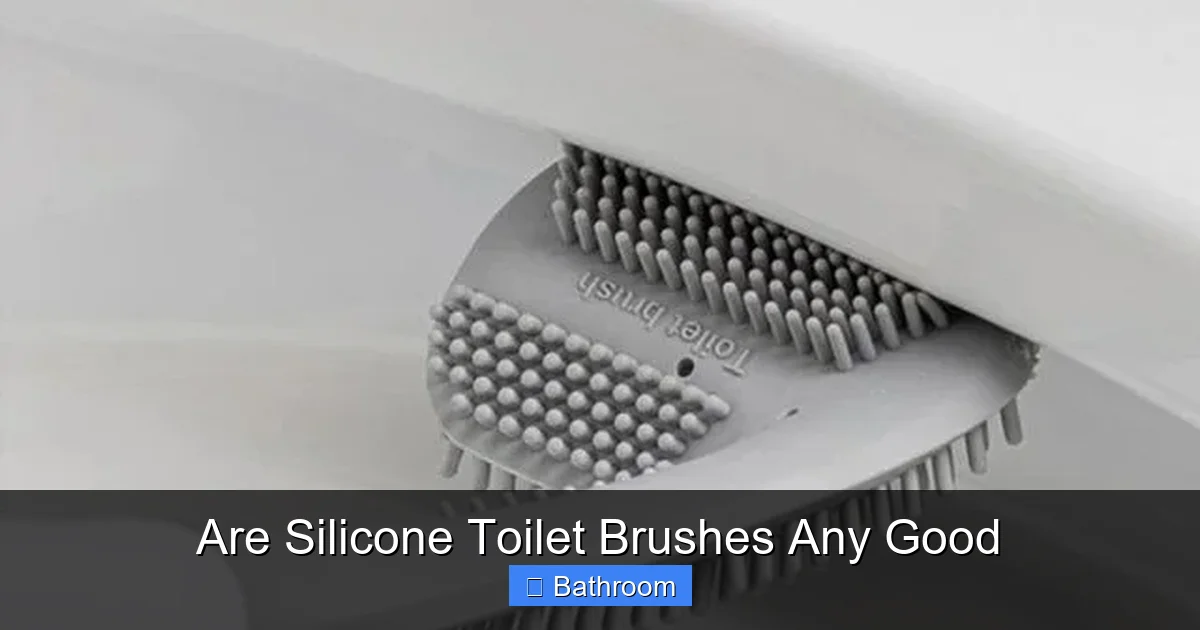
Silicone toilet brushes, on the other hand, use soft, flexible silicone bristles. These bristles are smooth and non-porous, meaning they don’t absorb moisture or trap grime as easily. The handles are often made of silicone too, which makes them lightweight, easy to grip, and resistant to water damage.
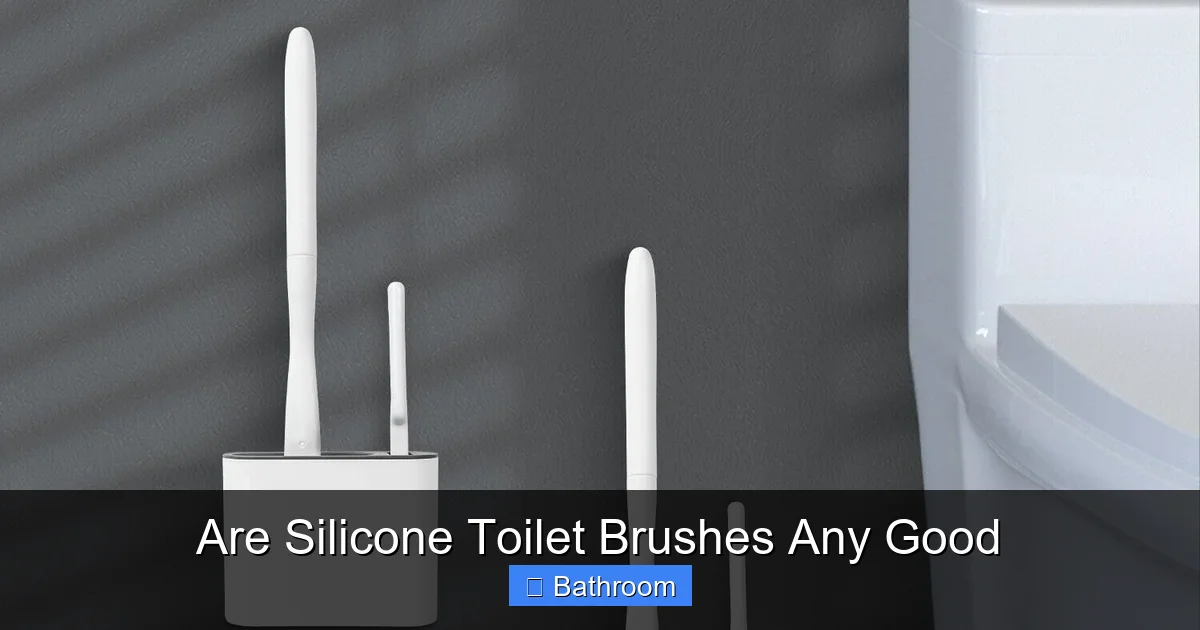
Many models also come with a stand that allows the brush to sit upright, so the bristles don’t touch the bathroom floor. This might seem like a small detail, but it can make a big difference in keeping your brush—and your toilet—cleaner.
The Pros and Cons of Silicone Toilet Brushes
Like any product, silicone toilet brushes come with their own set of advantages and disadvantages. Let’s look at the main pros and cons so you can decide if they’re right for you.
Key Takeaways
- Hygiene and Cleaning Power: Silicone bristles are non-porous, making them less likely to harbor bacteria than traditional bristles. However, their effectiveness depends on proper use and cleaning.
- Durability and Longevity: Silicone is generally more resistant to cracking and warping than plastic, but bristles can still wear out over time, especially with frequent use.
- Ease of Cleaning: One of the biggest advantages is how simple it is to rinse and sanitize silicone brushes—just scrub under running water and wipe dry.
- Odor Resistance: Silicone doesn’t absorb moisture or smells like some plastic or metal brushes, helping keep your bathroom smelling fresh longer.
- Environmental Impact: While silicone is more durable, it’s not biodegradable, so consider sustainability when choosing between silicone, plastic, or metal brushes.
- Design and Usability: Many silicone brushes come with sleek, modern handles and non-slip grips, making them both functional and stylish in your bathroom.
- Price and Value: They’re often more affordable than high-end metal brushes and can last longer than cheap plastic ones, offering good value over time.
📑 Table of Contents
- Hygiene and Cleaning Power
- Durability and Longevity
- Ease of Cleaning
- Odor Resistance
- Design and Aesthetics
- Environmental Impact
- Price and Value
- How to Choose the Best Silicone Toilet Brush
- Tips for Using and Maintaining Your Silicone Toilet Brush
- Silicone Toilet Brushes vs. Other Types
- Final Verdict: Are Silicone Toilet Brushes Any Good?
Hygiene and Cleaning Power
One of the biggest selling points for silicone toilet brushes is their potential to be more hygienic. Because silicone is non-porous, it doesn’t absorb water or harbor bacteria the way traditional bristles can. This makes it easier to clean and less likely to become a breeding ground for germs.
However, just because a brush is made of silicone doesn’t mean it’s immune to bacteria. If you don’t clean it regularly, bacteria can still build up—especially in the crevices of the bristles or on the handle. The key is consistent cleaning and proper storage.
As for cleaning power, silicone bristles are softer than traditional ones. This means they’re less likely to scratch your toilet bowl, but they may also be less effective at scrubbing away tough stains or mineral deposits. For most everyday cleaning, they’re perfectly adequate. But if you have a heavily soiled toilet, you might need something with a bit more grit.
Durability and Longevity
Visual guide about Are Silicone Toilet Brushes Any Good
Image source: cdn.spruceup.co.uk
Silicone is a surprisingly tough material. It’s flexible, resistant to cracking, and doesn’t warp like some plastics. This means that, in general, silicone toilet brushes tend to last longer than cheap plastic brushes.
That said, the bristles themselves can wear out over time. With daily use, the tips of the silicone bristles may flatten or break down, reducing their cleaning effectiveness. Most people find they need to replace their silicone brush every 6 to 12 months, depending on how often it’s used.
It’s also worth noting that not all silicone brushes are created equal. Cheaper models may use lower-quality silicone that becomes brittle or discolors after a few months. Investing in a well-reviewed, high-quality brush can make a big difference in how long it lasts.
Ease of Cleaning
Visual guide about Are Silicone Toilet Brushes Any Good
Image source: static-01.daraz.lk
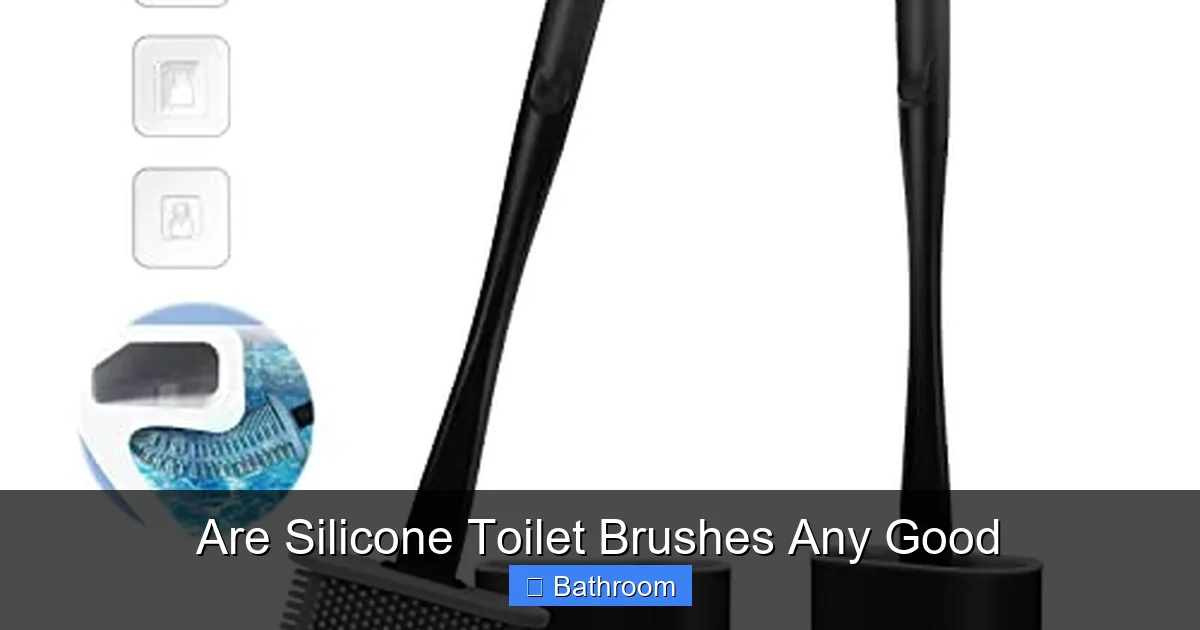
This is where silicone toilet brushes really shine. Because the bristles are smooth and non-porous, cleaning them is a breeze. Most people can clean their brush in under 10 seconds—just rinse under hot water, use a bit of dish soap, and wipe dry with a paper towel or cloth.
Some models even come with a built-in cleaning tool or a self-cleaning mechanism. For example, some brushes have a rotating head that spins to remove excess water and debris, making them even easier to keep clean.
This ease of cleaning is a major advantage over traditional brushes, which often require scrubbing with a brush or soaking in disinfectant to get the bristles clean. With a silicone brush, you’re less likely to skip cleaning because it’s too much hassle.
Odor Resistance
Visual guide about Are Silicone Toilet Brushes Any Good
Image source: hirix.co.uk
Have you ever opened your bathroom cabinet to find a musty smell coming from your toilet brush? That’s a common issue with traditional brushes, especially if they’re stored in a wet stand or left to sit in water.
Silicone brushes are much better at resisting odors. Because they don’t absorb moisture, they’re less likely to develop a funky smell—even if they’re left in a stand overnight. This makes them a great choice for people who want a fresher-smelling bathroom.
Just remember: even silicone brushes can start to smell if they’re not cleaned regularly. So while they’re more resistant to odors, they’re not immune to them.
Design and Aesthetics
Let’s talk about looks. Silicone toilet brushes often come in modern, minimalist designs that look great in contemporary bathrooms. They’re available in a wide range of colors and finishes, from matte black to soft pastels.
Many models also feature a sleek stand that keeps the brush upright and off the bathroom floor. This not only looks cleaner but also helps prevent the bristles from touching potentially contaminated surfaces.
The lightweight, soft-touch handles are another plus. They’re comfortable to hold and reduce the risk of slipping, even when your hands are wet.
If you care about how your bathroom looks, a silicone toilet brush can be a stylish upgrade that also serves a practical purpose.
Environmental Impact
Sustainability is becoming more important to consumers, and silicone toilet brushes have a mixed environmental profile.
On the plus side, silicone is more durable than many plastics, so you may not need to replace your brush as often. This reduces waste over time. Some brands also use recyclable packaging and offer replacement bristles, which can extend the life of the product.
On the downside, silicone is not biodegradable. At the end of its life, it will likely end up in a landfill, where it may take decades to break down. If you’re trying to reduce your plastic footprint, you might want to consider alternatives like bamboo or metal brushes.
That said, many people find that the longevity of a silicone brush makes up for its environmental impact. It’s a trade-off between durability and sustainability.
Price and Value
Silicone toilet brushes are generally affordable, with prices ranging from $10 to $30 depending on the brand and features. Compared to high-end metal brushes, they’re a budget-friendly option.
When you factor in how long they last and how easy they are to clean, many people find they offer excellent value. You’re not just paying for the brush—you’re paying for convenience, hygiene, and style.
That said, be wary of extremely cheap models. Some may use low-quality silicone or flimsy handles, which won’t last long. It’s worth investing a little more to get a durable, well-designed brush.
How to Choose the Best Silicone Toilet Brush
With so many options on the market, how do you choose the best silicone toilet brush for your bathroom?
Look for Quality Materials
Choose a brush made from high-quality, food-grade silicone. This ensures it’s non-toxic, durable, and safe to use around your toilet. Avoid brushes with a rubbery or sticky feel—this could indicate low-quality material.
Consider the Stand Design
A good stand should allow the brush to drain properly and keep the bristles off the bathroom floor. Some stands have a self-cleaning feature or a water reservoir that helps rinse the bristles as you use them.
Check the Bristle Firmness
Soft silicone bristles are great for preventing scratches, but they may not clean as aggressively as stiffer ones. Look for a balance—bristles that are firm enough to clean effectively but gentle enough to protect your toilet bowl.
Read Reviews
Customer reviews can give you a real sense of how well a brush performs over time. Pay attention to comments about durability, ease of cleaning, and whether the brush develops odors.
Think About Storage
If you have a small bathroom, consider a brush with a compact stand. If you have more space, you might prefer a model with extra features like a built-in cleaner or a larger water reservoir.
Look for Replaceable Parts
Some high-end models allow you to replace just the bristles, which can extend the life of the brush and save money in the long run.
Tips for Using and Maintaining Your Silicone Toilet Brush
Even the best silicone toilet brush won’t last long if you don’t use and clean it properly. Here are some tips to help you get the most out of your brush:
Clean It Daily
After each use, rinse the brush under hot water and wipe it dry. This prevents bacteria from building up and keeps your brush smelling fresh.
Use a Brush Cleaner
Occasionally, give your brush a deeper clean using a mild disinfectant or a brush cleaner. Soak it for a few minutes, then rinse thoroughly.
Replace When Needed
Don’t wait until the bristles are completely worn out. Replace your brush every 6 to 12 months, or sooner if you notice reduced cleaning power or a change in smell.
Store It Properly
Make sure the brush is stored upright and allowed to dry completely. Avoid leaving it in a wet stand for long periods, even though silicone is moisture-resistant.
Don’t Share It
Just like toothbrushes, toilet brushes should never be shared. This helps prevent the spread of germs.
Keep It Out of Direct Sunlight
Prolonged exposure to sunlight can cause silicone to yellow or degrade over time. Store your brush in a shaded area if possible.
Silicone Toilet Brushes vs. Other Types
How do silicone brushes stack up against other popular types of toilet brushes?
Silicone vs. Plastic
Plastic brushes are usually cheaper upfront, but they’re more prone to cracking, warping, and harboring bacteria. Silicone brushes are more durable and easier to clean, making them a better long-term investment.
Silicone vs. Metal
Silicone vs. BambooBamboo brushes are eco-friendly and stylish, but they can absorb moisture and develop mold if not dried thoroughly. Silicone brushes are more hygienic and require less maintenance, though they’re less sustainable.
Silicone vs. Self-Cleaning Brushes
Some brushes come with built-in cleaning systems that spray water or use UV light to disinfect. While convenient, these often require batteries or frequent refills. Silicone brushes are simpler and don’t need extra power, making them more reliable for daily use.
Final Verdict: Are Silicone Toilet Brushes Any Good?
So, after all that, are silicone toilet brushes any good?
The answer is yes—they’re a solid choice for most people. They’re easy to clean, resistant to odors, and gentle on your toilet bowl. They’re also stylish, durable, and reasonably priced. For anyone looking to upgrade their bathroom hygiene routine, a silicone toilet brush is definitely worth considering.
That said, they’re not perfect. They may not be as aggressive at cleaning tough stains as a metal brush, and they’re not biodegradable. But for everyday cleaning and maintenance, they offer a lot of value.
If you’re tired of dealing with smelly, hard-to-clean brushes, a high-quality silicone toilet brush could be the solution you’ve been looking for.
Frequently Asked Questions
Are silicone toilet brushes better than plastic ones?
Yes, silicone toilet brushes are generally better than plastic ones because they’re more durable, easier to clean, and less likely to harbor bacteria. They also resist cracking and warping over time.
How often should I clean my silicone toilet brush?
You should rinse your silicone toilet brush under hot water and wipe it dry after each use. Once a week, give it a deeper clean with a mild disinfectant.
Can silicone toilet brushes scratch toilets?
No, silicone bristles are soft and non-abrasive, making them safe for use on porcelain and most toilet bowls without causing scratches.
Do silicone toilet brushes smell?
Not usually. Because silicone is non-porous, it doesn’t absorb moisture or odors. However, if not cleaned regularly, bacteria can still grow and cause a smell.
How long do silicone toilet brushes last?
With proper care, a silicone toilet brush typically lasts 6 to 12 months. Replace it when the bristles flatten or lose their shape.
Are silicone toilet brushes eco-friendly?
Silicone is more durable than many plastics, reducing waste over time. However, it’s not biodegradable, so it’s not the most sustainable option compared to bamboo or metal brushes.