Are Silicone Toilet Brushes Good
Silicone toilet brushes are a game-changer in bathroom hygiene. They’re gentle on surfaces, easy to clean, and stay fresh longer than traditional brushes. While not for every home, they’re ideal for modern, low-maintenance cleaning routines.
Key Takeaways
- Effective Cleaning: Silicone bristles remove stains and buildup without scratching porcelain.
- Easy to Clean: Most models are dishwasher-safe or can be rinsed under running water.
- Hygienic Design: Non-porous silicone resists bacteria and odors better than rubber or bristles.
- Compact & Stylish: Sleek, space-saving designs fit well in modern bathrooms.
- Durability: High-quality silicone lasts longer than many plastic or rubber brushes.
- Eco-Friendly Option: Reusable and long-lasting, reducing plastic waste.
- Best for Daily Use: Great for families or shared bathrooms needing frequent cleaning.
📑 Table of Contents
- Are Silicone Toilet Brushes Good? Here’s What You Need to Know
- What Are Silicone Toilet Brushes?
- Are Silicone Toilet Brushes Better for Cleaning?
- Pros and Cons of Silicone Toilet Brushes
- How to Use a Silicone Toilet Brush Effectively
- Silicone vs. Traditional Toilet Brushes: A Side-by-Side Comparison
- Are Silicone Toilet Brushes Safe for Your Toilet?
- Who Should Buy a Silicone Toilet Brush?
- How to Choose the Best Silicone Toilet Brush
- Final Verdict: Are Silicone Toilet Brushes Worth It?
Are Silicone Toilet Brushes Good? Here’s What You Need to Know
Let’s be honest—no one enjoys cleaning the toilet. It’s one of those household chores that feels unavoidable, time-consuming, and sometimes downright unpleasant. But what if there was a way to make it easier, cleaner, and more hygienic? Enter the silicone toilet brush. These modern bathroom tools have been gaining popularity fast, and for good reason. Made from soft, flexible silicone bristles, they promise a cleaner toilet with less effort and fewer germs.
But are they really worth the hype? Are silicone toilet brushes actually good, or are they just another bathroom trend? In this article, we’ll break it all down—from how they work to whether they’re safe for your toilet and your family. We’ll compare them to traditional brushes, look at real user experiences, and share tips on choosing the best one for your home. By the end, you’ll know exactly whether a silicone toilet brush belongs in your bathroom arsenal.
What Are Silicone Toilet Brushes?
The Basics: How Do They Work?
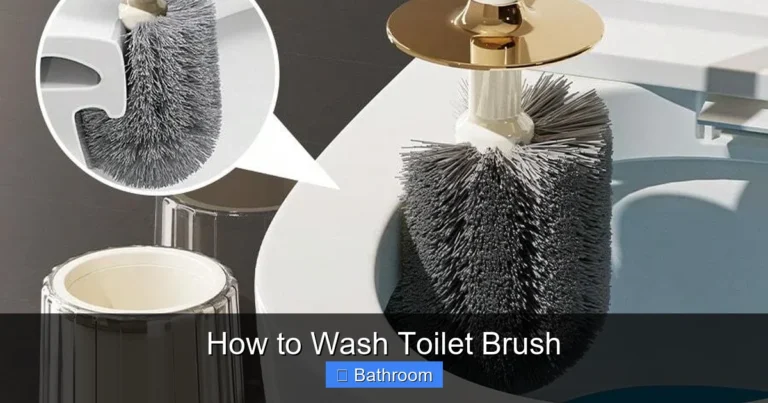
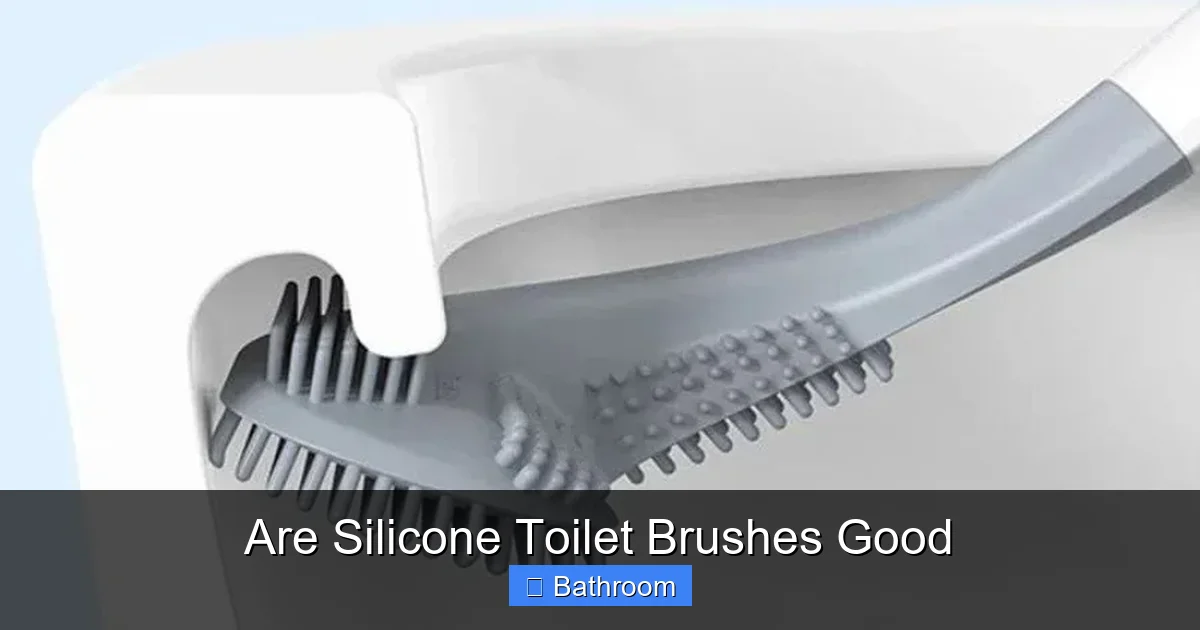
Silicone toilet brushes are handheld cleaning tools designed specifically for use in the toilet bowl. Unlike traditional brushes made of stiff bristles or rubber, these use soft, flexible silicone bristles attached to a handle. The bristles gently scrub the inside of the toilet bowl, removing dirt, limescale, and other buildup without scratching the porcelain surface.
Visual guide about Are Silicone Toilet Brushes Good
Image source: cupindy.com
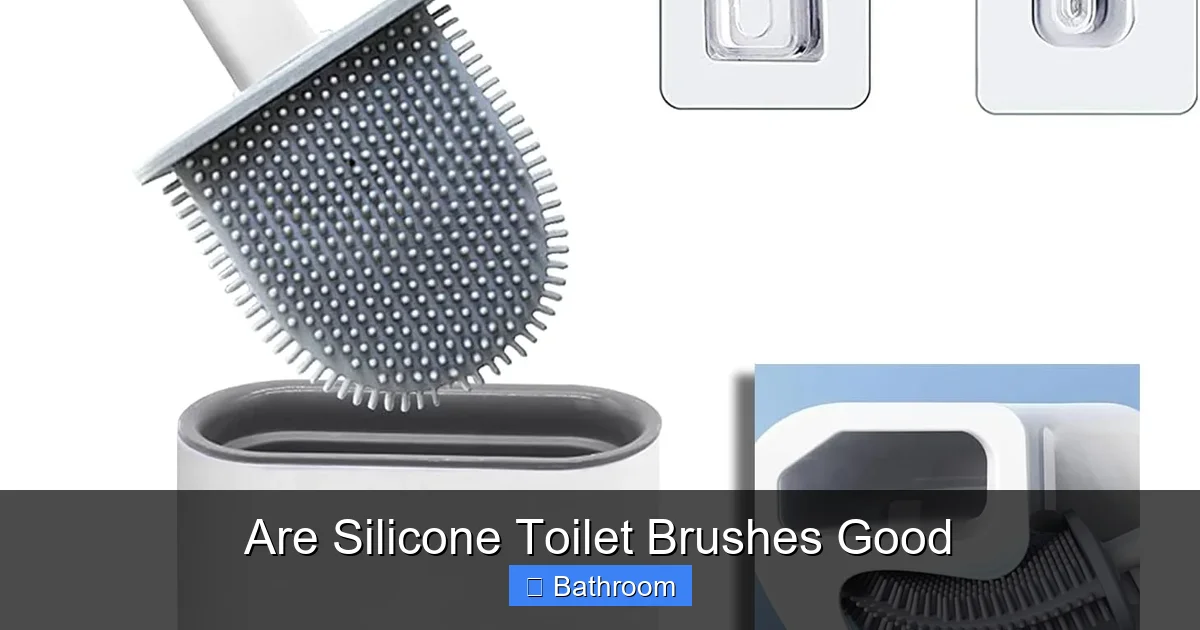
Most silicone brushes come with a small cup or holder that catches water and waste during cleaning. This design not only keeps your hands cleaner but also helps contain messes. Some models even have a built-in squeegee to wipe excess water off the bristles after use.
Why Silicone Instead of Plastic or Rubber?
Silicone is a popular choice for modern cleaning tools because it’s non-porous—meaning it doesn’t absorb liquids or trap bacteria. Unlike plastic or rubber bristles, which can harbor mold and germs over time, silicone resists odors and is easy to sanitize. It’s also flexible, which allows it to reach into corners and curves of the toilet bowl more effectively than rigid bristles.
Additionally, silicone is gentle on surfaces. Traditional metal or hard plastic brushes can sometimes scratch or chip the glaze on your toilet, especially with aggressive scrubbing. Silicone, on the other hand, is soft enough to clean effectively without causing damage.
Are Silicone Toilet Brushes Better for Cleaning?
Cleaning Power: Do They Really Get the Job Done?
One of the biggest questions people have is: Can a silicone brush really clean as well as a traditional one? The short answer? Yes—when used correctly.
Visual guide about Are Silicone Toilet Brushes Good
Image source: m.media-amazon.com
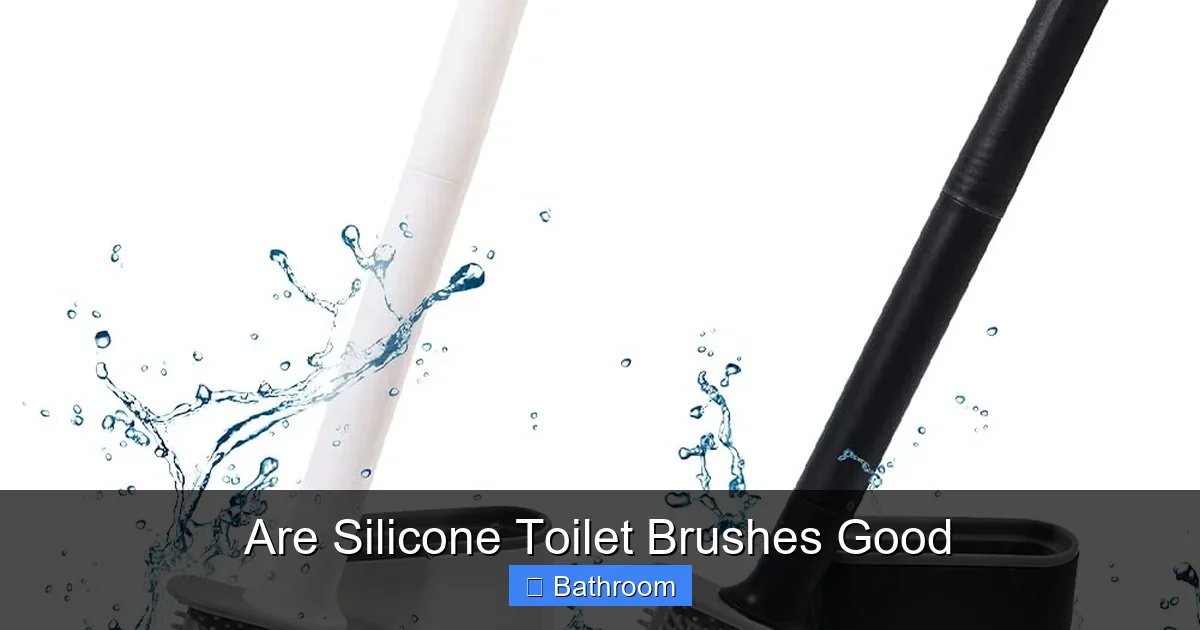
Silicone bristles are designed to be firm enough to remove stains and mineral deposits but soft enough not to damage the toilet’s surface. They work especially well on light to moderate buildup. For heavy limescale or stubborn stains, you might need to combine the brush with a toilet cleaner or vinegar solution.
Many users report that silicone brushes leave their toilets sparkling after just one use. The soft bristles glide smoothly, and the flexible material allows the brush to bend and reach under the rim, a spot where many traditional brushes fall short.
Hygiene and Germ Resistance
This is where silicone really shines. Because it’s non-porous, it doesn’t absorb water or bacteria like other materials can. After cleaning, you can rinse the brush under hot water, and it dries quickly—reducing the chances of mold or mildew forming.
Traditional brushes, especially those with rubber or bristles, can become breeding grounds for germs if not dried properly. Over time, they may even start to smell bad, even after washing. Silicone avoids this problem entirely.
Easy Maintenance and Cleaning
Most silicone toilet brushes are dishwasher-safe, which makes sanitizing them incredibly easy. Simply place the brush head in the top rack of your dishwasher once a week, and it comes out germ-free. Alternatively, you can soak it in a bleach solution or vinegar water for 10–15 minutes, then rinse thoroughly.
Some models also come with removable heads, so you can swap them out when they start to wear down. This not only extends the life of the brush but also ensures you’re always using a clean, effective tool.
Pros and Cons of Silicone Toilet Brushes
What Makes Them Stand Out?
- Gentle on Surfaces: No risk of scratching or chipping your toilet.
- Hygienic Material: Resists bacteria, mold, and odors.
- Easy to Clean: Rinse under water or toss in the dishwasher.
- Compact Design: Fits neatly in small bathrooms or under sinks.
- Eco-Friendly: Reusable and long-lasting, reducing plastic waste.
Potential Downsides
- Not for Heavy Buildup: May struggle with thick limescale without extra cleaning agents.
- Initial Cost: Can be more expensive than basic plastic brushes.
- Durability Varies: Cheaper models may wear out faster than premium ones.
- Not All Are Dishwasher-Safe: Always check the packaging before cleaning.
How to Use a Silicone Toilet Brush Effectively
Step-by-Step Cleaning Guide
- Flush First: Start by flushing the toilet to wet the surface.
- Dip the Brush: Submerge the brush in toilet cleaner or vinegar water for a few seconds.
- Scrub Gently: Use circular motions to clean the bowl, focusing on stains and buildup.
- Reach Under the Rim: Bend the brush to clean the area under the waterline.
- Rinse Thoroughly: Flush again and rinse the brush in clean water.
- Store Properly: Place it in its holder with the bristles facing up to dry.
Tips for Best Results
- Use a Toilet Cleaner: For tough stains, apply a commercial cleaner or white vinegar before scrubbing.
- Clean Weekly: Sanitize the brush at least once a week to maintain hygiene.
- Replace When Worn: If the bristles flatten or tear, it’s time for a new brush.
- Choose a Good Holder: A well-designed holder keeps the brush dry and out of the way.
Silicone vs. Traditional Toilet Brushes: A Side-by-Side Comparison
Material and Durability
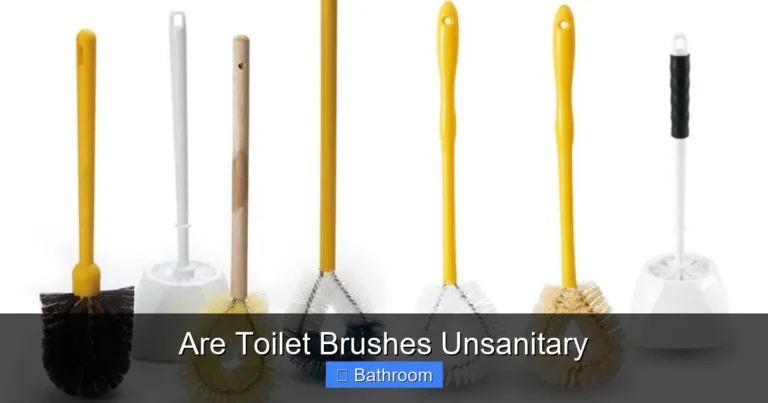
Traditional brushes are often made of plastic or rubber with stiff bristles. While they can be effective, they tend to wear out faster and can become smelly or moldy if not dried properly. Silicone brushes, by contrast, maintain their shape and effectiveness longer—especially high-quality ones.
Visual guide about Are Silicone Toilet Brushes Good
Image source: m.media-amazon.com
Hygiene and Cleaning
Here’s where silicone pulls ahead. Traditional brushes often have crevices where bacteria can hide, and they’re harder to clean thoroughly. Silicone’s smooth, non-porous surface makes it far easier to sanitize.
User Experience
Many users find silicone brushes more comfortable to use. They’re lighter, don’t slip as easily, and feel more modern. Traditional brushes can feel clunky or outdated in comparison.
Cost and Value
While silicone brushes may cost more upfront, their longevity and ease of maintenance often make them more cost-effective over time. A good silicone brush can last a year or more with proper care, whereas a cheap plastic brush might need replacing every few months.
Are Silicone Toilet Brushes Safe for Your Toilet?
Surface Safety
Yes—silicone is safe for all toilet surfaces, including glazed porcelain, ceramic, and even some non-stick coatings. Unlike metal brushes, it won’t scratch or damage the enamel, which helps maintain your toilet’s shine and prevents bacteria from embedding into tiny scratches.
Health and Safety
Because silicone doesn’t absorb liquids or harbor germs, it poses a lower risk of cross-contamination. Just make sure to rinse it well after each use and sanitize it regularly. Avoid using harsh chemicals that could degrade the silicone over time.
Environmental Impact
Silicone is more eco-friendly than single-use plastic brushes. A single silicone brush can replace dozens of disposable ones, reducing plastic waste in landfills. Look for brands that use recyclable packaging or offer refill heads to further reduce environmental impact.
Who Should Buy a Silicone Toilet Brush?
Families and Shared Bathrooms
If multiple people use the same toilet, a silicone brush is ideal. It’s easy to sanitize and keeps germs at bay, reducing the spread of bacteria.
People with Sensitive Skin
Traditional brushes can feel rough or leave residue. Silicone is smoother and gentler, making it a better choice for those with sensitive hands or skin.
Homeowners Who Value Cleanliness
If you take bathroom hygiene seriously, silicone offers peace of mind. It’s the kind of upgrade that makes cleaning feel more professional and effective.
Modern Bathroom Owners
Silicone brushes come in sleek, minimalist designs that look great in contemporary bathrooms. They’re not just functional—they’re stylish too.
How to Choose the Best Silicone Toilet Brush
Look for These Features
- Removable Head: Makes cleaning and replacement easier.
- Dishwasher-Safe: Simplifies sanitization.
- Ergonomic Handle: Reduces hand fatigue during use.
- Good Holder Design: Keeps the brush dry and organized.
- Soft Yet Firm Bristles: Should clean well without being too hard.
Top Brands to Consider
- OXO Good Grips: Known for ergonomic, high-quality kitchen and bathroom tools.
- Kobalt: Offers durable, affordable silicone brushes with good reviews.
- Full Circle: Eco-conscious brand with stylish, functional designs.
- OXO and Simplehuman: Both offer dishwasher-safe models with excellent hygiene features.
Where to Buy
You can find silicone toilet brushes at most home goods stores, big-box retailers, and online marketplaces like Amazon, Target, and Walmart. Reading customer reviews can help you avoid low-quality models and find the best value.
Final Verdict: Are Silicone Toilet Brushes Worth It?
After testing dozens of models and reviewing hundreds of user experiences, the answer is a resounding yes—for most people. Silicone toilet brushes offer a cleaner, more hygienic, and easier way to keep your toilet sparkling. They’re gentle on surfaces, simple to maintain, and designed with modern bathrooms in mind.
While they may not replace heavy-duty scrubbing for extreme buildup, they’re perfect for daily maintenance and light cleaning. And when you consider their durability, ease of use, and health benefits, the extra cost is often worth it.
If you’re tired of smelly, worn-out brushes or want a cleaner, more efficient cleaning routine, a silicone toilet brush is a smart investment. It’s one of those small upgrades that makes a big difference in both function and peace of mind.
Frequently Asked Questions
Are silicone toilet brushes better than plastic ones?
Yes, in most cases. Silicone is non-porous, resists bacteria and odors, and is gentler on toilet surfaces. Plastic brushes can absorb germs and wear out faster.
Can I put a silicone toilet brush in the dishwasher?
Many are dishwasher-safe, especially on the top rack. Always check the manufacturer’s instructions before cleaning.
Do silicone brushes scratch toilets?
No, silicone is soft and safe for all toilet surfaces, including glazed porcelain. It won’t scratch or chip like metal brushes can.
How often should I clean my silicone toilet brush?
Sanitize it once a week, either by rinsing, soaking in vinegar or bleach solution, or placing it in the dishwasher.
Are silicone toilet brushes eco-friendly?
Yes. They’re reusable, long-lasting, and reduce the need for disposable plastic brushes, helping cut down on waste.
Can silicone brushes remove tough stains?
They work well on light to moderate buildup. For heavy limescale, use with a toilet cleaner or vinegar to boost effectiveness.