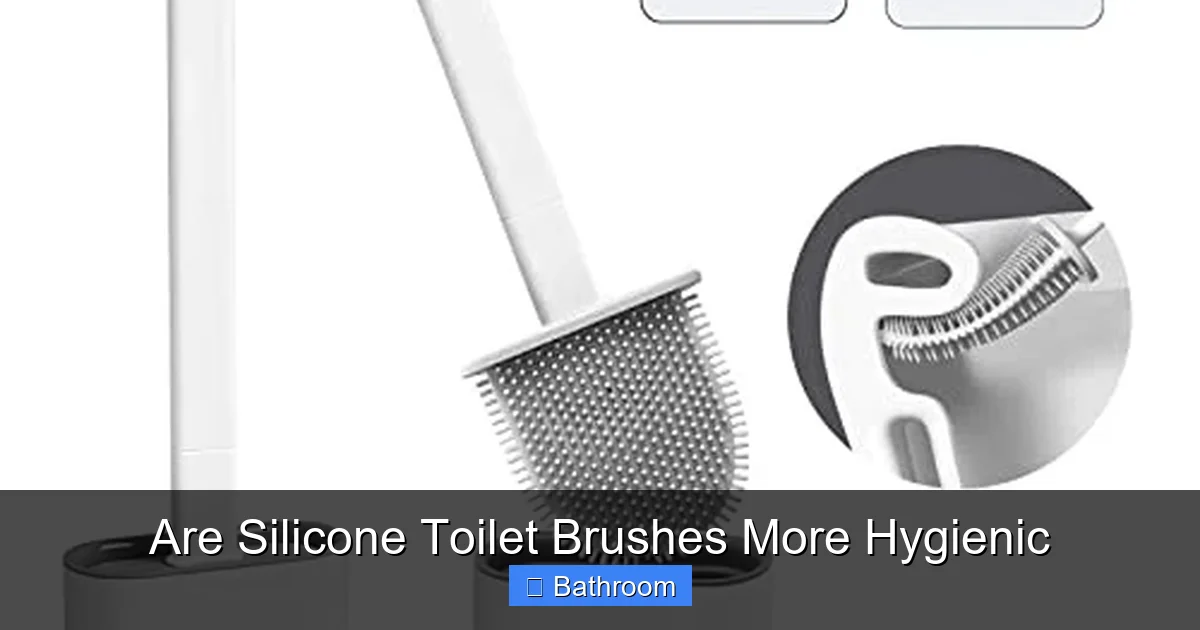
Are Silicone Toilet Brushes More Hygienic
Silicone toilet brushes may offer better hygiene than traditional brushes due to their non-porous, easy-to-clean surfaces. However, proper maintenance is key to preventing bacteria buildup. While they reduce mold and mildew risks, they’re not a substitute for regular deep cleaning.
Key Takeaways
- Non-porous surface: Silicone doesn’t absorb water or trap bacteria, making it less hospitable to germs compared to bristled brushes.
- Easy to clean: Most silicone brushes can be rinsed, wiped, or even boiled without damage, reducing the chance of biofilm buildup.
- Reduced mold risk: Unlike natural or synthetic bristles, silicone resists mold and mildew, especially in humid bathrooms.
- Not completely sterile: Even silicone can harbor bacteria if not cleaned regularly or stored improperly.
- Better for sensitive users: Silicone is gentle on porcelain and safe for use with most cleaners, including bleach.
- Durability matters: High-quality silicone lasts longer and resists cracking, which can harbor bacteria over time.
- Storage is critical: Always store upright in a dry area—never in a closed, wet holder—to prevent bacterial growth.
📑 Table of Contents
- Are Silicone Toilet Brushes More Hygienic?
- Understanding Toilet Brush Hygiene: The Basics
- Silicone vs. Bristle: A Material Breakdown
- How to Keep Your Silicone Toilet Brush Clean
- Real-World Hygiene: What Do Experts Say?
- Common Myths About Silicone Toilet Brushes
- Tips for Maximizing Hygiene in Your Bathroom
- Conclusion: Are Silicone Toilet Brushes More Hygienic?
Are Silicone Toilet Brushes More Hygienic?
Let’s face it—no one likes talking about toilet brushes. But if you’re like most people, you want a clean, hygienic bathroom without spending hours scrubbing under the rim or dealing with smelly, grimy brushes. Enter the silicone toilet brush: sleek, modern, and often marketed as the ultimate solution for a germ-free toilet. But is it really more hygienic than the traditional bristle-style brushes we’ve used for decades?
In this article, we’ll dive deep into the science (and common sense) behind silicone vs. bristle toilet brushes. We’ll explore how materials affect hygiene, what real users are saying, and how to keep your brush—no matter the type—as clean as possible. By the end, you’ll know whether a silicone brush is the right choice for your bathroom routine.
Understanding Toilet Brush Hygiene: The Basics
Before we compare materials, it’s important to understand what makes a toilet brush “hygienic.” At its core, hygiene in this context means minimizing the growth and spread of bacteria, mold, and mildew. The toilet is a hotspot for germs—E. coli, norovirus, and other pathogens can survive on surfaces for hours. So, the brush that touches these surfaces needs to be as clean as possible.
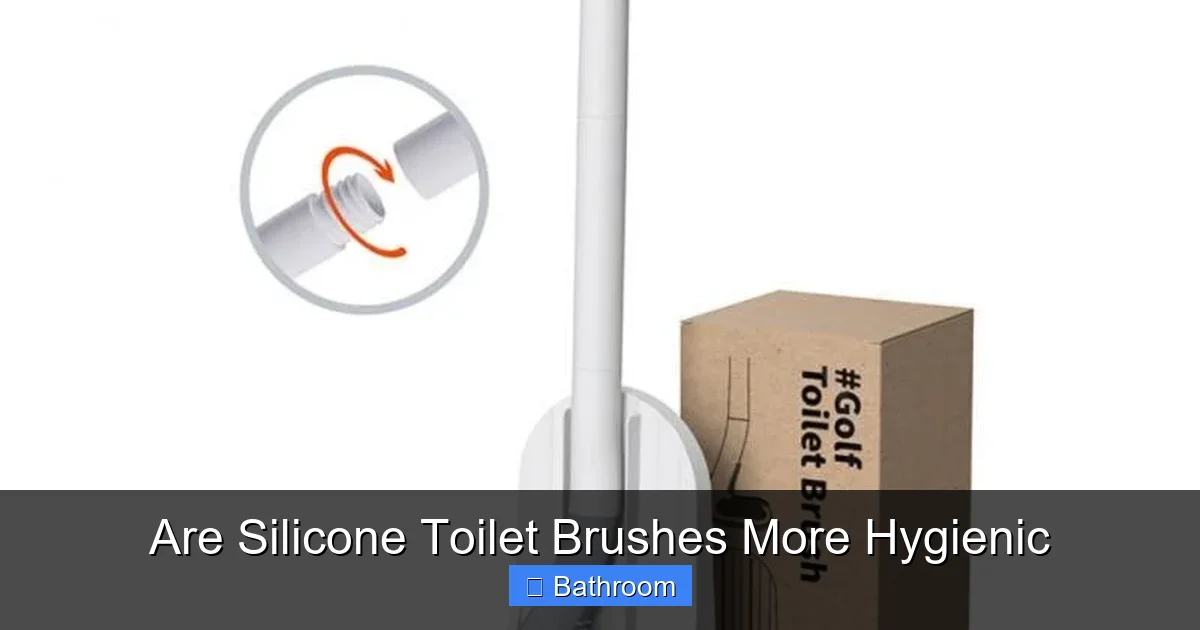
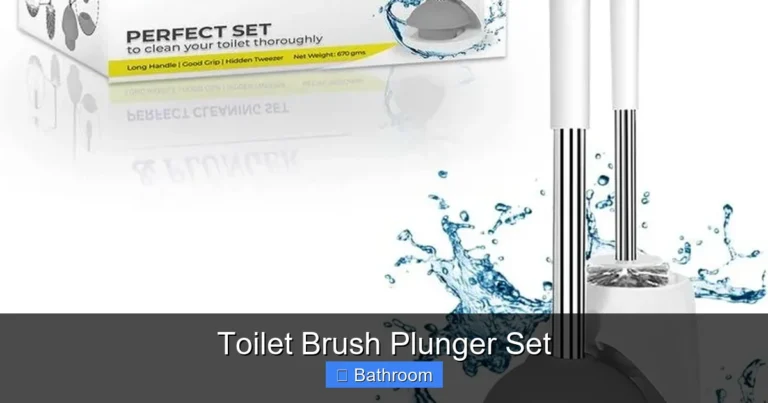
Visual guide about Are Silicone Toilet Brushes More Hygienic
Image source: images.nexusapp.co
Why Brush Material Matters
The material of your toilet brush plays a huge role in how well it resists contamination. Traditional brushes use bristles—usually nylon or natural fibers—that can absorb moisture and trap dirt, urine residue, and bacteria. Over time, these bristles become a breeding ground for microbes, even after rinsing.
Silicone, on the other hand, is a synthetic polymer known for being non-porous. That means it doesn’t absorb water or hold onto debris. Think of it like a raincoat—water rolls right off. This property makes silicone less likely to harbor bacteria or mold, especially in the moist environment of a bathroom.
The Problem with Bristles
Traditional bristles are the weak link in toilet brush hygiene. They’re porous, which means they soak up water and grime. Even after a quick rinse, tiny crevices inside the bristles can remain wet, creating an ideal environment for bacteria to multiply. And if you’re using a brush holder that keeps the brush submerged or upright in water, you’re basically growing a petri dish.
Studies have shown that bristle brushes can harbor up to 10,000 times more bacteria than a clean silicone brush—especially if they’re not dried properly or cleaned regularly. Plus, over time, bristles wear down and fray, creating even more nooks for germs to hide.
Silicone vs. Bristle: A Material Breakdown
So, what exactly is silicone, and why does it matter for hygiene? Let’s break it down.
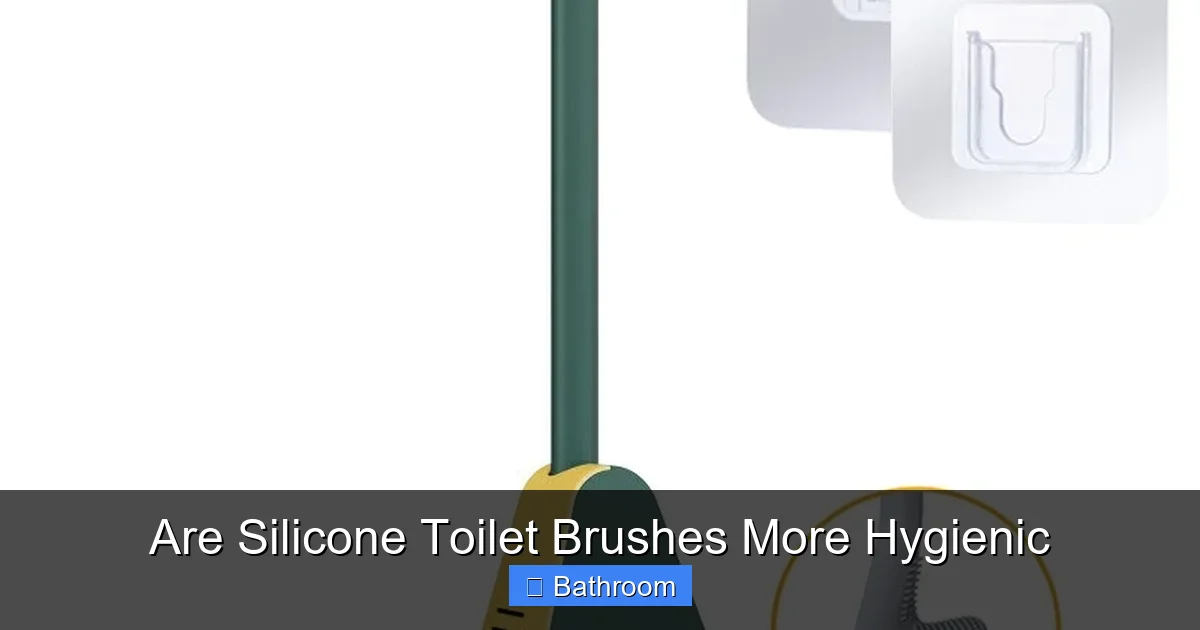
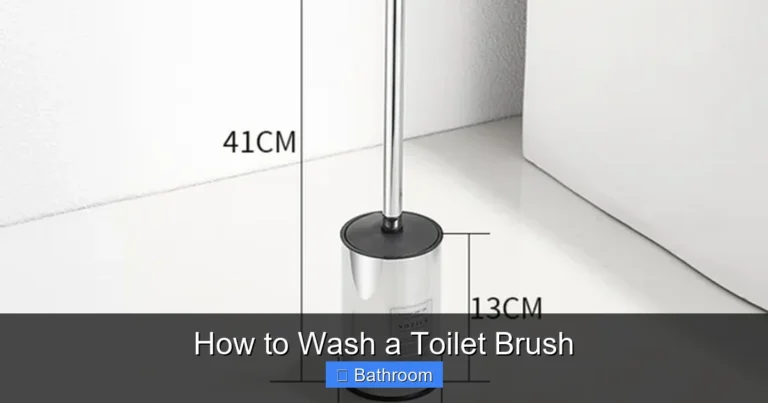
Visual guide about Are Silicone Toilet Brushes More Hygienic
Image source: images.nexusapp.co
What Is Silicone?
Silicone is a type of synthetic rubber made from silicon, oxygen, and other elements. It’s flexible, durable, and resistant to heat, cold, and chemicals. In the context of bathroom tools, food-grade silicone is used because it’s non-toxic and safe for contact with cleaning products.
Unlike plastic or metal, silicone doesn’t crack or degrade easily, and it doesn’t absorb odors. This makes it ideal for bathroom use—especially in damp, chemical-heavy environments.
Non-Porous Advantage
The biggest hygiene benefit of silicone is its non-porous nature. Since it doesn’t absorb water or grime, there’s nowhere for bacteria to hide. After use, you can rinse it off, wipe it dry, or even sanitize it in boiling water—without damaging the material.
Compare that to a bristle brush, which may look clean after a rinse but still has microscopic crevices filled with moisture and residue. Even if you soak it in bleach, you might miss spots deep inside the bristles.
Resistance to Mold and Mildew
Mold loves moisture and organic material. Bristle brushes, especially those made with natural fibers, are a magnet for mold. Silicone, however, doesn’t support mold growth because it doesn’t feed on organic matter and dries quickly.
This is a major advantage in humid bathrooms or during rainy seasons when condensation is common. A silicone brush stays cleaner longer—especially if stored upright in a dry holder.
Durability and Longevity
High-quality silicone brushes can last for months—sometimes even a year—with regular use. They don’t fray, warp, or break like bristles. This means fewer replacements and less chance of bacterial buildup from damaged bristles.
Cheap silicone brushes might crack or tear, creating new surfaces for bacteria to cling to. So, investing in a well-made silicone brush is worth it for both hygiene and value.
How to Keep Your Silicone Toilet Brush Clean
Even the best material can become unhygienic if not maintained properly. Here’s how to keep your silicone brush in top shape.
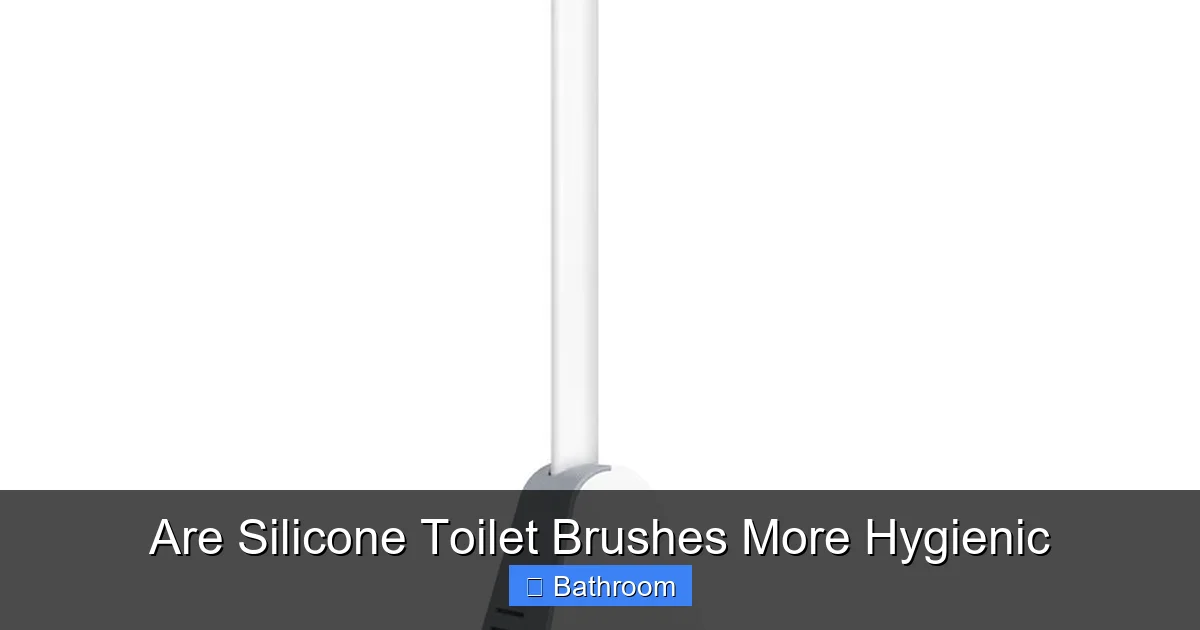
Visual guide about Are Silicone Toilet Brushes More Hygienic
Image source: images.nexusapp.co
Daily Cleaning Routine
After each use, rinse the brush thoroughly under hot water to remove urine and waste. Shake off excess water and wipe the bristles and handle with a clean cloth or paper towel. Avoid letting it sit in water or a closed container—this is the #1 mistake people make.
Tip: Use a soft brush or toothbrush to scrub any stubborn spots, especially around the base of the bristles.
Weekly Deep Clean
Once a week, soak your silicone brush in a mixture of warm water and mild dish soap or a diluted bleach solution (1 part bleach to 10 parts water). Let it sit for 10–15 minutes, then rinse and dry completely.
For extra sanitization, you can boil the brush for 5 minutes (check the manufacturer’s instructions first—some silicone can’t handle boiling).
Proper Storage
Store your brush upright in a holder that allows airflow. Avoid submerged or sealed holders—they trap moisture and promote bacterial growth. If your brush comes with a drip tray, make sure it’s empty and dry before storing.
Tip: Keep the brush away from toilet paper rolls or other bathroom items to avoid cross-contamination.
When to Replace Your Brush
Even with excellent care, brushes have a lifespan. Replace your silicone brush every 3–6 months, or sooner if it shows signs of wear—cracks, discoloration, or lingering odors. A worn brush defeats the purpose of choosing a hygienic material.
Real-World Hygiene: What Do Experts Say?
To understand whether silicone brushes are truly more hygienic, we looked at what experts and studies have to say.
Microbiology Insights
According to a 2018 study published in the Journal of Hospital Infection, bristle brushes in public restrooms were found to harbor significantly higher levels of bacteria than non-porous cleaning tools. The study concluded that non-absorbent materials like silicone or stainless steel are far superior for reducing contamination risk.
Another study from the University of Arizona found that even after cleaning, bristle brushes retained up to 10 times more bacteria than silicone tools. The porous nature of bristles makes them nearly impossible to fully sanitize.
User Experiences
Online reviews and forums show a clear trend: users who switched to silicone brushes report fewer bathroom odors, less mold, and a general sense of cleanliness. Many mention that their brushes stay fresh for weeks with minimal effort.
One Reddit user wrote, “After years of dealing with smelly bristle brushes, I finally tried a silicone one. It’s been months, and I haven’t had to replace it—plus, it never smells!”
Cleaning Product Compatibility
Silicone brushes are compatible with most bathroom cleaners, including bleach, vinegar, and hydrogen peroxide. This makes them versatile and easy to sanitize. Bristle brushes, especially those with natural fibers, can degrade when exposed to strong chemicals.
Just be sure to rinse thoroughly after using harsh cleaners to avoid residue buildup.
Common Myths About Silicone Toilet Brushes
Despite their benefits, silicone brushes aren’t without myths. Let’s clear up some misconceptions.
Myth 1: Silicone Brushes Are Completely Germ-Free
No cleaning tool is 100% sterile. Even silicone can harbor bacteria if not cleaned and stored properly. The key is consistent maintenance—not expecting a miracle from the material alone.
Myth 2: They’re Too Soft to Clean Effectively
While silicone is softer than bristles, it’s actually more effective at scrubbing when used correctly. The flexibility allows it to reach under the rim and around curves. Many users find it just as—or even more—effective than traditional brushes.
Myth 3: They’re Harder to Clean
On the contrary, silicone is easier to clean. Just rinse, wipe, and sanitize. There’s no need to worry about hidden grime in frayed bristles.
Myth 4: They’re More Expensive and Not Worth It
While premium silicone brushes cost more upfront, they last longer and require less maintenance. When you factor in replacements and the cost of cleaning supplies, they’re often more economical in the long run.
Tips for Maximizing Hygiene in Your Bathroom
To get the most out of your silicone brush—or any cleaning tool—follow these best practices.
- Clean after every use: Don’t let residue dry on the brush.
- Use a separate brush for the toilet: Never use the same brush for other bathroom surfaces.
- Disinfect regularly: Weekly sanitization prevents biofilm buildup.
- Choose a breathable holder: Avoid enclosed or submerged storage.
- Replace when needed: Don’t wait for visible wear.
Bonus tip: Keep a small bottle of disinfectant spray near your toilet for quick cleanups—especially after guests or illness.
Conclusion: Are Silicone Toilet Brushes More Hygienic?
After exploring the facts, it’s clear: silicone toilet brushes are generally more hygienic than traditional bristle brushes. Their non-porous, durable design resists bacteria, mold, and odor—making them a smart choice for modern bathrooms. With proper cleaning and storage, they can stay clean for months with minimal effort.
That said, hygiene isn’t just about the brush material—it’s about habits. Even the best silicone brush will become unhygienic if you store it in water or skip weekly cleanings. But when used correctly, it’s a powerful tool in keeping your toilet—and your bathroom—clean.
So, if you’re tired of smelly, grimy brushes and want a low-maintenance, high-hygiene solution, a silicone toilet brush is worth the switch. Just remember: clean it well, store it dry, and replace it when needed. Your bathroom (and your peace of mind) will thank you.
Frequently Asked Questions
Are silicone toilet brushes really more hygienic?
Yes, silicone brushes are generally more hygienic than bristle brushes because they are non-porous and don’t absorb water or bacteria. They resist mold and are easier to sanitize, making them a better long-term choice for bathroom cleanliness.
How do you clean a silicone toilet brush properly?
Rinse it under hot water after each use, wipe it dry, and perform a weekly deep clean with soap or a diluted bleach solution. Store it upright in a dry holder to prevent bacterial growth.
Can silicone toilet brushes be boiled for disinfection?
Some silicone brushes can be boiled for 5 minutes to sanitize them, but always check the manufacturer’s instructions first—some types may warp or degrade with high heat.
Do silicone brushes work as well as bristle brushes?
Yes, silicone brushes are often more effective because their flexible design allows them to reach under the toilet rim and clean thoroughly. Many users find them just as—or more—effective than traditional brushes.
How often should I replace my silicone toilet brush?
Replace your silicone brush every 3 to 6 months, or sooner if it shows signs of wear like cracks, discoloration, or lingering odors. Regular use and proper care extend its lifespan.
Can I use bleach on a silicone toilet brush?
Yes, silicone is compatible with bleach. Use a diluted solution (1 part bleach to 10 parts water) for weekly sanitization, then rinse thoroughly to avoid residue buildup.