Are Smart Bulbs Dangerous
Smart bulbs aren’t inherently dangerous, but they do come with potential risks like electromagnetic fields, overheating, and security vulnerabilities. With proper installation and smart usage, you can enjoy the convenience of smart lighting while minimizing any hazards. Understanding the facts helps you make informed decisions about your smart home setup.
Key Takeaways
- EMI Exposure: Smart bulbs emit low levels of electromagnetic radiation, but studies show they’re generally safe within regulatory limits.
- Overheating Risks: Poor-quality bulbs or faulty installations can overheat, posing fire hazards—always choose certified products.
- Security Vulnerabilities: Connected devices can be hacked; strong passwords and regular updates protect your smart home network.
- Child Safety: Small components and cords can be choking hazards—secure bulbs out of reach and use childproof covers.
- Energy Efficiency: Most smart bulbs consume less energy than traditional bulbs, reducing both cost and environmental impact.
- Proper Installation: Follow manufacturer guidelines and use compatible fixtures to prevent electrical issues.
- Monitoring and Maintenance: Regularly check for loose connections, damaged cables, or unusual behavior in your smart lighting system.
📑 Table of Contents
- Are Smart Bulbs Dangerous? What You Need to Know Before Installing Them
- Understanding Smart Bulbs: How They Work
- Electromagnetic Fields (EMF) and Health Concerns
- Overheating and Fire Hazards
- Security and Privacy Risks
- Child and Pet Safety
- Energy Efficiency and Environmental Impact
- Best Practices for Safe Smart Bulb Use
- Conclusion: Smart Bulbs Are Safe—With Caution
Are Smart Bulbs Dangerous? What You Need to Know Before Installing Them
In today’s connected world, smart home technology has become more accessible than ever. From voice-controlled thermostats to automated door locks, these devices promise convenience, energy savings, and enhanced security. Among the most popular smart home upgrades? Smart bulbs. These Wi-Fi-enabled lights let you change colors, dim brightness, and even schedule lighting with just your smartphone or voice assistant.
But as with any technology that plugs into your home, safety is a top concern. You might be wondering: Are smart bulbs dangerous? While smart bulbs offer incredible benefits, they also come with potential risks—electrical, security, and even physical hazards. In this comprehensive guide, we’ll break down the facts, debunk myths, and give you practical advice to help you enjoy your smart lighting without worry.
Understanding Smart Bulbs: How They Work
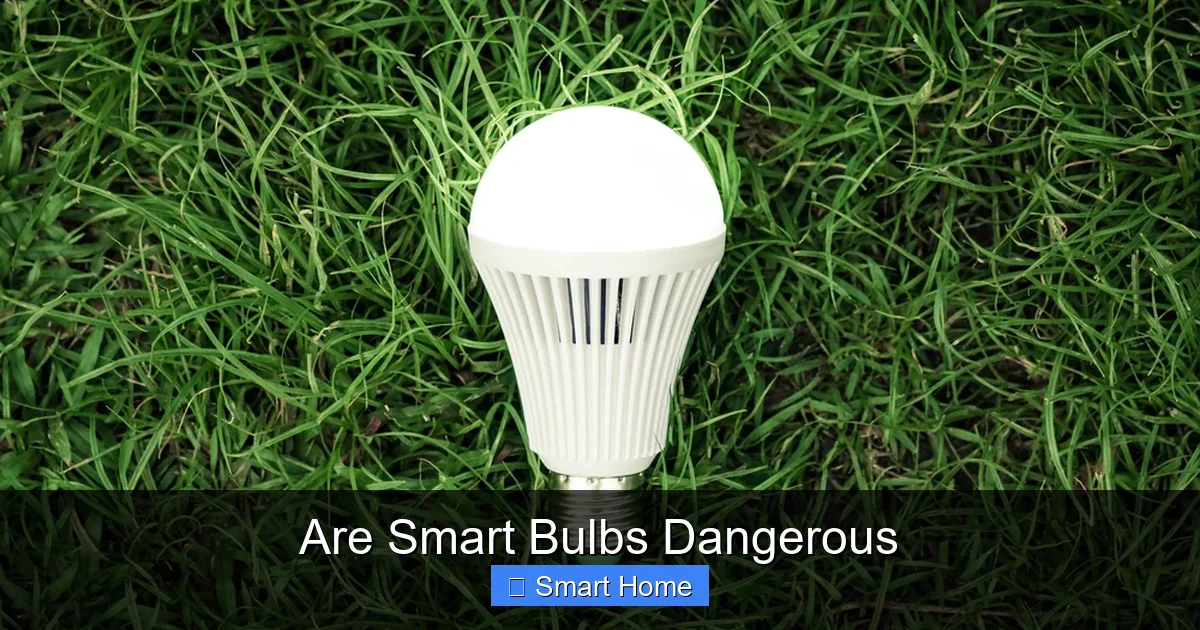
Before diving into safety concerns, it’s important to understand what smart bulbs actually are and how they function. Unlike traditional incandescent or LED bulbs, smart bulbs contain built-in electronics that allow them to connect to your home’s Wi-Fi network. These components include microchips, wireless radios (like Wi-Fi or Zigbee), and sometimes Bluetooth modules.
Visual guide about Are Smart Bulbs Dangerous
Image source: senokoenergy.com
The Technology Behind the Light
When you install a smart bulb, it replaces a standard light fixture. Once powered on, the bulb connects to your router and responds to commands from your smartphone app or voice assistant like Alexa or Google Assistant. Some models also include sensors that allow for motion detection or ambient light adjustment.
Popular smart bulb types include:
- Wi-Fi Smart Bulbs: Connect directly to your router and don’t require a hub. Examples include Philips Hue and LIFX.
- Zigbee/Z-Wave Bulbs: Use a hub to communicate with your network. Often more energy-efficient and stable.
- Bluetooth Bulbs: Work over short distances and are typically used in single-room setups.
While the technology is impressive, it also introduces new variables that can affect safety—especially if not used correctly.
Electromagnetic Fields (EMF) and Health Concerns
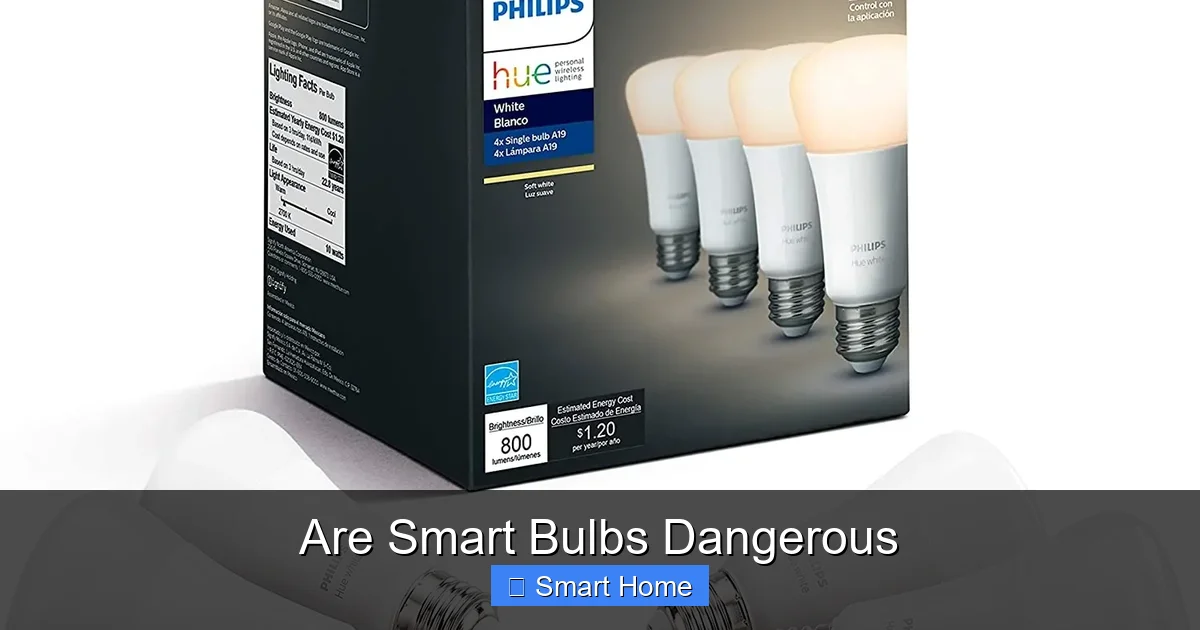
One of the most common concerns about smart bulbs is their electromagnetic field (EMF) emissions. Because they’re constantly transmitting data to and from your network, some worry that prolonged exposure could be harmful.
Visual guide about Are Smart Bulbs Dangerous
Image source: rollingstone.com
What Are EMFs and How Do Smart Bulbs Emit Them?
Electromagnetic fields are invisible energy waves produced by electrical devices. Smart bulbs emit low-frequency EMFs from their internal circuits and high-frequency EMFs from their wireless communication modules. These fields decrease rapidly with distance, meaning the closer you are to the bulb, the stronger the exposure.
However, regulatory bodies like the Federal Communications Commission (FCC) and the International Commission on Non-Ionizing Radiation Protection (ICNIRP) have established safety limits for EMF exposure. Most smart bulbs operate well below these thresholds.
Are Smart Bulbs Safe from an EMF Perspective?
Multiple studies, including one published in the Journal of Exposure Science & Environmental Epidemiology, have found that typical household EMF exposure from devices like smart bulbs is extremely low and poses no known health risk. For example, a smart bulb emits about 0.01 microtesla (µT) at 30 cm—less than what you’d get from a refrigerator or laptop.
That said, if you’re particularly sensitive to EMFs or have conditions like electromagnetic hypersensitivity (EHS), you might consider using bulbs with lower emissions or switching to non-connected alternatives. But for the vast majority of users, the EMF risk is negligible.
Overheating and Fire Hazards
One of the most serious—and legitimate—concerns about smart bulbs is overheating. While rare, some incidents have been reported where poorly designed or damaged smart bulbs have caused fires.
Visual guide about Are Smart Bulbs Dangerous
Image source: i.pinimg.com
Why Do Smart Bulbs Overheat?
Overheating typically occurs due to:
- Poor Quality Components: Cheap electronics inside the bulb can fail under stress.
- Improper Installation: Using a bulb in a fixture that’s not rated for its wattage or heat output.
- Overuse of Features: Constantly running high-power modes (like full brightness with color changes) can strain the internal circuitry.
- Faulty Power Supply: A damaged or incompatible driver can cause voltage spikes.
Real-World Incidents and Manufacturer Responses
In 2019, a class-action lawsuit was filed against a major smart bulb manufacturer after several reports of bulbs overheating and melting. The company issued firmware updates and offered free replacements. This highlights the importance of choosing reputable brands and keeping your bulbs updated.
To minimize overheating risks:
- Buy from trusted brands like Philips Hue, Cree, or Sylvania.
- Avoid using smart bulbs in enclosed fixtures unless they’re specifically designed for it.
- Ensure your light fixture is rated for the bulb’s wattage and heat output.
- Unplug bulbs during thunderstorms or power surges to prevent electrical damage.
Security and Privacy Risks
Smart bulbs are internet-connected devices, which means they can be vulnerable to hacking—especially if not properly secured.
How Hackers Could Target Your Smart Bulbs
Even though smart bulbs don’t store sensitive data like passwords or financial information, they can still be exploited. For example:
- Botnet Recruitment: Hackers can turn compromised bulbs into part of a botnet used for DDoS attacks.
- Network Intrusion: A vulnerable bulb could act as a gateway into your home network, giving attackers access to other devices.
- Spying Through Cameras: Some smart bulbs include tiny cameras (though rare). If hacked, these could be used to spy on your home.
Protecting Your Smart Bulbs from Cyber Threats
Here’s how to secure your smart lighting system:
- Use Strong Passwords: Never use default credentials. Create complex, unique passwords for your router and smart home apps.
- Enable Two-Factor Authentication (2FA): Adds an extra layer of security.
- Keep Firmware Updated: Manufacturers regularly release patches to fix vulnerabilities.
- Use a Separate Network: Set up a guest Wi-Fi network for IoT devices to isolate them from your main devices.
- Disable Remote Access When Not Needed: Some apps allow you to turn off cloud access for added privacy.
Child and Pet Safety
While not a technical risk, physical safety is a major concern when installing smart bulbs—especially in homes with young children or pets.
Choking Hazards and Small Parts
Smart bulbs often come with small adapters, USB cables, or remote controls. These can pose choking hazards if left within reach of toddlers or pets. Always store accessories securely and use cord covers to prevent tripping or chewing.
Eye Safety and Blue Light Exposure
Some smart bulbs emit high levels of blue light, especially in cooler color temperatures (around 5000K–6500K). Prolonged exposure to blue light at night can disrupt melatonin production, affecting sleep quality.
To protect your family’s health:
- Avoid using bright, cool-white bulbs in bedrooms at night.
- Use warm white or dimmable settings for evening lighting.
- Enable “sleep mode” or “nightlight” features that reduce blue light output.
Energy Efficiency and Environmental Impact
Contrary to some misconceptions, smart bulbs are generally more energy-efficient than traditional lighting. Most smart LEDs consume between 9–12 watts, compared to 60+ watts for incandescent bulbs—even when dimmed.
How Smart Features Save Energy
Smart bulbs can automatically adjust brightness based on room occupancy or time of day. For example, they can dim when you leave the room or turn off when natural light is sufficient. These features can reduce energy use by up to 20% compared to always-on traditional bulbs.
Additionally, smart bulbs often include motion sensors and scheduling, which prevent lights from being left on unnecessarily. Over time, this leads to lower electricity bills and a smaller carbon footprint.
Recycling and Disposal
Like all electronics, smart bulbs contain materials that shouldn’t go in the regular trash. Many manufacturers offer recycling programs or partner with e-waste recyclers. Check with your local waste authority for proper disposal options.
Best Practices for Safe Smart Bulb Use
To enjoy all the benefits of smart lighting without unnecessary risks, follow these practical safety tips:
- Choose Certified Products: Look for UL, ETL, or CE marks to ensure compliance with safety standards.
- Install Correctly: Follow the manufacturer’s instructions for fixture compatibility and wattage limits.
- Use a Surge Protector: Protect your bulbs from power spikes during storms.
- Regularly Inspect Cords and Fixtures: Look for fraying wires, loose connections, or discoloration.
- Limit Use of High-Power Modes: Avoid running bulbs at 100% brightness with color changes for extended periods.
- Educate Family Members: Teach children not to touch bulbs with wet hands or attempt to unscrew them.
Conclusion: Smart Bulbs Are Safe—With Caution
So, are smart bulbs dangerous? The short answer is no—not when used responsibly. Like any household device, they come with potential risks, but these are minimal compared to the benefits of energy savings, convenience, and enhanced home automation.
The key is awareness. By understanding the possible hazards—EMF exposure, overheating, security vulnerabilities, and child safety—you can take simple steps to mitigate them. Choose quality products, follow installation guidelines, and keep your system updated. With a little caution, smart bulbs can be a safe and transformative addition to your home.
As smart home technology continues to evolve, safety standards will only improve. Until then, informed users are the safest users.
Frequently Asked Questions
Are smart bulbs safe to leave on all night?
Yes, smart bulbs are generally safe to leave on overnight. Most are designed for continuous use, and modern LEDs produce very little heat. However, avoid using high-brightness or blue-heavy settings in bedrooms to protect sleep quality.
Can smart bulbs cause headaches or eye strain?
Some users report eye strain from bright or flickering smart bulbs, especially if they flicker at high frequencies (which some older models do). Choose flicker-free, dimmable bulbs and avoid very bright settings in close proximity.
Do smart bulbs emit radiation?
Smart bulbs emit low levels of electromagnetic radiation from their electronics and wireless signals. However, these levels are well below international safety limits and pose no known health risk for typical home use.
Can smart bulbs be hacked?
Yes, poorly secured smart bulbs can be hacked, potentially allowing attackers to access your network. Use strong passwords, enable two-factor authentication, and keep firmware updated to reduce this risk.
Are smart bulbs more expensive than regular bulbs?
Smart bulbs cost more upfront—typically $15–$30 per bulb—but they save money in the long run through energy efficiency and automation features like motion detection and scheduling.
How long do smart bulbs last?
Most smart LED bulbs last 15,000 to 25,000 hours, depending on usage and quality. With proper care and regular firmware updates, they can outlast their non-smart counterparts while offering more functionality.