Are Toilet Brushes Hygienic
Toilet brushes can be hygienic—but only if cleaned and stored properly. While they are essential tools for bathroom cleanliness, many people don’t realize that toilet brushes can harbor bacteria, mold, and germs if not maintained correctly. With the right cleaning routine, safe storage, and smart product choices, you can keep your toilet brush germ-free and effective.
Key Takeaways
- Toilet brushes can harbor harmful bacteria if not cleaned and dried properly, especially in moist bathroom environments.
- Regular cleaning with disinfectants like bleach or hydrogen peroxide is essential to kill germs and prevent mold.
- Proper storage matters—store brushes upright in a dry holder with ventilation to reduce moisture buildup.
- Replace brushes every 3–6 months or sooner if bristles become frayed or discolored.
- Consider upgrading to hygienic designs like self-cleaning or enclosed brushes to minimize contamination.
- Wear gloves when cleaning the toilet to protect your hands from germs during the process.
- Disinfect the brush holder regularly, as it can become a breeding ground for bacteria.
📑 Table of Contents
- Are Toilet Brushes Hygienic? The Truth About Bathroom Germs
- Understanding Toilet Brush Hygiene: What Makes Them Risky?
- How to Clean Your Toilet Brush Properly
- Best Practices for Storing Your Toilet Brush
- Common Myths About Toilet Brush Hygiene
- Are Electric or Automatic Toilet Brushes Better?
- What the Experts Say About Toilet Brush Hygiene
- How to Tell If Your Toilet Brush Needs Replacing
- Final Thoughts: Toilet Brushes Can Be Hygienic
Are Toilet Brushes Hygienic? The Truth About Bathroom Germs
We all know the drill: after using the toilet, you grab the trusty toilet brush and scrub away. It’s a simple, almost automatic part of bathroom routine. But have you ever stopped to wonder—are toilet brushes actually hygienic? Or are they just spreading germs around instead of cleaning them up?
The truth is, toilet brushes can be effective cleaning tools—if used and maintained correctly. But in many households, they become germ magnets due to poor cleaning habits or inadequate storage. From mold growing in the bristles to bacteria thriving in standing water, the potential for contamination is real. In this article, we’ll dive deep into the hygiene of toilet brushes, explore common myths, and share practical tips to help you keep your bathroom—and your health—clean and safe.
Understanding Toilet Brush Hygiene: What Makes Them Risky?
Before we talk solutions, let’s understand why toilet brushes can be unhygienic in the first place. The main issue lies in how they’re used and stored. After cleaning the toilet, brushes come into contact with feces, urine, and other bathroom contaminants. If not properly disinfected and dried, they become ideal environments for bacteria and mold to grow.
Visual guide about Are Toilet Brushes Hygienic
Image source: images.nexusapp.co
Why Moisture Is the Enemy
Most toilet brushes are made of plastic handles and nylon bristles. These materials retain moisture, especially in humid bathrooms. When a wet brush is left in a standing water cup or a closed container, it creates a perfect breeding ground for mold and bacteria. Studies have shown that E. coli and other harmful microbes can survive on toilet brushes for hours—even days—if not cleaned properly.
The Role of the Brush Holder
Many people assume that the brush holder keeps the brush clean, but that’s not always true. Most brush holders are not self-cleaning. In fact, they often hold standing water, which encourages bacterial growth. If the brush sits in this water between uses, it can become contaminated with germs from previous cleanings.
Frayed Bristles Are a Red Flag
Over time, toilet brush bristles wear down. When they become frayed or split, they trap debris and bacteria deep within the gaps. These crevices are hard to clean and provide a cozy home for mold and germs. Replacing a worn brush isn’t just about cleanliness—it’s about preventing cross-contamination in your bathroom.
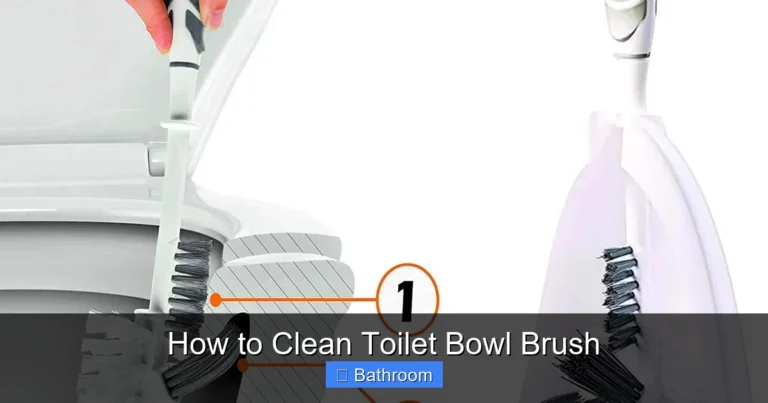
How to Clean Your Toilet Brush Properly
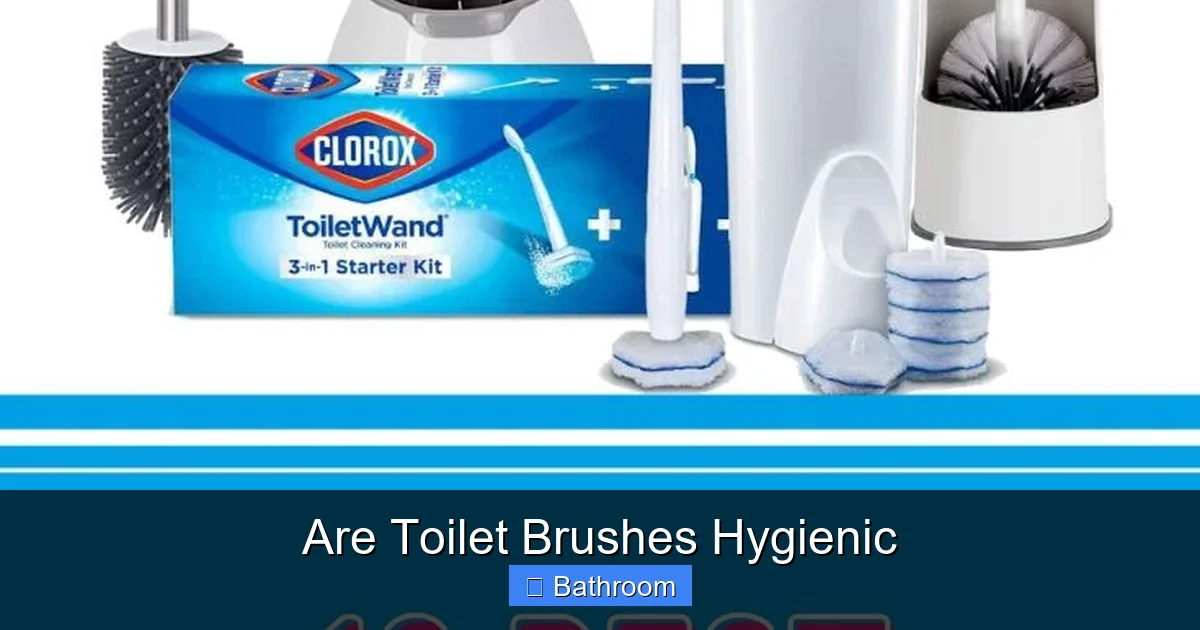
The good news? You can keep your toilet brush hygienic with the right cleaning routine. It’s not complicated, but it does require consistency. Here’s how to do it the right way.
Visual guide about Are Toilet Brushes Hygienic
Image source: i.pinimg.com
Step 1: Rinse Immediately After Use
After cleaning the toilet, rinse the brush under hot water to remove any visible residue. Don’t just wipe it—this helps dislodge bacteria and prevents buildup.
Step 2: Soak in Disinfectant
Prepare a cleaning solution using one of these options:
- 1 cup of bleach + 1 gallon of water
- Undiluted hydrogen peroxide (3%)
- Commercial toilet brush cleaner
Soak the brush in the solution for at least 10 minutes. This kills most bacteria and mold spores. Always wear gloves during this process to protect your skin.
Step 3: Scrub the Bristles and Handle
Use a toilet brush cleaner tool (many come with bristles designed for scrubbing the brush itself) or a soft brush to clean the bristles and handle. Pay special attention to the base where bristles meet the handle—this is a common spot for grime buildup.
Step 4: Rinse and Dry Completely
After disinfecting, rinse the brush thoroughly with hot water. Then, shake off excess water and place it upright in a holder with good airflow. Avoid covering it or storing it in a closed container until it’s completely dry.
Step 5: Clean the Holder Weekly
Don’t forget the holder! Empty any standing water and scrub the inside with soapy water or disinfectant. Rinse well and let it air dry before reusing.
Best Practices for Storing Your Toilet Brush
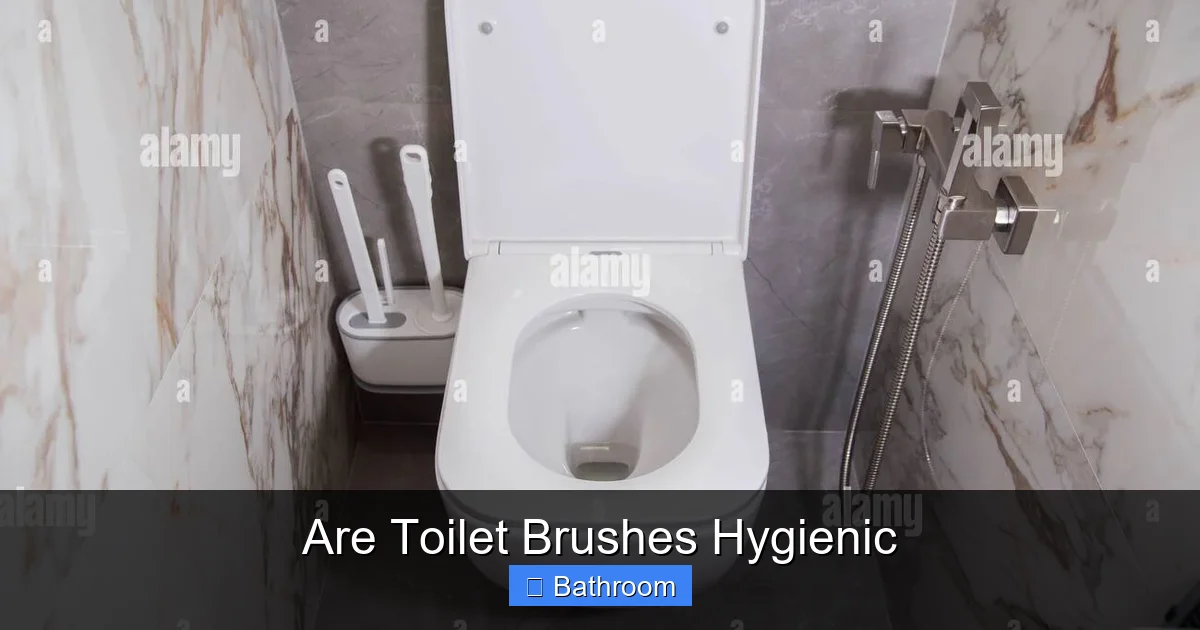
Storage is just as important as cleaning. Even the cleanest brush can become unhygienic if stored improperly. Here’s how to keep your brush—and your bathroom—germ-free.
Visual guide about Are Toilet Brushes Hygienic
Image source: c8.alamy.com
Choose an Open-Air Holder
Avoid enclosed or sealed brush holders. Instead, opt for open-air designs with ventilation. These allow moisture to evaporate quickly, reducing the risk of mold and bacteria.
Use a Holder with a Drain
Look for brush holders with a drain hole at the bottom. This prevents standing water, which is the #1 cause of bacterial growth. Some high-end models even include UV sterilization or automatic cleaning systems.
Replace the Brush Regularly
No matter how well you clean it, a toilet brush has a limited lifespan. Replace your brush every 3 to 6 months, or sooner if you notice:
- Discoloration (green, black, or yellow mold)
- Foul odor
- Frayed or split bristles
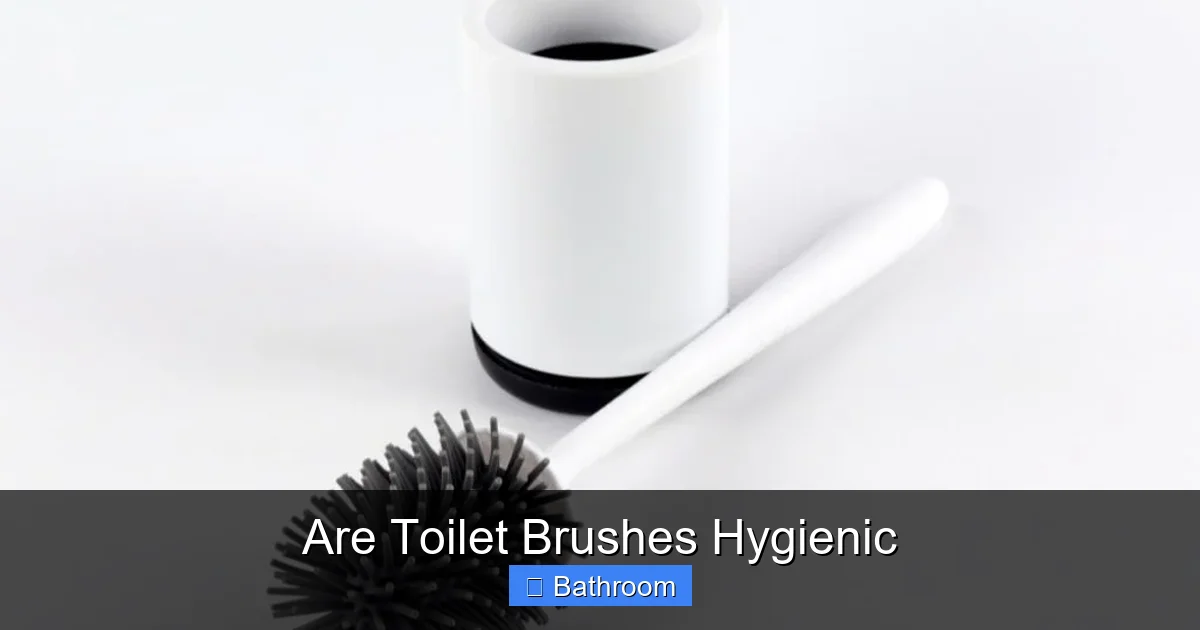
Consider a Self-Cleaning Brush
Modern bathroom innovations include self-cleaning toilet brushes that spray disinfectant after use or use UV light to sterilize. While pricier, these can offer peace of mind for families concerned about hygiene.
Common Myths About Toilet Brush Hygiene
There are plenty of myths floating around about toilet brushes. Let’s clear up some of the most common ones.
Myth 1: “If It Smells Bad, It’s Probably Mold”
While mold is a common cause of bad odors, bacteria can also produce unpleasant smells. A foul odor doesn’t always mean mold—it could be from lingering fecal matter or poor drying. Always clean and dry your brush thoroughly, regardless of odor.
Myth 2: “Boiling the Brush Kills All Germs”
Boiling can kill some bacteria, but it may damage the bristles, especially if they’re made of nylon. Plus, boiling doesn’t reach all the tiny crevices where germs hide. A disinfectant soak is more effective and safer for the brush.
Myth 3: “Toilet Brushes Are Unavoidably Dirty”
While toilet brushes do come into contact with germs, they don’t have to be unhygienic. With proper cleaning, drying, and storage, they can remain safe and effective. It’s all about habits.
Myth 4: “You Can’t Clean the Brush Without Washing Your Hands”
This is actually true—and important. Always wear gloves when cleaning the toilet, and wash your hands thoroughly afterward. Even with gloves, bacteria can transfer to your skin.
Are Electric or Automatic Toilet Brushes Better?
As bathroom technology advances, electric and automatic toilet brushes are becoming more popular. These devices often include features like:
- Self-cleaning cycles
- UV sterilization
- Automatic lid opening and closing
While they’re more expensive, they can offer higher hygiene standards, especially in shared bathrooms or homes with young children. However, they still require regular maintenance—nothing replaces good cleaning habits.
For most households, a quality manual brush with proper care is just as effective and more cost-efficient. The key is consistency in cleaning and drying.
What the Experts Say About Toilet Brush Hygiene
According to the Centers for Disease Control and Prevention (CDC), “Toilet brushes should be cleaned and disinfected after each use to prevent the spread of germs.” The CDC also recommends replacing brushes every few months and avoiding sharing them in households.
Dr. Emily Carter, a microbiologist at the University of Health Sciences, explains: “Bathrooms are hotspots for bacteria like E. coli and Salmonella. If toilet brushes aren’t disinfected properly, they can act as vectors for contamination—especially in homes with children or elderly individuals.”
Dr. Carter emphasizes that moisture control and regular disinfection are the most effective ways to maintain hygiene. “It’s not about eliminating all bacteria—that’s impossible—but about keeping levels low enough to prevent illness,” she says.
How to Tell If Your Toilet Brush Needs Replacing
Here are clear signs that it’s time for a new brush:
- Visible mold or discoloration on bristles or handle
- Foul odor that doesn’t go away after cleaning
- Frayed or broken bristles that can’t scrub effectively
- Cracks or damage to the handle (can harbor bacteria)
- You’ve used it for over 6 months
Don’t wait for a health scare. Proactive replacement is the best way to protect your family.
Final Thoughts: Toilet Brushes Can Be Hygienic
So, are toilet brushes hygienic? Yes—but only if used and maintained correctly. They’re not inherently dirty, but they can become germ hotspots without proper care. The good news? With a simple routine of disinfecting after each use, drying thoroughly, and storing properly, you can keep your toilet brush clean and safe.
Remember, a clean toilet brush is more than a convenience—it’s a key part of bathroom hygiene. By taking a few extra minutes to clean and dry your brush, you’re protecting your family from unnecessary germs and reducing the risk of illness.
Whether you stick with a traditional brush or invest in a high-tech model, consistency is what matters most. Make toilet brush hygiene part of your daily routine, and you’ll have peace of mind every time you clean the toilet.
Frequently Asked Questions
How often should I clean my toilet brush?
Clean your toilet brush after every use with a disinfectant solution. Soak it for at least 10 minutes, rinse, and let it dry completely before storing.
Can bacteria grow on a dry toilet brush?
Yes, but slowly. Bacteria need moisture to thrive. A dry brush is much less likely to grow harmful germs, especially if stored in a ventilated holder.
Is it safe to share a toilet brush in a household?
No. Sharing brushes increases the risk of cross-contamination. Each person should have their own brush, especially in homes with multiple users.
Can I use vinegar to clean my toilet brush?
Yes, but vinegar alone isn’t enough. It can help remove some grime, but for killing bacteria and mold, use a stronger disinfectant like bleach or hydrogen peroxide.
How long do toilet brushes last?
Most toilet brushes last 3 to 6 months. Replace them sooner if they show signs of mold, odor, or wear.
Are self-cleaning toilet brushes worth the investment?
They can be, especially in busy households. Self-cleaning brushes reduce manual effort and offer added hygiene, but they’re not necessary if you maintain a strict cleaning routine with a regular brush.