Are Toilet Brushes Recyclable
Toilet brushes are generally not recyclable due to their mixed materials and hygiene concerns. However, some components like metal handles or plastic parts may be recyclable if cleaned and separated properly. This article explores recycling options, alternatives, and how to reduce bathroom plastic waste.
Key Takeaways
- Most toilet brushes aren’t recyclable: They’re made of multiple materials (plastic, metal, bristles) that don’t mix well in recycling streams.
- Check local recycling rules: Recycling guidelines vary by city, so always verify with your waste management provider.
- Separate components when possible: Remove metal handles or plastic bases to recycle them separately from bristles.
- Don’t flush toilet brushes: They can cause serious plumbing issues and should always be disposed of in the trash.
- Consider eco-friendly alternatives: Look for brushes made from sustainable materials or brands with take-back programs.
- Clean before disposal: Rinse brushes thoroughly to prevent odors and reduce the risk of spreading germs.
- Compostable options exist: Some biodegradable brushes may be compostable—check for certifications like BPI or OK Compost.
📑 Table of Contents
- Are Toilet Brushes Recyclable? A Complete Guide to Eco-Friendly Bathroom Disposal
- What Makes Toilet Brushes Hard to Recycle?
- Can You Recycle the Individual Parts?
- What Are Your Disposal Options?
- Eco-Friendly Alternatives to Traditional Toilet Brushes
- How to Choose a Greener Toilet Brush
- Reducing Bathroom Waste Overall
- Conclusion: Small Changes, Big Impact
Are Toilet Brushes Recyclable? A Complete Guide to Eco-Friendly Bathroom Disposal
We’ve all been there—standing over the toilet brush, wondering what to do with it when it finally wears out. Is it recyclable? Can I just toss it in the trash? Or should I be composting it like my banana peels? The truth is, toilet brushes are a tricky one when it comes to recycling, and the answer isn’t as simple as it might seem.
Most standard toilet brushes are made from a combination of materials—usually a plastic handle, metal shaft, and synthetic bristles. This mixed-material construction means they don’t fit neatly into standard recycling categories. Plus, hygiene concerns make some communities hesitant to accept them in recycling programs. But don’t worry—there are still ways to reduce your environmental footprint, even when it comes to bathroom accessories.
In this article, we’ll break down exactly what makes toilet brushes hard to recycle, what your options are, and how you can make smarter, greener choices for your bathroom routine. Whether you’re a longtime eco-warrior or just starting your sustainability journey, you’ll walk away with practical tips to handle your old toilet brush responsibly.
What Makes Toilet Brushes Hard to Recycle?
Mixed Materials and Complex Construction
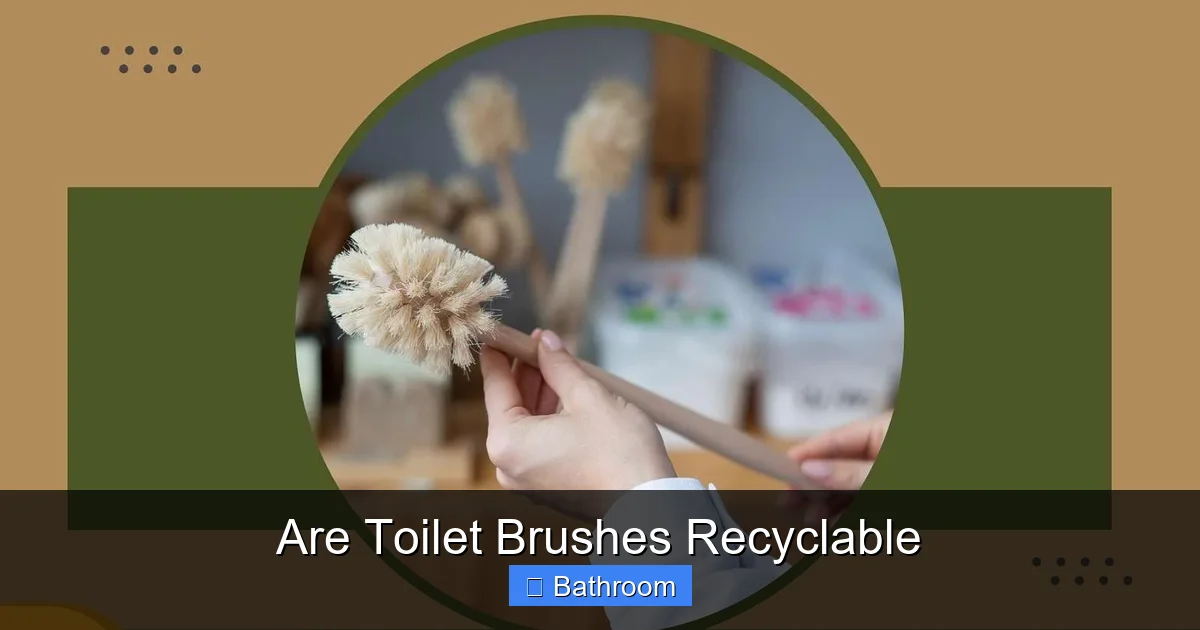
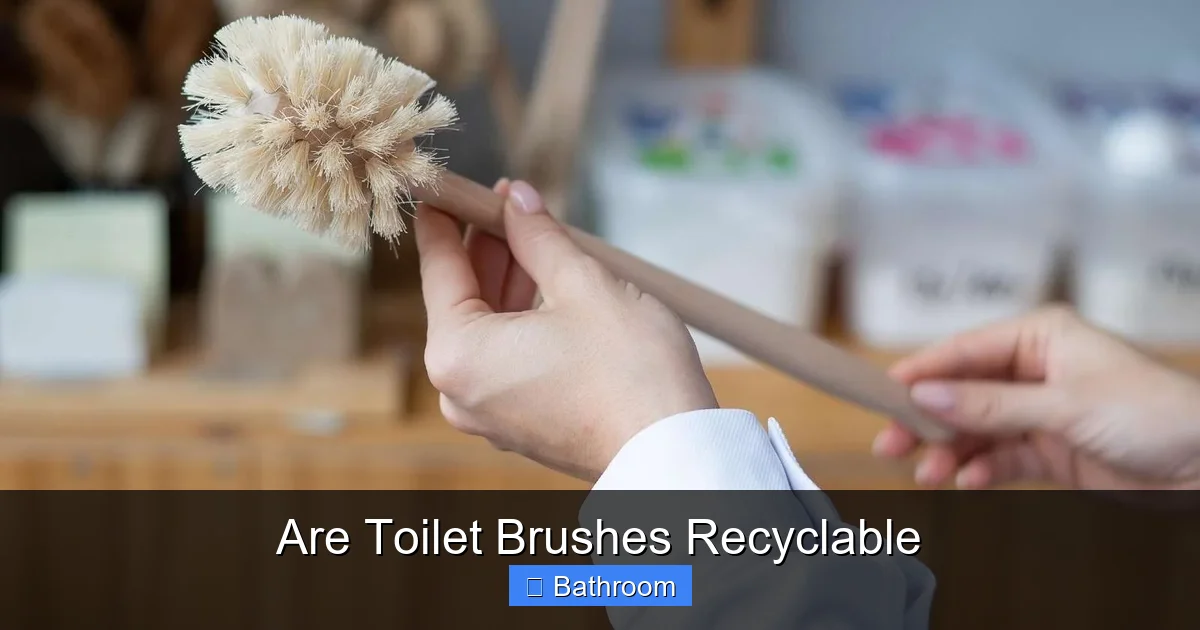
Toilet brushes are typically made from a combination of materials that don’t play well together in recycling streams. The handle is often plastic, the central rod may be metal, and the bristles are usually synthetic fibers like nylon or polypropylene. These materials have different melting points and processing requirements, making it nearly impossible to recycle them together.
Visual guide about Are Toilet Brushes Recyclable
Image source: ecotsy.com
Recycling facilities are designed to process single-material items—think clean cardboard, aluminum cans, or clear plastic bottles. When you throw a multi-material item like a toilet brush into the recycling bin, it can contaminate the batch and cause entire loads to be sent to landfills. That’s why even if your city accepts certain plastics or metals, a toilet brush usually doesn’t qualify.
Hygiene and Contamination Concerns
Even if the materials were recyclable, hygiene is a major barrier. Toilet brushes come into direct contact with human waste, which raises concerns about bacterial contamination. Most recycling centers avoid accepting items that have been used in bathrooms, kitchens, or other areas where germs might be present.
Some cities and waste management companies explicitly state that personal hygiene items—including toothbrushes, razors, and toilet brushes—should not be placed in recycling bins. This is to protect workers and ensure the safety of the recycling process.
Short Lifespan and Low Recycling Incentive
Toilet brushes are designed for short-term use—usually lasting a few months to a year. Because they’re not expensive or long-lasting, there’s little financial incentive for manufacturers or municipalities to develop specialized recycling programs for them.
In contrast, items like glass bottles or aluminum cans have high recycling value and are often collected at high rates. Toilet brushes, on the other hand, are considered low-value waste, which further reduces the likelihood of dedicated recycling efforts.
Can You Recycle the Individual Parts?
Plastic Handles and Bases
Some toilet brushes have plastic handles or bases that might be recyclable, depending on your local program. If the plastic is labeled with a resin identification code (like #1 for PET or #5 for polypropylene), check with your waste management provider to see if they accept those types.
Visual guide about Are Toilet Brushes Recyclable
Image source: ecotsy.com
For example, if your brush has a removable plastic handle made of #5 plastic, you might be able to recycle it separately. Just make sure to clean it thoroughly and remove any metal or bristle attachments first.
Metal Shafts and Handles
Metal components, such as stainless steel shafts or handles, are often recyclable. If you can detach the metal part from the brush, take it to a local metal recycling center or scrapyard. Many communities also have drop-off locations for metals, where they can be processed and reused.
Some eco-conscious brands now offer brushes with fully recyclable metal frames. If you’re in the market for a new brush, consider one of these options to make future recycling easier.
Synthetic Bristles: A No-Go for Most Programs
Synthetic bristles are typically made from nylon or polypropylene, which are not accepted in standard curbside recycling. These fibers are too small and lightweight to be processed efficiently, and they often get tangled in machinery or escape into the environment.
Even if your bristles are technically recyclable in a specialized industrial process, most home recycling programs don’t have access to those facilities. So unless you live near a textile recycling plant or have a take-back program, bristles usually end up in the trash.
What Are Your Disposal Options?
Landfill Disposal (The Most Common Option)
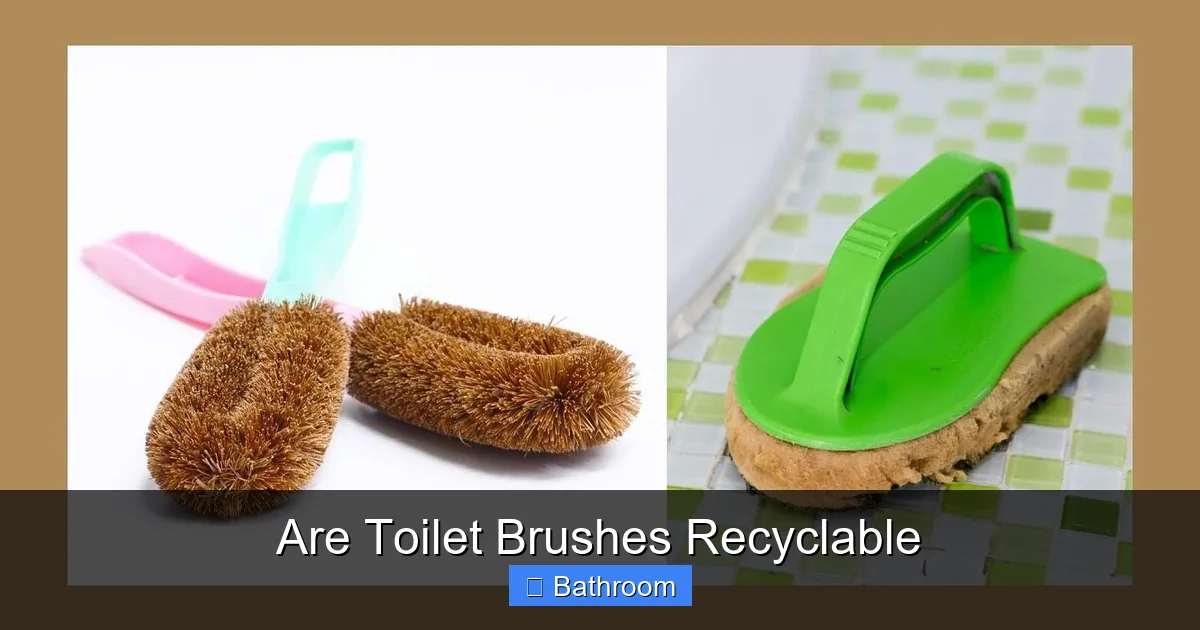
If your toilet brush can’t be recycled, the most straightforward option is to dispose of it in the regular trash. This isn’t ideal from an environmental standpoint, but it’s better than flushing or leaving it in the bathroom.
Visual guide about Are Toilet Brushes Recyclable
Image source: ecotsy.com
To make landfill disposal cleaner and safer:
- Let the brush dry completely before tossing it.
- Wrap it in newspaper or a biodegradable bag to contain odors.
- Place it in a sealed trash bag to prevent bacteria from spreading.
Composting: Is It Possible?
Composting toilet brushes is generally not recommended—especially if they’ve been used in a human bathroom. Synthetic bristles won’t break down in compost, and the risk of spreading pathogens makes it unsafe.
However, if you’re using a composting toilet, some biodegradable brush options (made from plant-based bristles and compostable handles) might be acceptable in certain systems. Look for brushes labeled as “compostable” or “home-compostable,” and always check local regulations.
Take-Back and Recycling Programs
A few eco-friendly brands now offer take-back programs or recycling initiatives for their bathroom accessories. For example, some companies will accept old brushes in exchange for a discount on a new one, then properly recycle or repurpose the materials.
If you’re committed to reducing waste, consider purchasing from brands that support circularity. A quick search for “toilet brush take-back program” or “brush recycling initiative” can reveal companies doing innovative work in this space.
DIY: Upcycle or Repurpose
Before tossing your old brush, think about creative reuse. The metal handle might work as a plant hanger, a coat hook, or a tool for organizing cables. The bristles, if clean, could be used for scrubbing pots or cleaning grout.
Just make sure to sanitize any repurposed items thoroughly before using them for other purposes. A quick soak in hot, soapy water followed by a disinfectant spray can help eliminate lingering bacteria.
Eco-Friendly Alternatives to Traditional Toilet Brushes
Brushes Made from Recycled or Sustainable Materials
Several brands now offer toilet brushes made from recycled plastics or sustainable materials. Look for handles made from ocean-bound plastic or bamboo, and bristles made from plant-based fibers.
These options reduce the demand for virgin materials and often come with better disposal plans. Some companies even use recycled content in their packaging, further minimizing environmental impact.
Biodegradable and Compostable Brushes
Biodegradable toilet brushes are gaining popularity. These brushes typically feature handles made from bamboo or cornstarch-based plastics and bristles made from natural fibers like horsehair or coconut coir.
While “biodegradable” doesn’t always mean “compostable,” many of these brushes are certified by organizations like the Biodegradable Products Institute (BPI) or TÜV Austria, which ensures they break down safely in industrial composting facilities.
Keep in mind: home composting may not be sufficient. Check the label to confirm whether the brush is suitable for backyard composting or only industrial facilities.
No-Brush Cleaning Systems
If you’re looking to eliminate the brush altogether, consider no-brush cleaning systems. These include spray bottles with disinfectant, disposable wipes, or even robotic cleaners that scrub the bowl without physical tools.
While these options generate more plastic waste (like wipes or spray bottles), they can reduce the frequency of brush replacement, potentially lowering long-term waste. Just be sure to recycle or compost the containers responsibly.
Reusable Cleaning Cloths or Sponges
Some people use washable microfiber cloths or sponges to clean the toilet bowl. These can be laundered and reused hundreds of times, significantly reducing waste compared to disposable brushes.
Just remember to clean and sanitize the cloths regularly to avoid bacterial buildup. A weekly wash in hot water with detergent is usually sufficient.
How to Choose a Greener Toilet Brush
Look for Certifications
When shopping for a new brush, check for third-party certifications like:
- BPI Compostable – Indicates safe breakdown in industrial composting.
- OK Compost – A certification by TÜV Austria for compostable products.
- FSC-Certified – Ensures wood or bamboo is sourced responsibly.
- Recycled Content – Look for “made with 50% recycled plastic” or similar labeling.
Consider the Full Lifecycle
Think beyond just the brush itself. Ask:
- Is the packaging plastic-free or recyclable?
- Does the brand offer recycling or take-back options?
- Can the brush be disassembled for easier recycling?
- How long will it last compared to cheaper, non-eco options?
Support Circular Brands
Some companies are leading the way in circular design. For example:
- Brushes with replaceable heads – Only replace the bristles, not the entire handle.
- Refillable systems – Use the same handle with new bristle inserts.
- Take-back programs – Brands like EcoRoots and Blueland accept old brushes for recycling.
Reducing Bathroom Waste Overall
Adopt a Minimalist Bathroom Routine
One of the best ways to reduce waste is to simplify your bathroom habits. Use fewer disposable products, choose multi-use items (like a shampoo bar instead of bottled shampoo), and avoid over-packaged goods.
A minimalist approach doesn’t mean sacrificing hygiene—it means choosing smarter, longer-lasting products that generate less waste.
Repair Instead of Replace
Can you fix your current brush instead of buying a new one? Some bristles can be replaced, or the brush can be disinfected and used longer with proper care. A quick soak in white vinegar or bleach solution can sanitize the bristles and extend the brush’s life.
Educate Your Household
If you live with others, make sure everyone knows how to dispose of bathroom items responsibly. Post a small note by the trash can reminding people to clean brushes before disposal and not to flush them.
Advocate for Better Infrastructure
Contact your local waste management department and ask if they accept bathroom accessories for recycling. If there’s demand, they may consider adding programs for items like toothbrushes, razors, and toilet brushes.
Conclusion: Small Changes, Big Impact
While most toilet brushes aren’t recyclable in the traditional sense, that doesn’t mean you’re stuck with landfill waste every time one wears out. By understanding what’s recyclable, exploring alternatives, and supporting sustainable brands, you can significantly reduce your environmental impact.
The key is to look beyond the brush itself and consider the whole lifecycle—from production to disposal. Choosing a brush made from recycled materials, supporting take-back programs, or even switching to a no-brush cleaning method can all make a difference.
Remember, sustainability isn’t about perfection. It’s about progress. Every time you make a greener choice—even a small one—you’re helping move toward a more sustainable future. So the next time your toilet brush finally gives out, don’t just toss it. Think about how you can dispose of it responsibly, and consider what kind of brush you’ll choose next time.
Your bathroom routine might be small, but your impact can be big.
Frequently Asked Questions
Can I put my toilet brush in the recycling bin?
Generally, no. Most toilet brushes are made from mixed materials that aren’t accepted in standard recycling programs. They’re often considered hygiene waste and should go in the regular trash.
Are metal toilet brush handles recyclable?
Yes, metal parts like stainless steel handles or shafts are usually recyclable. Detach them from the brush and take them to a metal recycling center or scrapyard for proper processing.
Are biodegradable toilet brushes compostable?
Some are, but only in industrial composting facilities. Look for certifications like BPI or OK Compost to confirm. Home composting may not break down synthetic or mixed-material brushes safely.
Can I flush a toilet brush down the toilet?
No, never flush a toilet brush. It can clog pipes, damage plumbing systems, and create serious sanitation hazards. Always dispose of brushes in the trash.
Do any brands recycle old toilet brushes?
A few eco-conscious brands offer take-back programs or recycling initiatives. Examples include EcoRoots and Blueland, which accept old brushes for proper recycling or repurposing.
How can I clean my toilet brush before disposal?
Rinse it thoroughly under hot water to remove residue. Let it dry completely, then wrap it in newspaper or a biodegradable bag before placing it in a sealed trash bag to contain odors and bacteria.