Are Toilet Brushes Unhygienic
Toilet brushes aren’t inherently unhygienic—but they can become breeding grounds for bacteria if not cleaned and stored properly. Many people worry about germs lingering on brush bristles, but with the right cleaning routine, toilet brushes can remain safe and effective. The real issue lies in improper use, storage, and maintenance, not the brush itself.
Key Takeaways
- Bacteria can grow on toilet brushes: Toilet brushes can harbor harmful bacteria like E. coli and Salmonella if not cleaned regularly.
- Proper cleaning is essential: Rinse brushes after each use and soak them in disinfectant weekly to kill germs.
- Storage matters: Always store brushes upright in a dry holder to prevent moisture buildup and bacterial growth.
- Replace brushes regularly: Replace your toilet brush every 3–6 months or sooner if bristles wear out or discolor.
- Consider alternative cleaning tools: Disposable toilet cleaning wipes or spray-and-wipe systems may reduce cross-contamination.
- Handwashing is critical: Always wash your hands after handling the brush to prevent spreading germs.
📑 Table of Contents
- Are Toilet Brushes Unhygienic? The Truth Behind the Germs
- Understanding the Germ Problem in Your Bathroom
- How to Clean Your Toilet Brush Like a Pro
- Are Electric Toilet Brushes Better?
- When to Replace Your Toilet Brush
- Alternative Cleaning Methods to Consider
- Common Myths About Toilet Brush Hygiene
- Final Thoughts: Is Your Toilet Brush Safe?
Are Toilet Brushes Unhygienic? The Truth Behind the Germs
Let’s face it—your toilet brush lives in one of the dirtiest places in your home. Every time you flush, tiny droplets of waste can splash into the air and settle on surfaces, including your trusty brush. That’s why so many people wonder: are toilet brushes unhygienic? The short answer? Not necessarily—but they can become unhygienic if you’re not taking proper care of them.
We’ve all been there: reaching for the brush, scrubbing away, and feeling a little uneasy afterward. You might even skip using it altogether because of germ fears. But here’s the thing—your toilet brush isn’t the villain. In fact, it’s a useful tool when used and maintained correctly. The real issue often lies in how we clean, store, and replace our brushes. With a few simple changes to your routine, you can keep your bathroom germ-free and your brush working effectively.
In this article, we’ll dive deep into the science (and common sense) behind toilet brush hygiene. We’ll explore what actually happens to germs on your brush, how to clean it properly, and whether you should be worried at all. By the end, you’ll have all the tools you need to make an informed decision about your bathroom cleaning habits.
Understanding the Germ Problem in Your Bathroom
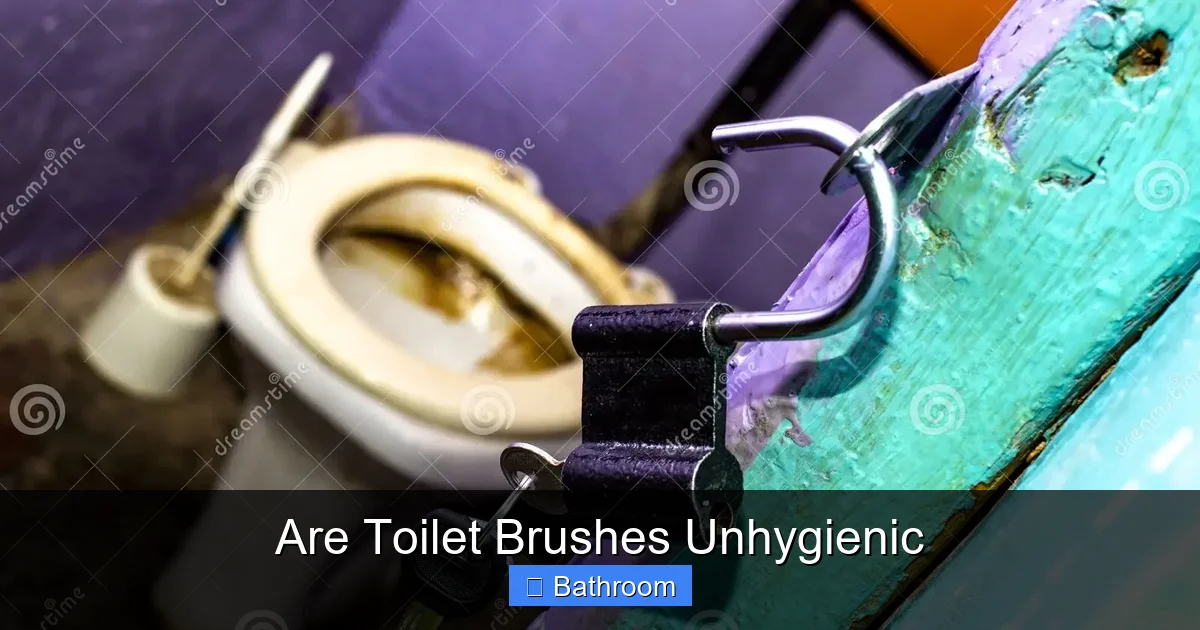
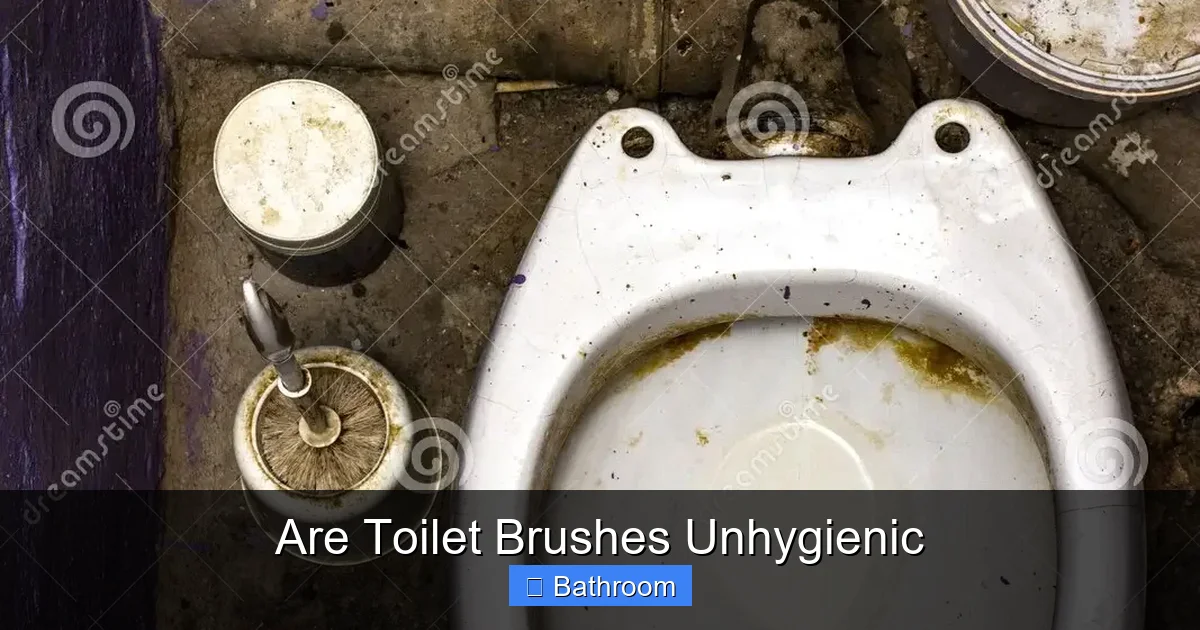
Before we talk solutions, let’s talk about the problem. Toilet brushes come into contact with fecal matter, urine, and other bathroom contaminants every time you use them. This means they’re exposed to bacteria like E. coli, Salmonella, and even norovirus, which can cause serious illness. These germs don’t just sit on the brush—they can multiply quickly in warm, moist environments.
Visual guide about Are Toilet Brushes Unhygienic
Image source: thumbs.dreamstime.com
Why Moisture Is a Germ’s Best Friend
After cleaning your toilet, the brush is wet. If you leave it standing upright in a cup without proper drainage or airflow, that moisture creates the perfect breeding ground for bacteria. In fact, studies have shown that brushes stored in closed containers can reach temperatures as high as 90°F (32°C)—ideal for germ growth. Without regular disinfection, your brush could become a hotspot for microbial activity.
Cross-Contamination Is Real
Another concern is cross-contamination. If you use the same brush to clean multiple toilets or touch other bathroom surfaces with your hands after handling the brush, you risk spreading germs. That’s why handwashing is so important—and why some people prefer disposable cleaning tools.
But here’s the good news: most of these risks are preventable. With the right cleaning routine, your toilet brush can stay safe and effective. The key is consistency and attention to detail.
How to Clean Your Toilet Brush Like a Pro
If you’ve been tossing your brush in a cup after every use, it’s time for a change. Proper cleaning doesn’t require fancy gadgets—just a little effort and the right mindset. Let’s walk through the steps to keep your brush germ-free.
Visual guide about Are Toilet Brushes Unhygienic
Image source: cdn.images.express.co.uk
Step 1: Rinse Immediately After Use
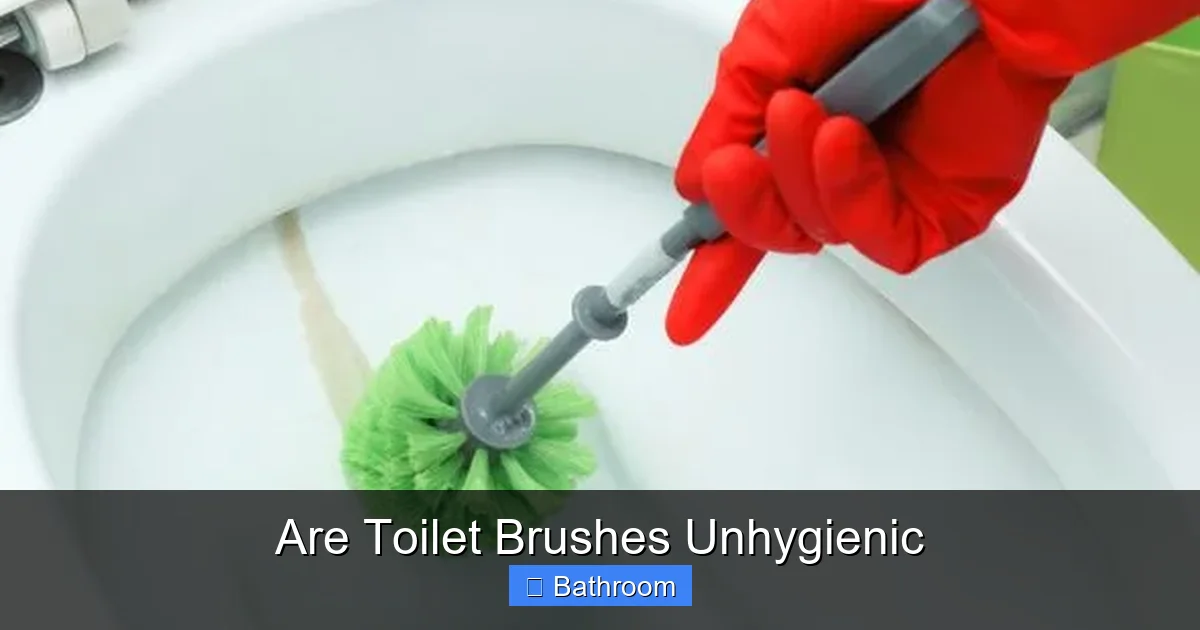
As soon as you finish scrubbing, rinse the brush under hot running water. This helps remove most of the visible residue. Don’t skip this step—it’s the first line of defense against germ buildup.
Step 2: Soak in Disinfectant Weekly
Once a week, soak your brush in a disinfecting solution. A mix of one part bleach to four parts water works well, or you can use a commercial bathroom cleaner. Let it sit for at least 10 minutes before rinsing thoroughly. This kills lingering bacteria and keeps your brush sanitized.
Step 3: Use a Dedicated Brush Holder
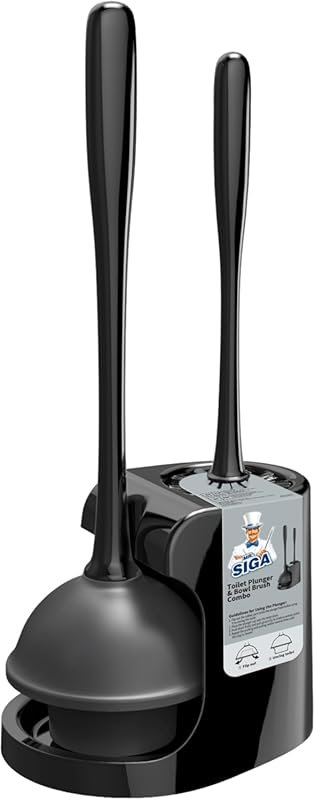
Invest in a brush holder with drainage holes and a lid. The lid helps contain splashes, and the holes allow air to circulate, drying the brush faster. Avoid open cups—they trap moisture and promote bacterial growth.
Step 4: Replace Bristles When Needed
Over time, bristles wear down and trap more dirt. If your brush looks dirty or smells funky even after cleaning, it’s time for a replacement. Most brushes should be swapped every 3 to 6 months.
By following these steps, you’ll drastically reduce the risk of germs on your brush. It only takes a few minutes a week—but it makes a big difference.
Are Electric Toilet Brushes Better?
With so many new bathroom gadgets hitting the market, you might be wondering: should I upgrade to an electric toilet brush? These devices use UV light or rotating heads to clean automatically, promising a germ-free experience.
Visual guide about Are Toilet Brushes Unhygienic
Image source: c8.alamy.com
The Pros of Electric Brushes
Electric brushes do offer convenience. They often come with self-cleaning modes and sealed compartments that reduce direct contact with germs. Some models even have UV sterilization, which can kill up to 99.9% of bacteria.
The Cons to Consider
However, electric brushes are more expensive and require batteries or charging. They also rely on technology that can break down over time. Plus, they still need to be cleaned manually in some cases. For many people, a well-maintained manual brush is just as effective—and more affordable.
If you’re concerned about hygiene and willing to invest, an electric brush might be worth considering. But don’t feel pressured to switch—many traditional brushes, when cleaned properly, perform just as well.
When to Replace Your Toilet Brush
Even the cleanest brush has a lifespan. Here’s how to know when it’s time to toss it.
Signs Your Brush Is Past Its Prime
- Discoloration: Yellow or brown bristles indicate deep cleaning isn’t working.
- Foul Odor: A persistent smell means bacteria are thriving.
- Worn Bristles: If the bristles are frayed, they can’t clean effectively.
- Stiff or Brittle: This suggests the brush material is breaking down.
Don’t wait until your brush is falling apart. Replace it proactively every few months to stay ahead of germs.
Pro Tip: Keep a Spare
Having a backup brush means you can rotate between two—cleaning one while the other dries. This gives each brush time to air out fully and reduces the chance of cross-contamination.
Alternative Cleaning Methods to Consider
If you’re still not convinced about toilet brushes, you’re not alone. Some people prefer alternatives that minimize direct contact with germs. Here are a few options to explore.
Disposable Toilet Cleaning Wipes
These pre-moistened wipes are great for quick cleanups. Just wipe the bowl, flush, and toss the wipe. No brush, no mess—just germs contained in the wipe. Just make sure to wash your hands afterward.
Spray and Wipe Systems
Some brands offer toilet cleaning sprays that you apply, wait a few minutes, then wipe with a disposable cloth. These are effective for tough stains and don’t require brushing.
Microfiber Cloths
For a reusable option, try a long-handled microfiber cloth. You can dampen it with cleaner and scrub the bowl without touching the brush. Just rinse the cloth frequently and wash it weekly.
Each method has pros and cons. Brushes are great for deep cleaning, while wipes and sprays offer convenience. The best choice depends on your lifestyle and comfort level.
Common Myths About Toilet Brush Hygiene
There’s a lot of misinformation out there about toilet brushes. Let’s clear up some of the most common myths.
Myth 1: All Toilet Brushes Are Unhygienic
This isn’t true. A clean, well-stored brush is safe to use. The problem isn’t the brush—it’s poor hygiene habits.
Myth 2: Bleach Will Damage the Brush
While bleach can degrade some materials over time, a diluted bleach solution is safe for most brushes if used occasionally. Just rinse thoroughly afterward.
Myth 3: You Should Never Touch the Brush
That’s extreme. You can handle your brush—just always wash your hands afterward. The risk of infection from brief contact is low if you follow basic hygiene rules.
Separating fact from fiction helps you make smarter choices. Don’t let myths scare you away from a useful cleaning tool.
Final Thoughts: Is Your Toilet Brush Safe?
So, are toilet brushes unhygienic? The answer is nuanced. They can be, if neglected. But with proper cleaning, storage, and replacement, they’re perfectly safe and effective. The real hygiene risk often comes from skipping steps—not from the brush itself.
Think of your toilet brush like a kitchen sponge. Both can harbor germs if not cleaned regularly. But with the right routine, both can stay safe. The difference is in your habits, not the tool.
If you’ve been worried about germs, try implementing the cleaning tips we discussed. You might be surprised how easy it is to keep your brush—and your bathroom—clean and safe. And if you still feel uneasy, consider trying a disposable wipe system. There’s no shame in choosing what makes you feel comfortable.
Remember: the goal isn’t perfection—it’s consistency. A few minutes of care each week can go a long way in keeping your bathroom healthy. So go ahead, grab your brush, and give that toilet a proper scrub. Just don’t forget to wash your hands when you’re done.
Frequently Asked Questions
Can toilet brushes spread germs?
Yes, if not cleaned and stored properly, toilet brushes can spread germs like E. coli and Salmonella. However, with regular disinfection and proper storage, the risk is minimal.
How often should I clean my toilet brush?
Clean your toilet brush weekly with a disinfecting solution and rinse it after every use. Replace it every 3 to 6 months or when bristles wear out.
Is it safe to use bleach on toilet brushes?
Yes, but use a diluted bleach solution (1 part bleach to 4 parts water) and rinse thoroughly afterward. Avoid frequent use, as bleach can degrade brush materials over time.
Should I use an electric toilet brush?
Electric brushes offer convenience and self-cleaning features, but they’re more expensive. A well-maintained manual brush can be just as effective and cost less.
Can I use the same brush for multiple toilets?
It’s not recommended. Using the same brush across multiple toilets increases the risk of cross-contamination. Use one brush per bathroom if possible.
What’s the best way to store a toilet brush?
Store it upright in a holder with drainage holes and a lid. This allows air to circulate and prevents moisture buildup, reducing bacterial growth.