Are Toilet Brushes Unsanitary
Toilet brushes aren’t inherently unsanitary—but they can become breeding grounds for bacteria if not cleaned properly. With daily cleaning, proper storage, and the right tools, you can maintain a hygienic bathroom routine. The real issue isn’t the brush itself, but how we care for it.
Key Takeaways
- Toilet brushes can harbor bacteria if not cleaned regularly, especially in the bristles and holder.
- Proper cleaning routine is essential—rinse after each use, scrub weekly, and disinfect monthly.
- Storage matters—keep brushes away from toilet spray and in a dry, ventilated area.
- Replace brushes every 3–6 months or sooner if bristles fray or smell persist.
- Use a brush with a built-in cleaner or disinfectant spray to reduce contamination risk.
- Wear gloves when cleaning to protect yourself from germs and avoid cross-contamination.
- Consider alternatives like toilet scrub pads or bidet attachments for lower-maintenance hygiene.
📑 Table of Contents
- Are Toilet Brushes Unsanitary? The Truth About Bathroom Hygiene
- The Science Behind Toilet Brush Germs
- Are All Toilet Brushes Unsafe?
- How to Clean Your Toilet Brush Properly
- Storage Tips to Keep Your Brush Clean
- Alternatives to Traditional Toilet Brushes
- Common Myths About Toilet Brushes
- Conclusion: Keep It Clean, Keep It Safe
Are Toilet Brushes Unsanitary? The Truth About Bathroom Hygiene
We’ve all been there: you reach for the toilet brush to clean up after a messy bathroom visit, only to feel a pang of doubt. Is the brush really clean? Does it harbor germs worse than the toilet itself? These questions aren’t just paranoia—they’re rooted in real concerns about bathroom hygiene. After all, the toilet brush lives in the same bowl where waste splashes, and it’s designed to scrub away residue that most people would rather forget.
But here’s the good news: toilet brushes aren’t inherently unsanitary. Like any cleaning tool, their cleanliness depends entirely on how they’re used and maintained. With the right habits, a toilet brush can be a safe, effective, and hygienic part of your bathroom routine. The real challenge lies in understanding how germs spread, where they hide, and how to eliminate them before they become a problem.
In this article, we’ll break down the science behind toilet brush hygiene, debunk common myths, and give you practical, easy-to-follow tips to keep your brush—and your bathroom—as clean as possible. Whether you’re a germaphobe or just trying to stay sane in a shared bathroom, you’ll walk away with confidence in your cleaning routine.
The Science Behind Toilet Brush Germs
Where Do Germs Come From?
To understand whether toilet brushes are unsanitary, we first need to look at where germs come from. When you flush, tiny droplets of water—called aerosols—can spray up to six feet in the air. These droplets carry bacteria like E. coli, Salmonella, and even viruses such as norovirus. If your toilet brush is sitting in the bowl or nearby, it can easily come into contact with these particles.

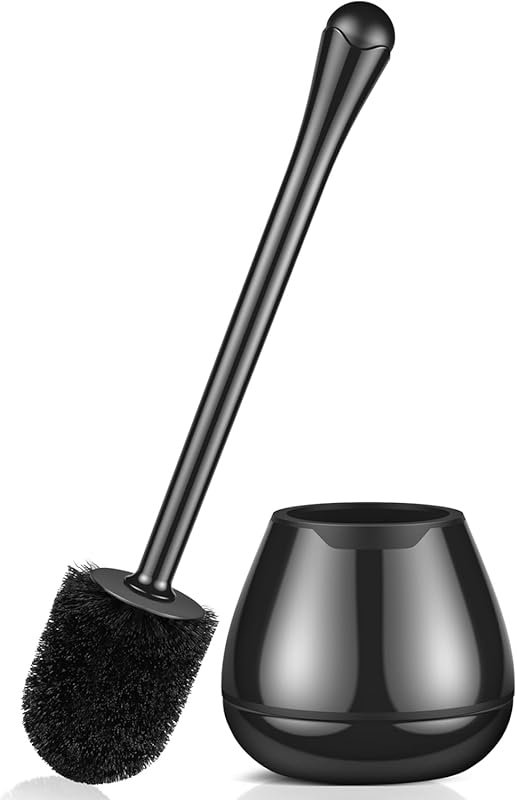
Visual guide about Are Toilet Brushes Unsanitary
Image source: images-na.ssl-images-amazon.com
But it’s not just the splash that’s the problem. The bristles of the brush can trap fecal matter and urine residue, creating a moist environment where bacteria thrive. Without proper cleaning, this residue can dry and harden, making it even harder to remove during routine scrubbing.
Common Germs Found in Toilet Brushes
Studies have shown that toilet brushes can harbor a variety of harmful microorganisms. One 2019 study published in the American Journal of Infection Control tested 40 toilet brushes and found that 75% had detectable levels of fecal bacteria. Another study found that brushes stored in holders without lids were significantly more contaminated than those stored separately.
Common culprits include:
- Escherichia coli (E. coli): A bacteria commonly found in human waste that can cause gastrointestinal illness.
- Staphylococcus aureus: A bacterium that can lead to skin infections and is resistant to many antibiotics.
- Norovirus: A highly contagious virus that causes nausea, vomiting, and diarrhea.
While most healthy individuals won’t get sick from occasional exposure, people with weakened immune systems, young children, or the elderly are at higher risk. That’s why proper cleaning isn’t just about comfort—it’s about health.
Are All Toilet Brushes Unsafe?
Not All Brushes Are Created Equal
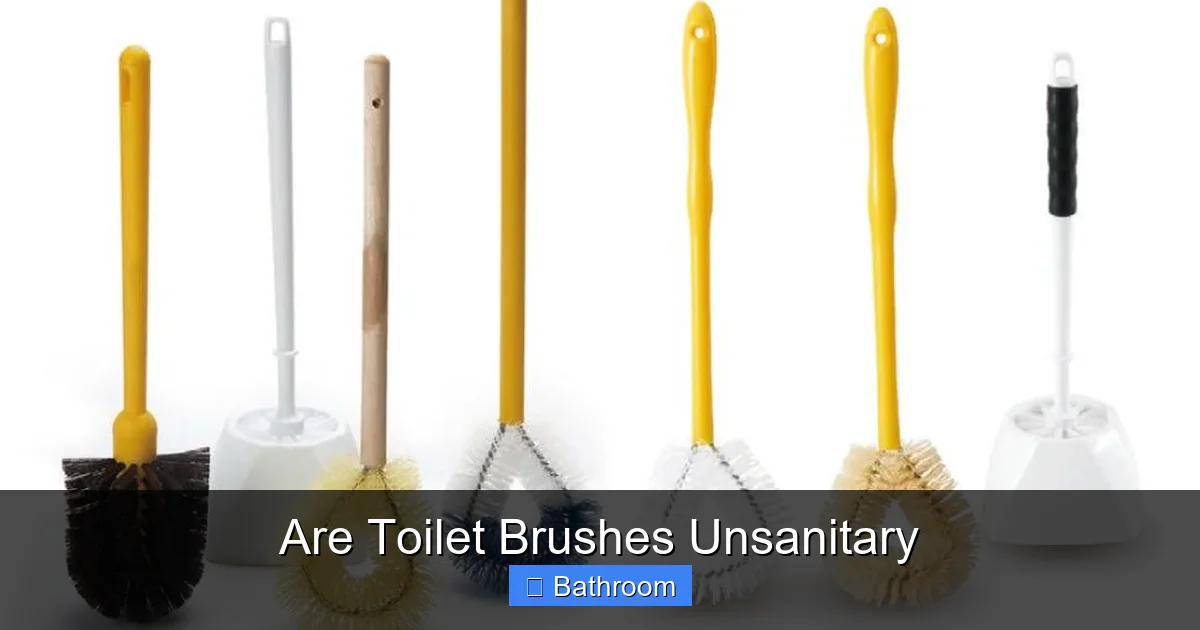
Not every toilet brush is a germ factory. The design and materials of the brush play a big role in how sanitary it can be. For example:
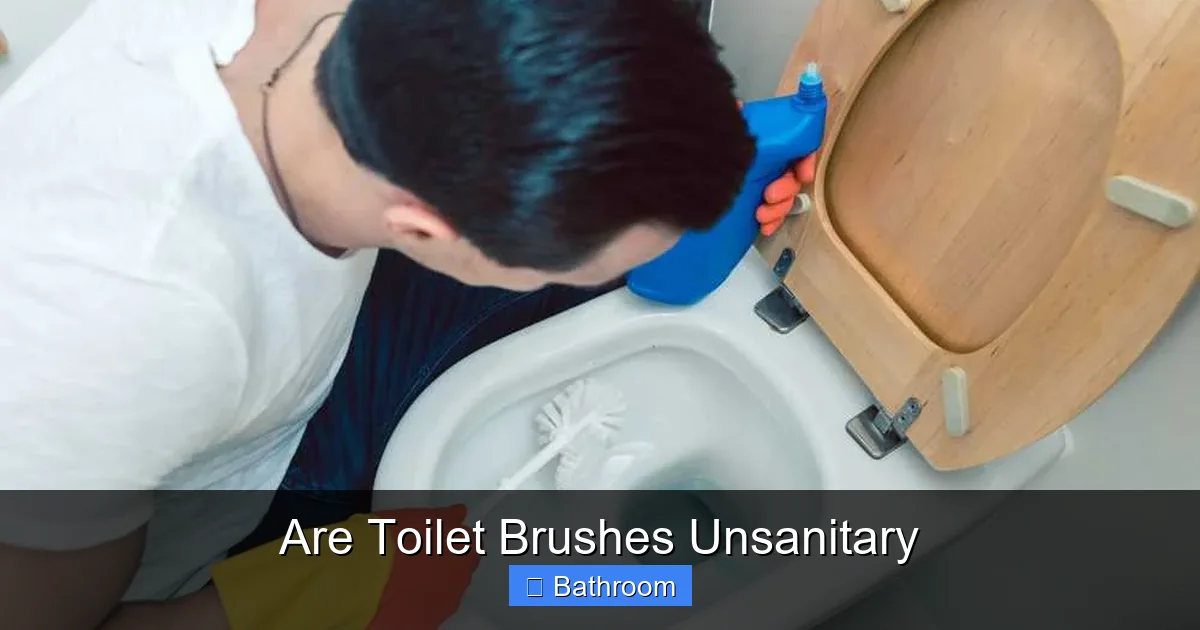
Visual guide about Are Toilet Brushes Unsanitary
Image source: sensibledigs.com
- Metal vs. Plastic Bristles: Metal bristles are easier to disinfect and less likely to trap bacteria than plastic ones, which can harbor mold and mildew.
- Brush with Disinfectant: Some modern brushes come with built-in cleaning solutions. After use, you dip the brush in the liquid, which helps kill germs on contact.
- Self-Cleaning Holders: These holders spray a disinfectant into the bowl after each flush, reducing the risk of contamination.
On the flip side, brushes stored in open holders or left in the bowl without rinsing are far more likely to become unsanitary. The key is choosing the right tool and using it correctly.
Signs Your Toilet Brush Needs Replacing
Even the best-maintained brush won’t last forever. Here are signs it’s time to toss it:
- Frayed bristles: Once the bristles start to break down, they can’t clean effectively and may trap more dirt.
- Persistent odor: A bad smell that won’t go away after cleaning suggests deep-seated bacteria.
- Discoloration: Black spots or mold on the bristles are a red flag.
- Cracks or damage: Cracks can harbor bacteria and make the brush unsafe to use.
Most experts recommend replacing your toilet brush every 3 to 6 months, depending on usage and how well you clean it.
How to Clean Your Toilet Brush Properly
Daily Maintenance Routine
You don’t need to deep-clean your brush every day, but a quick rinse is essential. Here’s what to do after each use:
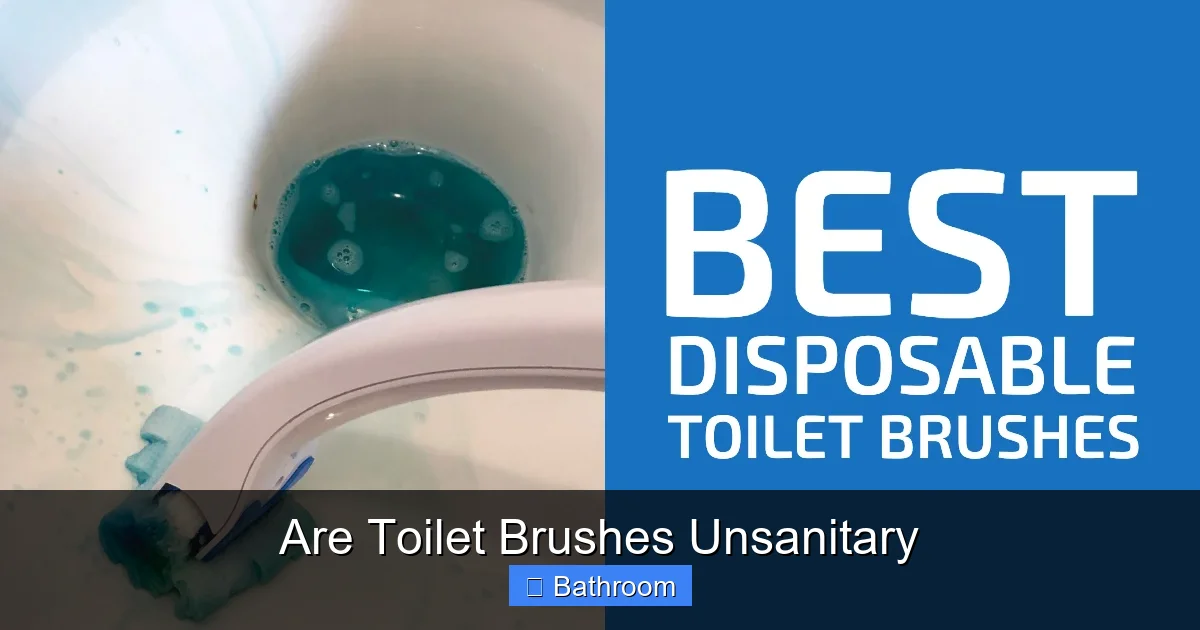
Visual guide about Are Toilet Brushes Unsanitary
Image source: bathroomworld.net
- Rinse immediately: After scrubbing, lift the brush and rinse it thoroughly under running water. This removes visible residue.
- Shake off excess water: Give the bristles a firm shake to get rid of droplets.
- Store upright or in a dry holder: Avoid letting the brush sit in standing water, which promotes bacterial growth.
If you have a brush with a disinfectant reservoir, dip it in the solution after rinsing. This kills germs and keeps the brush smelling fresh.
Weekly Deep Cleaning
Once a week, it’s time for a more thorough cleaning. Here’s a simple method:
- Soak in disinfectant: Fill a bowl or bucket with a mixture of one part bleach to four parts water. Submerge the brush for 10 minutes.
- Scrub with a brush or toothbrush: Use a small brush to clean between the bristles and the handle.
- Rinse well: Make sure no bleach residue remains.
- Dry completely: Let the brush air-dry on a towel or in a ventilated area.
Alternatively, you can use white vinegar or hydrogen peroxide. Both are effective at killing bacteria and are less harsh than bleach.
Monthly Disinfection
For extra peace of mind, disinfect your brush once a month using a stronger solution. A 10% bleach solution or a commercial bathroom disinfectant works well. Always wear gloves and work in a well-ventilated area.
Don’t forget the holder! Clean it with soapy water and disinfectant regularly. Mold and grime can build up in the grooves, creating a breeding ground for bacteria.
Storage Tips to Keep Your Brush Clean
The Importance of Proper Storage
Where you store your toilet brush matters as much as how you clean it. Here are some best practices:
- Avoid open holders: Open holders allow airborne germs to settle on the brush. If you must use one, choose a model with a lid or spray mechanism.
Keep the brush at least 12 inches away from the bowl to reduce splash exposure. A stand with airflow dries the brush faster and prevents mold.
Some people prefer to store their brush in a separate bathroom cabinet or on a high shelf. This keeps it out of the way and reduces contamination risk.
DIY Brush Storage Solutions
If you don’t have a fancy holder, you can make your own safe storage:
- Use a plastic bottle: Cut the bottom off a clean plastic bottle and place the brush inside. It keeps the bristles dry and protected.
A suction cup hook or towel rack can hold the brush upright and out of the way. Place the brush on a clean, dry towel after use. Change the towel weekly.
The goal is to keep the brush dry, clean, and away from potential contaminants.
Alternatives to Traditional Toilet Brushes
Toilet Scrub Pads
For those who want a low-maintenance option, toilet scrub pads are a great alternative. These reusable pads attach to the inside of the bowl and are designed to scrub away stains and residue. After use, they can be rinsed and reused—just like a sponge.
Pros:
- No bristles to trap bacteria
- Easy to clean and dry
- Less likely to harbor mold
Cons:
- May not clean as effectively on tough stains
- Need to be replaced periodically
Bidet Attachments
A bidet attachment sprays water to clean the toilet bowl after use. This reduces the need for a brush altogether. Many people find that using a bidet makes bathroom cleaning easier and more hygienic.
Pros:
- Reduces splash and aerosol exposure
- No brush needed
- Can save water and toilet paper
Cons:
- Initial installation cost
- Requires plumbing changes
Disposable Toilet Brushes
Some brands offer disposable brushes that come in sealed packaging. These are used once and thrown away, eliminating the need for cleaning. They’re ideal for shared bathrooms or people who travel often.
Pros:
- No cleaning required
- Always hygienic
Cons:
- Not eco-friendly
- More expensive over time
Common Myths About Toilet Brushes
Myth: All Toilet Brushes Are Diseased
While it’s true that brushes can harbor bacteria, they don’t automatically make you sick. Proper cleaning and maintenance go a long way. The risk is low for healthy individuals, especially if you follow basic hygiene rules.
Myth: Bleach Damages the Toilet
A little bleach won’t harm your toilet. In fact, it’s a powerful disinfectant. Just avoid pouring it directly on porcelain or leaving it sitting for too long. Rinse well afterward.
Myth: You Don’t Need to Clean the Brush
This is the biggest myth of all. Skipping the cleaning step turns your brush into a germ magnet. Even if it looks clean, bacteria can lurk deep in the bristles.
Myth: Plastic Bristles Are Worse Than Metal
While plastic bristles can trap moisture, metal bristles can rust. The real issue is how you clean and store the brush, not the material alone.
Myth: You Can Use Any Brush for the Toilet
Don’t use a kitchen sponge or dish brush for the toilet. These are designed for different surfaces and can transfer harmful bacteria.
Conclusion: Keep It Clean, Keep It Safe
So, are toilet brushes unsanitary? The answer is nuanced. They can be—if neglected. But with a consistent cleaning routine, proper storage, and smart choices, they can be a safe and effective part of your bathroom hygiene. The key is to treat your brush like any other cleaning tool: respect it, clean it, and replace it when needed.
Remember, the goal isn’t perfection—it’s practicality. You don’t need to sterilize your brush every hour. A few minutes of daily care and a weekly deep clean are more than enough. And if you want to simplify things, consider switching to a scrub pad or bidet attachment. Sometimes, the best way to stay clean is to avoid the mess in the first place.
Your bathroom should be a place of comfort and cleanliness, not stress. By understanding how germs spread and taking simple steps to prevent contamination, you can turn the dreaded toilet brush into a trusted ally in your daily routine. Stay clean, stay healthy, and don’t let germ fears keep you from a good night’s sleep.
Frequently Asked Questions
Are toilet brushes really full of germs?
Yes, studies have shown that toilet brushes can harbor bacteria like E. coli and Salmonella, especially if not cleaned regularly. The bristles and holder can trap fecal matter and moisture, creating a breeding ground for germs.
How often should I clean my toilet brush?
You should rinse your toilet brush after each use and deep clean it weekly with a disinfectant solution. Monthly disinfection is recommended for extra hygiene.
Can I use vinegar to clean my toilet brush?
Yes, white vinegar is an effective natural disinfectant. Soak the brush in a 50/50 vinegar and water solution for 10–15 minutes, then rinse thoroughly.
How long do toilet brushes last?
Most toilet brushes should be replaced every 3 to 6 months, depending on wear and tear. Replace them if bristles fray, smell persist, or show signs of mold.
Is it safe to use a bidet instead of a toilet brush?
Yes, a bidet attachment can reduce the need for a brush by cleaning the toilet bowl with water. It’s a hygienic and low-maintenance alternative.
Should I wear gloves when cleaning the toilet?
Yes, wearing gloves protects your hands from germs and prevents cross-contamination. Use disposable gloves and wash your hands thoroughly after removing them.