Artificial Desk Plants
Artificial desk plants deliver the refreshing look of greenery without any of the work. They require no watering, sunlight, or pruning, staying vibrant and full forever. Ideal for busy professionals, home offices, or anyone without a green thumb, these faux plants instantly liven up any desk or workspace with permanent, maintenance-free beauty.
Let’s be honest: that sad little succulent on your desk? It’s seen better days. The leaves are yellowing, the soil is crusty, and you’re pretty sure it’s judging your life choices. You wanted a touch of green to liven up your workspace, to make your home office feel less like a cubicle and more like a cozy nook. But between back-to-back meetings, school drop-offs, and just plain forgetting, keeping a real plant alive feels like an impossible mission.
What if I told you there’s a hero in this story? A silent, steadfast partner that promises all the lush beauty of a jungle canopy with absolutely none of the responsibility? Enter the world of artificial desk plants. These aren’t your grandmother’s dusty plastic ferns from the 1970s. Today’s faux flora are stunningly realistic, incredibly versatile, and might just be the secret weapon your productivity—and your decor—has been missing.
In this complete guide, we’re diving deep into everything you need to know about artificial desk plants. We’ll bust the myths, explore the materials that make them look real, give you styling tips for any desk size, and explain why they’re more than just a pretty face. Whether you’re a minimalist, a maximalist, or somewhere in between, get ready to transform your workspace with everlasting greenery.
Key Takeaways
- Zero Maintenance Required: Unlike real plants, artificial desk plants never need water, fertilizer, or sunlight, making them perfect for low-light offices or forgetful plant owners.
- Material Dictates Realism: High-quality silk or polyester plants offer the most realistic look, while plastic is durable and felt provides a modern, textural feel.
- Style for Any Space: From tiny succulents to large fiddle-leaf figs, there’s an artificial desk plant size and style to complement any desk size, decor theme, and personal taste.
- Effortless to Clean: A quick dusting with a microfiber cloth or a gentle blast of compressed air keeps them looking fresh, with no risk of pests or soil spills.
- Smart Buying Considerations: Prioritize material quality, pot weight, and UV resistance if near a window. Read reviews and buy from reputable sellers for the best value.
- Boost Mood & Productivity: Studies show that even artificial greenery can reduce stress, improve concentration, and enhance overall workspace satisfaction through biophilic design principles.
- Long-Term Cost Effective: While the upfront cost may be higher than a small real plant, they last for years without replacement costs, saving money and time long-term.
📑 Table of Contents
- Why Artificial Desk Plants Are a Game-Changer for Your Workspace
- The Material Science of Realism: What Your Fake Plant Is Actually Made Of
- Styling Your Desk: From Drab to Fab with Artificial Greenery
- Effortless Maintenance: Keeping Your Faux Foliage Fresh
- Your Ultimate Buying Guide: What to Look For Before You Buy
- More Than Just Decor: The Surprising Health & Productivity Perks
- Conclusion: Your Permanent Green Thumb Awaits
Why Artificial Desk Plants Are a Game-Changer for Your Workspace
Before we talk about *how* to choose one, let’s get clear on the *why*. Why are these fake plants causing such a revolution in home offices and corporate cubicles alike? The answer lies in a simple, powerful concept: effortless enhancement.
Your desk is your command center. It’s where ideas are born, deadlines are crushed, and coffee is solemnly consumed. The environment you create here has a direct, measurable impact on your mood, focus, and even the quality of your work. Biophilic design—the practice of connecting people with nature in built environments—isn’t just an architectural buzzword; it’s a proven psychological booster. Natural elements reduce stress, lower blood pressure, and increase cognitive performance.
The Problem with Real Plants (It’s Not You, It’s Them)
Real plants are wonderful, but they are also high-maintenance roommates. They have specific, often finicky, needs:
- Light Requirements: That gorgeous Monstera needs bright, indirect light. Your desk, tucked under a fluorescent light and away from windows? Not happening.
- Watering Schedules: Overwater? Root rot. Underwater? Crispy edges. It’s a Goldilocks dilemma you don’t have time for.
- Pests & Disease: Spider mites, mealybugs, fungus gnats. These are not welcome conference call participants.
- Seasonal Mood Swings: Plants drop leaves, go dormant, and can look sad for months, dragging your desk aesthetic down with them.
For the vast majority of us with busy lives and less-than-ideal office lighting, a real desk plant is a constant source of low-grade anxiety. “Did I water it? Is it getting enough sun? Why is it yellowing?” This is cognitive load you simply don’t need.
The Unbeatable Advantages of Faux
Artificial desk plants solve all these problems at once. Their benefits are a perfect match for the modern workspace:
1. The “Set It and Forget It” Dream: You place it. You admire it. You never think about it again until you accidentally knock it over. There is no watering schedule, no fertilizing, no repotting. It is the ultimate low-commitment greenery.
2. Consistency is King: Your artificial desk plant will look exactly the same today, next month, and next year. No seasonal shedding, no sudden die-off. It provides a stable, predictable element of calm in your environment. That consistency is a visual anchor.
3. Location, Location, Location: Do you have a desk in a windowless basement? A dark corner of a home office? No problem. These plants thrive in total darkness. Want to put a lush fern right next to your radiator? Go ahead. They are impervious to temperature swings and humidity levels that would murder a real tropical.
4. Allergy & Pet Friendly: No pollen. No soil that can harbor mold spores. No toxic leaves if a curious cat or dog decides to take a nibble (though you should always check material safety for specific pets). It’s pure, safe greenery.
5. Long-Term Value: Yes, a high-quality faux plant has a higher upfront cost than a $5 spider plant. But over five years, you’ve saved hundreds on replacement plants, pots, soil, fertilizer, and—most importantly—your time and emotional energy. It’s a one-time investment in perpetual beauty.
In short, artificial desk plants democratize the benefits of biophilic design. You don’t need a green thumb, a south-facing window, or a spare 10 minutes a week. You just need to pick one you like and put it on your desk. It’s that simple.
The Material Science of Realism: What Your Fake Plant Is Actually Made Of
Not all artificial plants are created equal. The difference between a obviously fake, plastic-y shrub and a stunningly realistic silk fern comes down to two things: material and craftsmanship. Understanding these materials is the key to making a purchase you’ll love for years.
Silk & Polyester: The Gold Standard
When people think of “silk plants,” they’re usually referring to plants made from silk or, more commonly today, high-grade polyester fabrics. This is the top tier of realism.
- How it’s Made: Individual leaves and petals are cut from fabric, then meticulously hand-painted or dyed with multiple colors to create subtle variations, veining, and the lifelike gradient you see on real leaves. The veins are often created with heat-setting or silk-screening.
- The Look & Feel: The fabric has a soft, natural drape and matte finish that closely mimics real foliage. The multi-color painting process means no two leaves are exactly alike, just like in nature. The best ones even have tiny imperfections like small brown spots or natural curl.
- Best For: Indoor use, especially in home offices or professional settings where realism is paramount. Think fiddle-leaf figs, monstera deliciosa, peace lilies, and ferns.
- Care Note: While durable, prolonged direct sunlight can fade the dyes over many years. A spot with bright, indirect light is ideal for longevity.
Plastic & Polyethylene: Durable and Versatile
Plastic has come a long way from the shiny, stiff leaves of the past. Modern injection-molded plastic plants are incredibly realistic and built to last.
- How it’s Made: Leaves are molded from plastic (often polyethylene, which is more flexible) using detailed molds taken from real leaves. This creates perfect replication of shape, size, and even surface texture like the ribbing on a banana leaf.
- The Look & Feel: Can be either very matte and realistic or have a slight, intentional sheen (like a real waxy leaf). The texture is often more pronounced and “crisp” than fabric. They are generally more rigid and hold their shape perfectly.
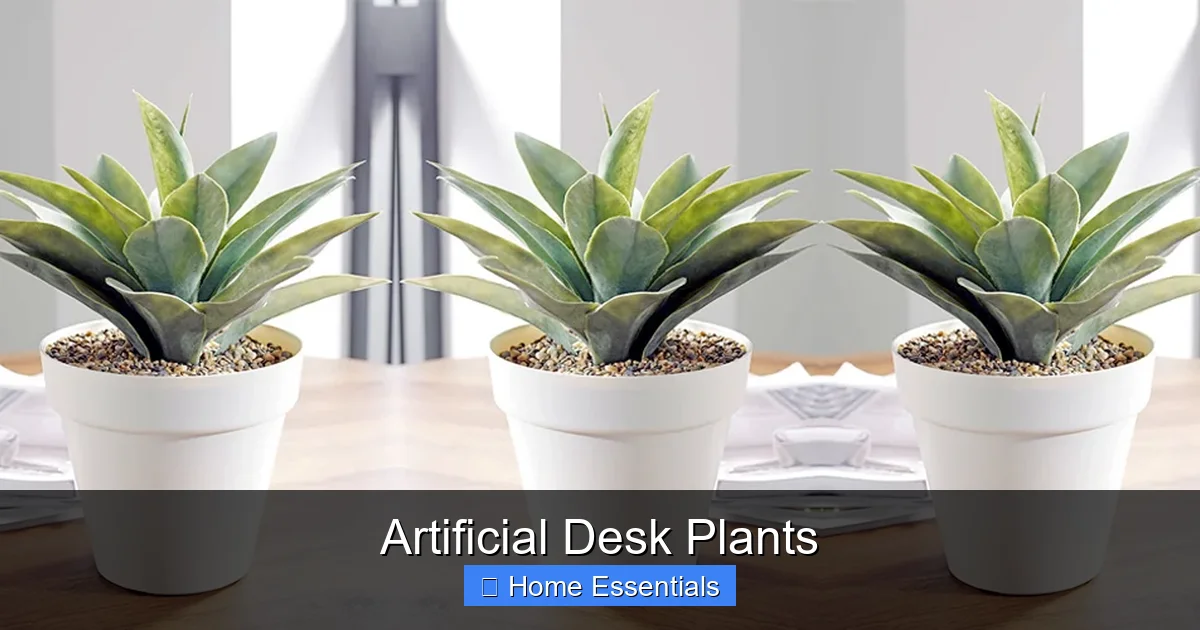
- Best For: High-traffic areas, children’s rooms, or any place where the plant might get bumped or handled frequently. Also excellent for plants with very structured leaves, like succulents, cacti, and certain tropicals.
- Care Note: Almost indestructible. Can often be cleaned with a damp cloth and mild soap. Some are UV-resistant for semi-outdoor use.
Felt & Textile: The Modern Minimalist Choice
A newer trend in the artificial plant world is felt or thick textile constructions. These are less about hyper-realism and more about creating a beautiful, graphic, textural object.
- How it’s Made: Leaves are cut from thick, high-quality felt or wool-blend fabric and often hand-stitched or layered to create dimension. They are stylized rather than botanically accurate.
- The Look & Feel: Soft, fuzzy, and substantial. They have a cozy, handmade, Scandinavian-design aesthetic. They come in solid colors or two-tone designs.
- Best For: Modern, minimalist, or Scandinavian-inspired desks and workspaces. They add warmth and texture without visual clutter. Perfect for smaller succulents or simple leaf shapes.
- Care Note: Felt can attract dust more than other materials. A gentle vacuum with a brush attachment or a lint roller works best. Avoid getting them wet.
Pro Tip: When shopping online, read the product descriptions carefully for material keywords. “Silk,” “polyester,” “fabric,” and “hand-painted” signal a high-quality, realistic plant. “Plastic” alone can be a mixed bag—look for “soft-touch” or “matte finish.” “Felt” is its own distinct category. Customer photos are your best friend for judging actual appearance.
Styling Your Desk: From Drab to Fab with Artificial Greenery
You’ve bought the plant. Now, where does it go? Styling is where the magic happens. A well-placed, well-chosen artificial desk plant can define the entire vibe of your workspace. It’s not just about putting a thing on a surface; it’s about creating a composition.
Assess Your Desk Real Estate
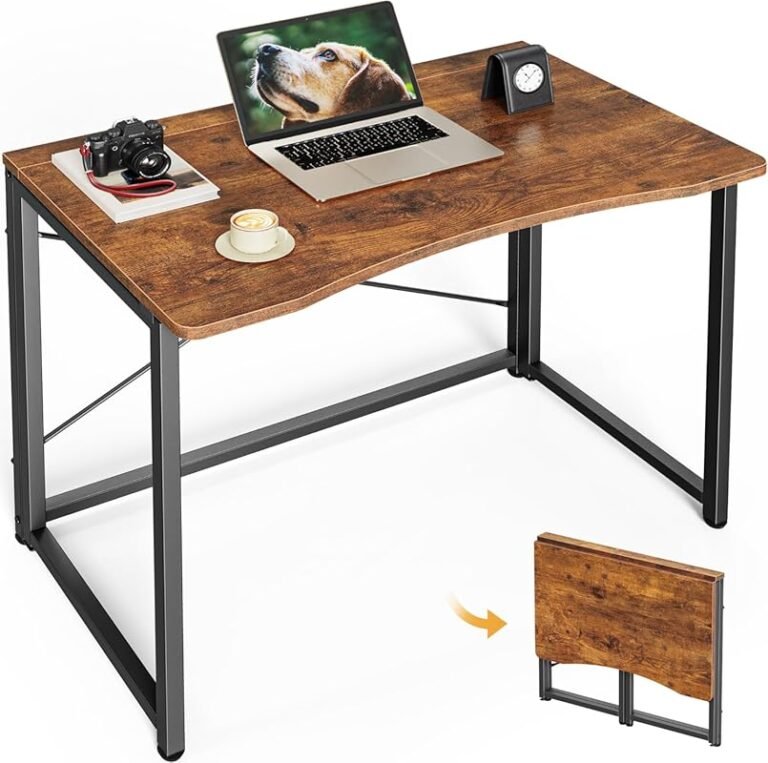
First, take a hard look at your desk layout. Is it a tiny writing desk barely big enough for a laptop? A sprawling corner desk with real estate to spare? The size and quantity of plants you choose must serve your functional needs first.
- For Small Desks (Under 48″ wide): Go for a single, impactful statement piece or a very small cluster. A 6-8 inch pot with a single-stem orchid, a small succulent in a geometric pot, or a tiny pothos cutting in a bud vase is perfect. The goal is accent, not obstruction.
- For Medium Desks (48″-72″ wide): You have options. Try the “rule of three” for a balanced look: one medium-sized plant (10-12 inch pot) on one side, and two smaller, varying-height plants on the other. Or, one larger statement piece (14-16 inch pot) placed asymmetrically.
- For Large Desks & L-Shaped Desks: You can create a mini-jungle corner. Use a mix of heights and textures: a tall, narrow plant (like a faux bamboo or cypress) in the back corner, medium shrubs in the middle, and small tabletop succulents near your monitor. Use a desk organizer or small books to create varying levels.
Pot Matters: The Unsung Hero of Desk Decor
The pot your artificial plant comes in is half the design. A cheap, flimsy plastic pot can ruin the illusion, no matter how realistic the plant is. Always consider repotting your plant into something that matches your decor.
- Material: Ceramic, concrete, woven seagrass, terracotta, or matte metal pots look high-end and substantial. They provide weight and stability.
- Color & Style: Neutral tones (white, black, cream, grey, natural fiber) are versatile and let the plant shine. For a pop, choose a color that complements your room’s accent colors. A sleek, modern pot suits a fiddle-leaf fig; a rustic, handmade pot suits a succulent.
- Size: The new pot should be just 1-2 inches wider in diameter than the original plastic nursery pot. Too big looks awkward and can make the plant unstable.
Plant Personality: Matching Foliage to Your Vibe
Different plants convey different energies. Choose based on the feeling you want in your workspace.
- The Power Player: A large Ficus Lyrata (fiddle-leaf fig) or Monstera Deliciosa. These are bold, confident, and make a major statement. Perfect for a manager’s office or a freelancer wanting to project success.
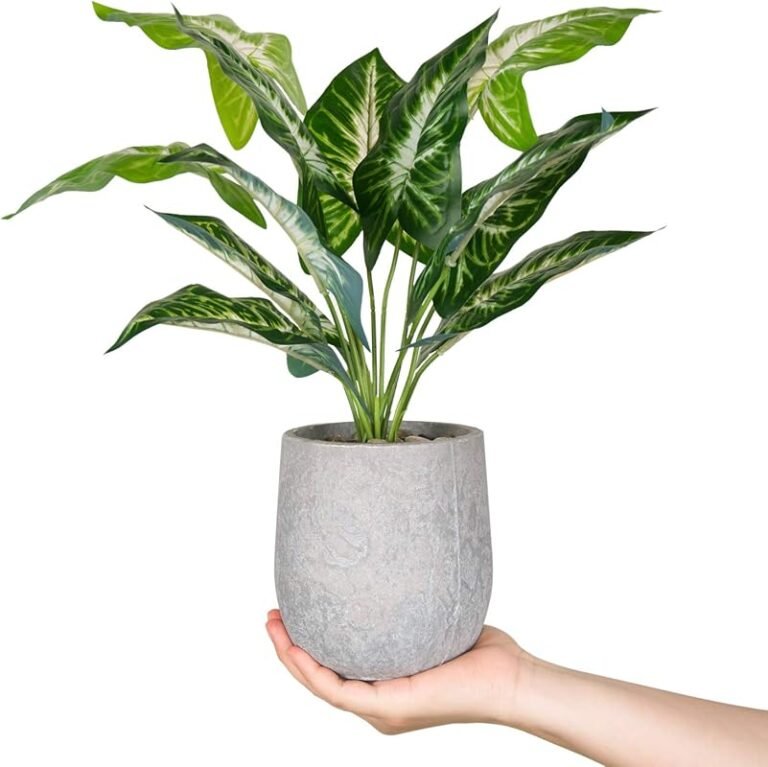
- The Calm & Serene: A soft fern (like a maidenhair or bird’s nest fern), a trailing pothos, or a peace lily. These have soft, flowing lines that add a sense of tranquility and organic movement.
- The Modern Minimalist: A single-stem orchid, a sculptural snake plant (Sansevieria), or a cluster of echeveria succulents. Clean lines, geometric shapes, and a focus on form over volume.
- The Cozy & Textural: A felted succulent, a moss ball (kokedama style), or a plant with interesting, textured leaves like a calathea. These add warmth and tactile interest.
Styling Pro-Tip: Don’t just plop it down. Tilt a branch slightly. Let a trailing vine spill over the edge of your desk or a bookshelf. Place it next to a stack of books or a sleek lamp to create a vignette. The goal is to make it look like it *grew* there naturally.
Effortless Maintenance: Keeping Your Faux Foliage Fresh
Here’s the best part: maintaining your artificial desk plants is so simple it barely qualifies as a chore. But a little bit of care goes a long way in preserving their beauty and realism for years.
The #1 Enemy: Dust
Dust is the silent killer of plant realism. A layer of gray dust makes even the most beautiful silk leaf look dull, fake, and neglected. The good news? Cleaning is quick.
- Daily/Weekly Quick Clean: Keep a small, soft microfiber cloth on your desk. Once a week, give each leaf a gentle swipe. The static will lift away most dust. For delicate or hard-to-reach leaves, use a clean, dry paintbrush or makeup brush.
- Monthly Deep Clean: Take the plant to a sink or bathtub. Use a hair dryer on the *cool* setting to blow dust out of dense foliage from the inside out. Alternatively, fill a spray bottle with cool water and a tiny drop of mild dish soap. Lightly mist the leaves, then wipe gently with a damp microfiber cloth. Never soak the plant or the pot, as this can damage internal wires or cause the pot’s weight (if it’s a decorative pot over a plastic nursery pot) to become unstable.
- For Heavy Dust: A can of compressed air (like for cleaning keyboards) is fantastic for blasting dust out of tight spaces. Hold the can upright and use short bursts from a distance.
Sunlight & Location: Preserving Color
While they don’t need light to live, UV rays from direct sunlight will slowly fade the colors of most artificial plants over time (years, not months).
- The Rule: Place your plants in bright, indirect light for the best balance of ambiance and longevity. A spot across from a window is ideal.
- If It Must Be in Direct Sun: Look for plants specifically labeled “UV-resistant” or “for outdoor use.” These are made with colorfast materials that withstand sun exposure much better.
- Rotate Occasionally: If a plant is in a fixed spot where one side gets more ambient light, give it a quarter-turn every few months to ensure even fading, if any.
Handling & Storage: Avoid the Crush
These plants are robust, but not indestructible.
- Moving: Always support the plant from the base of the stem/trunk, not just the leaves. Grasp the pot firmly.
- Pets & Children: While non-toxic, a determined cat can chew leaves off a plastic plant. Place them out of reach if you have prolific chewers.
- Seasonal Storage: If you like to change your decor seasonally, store plants in a large plastic bin or wrap them in tissue paper in a closet. Avoid damp basements or hot attics.
The maintenance mantra for artificial desk plants is: Dust monthly, avoid prolonged direct sun, handle with care. That’s it. Compare that to the weekly ritual of checking soil moisture, the monthly fertilizer, and the annual repotting of a real plant. It’s a no-brainer for the time-pressed professional.
Your Ultimate Buying Guide: What to Look For Before You Buy
Walking into a store or scrolling online can be overwhelming. Piles of greenery in every shape and shade of green. How do you separate the winners from the wannabes? This checklist will turn you into a savvy artificial desk plant shopper.
1. Material & Realism (The Close-Up Test)
This is your top priority. If you can, inspect the plant in person.
- Look at the Leaves Up Close: Are they all the exact same shade of green? That’s a bad sign. Real plants have variations. Can you see a subtle texture or veining? Run your finger over the surface. Does it feel like a leaf (slightly textured, matte) or like smooth plastic?
- Check the Undersides: Real leaves often have different colored or textured undersides. A good faux plant will replicate this detail.
- Examine the Stems & Trunks: Are they made of wire coated in a brown paper or fabric wrap? This is good—it allows for posing. Are they a single, rigid plastic piece? That’s less flexible and looks less natural.
- Smell It: High-quality materials shouldn’t have a strong chemical or “new plastic” smell. If it’s pungent, it’s likely lower quality and may off-gas.
2. Size & Proportion for Your Desk
Measure your desk space before you shop. Consider:
- Height: A general rule is the plant should not be taller than 1/3 to 1/2 the height of your desk if placed in a corner, or shorter than your monitor if placed behind it. You don’t want it blocking your view.
- Width (Spread): Ensure the plant’s foliage doesn’t extend so far that it interferes with your keyboard, mouse, or paperwork. Leave at least 12-18 inches of clear workspace in front of you.
- Pot Size & Weight: A large, realistic plant needs a heavy, stable pot (ceramic, concrete) so it doesn’t tip over if you bump it. A small desk succulent can live in a lightweight pot. Check the product weight—heavier usually means more substantial and stable.
3. Construction & Poseability
- Wired Stems: The best plants have stems made with a bendable wire core covered in paper or fabric. This lets you gently shape the branches and leaves to look natural and fill your space perfectly. You should be able to “fluff” it.
- One-Piece Molds: Plants with entirely rigid, non-posable stems are cheaper but look more static and artificial. They’re fine for simple shapes like succulents.
- Attachment Points: Look closely where leaves meet stems. Are they securely glued or molded? Loose leaves are a sign of poor craftsmanship.
4. Price Point & Brand Reputation
You get what you pay for. In the world of artificial plants:
- $10-$30: Small, simple plants (2-4 inch pots). Realism is often low. Plastic is common. Good for a temporary fix or very small accents.
- $30-$80: The sweet spot for quality. You’ll find excellent silk and polyester plants in 6-10 inch pots with good detail and wired stems. This is where most beautiful, realistic desk plants live.
- $80+: Large, statement pieces (14+ inch pots) with exceptional realism, heavy ceramic pots, and intricate detailing. Designer brands fall here.
- Where to Buy: Read reviews, especially with photos from customers. Look for brands that specialize in artificial plants (like Nearly Natural, Silk Plants Direct, or high-end home decor brands). Amazon and big-box stores can be hit-or-miss; scrutinize the images.
5. Special Features: UV Resistance & Safety
- UV-Resistant: If your desk gets any direct sun, seek this out. It extends the life and color fidelity significantly.
- Fire-Retardant: Important for commercial office spaces. Look for this certification if needed.
- Pet/Child Safe: Most materials are non-toxic, but always check the product description. Ensure no small, detachable parts that could be a choking hazard.
By following this guide, you’ll walk away with a artificial desk plant that looks expensive, feels substantial, and brings you joy for years without a single drop of water.
More Than Just Decor: The Surprising Health & Productivity Perks
Let’s address the elephant in the room: “But it’s fake! Does it really *do* anything?” This is the most common objection, and the science says: absolutely yes. The benefits of plants in our spaces are largely psychological, and your brain doesn’t fully distinguish between a real and a high-quality artificial plant when it comes to those benefits.
The Biophilia Effect: You’re Wired for Nature
Biophilia is the innate human tendency to seek connections with nature. It’s hardwired into us. Our ancestors’ survival depended on reading natural landscapes for food, water, and danger. Today, that wiring manifests as a deep, subconscious preference for natural elements—views of greenery, natural materials, and, yes, plants.
Studies in environmental psychology consistently show that the presence of plant life (even artificial) in workspaces leads to:
- Reduced Stress & Anxiety: Looking at greenery for even a few moments can lower cortisol levels and blood pressure. It provides a “micro-rest” for your brain from screen fatigue.
- Improved Concentration & Memory: Natural elements help restore directed attention. After a mentally taxing task, glancing at a plant can help you refocus. One study showed a 15% increase in idea generation in offices with plants.
- Enhanced Mood & Satisfaction: A space that feels alive, even with faux life, is simply more pleasant to be in. This increases overall job satisfaction and perceived well-being.
- Perceived Air Quality: While artificial plants don’t actually purify air (sorry, NASA study fans), their presence can make people *feel* that the air is fresher and the space is cleaner, which has a positive psychological impact.
Why “Fake” Works: The Power of Visual Cues
Your brain processes visual information incredibly fast. The shapes, colors, and textures of a well-made artificial desk plant trigger the same positive neural pathways as a real plant. The key is realism. A cheap, obviously plastic plant might trigger a negative “fake” response. But a high-quality silk fern with natural color variations and a soft drape? Your brain registers “foliage,” “nature,” “growth.” That’s enough to tap into the biophilic effect.
The Productivity Connection
Think about your ideal focus state: calm, alert, and engaged. Stress is the enemy of that state. By providing a small, constant source of natural visual interest, your artificial desk plant acts as a subtle stress buffer. It gives your eyes a soft, non-demanding object to rest on during a deep work session or after a frustrating email. That small mental reset can prevent burnout and keep your productivity steady throughout the day.
Furthermore, personalizing your workspace—making it *yours*—increases ownership and pride in your work. A plant, even a fake one, is a statement of personal taste and care. It signals, “This is my space, and I’ve made it pleasant.” That sense of ownership is a powerful motivator.
So, embrace your artificial desk plant without guilt. You are not tricking anyone. You are deliberately curating an environment that supports your mental health and professional performance. You are using design as a tool for well-being. And that is very, very real.
Conclusion: Your Permanent Green Thumb Awaits
The journey to a greener, more inspiring workspace is no longer a path of trial, error, and botanical heartbreak. With an artificial desk plant, you hold the power to instantly transform the view from your chair into a scene of permanent, pristine tranquility. You trade the anxiety of “Is it getting enough light?” for the simple, daily pleasure of seeing a lush leaf or a delicate bloom exactly where you want it, exactly how you left it.
We’ve seen how these plants offer unparalleled convenience, how material choice dictates realism, how a thoughtful pot and placement can create a curated vignette, and how a simple dusting is all the maintenance required. We’ve learned that their benefits extend far beyond aesthetics, tapping into our deep-seated need for nature to reduce stress and boost focus. You don’t need a green thumb; you just need to make a smart choice.
So, measure your desk, consider your style—are you a modern minimalist drawn to a felted succulent, or a maximalist who wants a towering fiddle-leaf fig?—and invest in a quality piece. Look for wired stems, multi-toned leaves, and a pot with some heft. Place it with intention, give it a gentle fluff, and let it do its work.
Your desk is your personal headquarters. It should be a place that energizes you, calms you, and reflects you. An artificial desk plant isn’t a compromise; it’s a strategic upgrade. It’s the permanent solution to temporary foliage. It’s your green thumb, forever.
Frequently Asked Questions
Are artificial desk plants safe for homes with pets and children?
Generally, yes. Most are made from non-toxic materials like polyester, silk, or plastic. However, always check the product description for safety certifications. The main risk is a pet chewing off small parts, so place plants out of reach of determined chewers and inspect them regularly for loose pieces.
Can people really tell they’re fake if I buy a high-quality one?
From a normal viewing distance (3+ feet), a high-quality silk or detailed plastic plant is remarkably realistic. Up close, careful observers might notice uniform color or lack of soil, but for the purpose of adding greenery to a workspace, they absolutely pass the “real enough” test and provide the same visual and psychological benefits.
How do I clean dusty artificial desk plants without damaging them?
For routine dusting, use a soft, dry microfiber cloth or a clean paintbrush. For deeper cleans, take the plant to a sink and gently wipe leaves with a cloth dampened with cool water and a drop of mild dish soap, then immediately dry with a soft towel. You can also use a hair dryer on the cool setting to blow dust from dense foliage. Never soak the plant.
Can I put an artificial desk plant near a sunny window?
You can, but prolonged direct sunlight will cause most standard artificial plants to fade over time (years, not months). If the spot gets harsh sun, look for plants specifically labeled “UV-resistant” or “for outdoor use.” Otherwise, place them in bright, indirect light to preserve their vibrant color for the longest time.
Are artificial desk plants environmentally friendly?
This is complex. They are not biodegradable and involve manufacturing emissions. However, their long lifespan (often 5-10+ years) means they avoid the carbon footprint, water use, pesticide use, and waste associated with repeatedly buying and discarding real plants. They can be a sustainable choice if you choose a durable, long-lasting plant you’ll keep for years.
I have severe allergies. Will artificial plants help or hurt?
They will almost certainly help. Artificial plants produce no pollen, a major allergen. They also don’t harbor mold or mildew in soil. The only potential issue is if they collect dust, which can contain dust mites. Regular cleaning (as described above) eliminates this risk, making them an excellent, hypoallergenic alternative to real plants for allergy sufferers.