Can a Toilet Brush Be Used as a Plunger
Can a toilet brush be used as a plunger? While it might seem like a quick fix during a clog, using a toilet brush as a plunger is generally not recommended. The design and function of each tool are quite different, and improper use could spread germs or even worsen the blockage. However, in an emergency, with proper cleaning and caution, a toilet brush might serve as a temporary solution—but only if you take extra steps to sanitize it afterward.
Key Takeaways
- Understanding Can A Toilet Brush Be Used As A Plunger: Provides essential knowledge
📑 Table of Contents
- Can a Toilet Brush Be Used as a Plunger?
- Understanding the Design and Function of a Toilet Brush
- How a Plunger Actually Works
- The Risks of Using a Toilet Brush as a Plunger
- When Might a Toilet Brush Be Used in a Plumbing Emergency?
- Best Practices for Handling Clogs and Maintaining Your Bathroom Tools
- Alternatives to a Plunger: What Else Can You Use?
- Conclusion: Know Your Tools, Avoid the Mess
Can a Toilet Brush Be Used as a Plunger?
Picture this: You’re washing up after a long day, and suddenly—clog. The water rises slowly, then starts to creep up the bowl. You grab the nearest tool from the closet: the toilet brush. After all, it’s right there, and it’s designed to handle toilet messes, right? But here’s the catch—can a toilet brush be used as a plunger? It’s a question many homeowners have asked when the plunger is missing, broken, or just not handy. The short answer? Not really—but in a pinch, maybe.
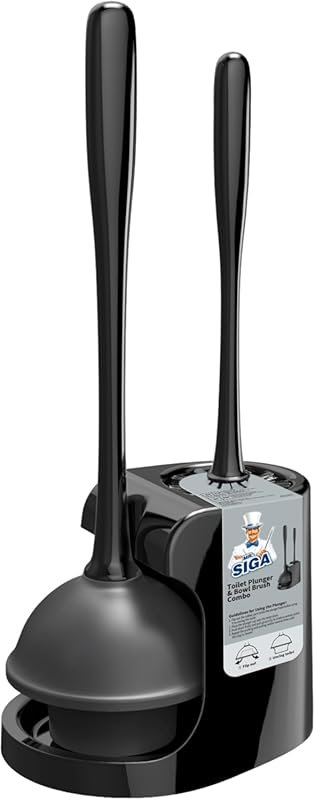
To understand why, we need to look at what each tool is actually built for. A toilet brush is meant to scrub away gunk, residue, and surface-level grime from inside the bowl. It’s small, handheld, and usually made of plastic or metal with bristles. A plunger, on the other hand, is a suction-based tool designed to create pressure changes that dislodge clogs in the drainpipe. They come in different types—flange plungers for toilets, cup plungers for sinks—but all rely on tight seals and force to work. So while both tools live in the bathroom and deal with waste, their purposes are fundamentally different.
In this article, we’ll explore the science behind both tools, the risks of mixing their uses, and when (if ever) it’s okay to use a toilet brush as a plunger. We’ll also share practical tips for handling clogs safely and keeping your bathroom tools in tip-top shape. Whether you’re a DIY enthusiast or just trying to survive a plumbing emergency, this guide will help you make smarter decisions—and avoid spreading germs in the process.
Understanding the Design and Function of a Toilet Brush
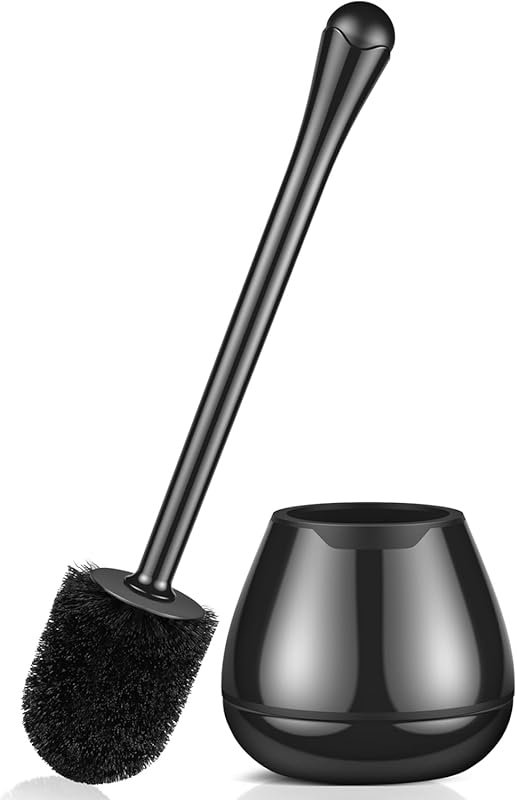
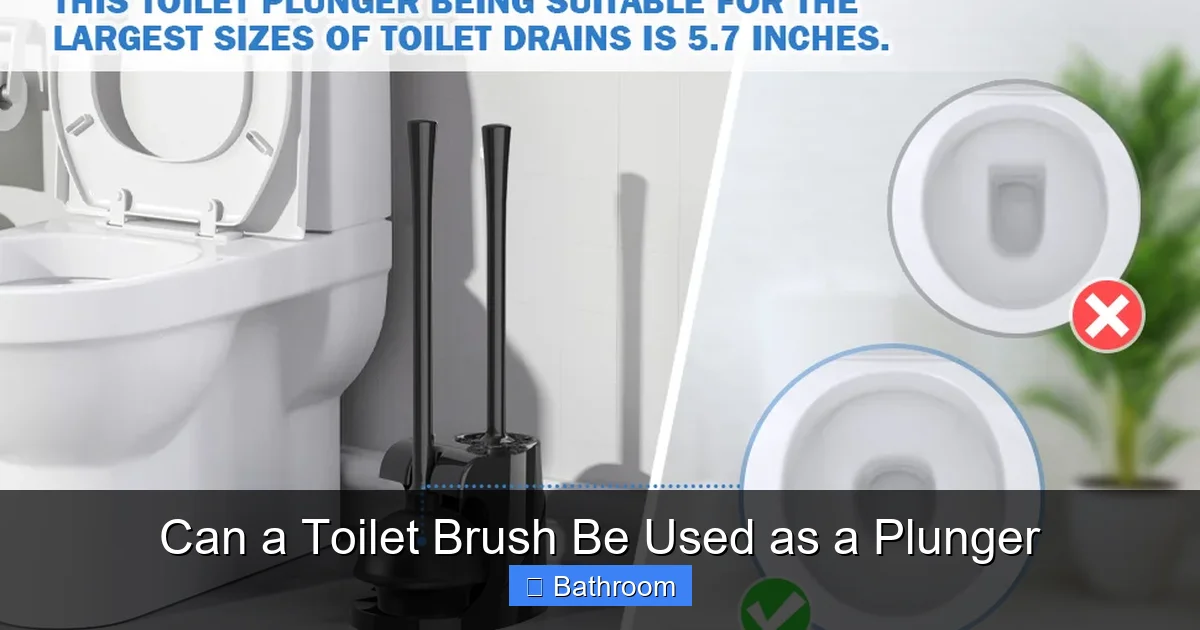
Let’s start by breaking down what a toilet brush actually is. Most modern toilet brushes consist of two main parts: a handle and a brush head. The handle is usually made of plastic or metal, designed for a firm grip. The brush head contains bristles—often nylon or synthetic—that are meant to scrub the inside of the toilet bowl after use.
Visual guide about Can a Toilet Brush Be Used as a Plunger
Image source: m.media-amazon.com
Materials Matter: The bristles on a toilet brush are typically stiff enough to remove limescale or mineral buildup, but they’re not designed to apply suction or pressure. Unlike a plunger, which creates a vacuum to pull clogs loose, a brush relies on mechanical scrubbing. This means it’s great for cleaning, but not so great for clearing blockages.
Another important aspect is hygiene design. Many toilet brushes come with stands that keep the brush elevated and dry, reducing bacterial growth. Some even include reservoirs for disinfectant solutions. These features are meant to prevent cross-contamination—not to help with clogs.
So while a toilet brush is a bathroom essential for cleaning, it’s not engineered to handle the forces involved in unclogging drains. Its shape, size, and material simply don’t allow it to form the tight seal needed for effective plunging.
How a Plunger Actually Works
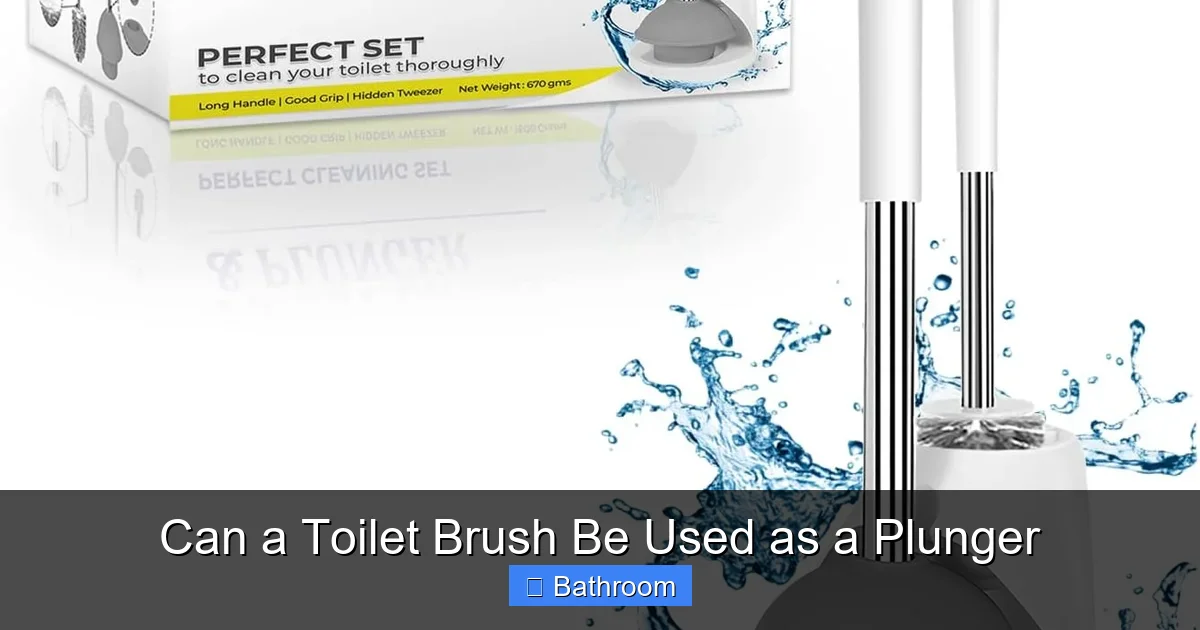
Now, let’s talk about the plunger—the real hero of bathroom plumbing emergencies. A plunger works by creating a suction and pressure difference inside the drainpipe. When you press the plunger down into the toilet bowl and then pull it up quickly, you create a vacuum that pulls clogs loose. The repeated up-and-down motion helps dislodge whatever is blocking the flow.
Visual guide about Can a Toilet Brush Be Used as a Plunger
Image source: m.media-amazon.com
Types of Plungers: There are two main types used for toilets:
- Cup Plunger: Has a smooth, round head. It’s best for general clogs but doesn’t seal as tightly around the toilet rim.
- Flange Plunger: Comes with a rubber ring (flange) that fits snugly into the toilet drain. This creates a better seal, allowing for stronger suction.
The key to a plunger’s success is sealing the opening. Without a tight seal, air can escape, and the suction won’t build properly. That’s why plungers are long, sturdy, and designed to fit precisely into the toilet drain.
In contrast, a toilet brush is short, wide, and bristled. It can’t create the kind of seal a plunger needs. Even if you press it hard into the bowl, air will likely escape, and the force won’t be directed downward into the pipe. That’s why using a brush as a plunger usually results in frustration, not results.
The Risks of Using a Toilet Brush as a Plunger
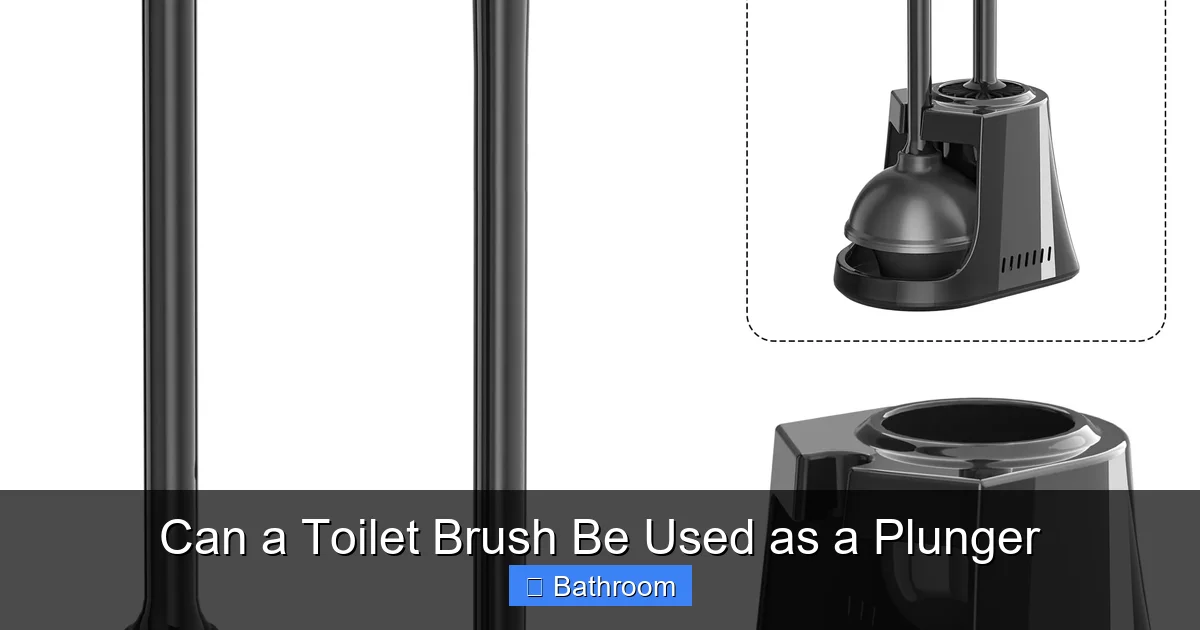
Even if a toilet brush might seem like a logical substitute in an emergency, there are serious downsides to consider. The biggest concern? Hygiene. Toilet brushes are meant to clean the bowl—not to plunge clogs. When you use one to apply pressure to a clogged drain, you’re essentially pushing waste and bacteria deeper into the plumbing system.
Visual guide about Can a Toilet Brush Be Used as a Plunger
Image source: m.media-amazon.com
Here’s what can go wrong:
- Germ Transfer: Bacteria and viruses can spread from the clogged area to the brush and then to your hands or other surfaces if not cleaned properly.
- Poor Seal = Less Effectiveness: Without a tight fit, the brush can’t generate suction, so you’re likely wasting time and effort.
- Damage to the Brush: The force required for plunging can bend or break the bristles, rendering the brush less effective for cleaning.
- Contamination of Other Areas: If the brush touches the water or rim, it can transfer germs to the toilet seat, lid, or floor.
Even if you clean the brush afterward with bleach or boiling water, there’s no guarantee all bacteria are eliminated. That’s why health experts and plumbers strongly advise against using a toilet brush as a plunger.
When Might a Toilet Brush Be Used in a Plumbing Emergency?
Despite the risks, there are rare situations where a toilet brush might come in handy—though not as a plunger. For example, if you notice a clog forming and the water is only slightly backed up, you might use the brush to scrub the inside of the bowl to remove surface buildup that could be contributing to the blockage.
Another scenario: if you’re dealing with a partial clog caused by toilet paper or small debris, gently pushing the brush into the bowl might help push the material further down. But again, this is not the same as plunging. You’re not creating suction—you’re just applying pressure manually.
However, if the clog is deep in the pipe—like from a buildup of hair, grease, or foreign objects—a brush won’t help. In those cases, you’ll need a plunger, plumbing snake, or professional help.
So while a toilet brush isn’t a substitute for a plunger, it can play a role in maintenance and prevention. Regular cleaning with the brush can keep the bowl clear of buildup, reducing the chance of clogs in the first place.
Best Practices for Handling Clogs and Maintaining Your Bathroom Tools
Now that we’ve covered the “can a toilet brush be used as a plunger” question, let’s talk about what you should do instead. The best way to handle a clog is to use the right tool for the job. Here’s how to keep your bathroom running smoothly:
1. Always Use a Plunger for Clogs
Keep a plunger in your bathroom—preferably a flange type for toilets. Make sure it’s clean and dry when not in use. If you don’t have one, consider keeping a backup or storing it in a dry, accessible spot.
2. Clean Your Toilet Brush Properly
After each use, rinse the brush under hot water. Then soak it in a disinfectant solution (like bleach or hydrogen peroxide) for at least 10 minutes. Rinse again and let it air dry. Never leave it sitting in water—it breeds bacteria.
3. Avoid Flushing Non-Flushables
Toilet paper is fine, but wipes, feminine products, hair, and food scraps can cause clogs. Only flush what’s meant to go down.
4. Use a Drain Snake for Stubborn Clogs
If a plunger doesn’t work, a handheld drain snake or auger can help break up clogs deeper in the pipe. These tools are more effective than brushes or makeshift solutions.
5. Schedule Regular Deep Cleanings
Once a month, clean your toilet bowl with vinegar and baking soda or a commercial cleaner. This removes buildup and keeps the bowl smelling fresh.
6. Know When to Call a Plumber
If clogs happen frequently or water backs up into other drains, you may have a serious plumbing issue. Don’t wait—call a professional to avoid damage.
By following these steps, you’ll reduce the need for emergency tools and keep your bathroom safe and clean.
Alternatives to a Plunger: What Else Can You Use?
What if you don’t have a plunger? Don’t panic. There are a few temporary alternatives—but remember, none are as effective as a proper plunger.
Baking Soda and Vinegar
Pour 1/2 cup of baking soda down the toilet, followed by 2 cups of vinegar. Let it fizz for 30 minutes, then flush. This can help dissolve minor buildup. But it won’t clear a full clog.
Hot Water and Dish Soap
For grease-based clogs, pour a generous amount of dish soap into the bowl, then follow with hot (not boiling) water. Let it sit for 10–15 minutes before flushing. This can help break up soap scum or grease.
A Wet/Dry Vacuum
If you have a wet/dry vacuum, you can use it as a makeshift plunger. Turn it off, remove the hose, and create a seal over the toilet drain. Turn it on and off rapidly to mimic plunging. But this only works if the vacuum is powerful enough and the seal is tight.
Plumbing Snake
As mentioned earlier, a snake can manually break up clogs. It’s more effective than a brush and safer than improvised methods.
Again, these are emergency options, not long-term solutions. Always have a plunger on hand.
Conclusion: Know Your Tools, Avoid the Mess
So, can a toilet brush be used as a plunger? The honest answer is no—not effectively or safely. While it might seem like a logical choice in a pinch, the design, hygiene risks, and lack of suction make it a poor substitute. A plunger is built for one thing: creating pressure to clear clogs. A toilet brush is for cleaning. Mixing the two can lead to frustration, contamination, and even plumbing damage.
Instead of relying on a brush as a plunger, invest in a proper plunger and use it every time you have a clog. Keep your toilet brush dedicated to cleaning, and make sure it’s sanitized regularly. With the right tools and habits, you can avoid most clogs altogether and handle the rest with confidence.
Remember: prevention is better than a panic fix. Regular cleaning, mindful flushing, and knowing your tools will keep your bathroom running smoothly—and your germs under control.
Frequently Asked Questions
Can a toilet brush be used as a plunger in an emergency?
While not ideal, a clean toilet brush might help remove surface debris in a minor clog. However, it won’t generate suction and can spread germs. Always sanitize the brush thoroughly afterward and use a proper plunger when possible.
Why shouldn’t I use a toilet brush as a plunger?
A toilet brush lacks the shape and seal needed to create suction. Using it as a plunger can transfer bacteria, damage the brush, and fail to clear clogs. It’s not designed for this purpose and poses hygiene risks.
What’s the best alternative to a plunger?
A flange plunger is the best tool for toilet clogs. For minor blockages, try baking soda and vinegar or hot water with dish soap. For stubborn clogs, use a plumbing snake.
How do I clean a toilet brush properly?
Rinse the brush under hot water after each use. Soak it in a disinfectant solution (like bleach) for 10 minutes, then rinse and let it air dry. Never leave it sitting in water.
Can a wet/dry vacuum be used as a plunger?
Yes, in a pinch. Create a tight seal over the toilet drain with the vacuum hose and turn it on and off rapidly. But this only works if the vacuum is powerful and the seal is secure.
How can I prevent toilet clogs?
Only flush toilet paper and human waste. Avoid wipes, hair, and food. Clean your toilet regularly and use a plunger or snake at the first sign of a clog.