Can I Use a Desk Lamp as a Grow Light
Yes, you can use a desk lamp as a grow light for certain situations, but with major caveats. It works best for low-light plants, seed starting, or as a temporary supplemental light. Success depends entirely on using the correct bulb (full spectrum LED), managing heat, and positioning it correctly. For most mature, fruiting, or flowering plants, a dedicated grow light is far more effective and efficient.
Key Takeaways
- Spectrum is Everything: A standard desk lamp bulb lacks the full spectrum of light (especially red and blue) plants need for photosynthesis. You must replace it with a dedicated full-spectrum LED grow bulb.
- Intensity & Distance Matter: Desk lamps provide very focused, weak light over a small area. The light must be placed just inches from the plant foliage, requiring constant adjustment as the plant grows.
- Best for Specific Plants: This setup is only suitable for low-light tolerant foliage plants (e.g., pothos, snake plant) or for germinating seeds. It cannot support high-light plants, vegetables, or flowers.
- Heat Can Be a Silent Killer: Incandescent or halogen bulbs in a desk lamp generate intense heat that can scorch leaves or dry out soil rapidly. LED bulbs are essential to avoid this risk.
- It’s a Temporary Hack: View a desk lamp as a short-term solution or a supplement to natural light. For robust, healthy growth, investing in a proper grow light is non-negotiable.
📑 Table of Contents
- The Alluring Idea: Your Desk Lamp as a Green Thumb’s Secret Weapon
- What Plants Actually Need From “Light”
- Desk Lamp vs. Dedicated Grow Light: A World of Difference
- How to (Maybe) Make a Desk Lamp Work: A Step-by-Step Guide
- The Best (and Only) Candidates for the Desk Lamp Hack
- The Hard Truths: Limitations and Risks You Can’t Ignore
- The Verdict: When to Upgrade to a Real Grow Light
- Conclusion: A Niche Tool, Not a General Solution
The Alluring Idea: Your Desk Lamp as a Green Thumb’s Secret Weapon
You’re staring at your favorite desk lamp, the one with the adjustable neck that you use for reading late at night. Your new little succulent or seedling on your home office desk looks a bit sad, stretching toward the window. A thought clicks: Can I just point that lamp at it? It seems like the perfect, no-cost hack. You already have the lamp; you just need to figure out the bulb. The idea of repurposing an existing household item for gardening is incredibly appealing. It fits the modern ethos of reducing waste and finding clever multi-use solutions. But before you twist in a bulb and aim it at your plants, let’s pull back the curtain on what plants really need from light and whether your desk lamp can truly deliver. The short answer is: sometimes, for very specific jobs, but it’s not a magic bullet. The long answer involves understanding light spectrum, intensity, heat, and plant biology. Let’s break it down.
What Plants Actually Need From “Light”
We often think of light as just brightness. But for plants, it’s a complex buffet of different wavelengths, each serving a specific purpose. This is the most critical concept to grasp.
Visual guide about Can I Use a Desk Lamp as a Grow Light
Image source: acfgreenhouses.com
The Photosynthetic Active Radiation (PAR) Spectrum
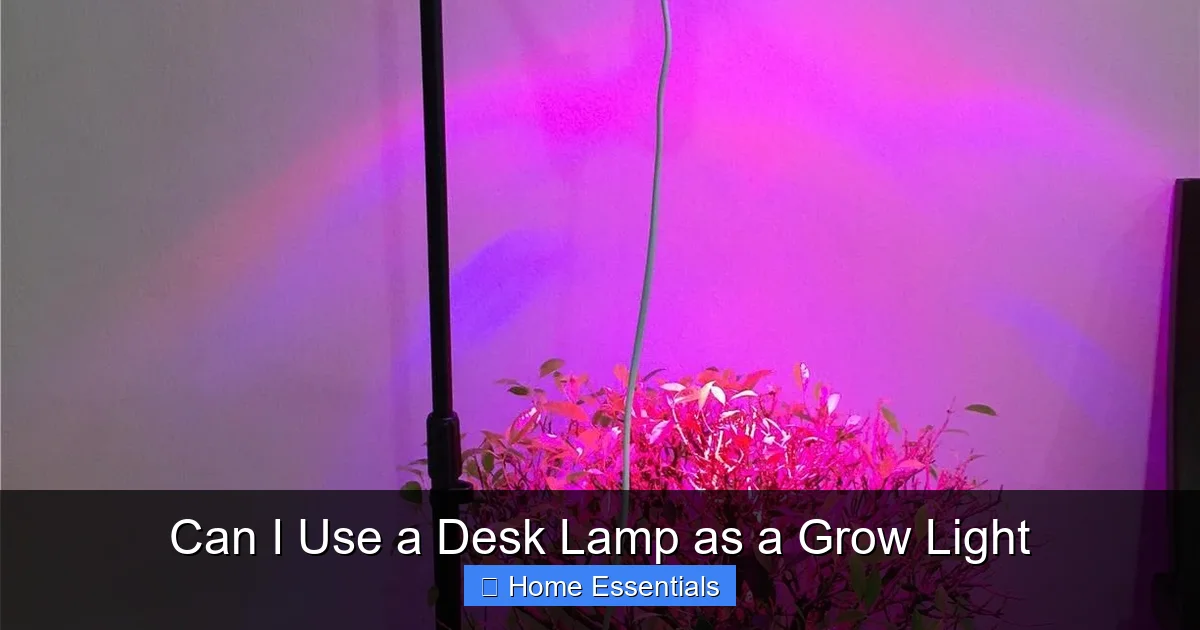
Photosynthesis is the engine of plant growth, and it’s powered by specific colors of light. The most important bands are in the blue (400-500 nm) and red (600-700 nm) parts of the spectrum. Blue light promotes strong, compact vegetative growth—think healthy leaves and stems. Red light is crucial for flowering, fruiting, and root development. A quality grow light provides a balanced “full spectrum” that mimics sunlight, hitting all these key zones. Standard household bulbs are engineered for human vision, not plant biology. They are heavy in the green-yellow spectrum (which plants mostly reflect, making them look green) and are deficient in the vital red and blue PAR wavelengths.
Intensity: It’s Not Just About Being On
Light intensity, measured in PPFD (Photosynthetic Photon Flux Density), is the amount of usable light that actually reaches the plant’s surface. It’s not the same as the wattage of your bulb or how bright it looks to you. A plant’s light needs are often described in “foot-candles” or PPFD. A low-light plant might need 100-250 PPFD, while a fruiting tomato plant needs over 500 PPFD. A typical desk lamp with a standard 60-watt equivalent LED bulb might provide 50-150 PPFD at a distance of 6 inches—barely enough for a low-light plant if placed very close. The intensity drops exponentially with distance (inverse square law). Move that lamp a foot away, and the intensity could be a quarter of what it was.
Duration and Consistency
Plants also need a consistent photoperiod. Most vegetative plants need 14-18 hours of light, while flowering plants often require 12 hours to trigger blooming. A simple desk lamp plugged into a wall outlet has no timer. You’d have to remember to turn it on and off manually every single day, which is impractical and leads to inconsistent light cycles that stress plants.
Desk Lamp vs. Dedicated Grow Light: A World of Difference
Now, let’s compare your average desk lamp to a purpose-built grow light. The gaps are stark.
Visual guide about Can I Use a Desk Lamp as a Grow Light
Image source: i.pinimg.com
Design and Form Factor
A desk lamp is designed to illuminate a small, localized area on a desk—a keyboard, a book, a notepad. Its light is a narrow cone. A grow light panel or bar is designed to spread light evenly over a wider area, like a plant shelf or a small tent, ensuring all leaves receive adequate photons. The reflectors and lenses inside grow fixtures are engineered for maximum efficiency in directing light downward onto plants.
Spectral Output: The Core Deficiency
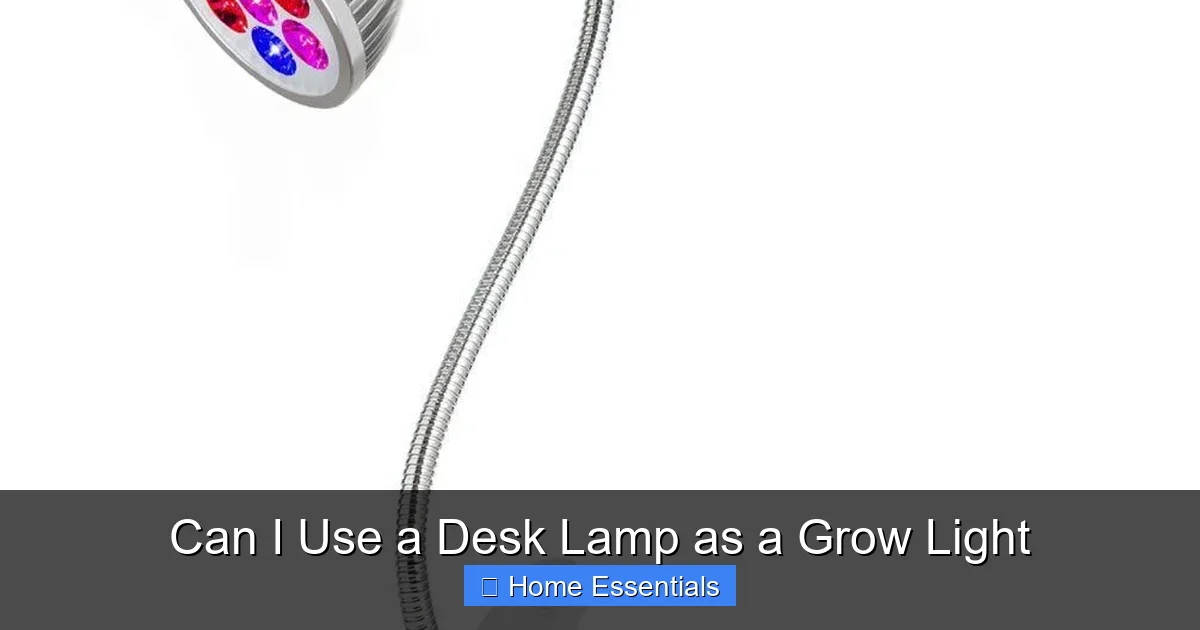
This is the biggest hurdle. A standard “daylight” (5000K-6500K) LED bulb from the hardware store is better than an old incandescent, but it’s still not a true full-spectrum grow bulb. It will lack the specific, amplified red and blue peaks that high-performance grow LEDs provide. To fix this, you must buy a bulb specifically marketed as a “grow light” or “full spectrum plant bulb.” These are readily available and screw into standard lamp sockets. However, even the best desk-lamp-compatible grow bulb is limited by the lamp’s design.
Heat Management
This is a non-negotiable safety issue. Traditional incandescent and halogen bulbs waste up to 90% of their energy as heat. A 60-watt incandescent bulb in a small, enclosed desk lamp shade can reach surface temperatures high enough to cause a fire or, more commonly, scorch a plant’s leaves within minutes. Even some older or cheap LED bulbs can generate noticeable heat. Dedicated grow lights have heat sinks, fans, or other dissipation systems to manage the thermal output of their powerful LEDs. Your desk lamp has none of this. If you attempt this hack, you must use an LED bulb and monitor the lamp and plant temperature constantly.
Energy Efficiency and Power
A desk lamp using a 10-watt LED grow bulb might draw 10 watts. A dedicated 2’x2′ grow light panel drawing 40 watts will cover a much larger area with more usable light. The desk lamp is inefficient in its coverage. You might need 4-5 desk lamps to cover the same area as one small panel, ultimately using more total electricity for less effective results.
How to (Maybe) Make a Desk Lamp Work: A Step-by-Step Guide
If you’re determined to try—perhaps for a single seedling on your windowsill that needs a boost—here is the only protocol that has a chance of success.
Visual guide about Can I Use a Desk Lamp as a Grow Light
Image source: grow-gang.com
Step 1: The Bulb is NOT Optional. It’s the Only Part That Matters.
Do not use a standard household bulb. Purchase a screw-in LED bulb explicitly labeled for growing plants. Look for terms like “full spectrum,” “vegetative,” or “bloom” if you have specific needs. Brands like GE, Philips, and many hydroponics brands offer these. A 9W to 12W bulb is a good starting point for a single plant. This is where researching smart bulb technology can be helpful. Some smart bulbs offer tunable white or even color settings, but they are almost never calibrated for plant PAR spectra. To understand the fundamental difference between a bulb for human comfort and one for plant growth, you can read more about what defines a smart light bulb. The key takeaway: most consumer smart bulbs are not grow lights, even if they change color.
Step 2: Positioning is a Daily Task
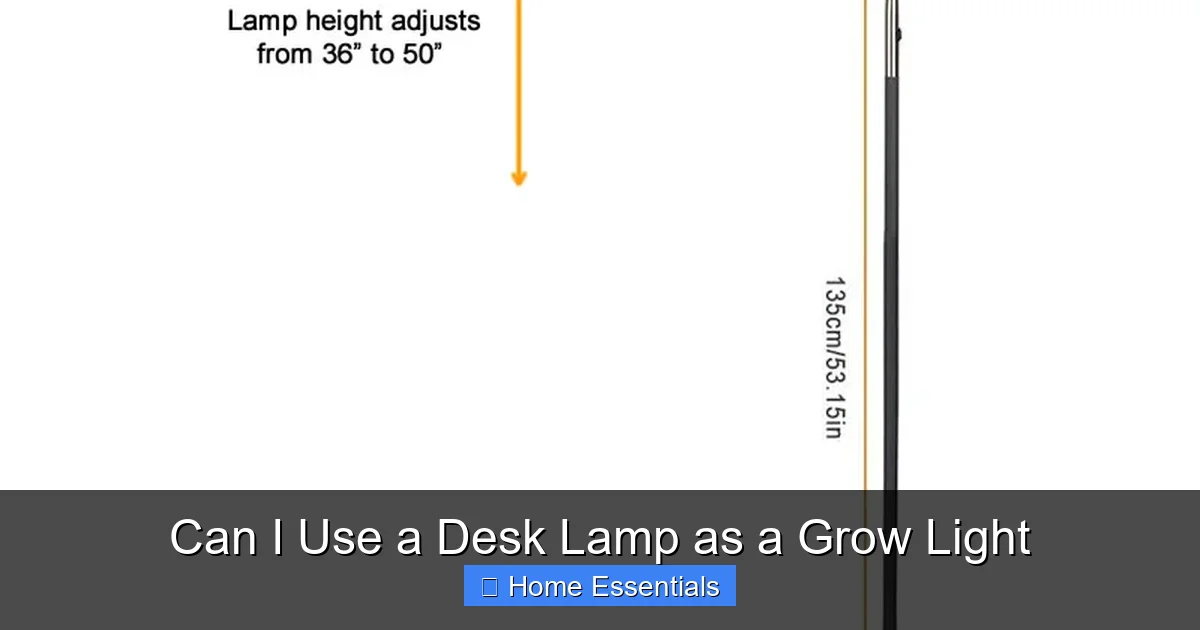
Place the lamp so the bulb is 4 to 12 inches from the top of the plant’s foliage. Start at the higher end (12 inches) and slowly lower it over a few days, watching for signs of light stress (bleaching, curling). The lamp must be on a flexible arm that allows this precise, close positioning. As the plant grows, you must raise the lamp to maintain the same distance. This is a high-maintenance chore.
Step 3: Use a Timer. Seriously.
Buy a simple plug-in outlet timer. Set it for 14-16 hours of “on” time for vegetative growth (herbs, lettuce, seedlings). You cannot rely on memory. Inconsistent lighting confuses plants and slows growth.
Step 4: Monitor Heat Relentlessly
After 30 minutes of being on, carefully feel the bulb and the lamp shade. It should be warm, not hot. If it’s too hot to touch comfortably, it will damage your plant. If you feel any risk of fire, unplug it immediately. This limitation usually rules out using any bulb over 10-12 watts in a small desk lamp.
Step 5: Manage Expectations and Water
The soil will dry out much faster under a concentrated lamp than under diffuse window light. Check moisture daily. Remember, this light is weak. Your plant’s growth will be slow, spindly, and pale compared to one under proper lighting. It’s a survival setup, not a thriving one.
The Best (and Only) Candidates for the Desk Lamp Hack
Not all plants are equally demanding. This method is only viable for the most forgiving species.
Low-Light Foliage Plants
Plants native to dark forest floors are adapted to survive with minimal, indirect light. They are your best bet. Examples include:
- Pothos (Epipremnum aureum): Incredibly tolerant. Will survive but not thrive.
- Snake Plant (Sansevieria): Almost impossible to kill. Might maintain existing leaves but won’t produce new growth rapidly.
- Cast Iron Plant (Aspidistra): Lives up to its name.
- Peace Lily (Spathiphyllum): Can be kept alive, though flowering is unlikely.
For these, the desk lamp’s weak light might simply prevent decline during a dark winter, rather than promote new growth.
Germination and Seed Starting
This is the most successful application. Seeds need consistent moisture, warmth, and light to germinate. A desk lamp with a close, full-spectrum LED bulb provides the perfect, focused light source for a seed-starting tray on your desk. Once the seedlings develop their first true leaves and need more intense light to prevent etiolation (leggy growth), they must be moved to a proper grow light setup.
Herb Cuttings Propagation
When rooting herb cuttings (like basil or mint) in water, a little supplemental light can encourage root growth without shocking the cutting. A weak desk lamp placed at a distance can serve this niche purpose.
The Hard Truths: Limitations and Risks You Can’t Ignore
Let’s be clear about why this is a compromise, not a solution.
1. Inadequate Light for Flowering/Fruiting
If you want your pepper plant to set fruit, your tomato to ripen, or your African Violet to bloom, a desk lamp simply cannot provide the intense, balanced red/blue light spectrum and high PPFD required. The energy output is too low. You will get vegetative growth at best, and likely poor, weak growth at that.
2. The “Spindly, Leggy” Growth Problem
Even with a grow bulb, if the intensity is too low, plants will exhibit etiolation. They will stretch their stems thin and pale, producing widely spaced leaves as they desperately search for more light. This weakens the plant structure permanently. A proper grow light keeps plants stocky and strong.
3. Uneven Coverage and Shadowing
A single point source creates harsh shadows. Only the very top of the plant directly under the bulb gets decent light; lower leaves and side stems are in darkness. Plants need light on all their photosynthetic surfaces. Bar-style grow lights provide even, shadow-minimizing coverage.
4. The Fire and Burn Hazard
We mentioned heat, but it bears repeating. The combination of a concentrated heat source (bulb) in a confined, often flammable (plastic, fabric shades) space (the desk lamp) is a recipe for disaster. Never leave a high-wattage bulb in a desk lamp unattended. This risk alone makes the hack untenable for many.
The Verdict: When to Upgrade to a Real Grow Light
So, you’ve tried the desk lamp. Your seedling grew an inch. Your pothos hasn’t died. But you want more. Here are the clear signs it’s time to invest in proper equipment.
Sign 1: You Want to Grow Food
Any vegetable, herb (for harvest), fruit, or flower requires high light intensity. A desk lamp cannot deliver this.
Sign 2: You Have More Than One or Two Plants
The economics fail quickly. Buying 5-10 desk lamps, 5-10 timers, and 5-10 grow bulbs will cost more than a single 2’x2′ or 4’x4′ LED grow panel that covers the entire area efficiently.
Sign 3: Your Plants Are Leggy or Pale Despite the Lamp
This is the most obvious sign of inadequate light. If your plants are stretching, it’s not their fault—it’s your light’s.
What to Buy Instead
For a small desktop or shelf, look for a small LED panel or clip-on grow light (often sold for “desk plants” or “succulents”). These are designed for this exact scale, have proper spectrum, low heat, and often include timers. For a larger indoor garden, a full-spectrum LED bar or square panel is the standard. The initial cost is higher, but the results—and safety—are exponentially better.
Conclusion: A Niche Tool, Not a General Solution
Using a desk lamp as a grow light is like using a spoon to dig a ditch. It can work for a tiny, specific job (digging a small hole for a seedling), but it is wildly inefficient, exhausting, and ultimately ineffective for the real task at hand (maintaining a healthy garden). The core requirements for plant growth—full spectrum, high intensity, even coverage, and heat management—are antithetical to the design of a standard desk lamp. You can force it to work for the most forgiving plants or for the earliest stages of propagation, but you will be fighting against the lamp’s inherent limitations every step of the way. For anyone serious about growing plants indoors, even just a few herbs on a kitchen counter, a dedicated, affordable LED grow light is the only sensible investment. It’s safer, more effective, and will give your plants the consistent, high-quality light they need to truly thrive, not just survive.
Frequently Asked Questions
Can I use any LED bulb in my desk lamp for plants?
No. You must use a bulb specifically marketed as a “grow light” or “full spectrum plant bulb.” Standard “daylight” or “soft white” LED bulbs lack the necessary red and blue light wavelengths for photosynthesis. Always check the product description for plant-growing claims.
How close should the desk lamp be to my plants?
For a low-power desk lamp bulb (9-12W), start with the lamp 12 inches from the plant’s top leaves. You can gradually lower it to 6-8 inches over a week if the plant shows no signs of stress. Never let the bulb touch the plant. Monitor for leaf bleaching or heat daily.
How many hours a day should I run a desk lamp as a grow light?
For vegetative growth (leaves and stems), set a timer for 14-18 hours per day. For flowering plants, you’d need a strict 12-hour cycle, but a desk lamp is generally too weak to support flowering anyway. Consistency with a timer is far more important than the exact number of hours.
What plants can actually survive under a desk lamp grow light?
Only the most shade-tolerant foliage plants like Pothos, Snake Plant, Cast Iron Plant, or Philodendron. It is also effective for germinating seeds and rooting cuttings. It is not suitable for any plant that requires “bright indirect light” or more, such as most succulents, vegetables, or flowering houseplants.
Is it a fire risk to use a desk lamp as a grow light?
Yes, if you use the wrong bulb. Never use incandescent or halogen bulbs; they generate extreme heat. Even with an LED bulb, ensure your lamp shade is not made of flammable material and that the lamp is in good working condition. Always use a low-wattage (under 12W) LED bulb and check that the lamp and bulb are cool to the touch after an hour of use.
Is using a desk lamp cheaper than buying a grow light?
Initially, yes, if you already own the lamp. However, the energy efficiency is poor because you’re using a small, weak bulb to cover a tiny area. For more than one or two plants, buying several desk lamp setups will cost more in bulbs and electricity than a single, efficient LED grow panel designed for the job. The real cost is in the wasted time and subpar plant growth.