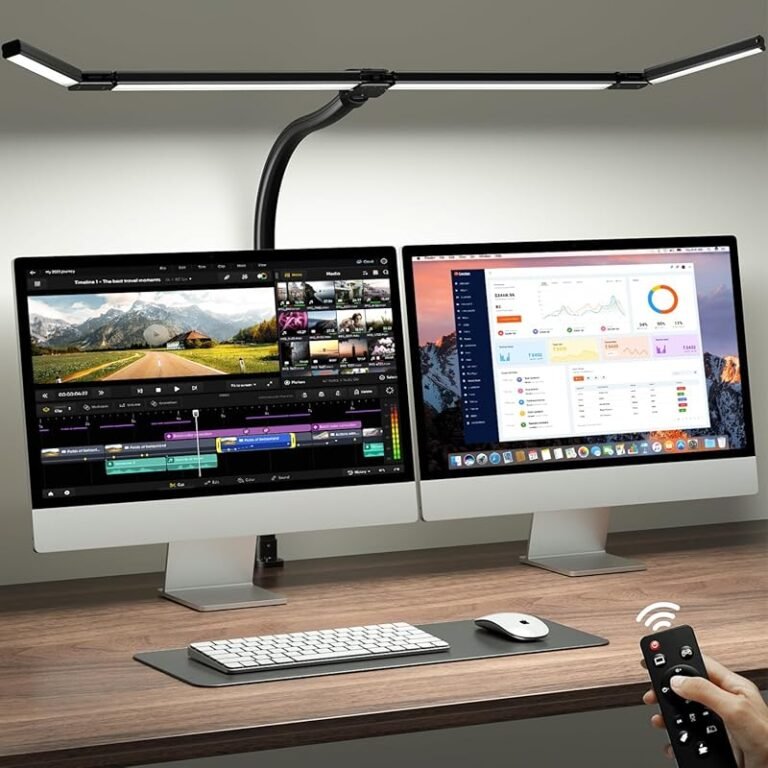
Can I Use a Desk Lamp for My Plants
Yes, you can often use a desk lamp for your plants, but with major caveats. It’s not about the lamp itself, but the bulb you put in it. You need a full-spectrum, low-heat LED bulb that provides the right light intensity and color spectrum. For low-light tolerant plants or as a supplemental boost on a dark shelf, a properly equipped desk lamp can work wonders. However, for sun-loving seedlings or fruiting plants, a dedicated grow light is almost always necessary. Success depends entirely on matching the plant’s needs to the lamp’s capabilities.
You’ve got a cute little desk lamp on your home office desk, or maybe a stylish one in your reading nook. Your favorite fiddle leaf fig is looking a bit sad in the corner, or your seedling tray on the kitchen counter isn’t thriving. A natural question pops up: can I just use a desk lamp for my plants? It seems convenient, inexpensive, and you already own the lamp! The answer is a nuanced and enthusiastic yes, but…
Let’s unpack this. The short truth is that a desk lamp, in and of itself, is not a grow light. It’s a tool. Its effectiveness for plant growth depends entirely on the bulb you choose and how you use it. Using the wrong bulb is worse than using no light at all—it can confuse your plant’s growth cycles or, worse, burn it. But with the right knowledge, that humble desk lamp can become a powerful ally for your indoor jungle, especially for specific plants and situations. This guide will walk you through everything you need to know, from the science of light to practical setup steps, so you can decide if this hack is right for you.
Key Takeaways
- The bulb is everything: A standard desk lamp is just a socket. Its plant-growing potential is 100% determined by the bulb you screw into it. You need a full-spectrum, high-par LED bulb designed for plants.
- Not for all plants: This method is best for low-light tolerant houseplants (like pothos, snake plants) as a supplement, or for starting very hardy seedlings. It is insufficient for vegetables, herbs, or flowering plants that demand high light.
- Distance and duration are critical: The lamp must be close enough (often 6-12 inches) to provide sufficient intensity but far enough to avoid heat damage. A timer is highly recommended to ensure consistent photoperiods.
- Heat is a silent killer: Old incandescent or halogen bulbs will cook your plants and waste energy. Always use cool-to-the-touch LED bulbs to prevent leaf scorch and fire risk.
- It’s a supplemental solution: Think of a desk lamp as a “boost” for a plant already near a window, not as a primary light source in a dark room. Natural sunlight is always more powerful and complete.
- Smart bulbs offer control: Using a smart bulb in your desk lamp allows you to adjust brightness schedules and spectra via an app, offering precision that standard bulbs lack. You can even research if smart bulbs can be used as grow lights for more advanced setups.
- Monitor your plants: The ultimate test is plant response. Leggy growth, fading color, or lack of new growth means your setup isn’t working. Healthy, compact growth with vibrant color means you’re on the right track.
📑 Table of Contents
- Understanding How Plants “See” Light: It’s Not About brightness To Us
- Desk Lamp vs. Dedicated Grow Light: The Brutal Honesty
- The Bulb Breakdown: What to Screw Into Your Lamp
- Perfecting Your Setup: Placement, Duration, and Safety
- Common Mistakes & How to Avoid Them
- Advanced Tips and Plant-Specific Guidance
- Conclusion: A Useful Tool, Not a Magic Bullet
Understanding How Plants “See” Light: It’s Not About brightness To Us
Before we talk lamps, we need to talk physics. Plants don’t care about lumens (the brightness our eyes perceive). They care about photons in specific spectral ranges. This is the core concept of PAR (Photosynthetically Active Radiation), which is the range of light (400-700 nanometers) that plants use for photosynthesis.
The Magic Spectrum: Blue, Red, and Full-Spectrum
Within the PAR range, two colors are most critical:
- Blue Light (400-500nm): This is the “veggie” light. It promotes strong, compact vegetative growth, thick stems, and healthy leaf development. It prevents seedlings from getting leggy and weak as they stretch for light.
- Red Light (600-700nm): This is the “flower/fruit” light. It triggers flowering, fruiting, and seed production. It’s essential for plants like tomatoes, peppers, or African violets to produce blooms.
A “full-spectrum” bulb aims to provide a balanced mix of blue, red, and all the colors in between, mimicking natural sunlight. This is generally the best choice for most indoor plants if you’re using a single light source. Some advanced grow lights allow you to adjust the spectrum, but for a desk lamp setup, a good quality full-spectrum LED is your gold standard.
Intensity Matters: Distance and Duration
Light intensity (how many photons hit the plant) drops dramatically with distance—following the inverse square law. Double the distance, and you get one-quarter of the intensity. This means the placement of your desk lamp is non-negotiable. A bulb that’s perfect at 6 inches away is useless at 3 feet. You must place the lamp close enough to deliver the required intensity for your specific plant. Additionally, plants need a consistent “photoperiod” (light duration). Most houseplants need 12-16 hours of light. A simple plug-in timer is one of the best $10 investments you can make for plant health.
Desk Lamp vs. Dedicated Grow Light: The Brutal Honesty
Now, let’s compare your potential desk lamp setup to a purpose-built grow light.
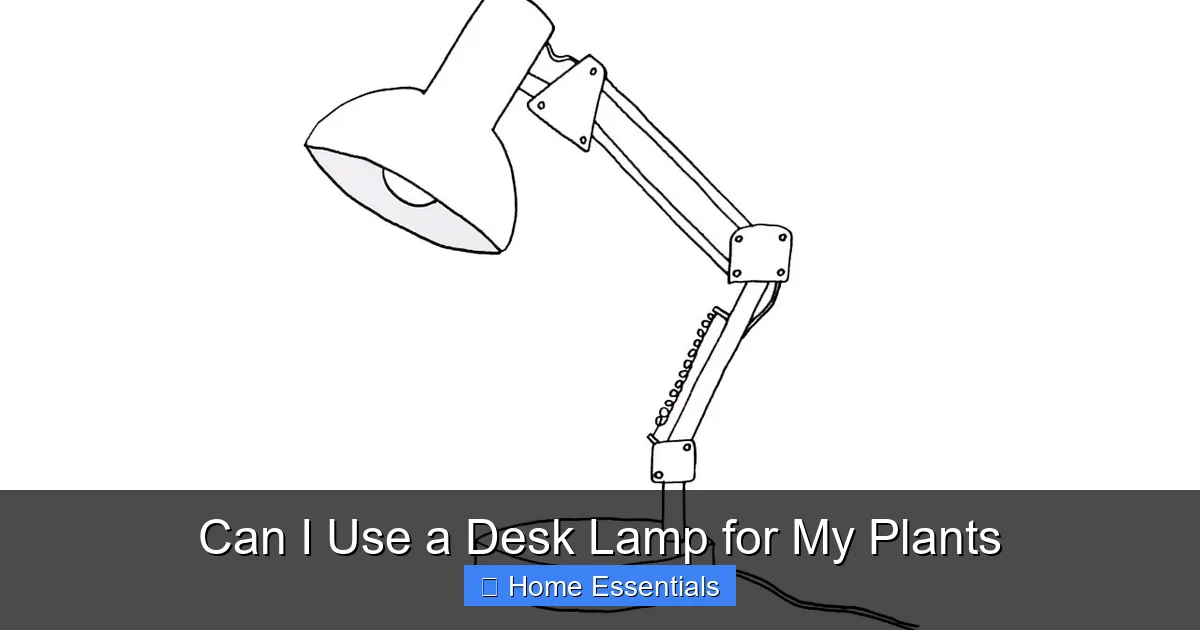
Visual guide about Can I Use a Desk Lamp for My Plants
Image source: i.ytimg.com
Where a Desk Lamp Setup Shines
This approach is perfect for:
- Low-Light Tolerant Houseplants: Plants like pothos, philodendron, snake plants, or ZZ plants that naturally live on forest floors. They don’t need intense light, just enough to prevent decline in a dark corner. A desk lamp with a low-to-medium intensity full-spectrum bulb placed 12-18 inches away can provide a much-needed boost.
- Supplemental Lighting: If your plant is already getting some indirect sunlight from a window but is still struggling, a desk lamp can fill in the gaps during cloudy days or in the winter months.
- Propagation & Hardy Seedlings: Starting leaves or cuttings of plants like pothos or succulents, or germinating very hardy seeds (like peas or beans) doesn’t require the intense light of a commercial grow operation.
- Budget & Aesthetics: You already have the lamp! A good LED bulb costs $10-$25. A dedicated small grow light panel might cost $30-$70. For the style-conscious, a beautiful brass or ceramic desk lamp with a hidden full-spectrum bulb is far more attractive than a utilitarian grow light.
Where a Desk Lamp Will Fail
Avoid this method for:
- High-Light Plants: Succulents (e.g., echeveria, jade), cacti, citrus trees, and most vegetables and herbs (basil, tomatoes, peppers) require very high light intensity to thrive and produce. A desk lamp, even with a powerful bulb, cannot typically cover the area or provide the intensity needed without being dangerously close and hot.
- Large or Multiple Plants: Desk lamps have a small, focused beam. They are excellent for one plant or a very small cluster. If you have a shelf of plants, you’ll need multiple lamps or a broader light source.
- Plants Needing Specific Photoperiods: Some plants, like Christmas cactus or marijuana (where legal), require very specific, uninterrupted dark periods to trigger flowering. A desk lamp on a simple timer can do this, but you must be meticulous.
Pro Tip: If you’re interested in smart home integration for your plant lighting, you might look into can smart bulbs be used as grow lights. Some RGBW smart bulbs have full-spectrum settings that can work for low-light plants, offering app-based scheduling and dimming.
The Bulb Breakdown: What to Screw Into Your Lamp
This is the most important section. The wrong bulb makes the whole project a failure. Forget “daylight” bulbs from the hardware store; they are not designed for plants.
Visual guide about Can I Use a Desk Lamp for My Plants
Image source: publicdomainpictures.net
LED: The Only Viable Option
Forget incandescent (they waste 90% of energy as heat and have a terrible spectrum) and compact fluorescent (CFLs are okay but contain mercury and are being phased out). LED is the undisputed champion.
- Why LED? Extremely energy-efficient, very low heat emission (crucial for a desk lamp’s proximity to plants), long lifespan (50,000+ hours), and technology allows for precise spectrum engineering.
When shopping, look for these specific terms:
- “Full-Spectrum” or “White Full-Spectrum”: This is your best all-around choice. It emits a balanced white light that is pleasant to look at and provides the blue and red wavelengths plants need.
- “Vegetable” or “Bloom” Spectrums: These are often more pink/purple due to heavy concentrations of red and blue LEDs. They are highly effective but less aesthetically pleasing for a living space. Use them in a basement or closet.
- High PAR Output: Reputable brands will list the PPFD (Photosynthetic Photon Flux Density) value at a given distance. For a desk lamp, you want a bulb that can deliver at least 50-100 PPFD at 12 inches for low-light plants. For more demanding plants, you’ll need 200+ PPFD, which is hard for a single desk bulb to achieve.
Recommended Bulb Form Factors for Desk Lamps:
- Standard A19/A60 Bulbs: The most common. Ensure your lamp’s shade doesn’t block too much light.
- GU10 or MR16: These are often used in track lighting or directional desk lamps. They can be great for focusing light on a single plant.
- LED Pods/Strips: Some desk lamps are designed for flexible LED strips. You can buy full-spectrum plant strips and install them, creating a custom light bar.
Brands to Research: Look for brands known in the hydroponics/grow light space like Spider Farmer, SANSI, or GE’s “LED Grow Light” bulb series. Read reviews specifically about plant performance.
Smart Bulbs: A High-Tech Twist
Can you use a smart bulb? Yes, but with caution. Many smart bulbs (like Philips Hue) are designed for human comfort and have terrible spectra for plants. However, some newer models offer a “grow” or “concentrate” setting with more blue light. If you go this route, you must verify the spectrum with the manufacturer’s specifications. The main advantage is scheduling and remote control via an app, which is fantastic for maintaining precise light schedules. Just be sure to do your homework on what is a smart light bulb before buying one for plants, as most are not suitable.
Perfecting Your Setup: Placement, Duration, and Safety
You have the lamp and the right bulb. Now, where do you put it?
Visual guide about Can I Use a Desk Lamp for My Plants
Image source: cdn.instructables.com
The Golden Rules of Placement
1. Start Close: For most full-spectrum LED bulbs, begin with the lamp 6-12 inches above the plant’s foliage. Observe for a week.
2. Watch for Signs: If leaves start to curl, turn white, or develop brown crispy tips, the light is too intense or too hot. Raise the lamp by a few inches.
3. Watch for Stretching: If new growth is pale, thin, and reaching upward (leggy), the light is too far away or not intense enough. Lower the lamp.
4. Cover the Area: The light beam spreads. Ensure the entire plant is within the bright area. For a wide plant, you may need to move the lamp higher or use a lamp with a broader shade.
5. Consider Reflectors: Placing a reflective surface (like a white poster board or Mylar) behind the plant can bounce light back onto the leaves, increasing efficiency by 20-40%.
Timing is Everything: Use a Timer
Do not rely on memory. Set a basic outlet timer. A common schedule:
- Low-Light Houseplants: 12-14 hours on.
- Seedlings & Greens (lettuce, herbs): 16-18 hours on.
- Flowering/Fruiting Plants: 16-18 hours on, but ensure they get an uninterrupted dark period of 6-8 hours.
Consistency is more important than perfection. The plant’s internal clock thrives on routine.
Non-Negotiable Safety Checks
• Heat Test: After the lamp has been on for 30 minutes, carefully place the back of your hand near the bulb and the plant’s leaves. It should feel warm at most, not hot. If it’s hot, you are using the wrong bulb (likely not LED) or it’s too close.
• Fire Hazard: Ensure your lamp is in good condition, with no frayed cords. Never leave it on unattended for days without checking, especially with an old lamp. While LED bulbs run cool, the lamp’s socket and wiring can still be a risk if faulty. For complete peace of mind, you might read up on are smart bulbs a fire hazard, but know that quality LED bulbs from reputable brands are extremely safe.
• Stability: Ensure the lamp is on a stable surface where it can’t be easily knocked over by pets or children.
Common Mistakes & How to Avoid Them
Even with good intentions, it’s easy to mess this up. Here are the top pitfalls.
Mistake 1: Using a “Daylight” or “Bright White” Bulb
These are designed for human vision. They are often heavy in green/yellow wavelengths (which plants reflect, not absorb) and deficient in the crucial red and blue spectra. Your plant will get some photons, but it will be inefficient and weak. Solution: Buy a bulb explicitly marketed for plants or from a hydroponics supplier.
Mistake 2: Ignoring the Inverse Square Law
Thinking a bulb is “bright enough” because it’s 1000 lumens. Lumens don’t equal useful plant light (PAR). Intensity drops with the square of the distance. A bulb that provides perfect intensity at 6 inches provides only 25% of that at 12 inches. Solution: Start close and adjust based on plant response. Use a PPFD meter if you want to get technical (they are affordable).
Mistake 3: Forgetting the Dark Period
Plants need a rest period. During darkness, they process the sugars they made during the day (respiration) and perform other vital functions. 24/7 light can stress plants, disrupt flowering cycles, and waste electricity. Solution: Use a timer. It’s the easiest, cheapest fix.
Mistake 4: Using the Lamp as the Sole Light Source for High-Demand Plants
You cannot grow a tomato plant or a robust succulent garden under a single desk lamp. The energy output and coverage area are physically limited. Solution: Be honest about your plants’ needs. For edibles and sun-lovers, invest in a proper small grow light panel or shelf with built-in LEDs.
Mistake 5: Not Cleaning the Bulb and Shade
Dust on the bulb and inside the lamp shade can block up to 30% of the light output. Solution: Every month, wipe the bulb (when cool) and the interior of the shade with a dry or slightly damp microfiber cloth. Why use a microfiber cloth? It’s lint-free and won’t scratch surfaces. You can learn more about proper cleaning techniques in guides on how to use a microfiber cloth for cleaning.
Advanced Tips and Plant-Specific Guidance
Ready to optimize? Here’s how to tailor your setup.
For Seedlings and Cuttings
These are the most light-hungry and delicate. Use the highest intensity your setup allows, with the bulb 4-6 inches above the soil (adjust as they grow). A clear plastic dome can help maintain humidity. Aim for 16-18 hours of light. A full-spectrum bulb is ideal. You’ll see rapid, sturdy growth.
For Low-Light Houseplants
For a pothos in a dim hallway, the goal is not to make it grow fast, but to prevent decline. A lower intensity bulb placed 12-18 inches away, on a 12-hour timer, is sufficient. You might use a smart bulb set to a lower brightness level to save energy and provide a gentle boost. If you notice new leaves are smaller and farther apart than before, increase intensity or duration slightly.
For Aesthetic Integration
Choose a lamp style you love. A minimalist metal lamp with a hidden LED strip can look ultra-modern. A vintage banker’s lamp with a retro-fit LED bulb adds charm. The key is ensuring the shade doesn’t block more than 30% of the light. Opt for open, perforated, or fabric shades over solid, opaque ones. Position the lamp so the light hits the plant from the side or above, mimicking the sun’s path.
Monitoring and Adjusting
Your plants will communicate. Positive signs: New leaf production, vibrant color, compact growth. Negative signs: Legginess (too little light), leaf scorch or bleaching (too much light/heat), or no change (insufficient intensity/duration). Keep a small journal and adjust one variable at a time (distance first, then duration).
Conclusion: A Useful Tool, Not a Magic Bullet
So, can you use a desk lamp for your plants? Yes, absolutely. It’s a fantastic, low-cost entry into supplemental indoor lighting. The key is managing your expectations and making smart choices. You must buy the correct full-spectrum LED bulb, place it at the right distance, use a timer, and choose the right plants for the job. It is a brilliant solution for boosting a low-light tolerant plant in a dark corner or starting a few hardy seedlings on your desk. However, it is not a replacement for a dedicated grow light if you want to grow food, cultivate sun-loving succulents, or nurture large numbers of plants.
Start small. Get one good bulb, put it in your existing lamp, set a timer, and watch one plant. Learn to read its signals. You might just find that the perfect grow light for your situation was sitting on your desk all along. Just remember: it’s the bulb that does the work, not the lamp. Invest in the right bulb, and you’ll unlock a new world of healthy, thriving plants indoors.
Frequently Asked Questions
Can I use any LED bulb in my desk lamp for plants?
No. Standard “daylight” or “soft white” LED bulbs are not designed for plant growth and have poor spectra. You must use a bulb specifically labeled as “full-spectrum” or “grow light” to provide the necessary blue and red wavelengths for photosynthesis.
How close should the desk lamp be to my plants?
For most full-spectrum LED bulbs, start with the lamp 6 to 12 inches above the plant’s foliage. Watch your plant closely for a week. If leaves show signs of scorching (browning, curling), raise the lamp. If new growth is pale and leggy, lower it slightly. The ideal distance depends on the bulb’s intensity and the plant’s needs.
Will a desk lamp get too hot for my plants?
Not if you use a modern LED bulb. LEDs produce very little heat compared to old incandescent or halogen bulbs. The lamp fixture itself and the bulb should be cool or only slightly warm to the touch after being on for an hour. If it’s hot, you are using the wrong type of bulb.
How many hours a day should I run my desk lamp for plants?
Set a timer. Most foliage houseplants need 12-14 hours of light. Seedlings and leafy vegetables need 16-18 hours. Crucially, all plants need an uninterrupted dark period of at least 6 hours. Never leave the light on 24/7.
Is using a desk lamp for plants cheaper than buying a grow light?
Initially, yes. You likely already own the lamp, and a good LED grow bulb costs $15-$30. A dedicated small grow light panel starts around $40. However, for high-light plants, a single desk bulb’s limited coverage and intensity may mean you eventually need multiple lamps or a proper grow light, so consider your long-term goals.
Can I use a smart bulb in my desk lamp for plants?
You can, but with caution. Most smart bulbs are designed for human comfort and are inefficient for plants. Some newer models have a “grow” mode with a better spectrum. You must verify the bulb’s spectral output (look for high blue/red values) before buying. The main benefit is easy scheduling and dimming via an app.