Can I Use a Toilet Brush to Unclog a Toilet
Using a toilet brush to unclog a toilet is not recommended and usually ineffective. While it may seem like a quick fix, toilet brushes are not designed for deep cleaning or breaking up blockages. Relying on them can worsen clogs or damage plumbing. This article explains why, offers safer alternatives, and helps you decide when to call a professional.
Key Takeaways
- Toilet brushes are not built for unclogging: They lack the strength and reach needed to clear serious blockages.
- Improper use can damage pipes: Scrubbing too hard may harm porcelain or push debris further down.
- Safe alternatives exist: Use a plunger, toilet auger, or natural solutions like baking soda and vinegar.
- Prevention is key: Avoid flushing non-flushable items and maintain regular cleaning habits.
- Know when to call a plumber: Persistent clogs or slow drains require professional attention.
- Upgrade your tools: Invest in a quality plunger or auger for future emergencies.
- Cleanliness ≠ unclogging: A clean toilet doesn’t mean it’s unclogged—function matters most.
📑 Table of Contents
Can I Use a Toilet Brush to Unclog a Toilet?
Have you ever found yourself staring at a slow-draining toilet, hands hovering over the brush in the holder? It’s a natural instinct—after all, the toilet brush is right there, clean and ready. But here’s the truth: using a toilet brush to unclog a toilet is like using a spoon to fix a broken engine. It just doesn’t work. And worse, it might make things worse.
The toilet brush is designed for one thing: cleaning the bowl after use. It’s not built to handle blockages, and trying to force it into a clogged pipe can push debris deeper or damage the porcelain. In this article, we’ll break down why the toilet brush isn’t your go-to tool for unclogging, explore safer and more effective alternatives, and help you prevent future clogs—so you can keep your bathroom running smoothly.
Why the Toilet Brush Isn’t the Right Tool
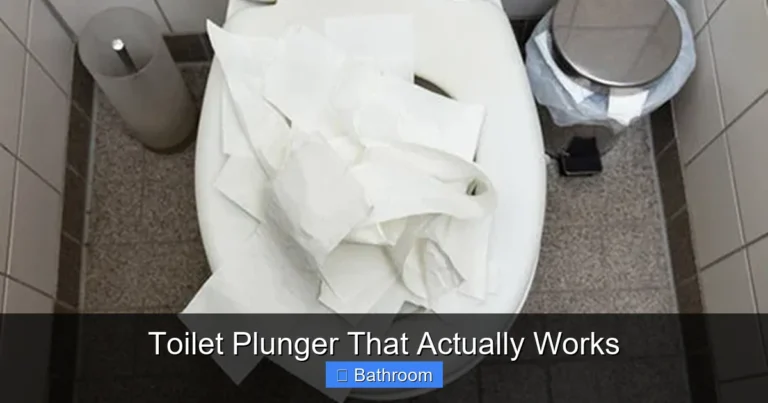
Visual guide about Can I Use a Toilet Brush to Unclog a Toilet
Image source: i.ytimg.com
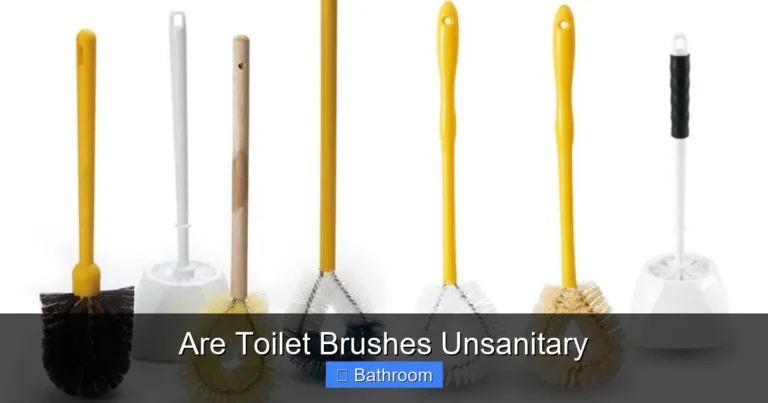
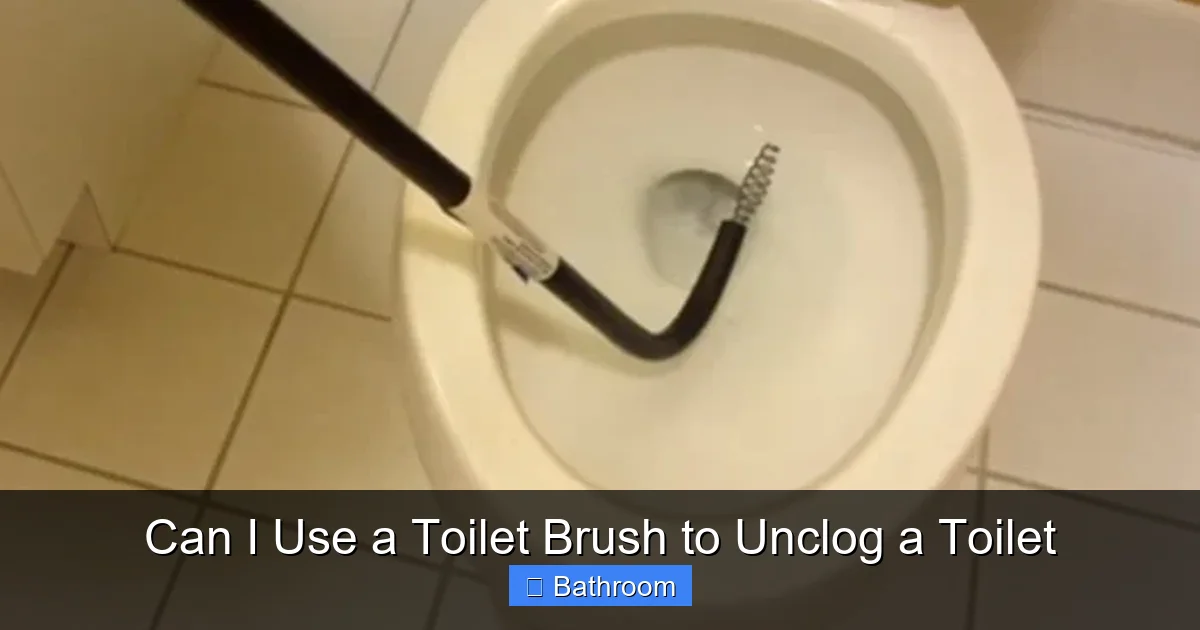
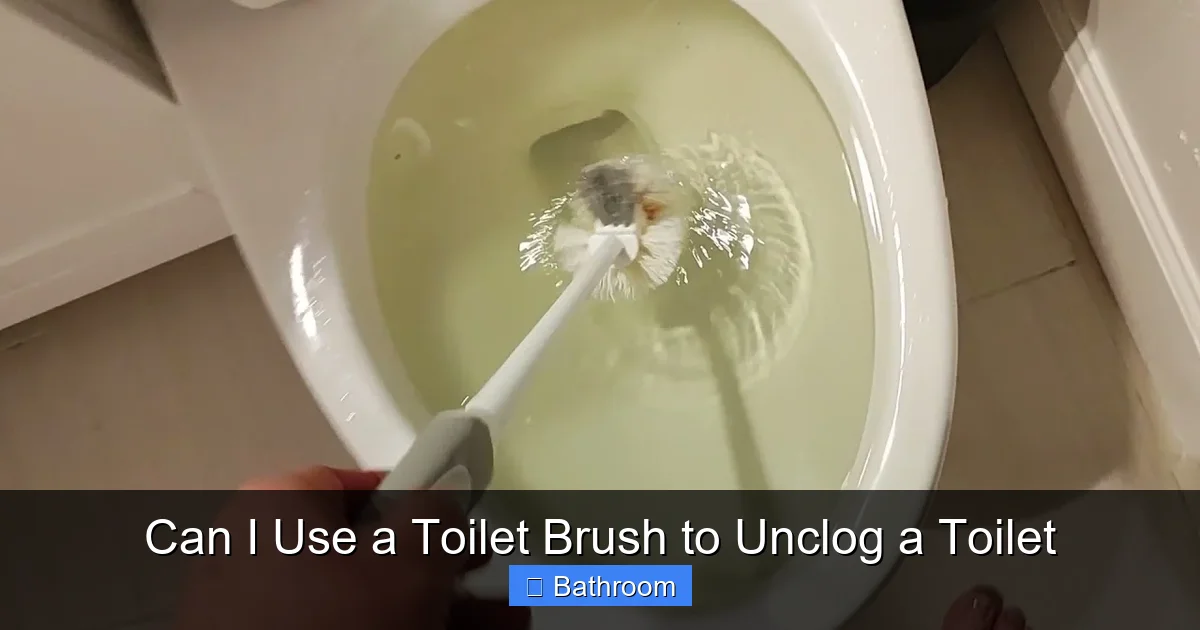
Let’s be honest: the toilet brush looks like it should work. It’s long, it’s sturdy, and it’s right there in the holder. But its design tells the real story. Most toilet brushes have soft bristles and a short handle—perfect for scrubbing the bowl, not for tackling clogs. When you try to use it to unclog a toilet, you’re likely to encounter a few problems.
First, the bristles are too weak to break up solid blockages. A clogged toilet usually involves a buildup of toilet paper, wipes, or even foreign objects that need mechanical force to dislodge. The brush simply lacks the rigidity and pressure needed to do the job.
Second, the brush’s shape isn’t suited for deep insertion. Unlike a plunger or auger, it doesn’t have a sealed cup or coiled cable to reach into the drain pipe. You’ll end up pushing the clog further down or, worse, scratching the bowl’s surface.
Finally, using the brush aggressively can damage your toilet. Hard scrubbing can chip the porcelain or warp the brush handle, making it less effective for cleaning in the future. So while it’s great for keeping your toilet clean, it’s not the right tool for unclogging.
The Difference Between Cleaning and Unclogging
It’s important to understand the difference between cleaning and unclogging. Cleaning removes surface residue and prevents odors, while unclogging restores proper water flow. These are two separate functions, and confusing them leads to ineffective results.
A clean toilet doesn’t mean it’s unclogged. You can have a sparkling bowl with a complete blockage in the drain pipe. That’s why tools like plungers and augers are essential—they’re designed to address the root cause of the problem, not just the symptoms.
Think of it this way: brushing your teeth cleans your mouth, but it won’t fix a tooth infection. Similarly, the toilet brush cleans the bowl, but it won’t fix a clog. Using it for unclogging is like using a toothbrush to remove a cavity—it’s not built for the job.
Common Misconceptions About Toilet Brushes
There are a few myths floating around about toilet brushes that we need to clear up. One is that a stronger brush or one with harder bristles can handle clogs. While a stiffer brush might seem more powerful, it still lacks the mechanical advantage of a plunger or auger.
Another misconception is that if the brush fits into the drain, it can reach the clog. But most brushes are too short and too narrow to make it past the trapway—the curved section of the pipe beneath the bowl. That’s where clogs usually form, and where tools like augers excel.
Some people also believe that using the brush repeatedly will eventually clear the clog. But without the right technique or tool, you’re just wasting time and risking damage. It’s like trying to dig a tunnel with a teaspoon.
Safer and More Effective Alternatives
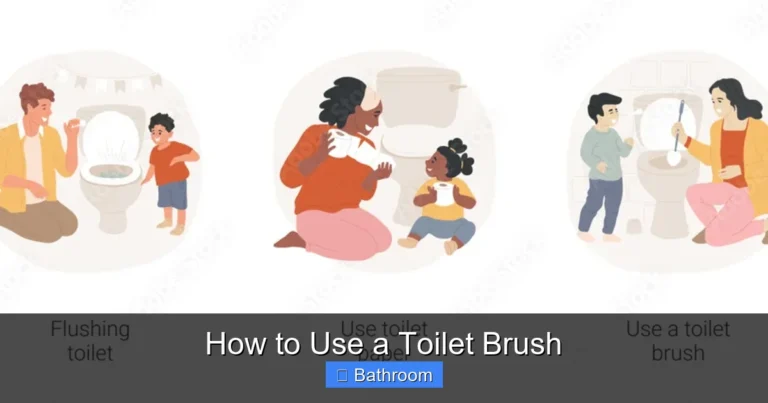
Visual guide about Can I Use a Toilet Brush to Unclog a Toilet
Image source: dreamtoilet.com
Now that we’ve established the toilet brush isn’t the answer, let’s talk about what actually works. There are several proven methods to unclog a toilet, and most of them are safer and more effective than using a brush.
The Classic Plunger
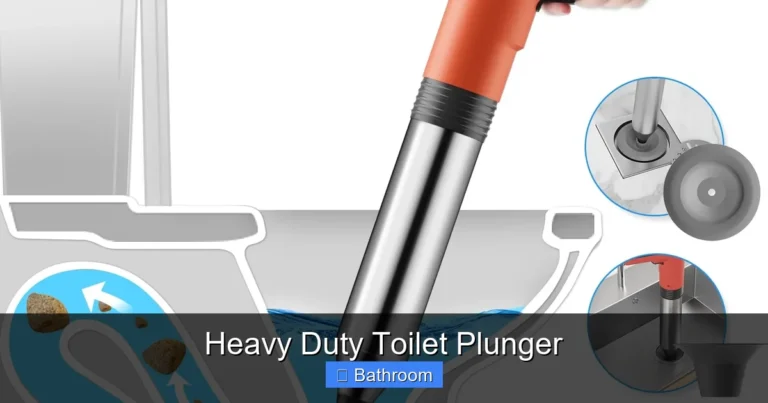
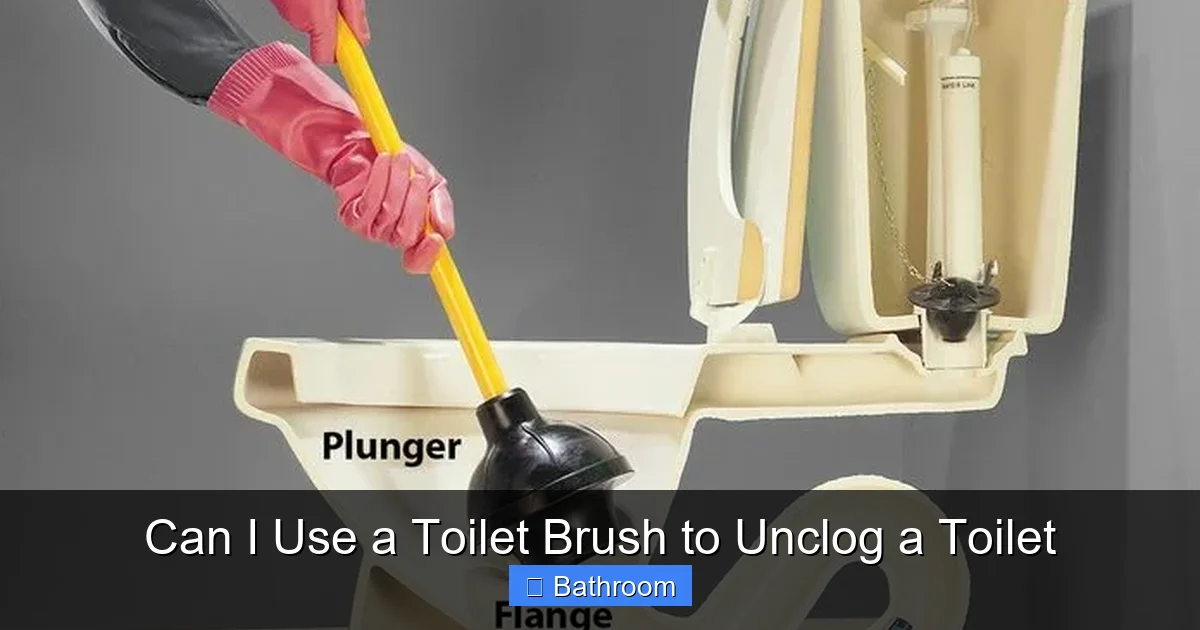
The plunger is your best friend for mild to moderate clogs. It works by creating suction and pressure to dislodge blockages. Here’s how to use it properly:
1. Fill the bowl with water: If the water level is high, let some drain until it’s about 1–2 inches above the drain outlet. This helps create better suction.
2. Position the plunger: Place the rubber cup over the drain hole, ensuring a tight seal.
3. Push and pull: Use firm, steady pressure—don’t just jab. Push down, then pull up quickly. Repeat 8–10 times.
4. Test the flush: If water starts flowing freely, you’re good. If not, repeat the process.
A high-quality plunger with a flange (the extended rubber around the cup) fits snugly into the toilet drain and provides better suction than a basic round plunger.
The Toilet Auger (Snake)
For stubborn clogs, a toilet auger—also called a closet auger—is the professional tool. It has a coiled cable that can reach deep into the drain pipe and break up tough blockages.
Using a toilet auger takes a bit more effort, but it’s far more effective. Insert the cable slowly, turn the handle to feed it into the pipe, and let the coiled tip do the work. Once you feel resistance, crank gently to break the clog apart.
Afterward, flush to clear the debris. While it’s more expensive than a plunger, a toilet auger is a worthwhile investment if you deal with clogs often.
Natural and DIY Solutions
If you prefer a chemical-free approach, there are several natural methods to try before calling a plumber:
– Baking Soda and Vinegar: Pour 1/2 cup of baking soda into the bowl, followed by 2 cups of vinegar. Let it fizz for 30 minutes, then flush. This can help dissolve minor buildup.
– Hot Water and Dish Soap: Pour a generous amount of dish soap into the bowl, then follow with 2–3 cups of hot (not boiling) water. Let it sit for 15–20 minutes before flushing.
– Enzyme Cleaners: These biodegradable products break down organic matter like toilet paper and waste. They’re safe for pipes and environmentally friendly.
While these methods won’t work on severe clogs, they’re great for maintenance and mild blockages.
When to Call a Professional Plumber
Visual guide about Can I Use a Toilet Brush to Unclog a Toilet
Image source: familyhandyman.com
Even with the best tools, some clogs are beyond DIY fixes. If you’ve tried plunging and the water won’t budge, or if the clog keeps coming back, it’s time to call a plumber.
Signs you need professional help include:
– Water backing up into the toilet: This indicates a serious blockage in the main drain line.
– Multiple drains clogging at once: This suggests a problem with the main sewer line.
– Foul odors or gurgling sounds: These can signal a broken or blocked vent pipe.
– Recent plumbing work or heavy use: Sometimes clogs are caused by improper installation or excessive flushing of non-flushable items.
A licensed plumber has the tools, experience, and access to diagnose and fix the issue quickly. They can also inspect your pipes for damage or root intrusion, which might be causing recurring clogs.
Preventing Future Clogs
The best way to avoid clogs is prevention. Here are some simple habits to adopt:
– Only flush toilet paper and human waste: Wipes, paper towels, and feminine products should never go down the toilet.
– Use less toilet paper: Excessive paper can create clogs. Try using less per flush.
– Clean your toilet regularly: Prevent buildup with routine cleaning using a toilet brush and cleaner.
– Install a drain strainer: This catches hair and debris before they enter the pipe.
– Be mindful of what goes down: Even small items like cotton swabs or dental floss can cause problems.
By maintaining good habits, you can avoid most clogs and keep your plumbing system running smoothly.
Upgrading Your Bathroom Tools
If you find yourself dealing with clogs often, it might be time to upgrade your bathroom toolkit. A high-quality plunger and a toilet auger are small investments that can save you time, money, and frustration.
Look for a plunger with a flange design and a sturdy handle. A toilet auger should have a flexible cable and easy-grip handle. Some models even come with storage caddies to keep them clean and accessible.
You might also consider a dual-purpose tool that combines a brush and plunger, though these aren’t always as effective as dedicated tools. The key is to have the right tool for the job—not just the one that’s closest.
Maintaining Your Tools
Once you’ve invested in better tools, don’t forget to maintain them. Rinse the plunger and brush after each use, and store them in a dry place. For augers, clean the cable thoroughly and lubricate the moving parts occasionally.
Proper maintenance extends the life of your tools and ensures they work when you need them most.
Conclusion: Know Your Tools and Your Limits
So, can you use a toilet brush to unclog a toilet? The short answer is no—and trying to do so can cause more harm than good. The brush is for cleaning, not for mechanical unclogging. For blockages, rely on proven tools like plungers and augers, or natural solutions for minor issues.
The key is to understand your tools and use them correctly. Don’t force a brush into a clog—it won’t work and may damage your toilet. Instead, choose the right method for the job, and don’t hesitate to call a plumber when needed.
By adopting smart habits and using the right tools, you can keep your toilet flowing smoothly and avoid unnecessary stress. Remember: a clean toilet is great, but a functional one is what really matters.
Frequently Asked Questions
Can a toilet brush actually break a clog?
No, a toilet brush is not designed to break up clogs. Its soft bristles lack the strength to dislodge blockages, and its shape isn’t suited for deep insertion into the drain pipe. Using it aggressively may push debris further or damage the bowl.
What’s the best tool to unclog a toilet?
The best tool is a high-quality plunger with a flange. For stubborn clogs, a toilet auger (closet auger) is most effective. These tools create the suction and mechanical force needed to clear blockages safely.
Is it safe to use a plunger on a clogged toilet?
Yes, plunging is safe and effective for most clogs. Make sure the plunger fits snugly over the drain hole and use firm, steady pressure. Avoid excessive force, and repeat as needed until the water flows freely.
How do I know if I need a plumber?
Call a plumber if the toilet won’t flush despite plunging, water backs up into the bowl, multiple drains are clogged, or you hear gurgling sounds. These signs indicate a serious blockage or pipe damage.
Can natural remedies unclog a toilet?
Natural remedies like baking soda and vinegar or hot water with dish soap can help with minor clogs or buildup. They’re not effective on severe blockages but are safe for pipes and good for regular maintenance.
How often should I clean my toilet?
Clean your toilet at least once a week to prevent buildup and odors. Use a toilet brush and cleaner to scrub the bowl, and wipe down the seat and lid regularly. This helps maintain hygiene and prevents future clogs.