Can Smart Bulbs Be Used as Grow Lights
Can smart bulbs be used as grow lights? Absolutely—many modern smart bulbs are designed with full-spectrum LEDs that mimic natural sunlight, making them surprisingly effective for indoor gardening. With features like adjustable color temperature and remote control, they offer convenience and energy savings, though they may not replace professional grow lights for heavy-duty setups.
Key Takeaways
- Smart bulbs can act as grow lights when they emit full-spectrum or plant-optimized light, especially in the blue and red wavelengths that plants need most.
- Energy efficiency and convenience make smart bulbs a practical choice for small indoor gardens, herbs, or houseplants.
- Not all smart bulbs are created equal—look for models with specific grow light modes or tunable white LEDs.
- Placement and duration matter—plants need consistent light cycles, so using a timer or smart automation helps maintain healthy growth.
- Limitations exist for large-scale or high-yield setups, where dedicated grow lights with higher intensity are still preferred.
- Smart integration enhances control, allowing you to adjust brightness, color, and schedule via apps or voice assistants.
- Cost-effective and eco-friendly, smart grow bulbs reduce waste and electricity use while fitting seamlessly into smart homes.
📑 Table of Contents
- Can Smart Bulbs Be Used as Grow Lights?
- Understanding Plant Light Requirements
- Are Smart Bulbs Good for Growing Plants?
- Best Smart Bulbs for Growing Plants
- Limitations and When Not to Use Smart Bulbs
- Smart Bulbs vs. Traditional Grow Lights
- Tips for Maximizing Plant Growth with Smart Bulbs
- Conclusion: Smart Bulbs Are a Smart Choice for Plant Lovers
Can Smart Bulbs Be Used as Grow Lights?
Imagine turning your living room into a lush indoor garden—without the clutter of bulky grow lights or the hassle of manual timers. That’s the promise of smart bulbs when it comes to plant care. In recent years, smart home technology has evolved far beyond just lighting up your home. Today’s smart bulbs are equipped with advanced LED technology, app-controlled features, and even voice integration, making them more than just a lighting solution. But here’s the real question on many plant lovers’ minds: can smart bulbs be used as grow lights?
The short answer is yes—but with some important caveats. Not every smart bulb is designed with plant growth in mind, but many modern models, especially those marketed as “tunable white” or “full-spectrum,” can support healthy plant development when used correctly. Whether you’re growing herbs on your windowsill, trying to revive a struggling pothos, or experimenting with microgreens, smart bulbs offer a convenient, energy-efficient way to bring light to your green companions.
In this comprehensive guide, we’ll explore everything you need to know about using smart bulbs as grow lights. From understanding light spectra to setting up the perfect lighting schedule, we’ll walk you through the science, the smart features, and the real-world applications. By the end, you’ll know exactly when and how to use your smart bulbs to help your plants thrive—without breaking the bank or your smart home ecosystem.
Understanding Plant Light Requirements
What Do Plants Need to Grow?
Before we dive into smart bulbs, let’s talk about what plants actually need to survive and flourish. While we often think of water and soil as the essentials, light is just as critical—if not more so. Photosynthesis, the process by which plants convert light into energy, depends heavily on the type and quality of light they receive.
Visual guide about Can Smart Bulbs Be Used as Grow Lights
Image source: security.org
Plants don’t just need any light—they need specific wavelengths. The visible light spectrum for plants typically ranges from 400 to 700 nanometers (nm), and within that, two colors are especially important: blue light (around 450 nm) and red light (around 660 nm). Blue light promotes strong, bushy growth and healthy foliage, while red light encourages flowering and fruiting. That’s why grow lights often have a mix of cool white and warm white LEDs.
The Role of Light Intensity and Duration
It’s not just about color—intensity and duration matter too. Different plants have different light needs. For example, leafy greens like spinach and lettuce can thrive under moderate light, while fruiting plants like tomatoes or peppers may require more intense, consistent exposure.
Most houseplants need about 12–16 hours of light per day, depending on the species. Seedlings, in particular, benefit from steady, uninterrupted light. This is where smart bulbs really shine—because they can be programmed to mimic natural daylight cycles, giving your plants a consistent environment even on cloudy days or during winter.
Are Smart Bulbs Good for Growing Plants?
Full-Spectrum LEDs: A Game Changer
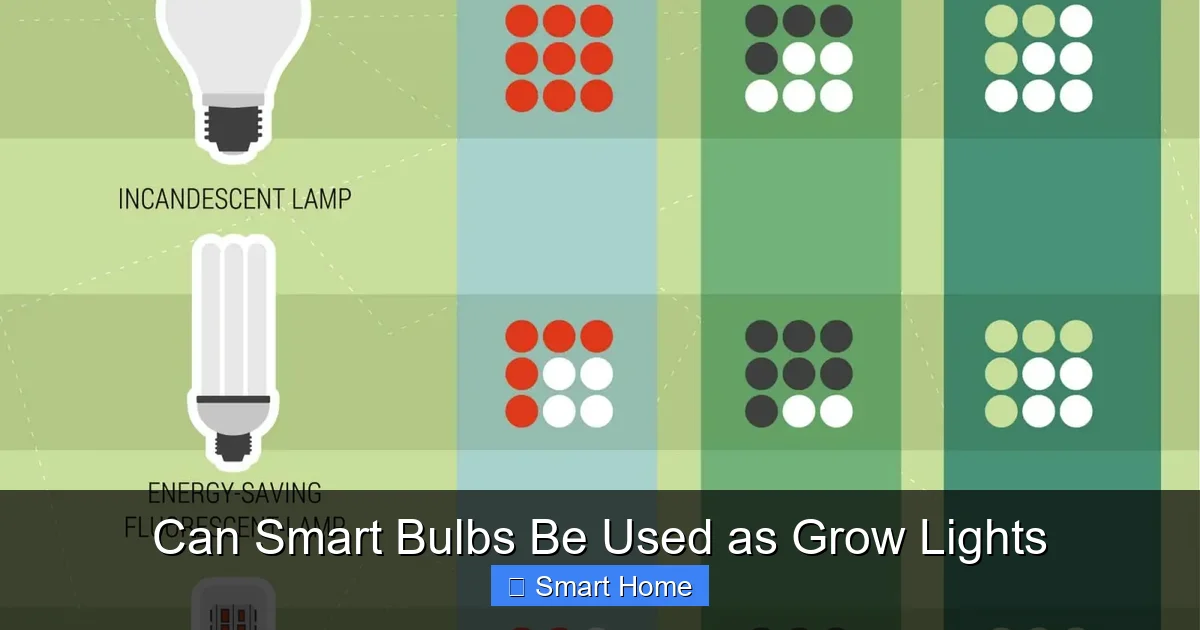
One of the biggest advantages of modern smart bulbs is their use of full-spectrum LEDs. Unlike traditional bulbs that emit only a narrow range of light, full-spectrum LEDs mimic natural sunlight by emitting light across the entire visible spectrum. This includes the blue and red wavelengths that plants need most.
Visual guide about Can Smart Bulbs Be Used as Grow Lights
Image source: blogstudio.s3.amazonaws.com
For example, brands like Philips Hue, LIFX, and Wyze offer smart bulbs with tunable white technology. These allow you to adjust the color temperature from cool white (5000K–6500K) to warm white (2700K–3000K). While cool white is better for vegetative growth and warm white supports flowering, some models even include a “plant mode” or “grow mode” optimized specifically for photosynthesis.
Energy Efficiency and Longevity
Smart bulbs are also incredibly energy-efficient. Most use less than 10 watts of power, which means they cost just pennies to run per hour. Compare that to a traditional 100-watt incandescent bulb, and the savings add up quickly. Plus, LEDs last much longer—typically 15,000 to 25,000 hours—so you won’t need to replace them often.
This efficiency makes smart bulbs ideal for continuous lighting schedules. Since they don’t overheat like some HID (high-intensity discharge) grow lights, you can safely leave them on for 12–16 hours a day without worrying about burning your plants or increasing your electricity bill.
Smart Features: The Real Advantage
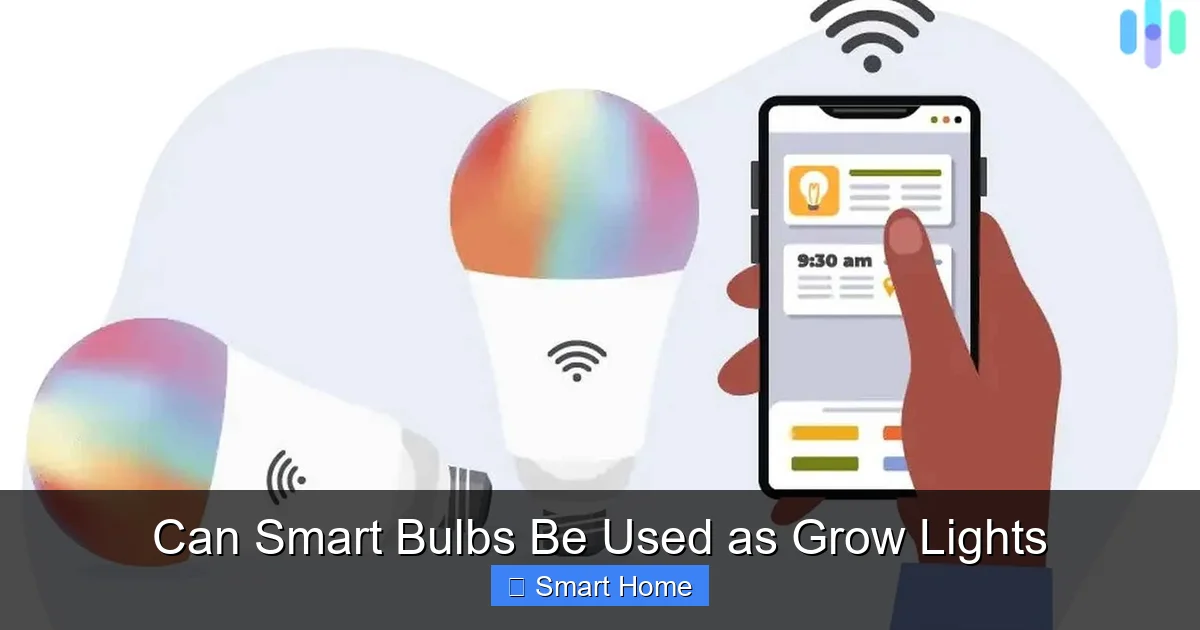
Here’s where smart bulbs truly stand out. Thanks to app control, voice assistants, and automation, you can create custom lighting routines tailored to your plants’ needs. Imagine setting your smart bulbs to gradually brighten at 6 a.m. to simulate sunrise, stay at peak brightness during the day, and dim slowly at 8 p.m. to mimic sunset.
You can also use geofencing to turn lights on when you leave home or integrate with weather apps to adjust brightness based on sunlight levels. Some smart bulb systems even include plant care tips or reminders to rotate pots for even growth.
Best Smart Bulbs for Growing Plants
Top Picks for Indoor Gardens
Not all smart bulbs are created equal. When choosing a bulb for plant growth, look for these key features:
Visual guide about Can Smart Bulbs Be Used as Grow Lights
Image source: images.squarespace-cdn.com
- Full-spectrum or tunable white LEDs
- App control with scheduling and dimming
- Voice assistant compatibility (Alexa, Google Assistant, Siri)
- Low heat output
- Energy-efficient (9W or less)
Here are a few standout options:
- Philips Hue White and Color Ambiance: Offers 16 million colors and a dedicated “Plant Mode” that shifts to a red-blue spectrum ideal for growth. Highly customizable via app.
- LIFX Mini Color: Compact, bright, and includes a “Grow Mode” with optimized red and blue wavelengths. No hub required.
- Wyze Bulb Color: Budget-friendly option with tunable white and color modes. Great for beginners on a tight budget.
- Nanoleaf Essential Smart Bulb: Simple, reliable, and works well with Alexa and Google. Offers a “Sunrise” and “Sunset” mode that can help regulate plant cycles.
Setting Up Your Smart Grow Light System
Getting started is easier than you might think. Here’s a simple setup guide:
- Choose the right bulb for your plant’s needs (see above).
- Install it in a fixture near your plants—ideally 6–12 inches above the foliage.
- Use a timer or app to set a consistent 12–16 hour light cycle.
- Monitor your plants for signs of stress (yellowing leaves, stretching, slow growth).
- Adjust as needed—rotate pots, change intensity, or switch to warmer tones for flowering.
Pro tip: Use a light meter app (like “Light Meter” or “Lux Light Meter”) to measure light intensity. Most houseplants need 1,000–2,000 lux, while leafy greens may need 20,000+ lux. Smart bulbs usually provide 100–300 lux, so they’re best for low to moderate-light plants.
Limitations and When Not to Use Smart Bulbs
Brightness and Coverage
While smart bulbs are great for small spaces, they have limitations. Most emit light in a narrow beam, so they’re best suited for single plants or small trays. If you’re growing large plants or multiple crops under one light, you may need multiple bulbs or a dedicated grow light.
Not a Substitute for Professional Grow Lights
Don’t expect smart bulbs to replace high-intensity discharge (HID) lights like metal halide or high-pressure sodium (HPS) bulbs in a professional grow room. Those lights provide much higher lumens and are designed for large-scale, high-yield operations.
Distance and Light Penetration
Plants need light to penetrate their leaves. If your smart bulb is too far away, only the top leaves will get enough light, while lower leaves may become weak or die. Keep bulbs close—ideally within 12 inches—and rotate your plants regularly.
Cost vs. Benefit for Large-Scale Growing
For serious growers, the cost of multiple smart bulbs may outweigh the benefits. A single LED grow panel with higher wattage and broader coverage is often more efficient for larger setups. However, for hobbyists, beginners, or small-space gardening, smart bulbs offer an affordable and flexible solution.
Smart Bulbs vs. Traditional Grow Lights
Comparison Table
| Feature | Smart Bulbs | Traditional Grow Lights |
|---|---|---|
| Cost | $10–$50 per bulb | $50–$300+ per fixture |
| Energy Use | Low (5–10W) | High (200–1000W+) |
| Lifespan | 15,000–25,000 hours | 10,000–20,000 hours |
| Ease of Use | App-controlled, voice-enabled | Manual switches, timers |
| Best For | Small plants, herbs, houseplants | Large gardens, commercial grows |
| Heat Output | Very low | High (requires cooling) |
Which Should You Choose?
If you’re growing a few basil plants on your kitchen counter or trying to revive a sad snake plant, smart bulbs are a fantastic choice. They’re affordable, easy to use, and integrate seamlessly into your smart home. But if you’re running a commercial greenhouse or growing high-light crops like tomatoes or cannabis, you’ll likely need professional-grade lighting.
Tips for Maximizing Plant Growth with Smart Bulbs
Use Smart Automation
Set up routines using your smart home hub. For example, have your bulbs turn on at 6 a.m. and off at 10 p.m. every day. You can also use sunrise/sunset simulations to gently wake up your plants and signal the end of the day.
Combine with Natural Light
Don’t rely solely on artificial light. Place your plants near a window and use smart bulbs to supplement during low-light periods. This hybrid approach saves energy and gives your plants the best of both worlds.
Rotate and Prune Regularly
Even with consistent light, plants grow toward the light source. Rotate your pots weekly to ensure even growth. Pruning helps direct energy to the strongest shoots and improves air circulation.
Monitor Humidity and Watering
Light affects transpiration—the process by which plants release water. With artificial light, especially in dry indoor environments, you may need to adjust your watering schedule. Use a hygrometer to monitor humidity levels.
Experiment with Color Modes
Some smart bulbs let you shift between blue, red, and full-spectrum modes. Try using blue light for leafy growth and red light during flowering. You can even blend colors for a balanced approach.
Conclusion: Smart Bulbs Are a Smart Choice for Plant Lovers
So, can smart bulbs be used as grow lights? The answer is a resounding yes—especially for small-scale, indoor gardening. With full-spectrum LEDs, energy efficiency, and smart automation, these bulbs offer a convenient, cost-effective way to support plant growth in homes, apartments, and offices. Whether you’re growing herbs, succulents, or microgreens, smart bulbs provide the light your plants need to thrive.
While they may not replace professional grow lights for large-scale operations, they’re perfect for hobbyists and urban gardeners. And because they’re part of a smart home ecosystem, they offer unmatched convenience, control, and integration. From voice commands to scheduled routines, you can create a lighting environment that’s as smart as your home—and as good for your plants.
So go ahead—plug in a smart bulb, fire up your favorite plant care app, and watch your indoor garden flourish. With the right setup, your smart home isn’t just smarter—it’s greener.
Frequently Asked Questions
Can smart bulbs really help plants grow?
Yes, smart bulbs with full-spectrum LEDs can support plant growth by providing the blue and red wavelengths essential for photosynthesis. They’re ideal for small indoor gardens, herbs, and houseplants.
How many hours of light do plants need from smart bulbs?
Most plants need 12–16 hours of light per day. Use a timer or smart automation to maintain a consistent schedule and mimic natural daylight cycles.
Are smart bulbs safe for all types of plants?
They’re best for low to moderate-light plants like herbs, leafy greens, and houseplants. High-light crops like tomatoes may require more intense lighting than most smart bulbs can provide.
Do smart bulbs produce enough light for seedlings?
Yes, as long as they’re placed close (6–12 inches) and provide full-spectrum light. Consistent, uninterrupted light helps seedlings develop strong stems and leaves.
Can I use multiple smart bulbs to grow more plants?
Absolutely. You can daisy-chain bulbs or use them in different areas to grow multiple plants. Just ensure each plant gets adequate light and airflow.
Are smart grow bulbs more expensive than regular smart bulbs?
Not necessarily. Many standard smart bulbs (like Philips Hue or LIFX) can be used for growing. Look for models with tunable white or full-spectrum options, which are often similarly priced.