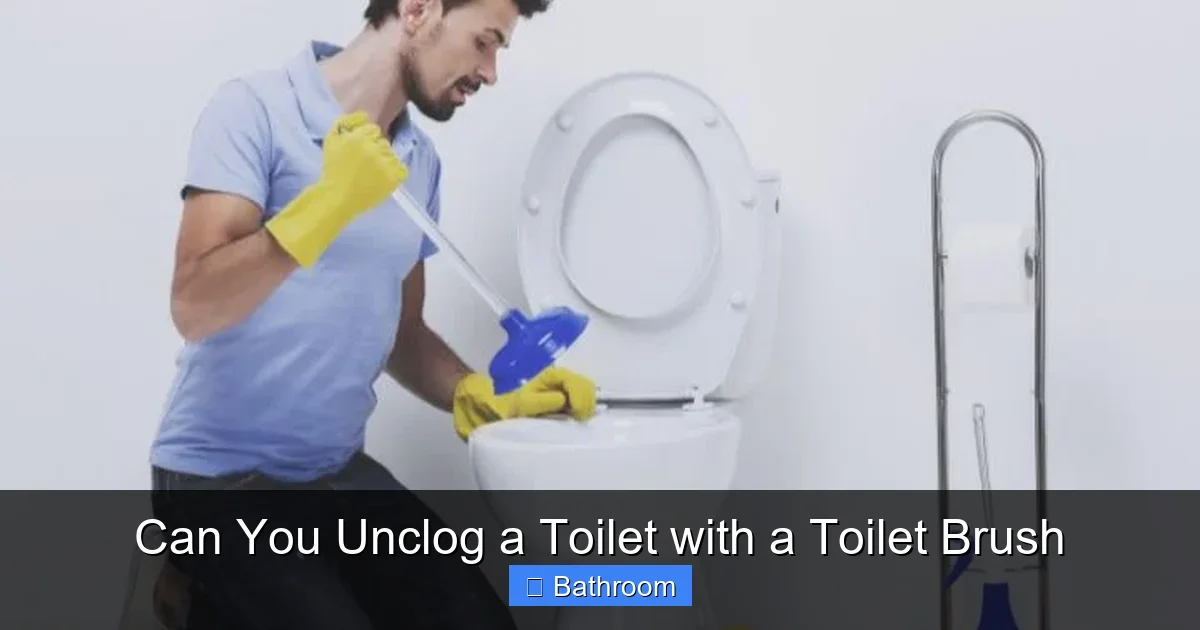
Can You Unclog a Toilet with a Toilet Brush
Can you unclog a toilet with a toilet brush? In most cases, no—but it might help clear minor blockages when used correctly. While toilet brushes are great for cleaning, they aren’t designed for deep clogs. Using one improperly can worsen the problem or damage your plumbing. Know when to use a brush safely and when to call a professional.
Key Takeaways
- Toilet brushes aren’t built for clogs: They’re designed for cleaning, not clearing blockages. Using one to unclog a toilet is risky and often ineffective.
- Minor clogs might respond to gentle brushing: If the clog is soft or partial, a well-placed brush might help dislodge debris—but only under safe conditions.
- Never force the brush: Pushing too hard can damage the toilet bowl or push waste further into the pipes.
- Proper technique matters: If you try, use short, gentle strokes and avoid excessive pressure.
- Know your limits: If the water won’t drain or the brush doesn’t help, stop immediately and use a plunger or auger.
- Safety first: Always wear gloves and avoid splashing. Never use a brush near the waterline where bacteria can spread.
- Prevention is better: Regular cleaning and proper waste disposal reduce the chance of clogs.
📑 Table of Contents
- Can You Unclog a Toilet with a Toilet Brush?
- Understanding the Role of a Toilet Brush
- When Might a Toilet Brush Help?
- Why a Toilet Brush Is Generally Not Recommended
- Safe and Effective Alternatives
- Preventing Toilet Clogs
- When to Stop and Call a Professional
- Conclusion: Know Your Tools and Their Limits
- FAQS
Can You Unclog a Toilet with a Toilet Brush?
You’ve just flushed, and instead of flowing away, the water starts to rise. The toilet bowl fills up, and you’re left standing there, wondering: Can you unclog a toilet with a toilet brush? It’s a question many homeowners ask when faced with a backed-up toilet. At first glance, a toilet brush seems like the perfect tool for the job—after all, it’s designed to interact with the bowl. But is it really safe or effective?
In this guide, we’ll explore whether a toilet brush can actually help unclog a toilet, how to use it safely if at all, and what to do instead when the clog won’t budge. Whether you’re dealing with a slow drain or a full overflow, understanding your tools—and their limits—is key to avoiding bigger plumbing disasters.
Understanding the Role of a Toilet Brush
What Is a Toilet Brush For?
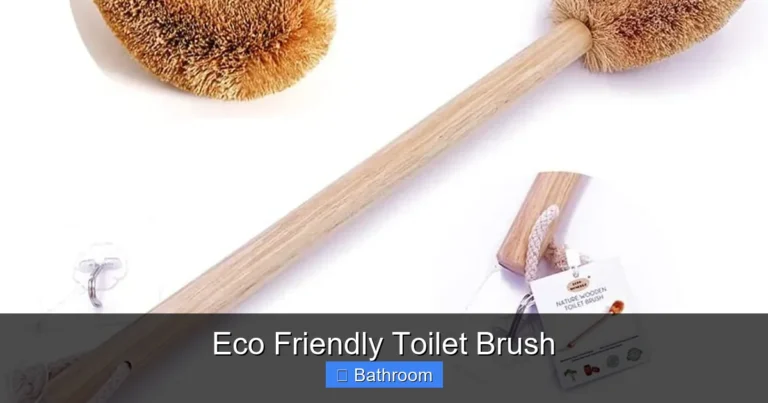
A toilet brush is a simple, handheld tool used for cleaning the inside of a toilet bowl. Most come with a small reservoir of cleaning solution and a soft-bristled head. Their job is to scrub away surface grime, mineral deposits, and mildew. Unlike plungers or augers, they aren’t designed to handle solid blockages.
Visual guide about Can You Unclog a Toilet with a Toilet Brush
Image source: fivestarmechanicalsolutions.com
Think of a toilet brush like a toothbrush—it’s great for daily maintenance but not meant for fixing a broken tooth. The bristles are soft and flexible, not strong enough to break through a clog. In fact, using a brush aggressively could damage the porcelain or push debris deeper into the drain line.
Common Misconceptions
Many people assume that because a toilet brush touches the water and waste, it must be able to clear clogs. But functionality doesn’t always match intuition. A brush can clean the surface, but it can’t break up a solid mass of toilet paper, hair, or foreign objects stuck in the trap or pipes.
Another misconception is that any household tool can serve multiple purposes. While it’s tempting to reach for the brush first, doing so without knowing its limitations can lead to frustration—or worse, damage.
When Might a Toilet Brush Help?
Minor, Soft Blockages
In rare cases, a toilet brush might assist with a very mild clog. If the blockage is made of soft materials—like excess toilet paper or a small amount of waste—and hasn’t fully sealed the drain, a gentle brushing motion might help dislodge it. But this is not a reliable method.
Visual guide about Can You Unclog a Toilet with a Toilet Brush
Image source: plumbingsupply.com
For example, if you notice the water level rising slowly and the brush can move freely in the bowl, you might try a few short, light strokes near the base of the trap. But even then, success is unlikely. The brush lacks the rigidity and force needed to push through a real obstruction.
Post-Plunge Cleaning
After using a plunger to clear a clog, a toilet brush can help clean the bowl and remove any remaining residue. This is a safe and appropriate use of the tool. Just remember to rinse the brush thoroughly afterward and sanitize it to prevent bacterial buildup.
Why a Toilet Brush Is Generally Not Recommended
Lack of Structural Strength
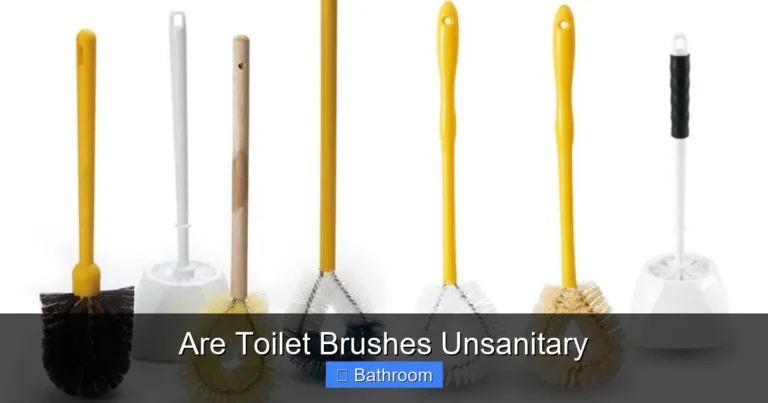
Toilet brushes are made of soft plastic and nylon bristles. They’re not built to withstand the pressure of a clogged pipe. Trying to force the brush into a tight space can cause the handle to bend or the bristles to break, scattering debris further down the line.
Visual guide about Can You Unclog a Toilet with a Toilet Brush
Image source: familyhandyman.com
Imagine trying to pry open a stuck door with a feather duster—it just won’t work. The same logic applies here. A plunger or drain auger has the strength and design to handle blockages, while a brush does not.
Safety Risks
Using a toilet brush near a clogged or overflowing toilet increases the risk of splashing. Waste and bacteria can be aerosolized when water surges back up. Without proper protection—like gloves and eye goggles—you could expose yourself to harmful pathogens.
Additionally, if the clog is severe, inserting any object into the bowl could damage the trap seal, leading to sewer gases entering your home. This is a serious health concern and should be avoided.
Ineffectiveness Against Common Clogs
Most toilet clogs are caused by a buildup of toilet paper, feminine hygiene products, or foreign objects like wipes (even if labeled “flushable”). These materials don’t break down easily and form solid masses in the pipes. A brush simply can’t reach or break through these blockages.
Even if you manage to move some debris, the clog is likely deeper in the plumbing system. A brush won’t reach those areas, and attempting to do so could push the problem further downstream.
Safe and Effective Alternatives
Use a Plunger First
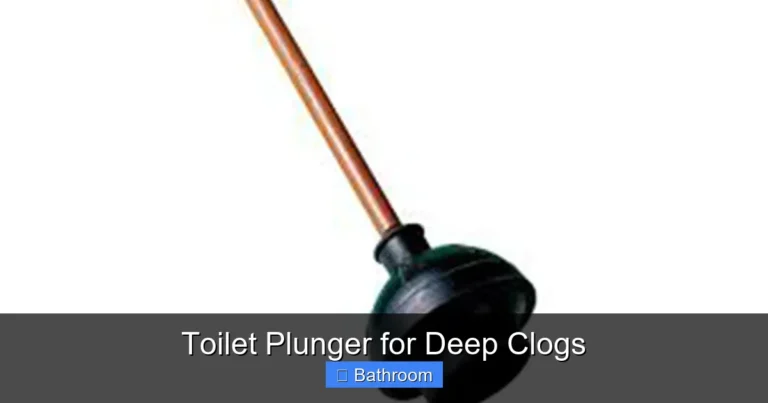
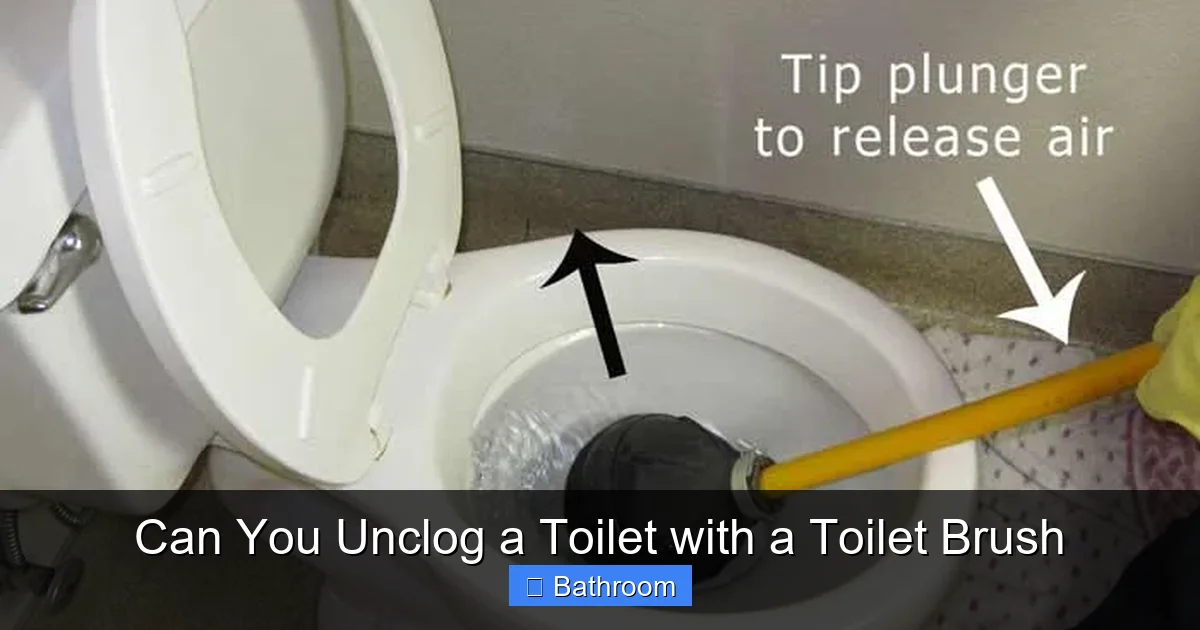
A plunger is the go-to tool for unclogging a toilet. It creates suction and pressure to dislodge blockages in the trap. For best results, use a flange plunger (designed specifically for toilets) and follow these steps:
- Fill the bowl with enough water to cover the plunger cup.
- Place the plunger over the drain hole and press down gently.
- Create a tight seal, then push down firmly and pull up sharply—repeat 10–15 times.
- Check if the water drains. If not, repeat.
A plunger is safe, effective, and widely available. It’s the first tool every homeowner should reach for.
Try a Toilet Auger (Closet Auger)
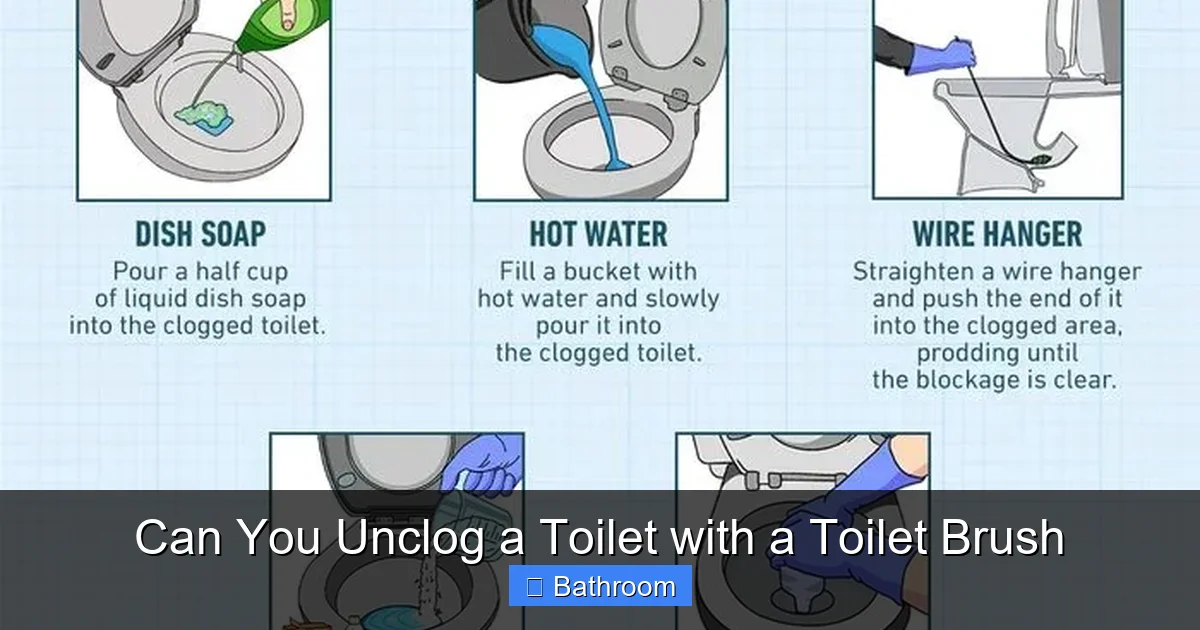
If a plunger doesn’t work, a toilet auger—also called a closet auger—is the next step. This tool has a flexible cable that can reach deeper into the drain line. It’s designed to cut through tough clogs without damaging the bowl.
To use a toilet auger:
- Insert the cable into the toilet drain.
- Turn the handle to feed the cable into the pipe.
- When you feel resistance, rotate the cable to break up the clog.
- Retract slowly and flush to test.
While more expensive than a plunger, a toilet auger is a worthwhile investment for frequent clogs.
Chemical Drain Cleaners: Use with Caution
Chemical drain cleaners can dissolve organic matter like hair or toilet paper. However, they’re not recommended for frequent use. Harsh chemicals can damage pipes, harm septic systems, and pose health risks.
If you choose to use one:
- Follow the instructions carefully.
- Use only when other methods fail.
- Ventilate the area and wear protective gear.
For eco-friendly alternatives, consider enzyme-based cleaners that safely break down waste without corrosive ingredients.
Call a Professional Plumber
If you’ve tried a plunger, auger, and possibly a chemical cleaner—and the clog persists—it’s time to call a licensed plumber. Persistent clogs may indicate a more serious issue, such as a tree root intrusion, a collapsed pipe, or a clog deeper in the sewer line.
Professional plumbers have specialized tools like video cameras to inspect the pipes and hydro-jetting equipment to clear severe blockages. They can diagnose and fix the problem safely and permanently.
Preventing Toilet Clogs
Flush Only the 3 P’s
To avoid clogs, only flush paper, pee, and poop. Never flush wipes, cotton swabs, dental floss, or other non-biodegradable items. Even “flushable” wipes often cause blockages because they don’t break down as advertised.
Use Less Toilet Paper
Excessive toilet paper can contribute to clogs. Try using less per flush, especially if you have hard water, which can cause paper to clump. Consider switching to a thinner, high-quality brand that breaks down easily.
Regular Maintenance
Clean your toilet brush holder weekly to prevent bacterial growth. Replace your brush every 3–6 months, or sooner if the bristles become frayed. A clean brush holder also encourages proper hygiene.
Install a Drain Strainer
If clogs are frequent, consider installing a drain strainer in the toilet tank or near the base. These catch hair and debris before they enter the pipes. While not a cure-all, they add an extra layer of protection.
Know Your Plumbing System
If you have an older home, your plumbing may be more prone to clogs due to smaller pipes or mineral buildup. Regular inspections by a plumber can help catch issues early.
When to Stop and Call a Professional
Signs You Need Help
Don’t risk further damage. Stop using any DIY method and call a plumber if:
- The water won’t drain at all.
- The clog returns within a few hours or days.
- You smell sewage in the room.
- Multiple drains in your home are slow.
- You hear gurgling sounds from other fixtures.
These are signs of a more serious blockage or system failure. A professional can assess the situation and recommend the best course of action.
Conclusion: Know Your Tools and Their Limits
So, can you unclog a toilet with a toilet brush? The short answer is no—not effectively or safely. While it might seem logical to use the brush you already have on hand, doing so can worsen the problem, damage your toilet, or expose you to health risks. A toilet brush is a cleaning tool, not a plumbing repair device.
Instead, start with a plunger. If that doesn’t work, try a toilet auger. Use chemical cleaners sparingly, and always prioritize safety. And remember: prevention is the best strategy. Flush only the 3 P’s, clean regularly, and maintain your plumbing system.
If the clog persists, don’t hesitate to call a professional. Plumbers have the right tools, training, and experience to handle even the toughest blockages—safely and efficiently. Your peace of mind and home’s plumbing health are worth the call.
FAQS
Can a toilet brush help clear a clog?
It might help with a very minor, soft clog, but it’s not effective or safe for most blockages. The brush lacks the strength to break through solid obstructions and could push debris deeper into the pipes.
Is it safe to use a toilet brush on a clogged toilet?
Not really. Using a brush on a clogged toilet increases the risk of splashing waste and bacteria. It’s safer to use a plunger or auger, or to avoid the bowl altogether.
What’s the best tool to unclog a toilet?
A plunger is the best first step. If it doesn’t work, use a toilet auger. Both are designed to handle clogs safely and effectively.
Can I use a regular plunger for a toilet?
Yes, but a flange plunger (with a rubber flapper) is more effective. A flat-bottomed cup plunger is better for sinks and tubs, not toilets.
How do I clean my toilet brush after use?
Rinse it thoroughly with hot water and disinfect it weekly. Replace the brush every 3–6 months, or sooner if the bristles are damaged.
What should I do if my toilet keeps clogging?
Stop trying to fix it yourself. Persistent clogs may indicate a deeper plumbing issue. Call a licensed plumber to diagnose and repair the problem.
Frequently Asked Questions
What is Can You Unclog A Toilet With A Toilet Brush?
Can You Unclog A Toilet With A Toilet Brush is an important topic with many practical applications.