Can You Use a Toilet Brush to Unclog a Toilet
Can you use a toilet brush to unclog a toilet? Yes, but with important caveats. A toilet brush can help clear minor clogs when used properly, but it’s not designed for heavy blockages. For best results, combine it with other tools like plungers or drain snakes.
Key Takeaways
- Toilet brushes are not designed for unclogging: They’re meant for cleaning, not clearing blockages. Using them incorrectly can worsen clogs or damage plumbing.
- They work only for minor, soft clogs: Soft tissue paper or light buildup may respond to gentle brushing, but hard objects or deep clogs won’t budge.
- Proper technique matters: Insert the brush gently into the drain, move it in small circles, and avoid forcing it. Always flush afterward to test.
- Safety is critical: Never use excessive force. Hard bristles or aggressive scrubbing can crack porcelain or push debris deeper.
- Better alternatives exist: For serious clogs, use a plunger, toilet auger, or chemical/enzymatic cleaners. Call a plumber if problems persist.
- Hygiene concerns: Toilet brushes can harbor bacteria if not cleaned and dried properly. Always sanitize after use.
- Prevention is key: Avoid flushing non-biodegradables and use less toilet paper to reduce clog risks.
📑 Table of Contents
- Can You Use a Toilet Brush to Unclog a Toilet?
- Understanding the Purpose of a Toilet Brush
- When Can You Actually Use a Toilet Brush to Unclog a Toilet?
- Risks and Drawbacks of Using a Toilet Brush to Unclog
- Better Alternatives to Using a Toilet Brush
- When to Call a Professional Plumber
- How to Prevent Toilet Clogs
- Final Thoughts: Is a Toilet Brush Useful in a Clog?
Can You Use a Toilet Brush to Unclog a Toilet?
Picture this: You’re standing over your toilet, the water level rising steadily despite your best efforts with the plunger. The bowl is filling, the gurgling sound is getting louder, and you’re starting to sweat. You reach for the toilet brush—the tool you use every day to keep your bowl clean—and wonder: Can you use a toilet brush to unclog a toilet? It seems logical, right? After all, it’s right there, designed to go into the drain. But before you start scrubbing furiously, let’s talk about what a toilet brush is actually meant for—and whether it’s really the right tool for the job.
Most people assume that if something goes into the toilet drain, it can be used to clear blockages. But the reality is more nuanced. A toilet brush is a cleaning tool, not a plumbing tool. While it might seem like a logical choice during a clog crisis, using it improperly can do more harm than good. In this guide, we’ll explore when (and when not) to use a toilet brush to unclog a toilet, what the risks are, and better alternatives to try first. By the end, you’ll know exactly how to handle a clogged toilet—without risking damage to your pipes or your sanity.
Understanding the Purpose of a Toilet Brush
What Is a Toilet Brush and Why Do We Have One?
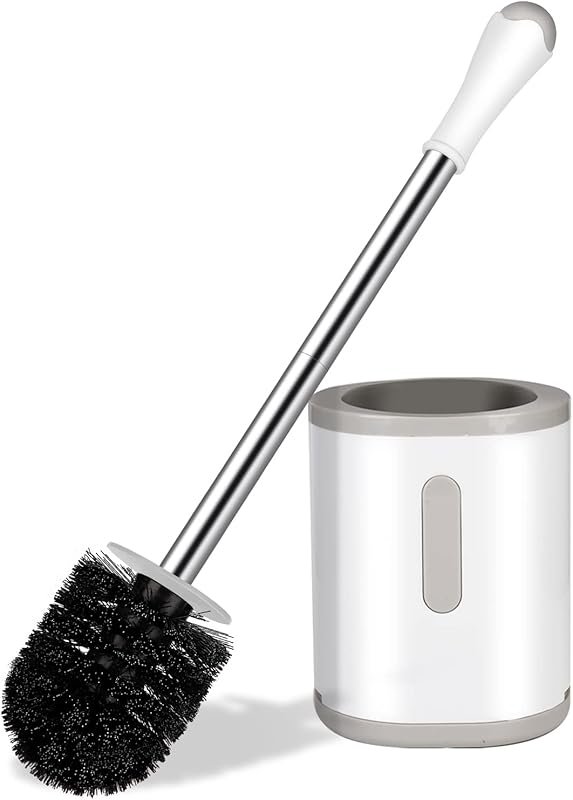
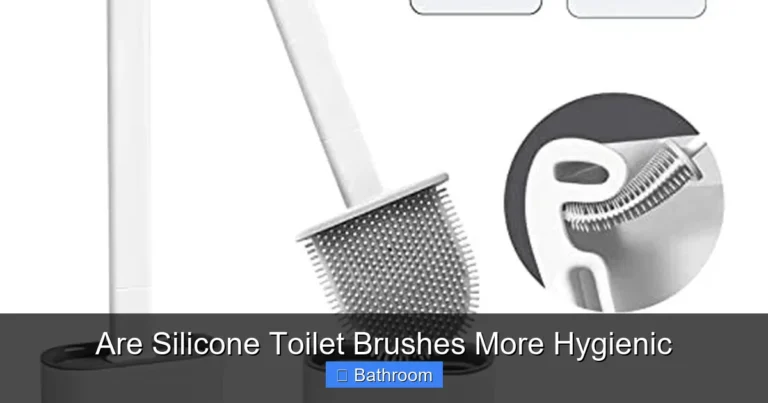
A toilet brush is a small, handheld tool with bristles attached to a handle, designed to clean the inside of a toilet bowl. Most come with a holder that sits in a small reservoir of disinfectant liquid. You dip the brush into the cleaner, then scrub the bowl’s surface—especially under the rim and around the drain hole—to remove stains, residue, and bacteria.
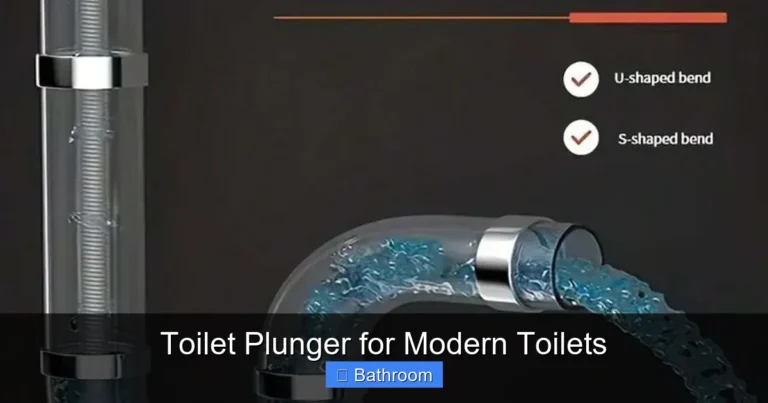
Visual guide about Can You Use a Toilet Brush to Unclog a Toilet
Image source: img.ltwebstatic.com
The brush is meant to maintain cleanliness, not to tackle blockages. Its bristles are usually soft or medium in stiffness, and the handle is short—not built for deep insertion or forceful pushing. So while it can reach into the drain hole, it’s not engineered to break up or remove solid obstructions.
The Limits of a Toilet Brush
Even with the best intentions, a toilet brush has significant limitations when it comes to unclogging a toilet. Here’s why:
- Bristles are too soft: Most brushes use nylon or polypropylene bristles, which aren’t strong enough to dislodge hard clogs like sanitary products, wipes, or hardened toilet paper.
- Short handle: You can’t insert the brush deep into the drain shaft to reach the clog. This means you’re only working on the surface.
- Lack of force: Scrubbing gently won’t generate the pressure needed to break up blockages.
- Risk of damage: Forcing the brush or applying too much pressure can scratch the porcelain or damage the seal around the drain.
In short, a toilet brush is like using a spoon to fix a car engine—it might look like it fits, but it’s not built for the job.
When Can You Actually Use a Toilet Brush to Unclog a Toilet?
Despite its limitations, there are rare situations where a toilet brush might help. These are usually minor, soft clogs that haven’t fully blocked the drain yet.
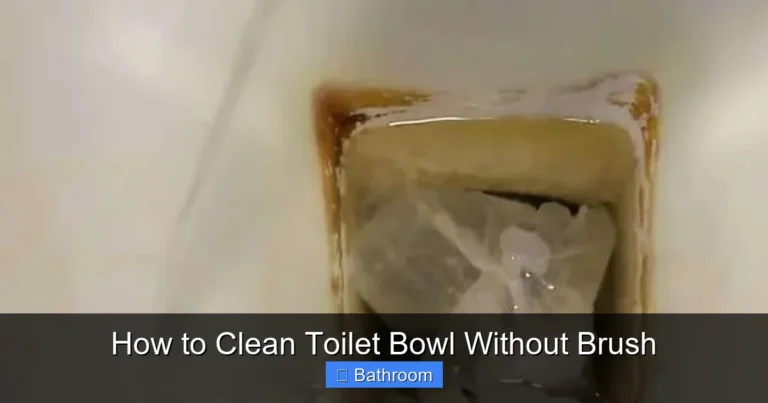
Visual guide about Can You Use a Toilet Brush to Unclog a Toilet
Image source: img.ltwebstatic.com
Soft, Minor Clogs
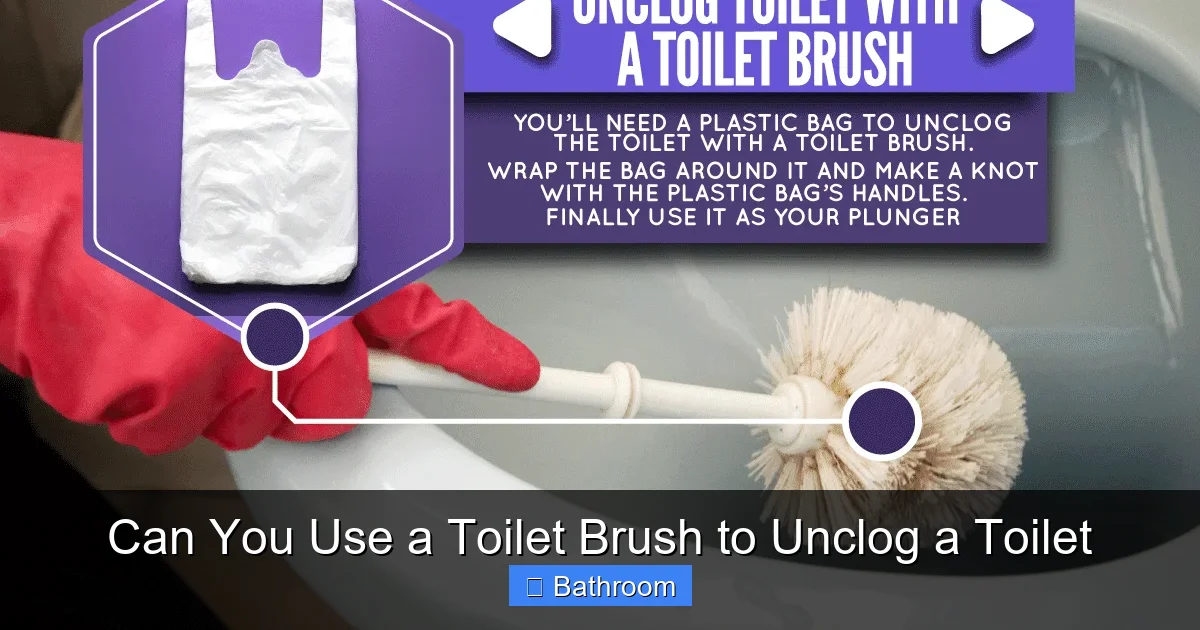
If the clog is caused by excess toilet paper or light buildup near the drain opening, a toilet brush might help. Here’s how to try it safely:
- Remove the brush from its holder. Rinse it under warm water to remove disinfectant residue.
- Dip it in the toilet bowl water. This helps loosen debris.
- Gently insert the brush into the drain hole. Don’t force it—just push it in a few inches.
- Move the brush in small, circular motions. This can help dislodge soft buildup.
- Flush immediately. If the water drains quickly, the clog may be gone. If not, stop and try another method.
Example: A family using too much toilet paper during a weekend visit might notice slow drainage. After a few flushes, the water level drops slightly but doesn’t fully drain. In this case, a gentle brushing motion with the brush might clear the soft residue near the surface.
Preventive Maintenance
Using a toilet brush regularly can help prevent clogs by removing surface buildup before it hardens. Think of it like brushing your teeth—regular cleaning prevents bigger problems later.
Tip: After cleaning, always rinse the brush thoroughly and let it air-dry in the holder. Never leave it soaking in disinfectant for days, as this can degrade bristles and promote mold.
Risks and Drawbacks of Using a Toilet Brush to Unclog
While a toilet brush might seem harmless, using it to unclog a toilet carries several risks that can make the problem worse.
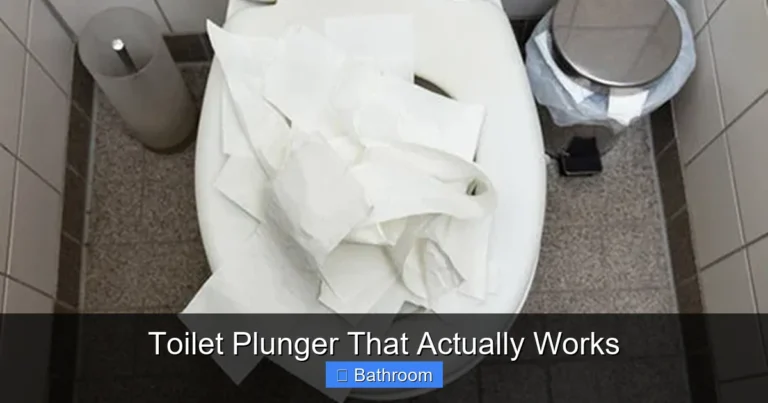
Visual guide about Can You Use a Toilet Brush to Unclog a Toilet
Image source: hvacseer.com
1. Pushing Debris Deeper
One of the biggest dangers is that you might push the clog further into the pipe. Instead of clearing it, you could create a deeper blockage. This is especially true with hard or fibrous materials like wet wipes or paper towels.
Example: You insert the brush and push hard, only to notice the water level rising again after you remove the brush. The clog is now deeper, and your plunger is less effective.
2. Damaging the Toilet Bowl
Toilet bowls are made of porcelain, which can crack under pressure. Hard scrubbing with a brush—especially if it’s stiff or you’re using metal bristles—can scratch or chip the surface. Over time, these cracks can trap bacteria and lead to staining.
3. Spreading Bacteria
A toilet brush can become a breeding ground for bacteria if not cleaned properly. When you use it to unclog, you’re introducing germs into the drain, which can spread to other parts of your bathroom or even your plumbing system.
Tip: Always sanitize your brush after any use, especially if you’ve touched clogged water or debris.
4. Ineffective on Real Clogs
For most clogs, a toilet brush simply doesn’t have the power or reach to fix the problem. Trying to force it can waste time and increase frustration.
Bottom line: If the clog is significant, a brush is unlikely to help—and may make things worse.
Better Alternatives to Using a Toilet Brush
If a toilet brush isn’t the right tool, what is? Here are proven, effective methods to clear a clogged toilet—without risking damage.
1. The Classic Plunger
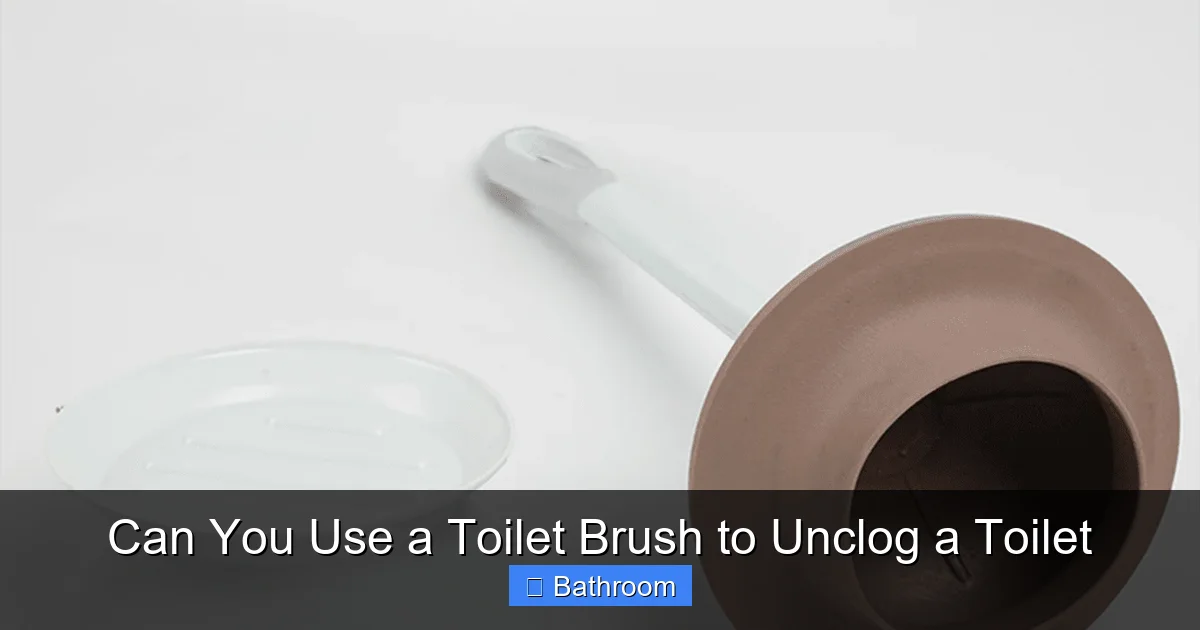
A plunger is the go-to tool for most clogs. The cup-shaped head creates suction to dislodge blockages.
How to use it:
- Cover the overflow hole with a wet rag to increase pressure.
- Place the plunger over the drain hole, ensuring a tight seal.
- Pump up and down 10–15 times with firm pressure.
- Pull the plunger away slowly and flush.
Tip: Use a flange plunger (the kind with a rubber ring) for better seal and reach.
2. The Toilet Auger (Closet Auger)
A toilet auger is a long, flexible snake with a cutting head. It’s designed specifically for toilet clogs.
How to use it:
- Insert the auger into the drain hole.
- Push it in slowly until you feel resistance (the clog).
- Rotate the handle to break up the blockage.
- Pull it out and flush.
Tip: Augers are more expensive but more effective than plungers for stubborn clogs.
3. Enzymatic or Chemical Cleaners
These cleaners use natural or synthetic enzymes to break down organic matter like toilet paper or waste.
How to use:
- Pour the cleaner into the bowl, avoiding the sides.
- Let it sit for 15–30 minutes.
- Flush and check if the water drains.
Tip: Enzymatic cleaners are safer for pipes and the environment. Avoid harsh chemicals like Drano, which can damage seals and pipes.
4. DIY Natural Solutions
For minor clogs, try these household solutions:
- Baking soda and vinegar: Pour 1 cup of baking soda, then 2 cups of vinegar. Wait 30 minutes, then flush.
- Hot water: Pour boiling water slowly into the bowl (only if you have a wax ring seal—hot water can damage older seals).
When to Call a Professional Plumber
Sometimes, no matter what you try, the clog won’t budge. Here’s when it’s time to call a plumber:
- The water level rises and won’t go down after multiple plunging attempts.
- The clog returns within a day or two.
- You hear gurgling in other drains (bathtub, sink), indicating a main line blockage.
- You notice sewage backup in other fixtures.
A plumber has specialized tools like hydro-jetting or main-line snakes that can clear deep or recurring clogs. They can also inspect for pipe damage or root intrusion.
How to Prevent Toilet Clogs
Prevention is always better than cure. Here’s how to keep your toilet flowing smoothly:
1. Use Less Toilet Paper
Modern toilets are powerful, but they still prefer less paper. Use only what’s necessary. If you’re using more than 5–6 sheets per flush, consider switching to a thinner brand.
2. Don’t Flush Non-Biodegradables
Never flush:
- Wet wipes (even “flushable” ones)
- Sanitary products
- Cotton swabs
- Paper towels
- Cat litter
These materials don’t break down and can create hard, sticky clogs.
3. Regular Maintenance
Clean your toilet bowl weekly with a brush and cleaner. This removes buildup before it hardens into a clog.
4. Install a Drain Strainer
If you have a bidet or pour-over toilet, a small strainer can catch debris before it enters the drain.
5. Check for Low Flushing Power
Older toilets or low-flush models may struggle with heavy loads. Consider upgrading to a high-efficiency model if clogs are frequent.
Final Thoughts: Is a Toilet Brush Useful in a Clog?
So, back to the original question: Can you use a toilet brush to unclog a toilet? The short answer is only in rare, minor cases—and with caution. For most clogs, it’s not worth the risk. Use a plunger, auger, or cleaner instead. And remember: prevention is your best defense.
Think of your toilet brush as a cleaning tool, not a repair tool. Keep it clean, use it regularly, and save it for what it’s meant for. When clogs happen, respond quickly with the right tools—not the first thing you reach for.
With the right knowledge and tools, you can handle most clogs safely and effectively. And if you ever do need a plumber, you’ll know exactly why.
Frequently Asked Questions
Can a toilet brush actually help unclog a toilet?
Yes, but only for minor, soft clogs near the surface. It can gently dislodge light buildup of toilet paper, but it won’t fix hard or deep blockages. Use it only as a last resort after trying a plunger.
Is it safe to use a toilet brush to unclog a toilet?
It’s safe only if done gently and for minor clogs. Avoid forceful scrubbing, as it can push debris deeper or damage the bowl. Always flush afterward to test if the clog is cleared.
Can using a toilet brush push a clog deeper?
Yes, especially if you apply too much pressure. Pushing hard can force the clog further into the pipe, making it harder to remove with a plunger or auger.
What’s the best tool to unclog a toilet?
A plunger is the most effective tool for most clogs. For stubborn blockages, a toilet auger (closet auger) works best. Avoid harsh chemicals and always try mechanical tools first.
How often should I clean my toilet brush?
Clean it after every use with hot, soapy water or disinfectant. Rinse thoroughly and let it air-dry in the holder. Replace the brush every 3–6 months or if bristles fray.
Should I use a toilet brush if the water won’t go down?
Not recommended. If the water won’t go down, the clog is likely too deep or hard. Try a plunger or auger instead. Using a brush could make the problem worse.