Can You Wash Microfiber Cloths in Washing Machine
Can you wash microfiber cloths in the washing machine? Absolutely—but only with the right settings and care. To preserve their cleaning power and softness, use cold water, gentle cycles, and avoid fabric softeners or dryer sheets. With proper maintenance, your microfiber cloths can stay effective for years.
Key Takeaways
- Yes, microfiber cloths are machine-washable—but only on a gentle or delicate cycle with cold water to prevent fiber damage.
- Skip fabric softeners and dryer sheets—they coat fibers and reduce absorbency and cleaning performance.
- Use mild detergent only—harsh soaps can break down microfiber over time and leave residue.
- Wash microfiber separately to avoid lint transfer from cotton towels or linty fabrics.
- Air-dry or use low heat—high heat can melt or mat the fibers, reducing their effectiveness.
- Wash when soiled, not just visibly dirty—residue buildup dulls microfiber’s performance.
- Replace after 300–500 washes—even with care, microfiber loses absorbency and softness over time.
📑 Table of Contents
- Can You Wash Microfiber Cloths in Washing Machine? The Complete Guide
- What Is Microfiber and Why Does It Matter?
- Can You Really Wash Microfiber in the Washing Machine?
- Step-by-Step: How to Wash Microfiber Cloths in the Washing Machine
- How Often Should You Wash Microfiber Cloths?
- What Happens If You Wash Microfiber the Wrong Way?
- Alternative Washing Methods
- How to Store Microfiber Cloths Properly
- Eco-Friendly and Cost-Saving Tips
- Conclusion: Keep Your Microfiber Cloths Performing Like New
Can You Wash Microfiber Cloths in Washing Machine? The Complete Guide
You’ve probably noticed how microfiber cloths make cleaning a breeze—they trap dust, absorb spills, and leave surfaces streak-free. But when they get dirty, the big question arises: can you wash microfiber cloths in the washing machine? The short answer is yes—but with caveats. Washing them improperly can shorten their lifespan, reduce absorbency, and even damage the delicate fibers that make them so effective.
In this guide, we’ll walk you through everything you need to know about machine-washing microfiber cloths. From the best settings to avoid, to how often you should wash them, and what to do after the wash, we’ve got you covered. Whether you’re cleaning glass, dusting furniture, or mopping floors, keeping your microfiber cloths in top shape is key to maintaining their performance. Let’s dive in and make sure your cloths stay clean, soft, and powerful for as long as possible.
What Is Microfiber and Why Does It Matter?
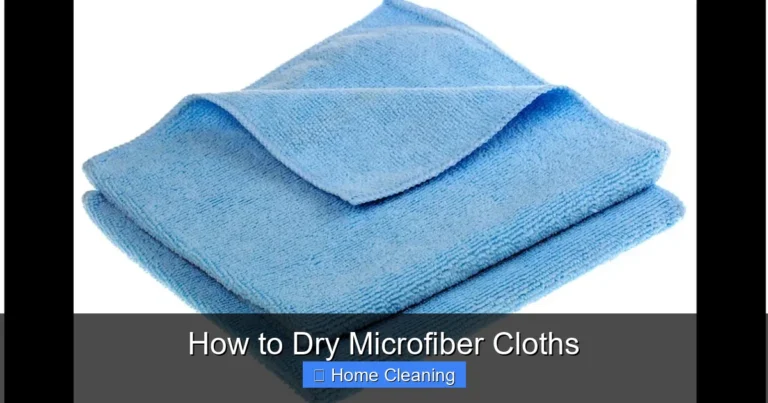
Before we talk about washing, let’s talk about what microfiber actually is. Microfiber is a synthetic fabric made from ultra-fine polyester and polyamide fibers, often less than 10 micrometers in diameter. That’s thinner than a human hair! These tiny fibers create a large surface area, which allows them to attract and hold onto dirt, dust, and moisture much more effectively than regular cotton cloths.

Visual guide about Can You Wash Microfiber Cloths in Washing Machine
Image source: c8.alamy.com
The Science Behind Microfiber’s Cleaning Power
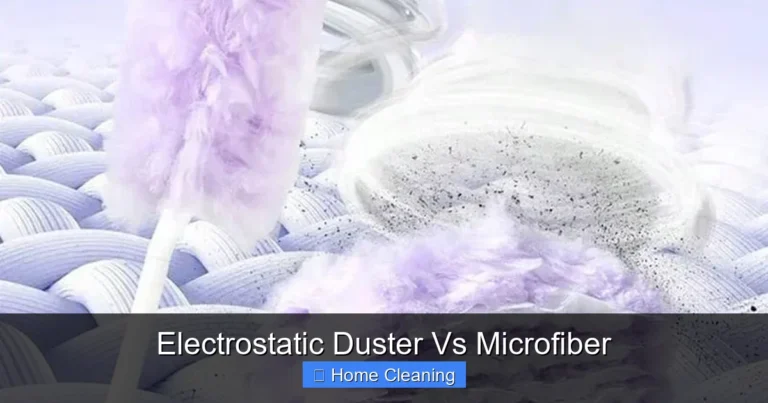
Microfiber works through two main mechanisms: mechanical action and electrostatic attraction. When you wipe a surface, the fibers physically trap particles in their tiny gaps. At the same time, the fibers generate a static charge that pulls in even more dust and liquids. This is why microfiber cloths can clean windows without streaks or leave behind lint.
Because of this delicate structure, microfiber is sensitive to heat, harsh chemicals, and rough handling. Washing them the wrong way can flatten the fibers, reduce their surface area, and eliminate their electrostatic properties—basically, turning them into ordinary cloths.
Common Uses for Microfiber Cloths
Microfiber cloths aren’t just for one job. They’re versatile tools in any cleaning kit. Here are some common uses:
- Dusting furniture and electronics
- Cleaning glass and mirrors
- Wiping down kitchen counters and appliances
- Polishing cars and motorcycles
- Mopping floors (especially in kitchens and bathrooms)
- Applying cleaning solutions or polish
Because they’re so widely used, it’s important to treat them with care to maintain their effectiveness across all these tasks.
Can You Really Wash Microfiber in the Washing Machine?
Yes, you absolutely can—but only under the right conditions. Most microfiber cloths are machine-washable, as long as you follow a few simple guidelines. The key is to avoid anything that could damage the fibers or leave behind residues that reduce their performance.

Visual guide about Can You Wash Microfiber Cloths in Washing Machine
Image source: static.vecteezy.com
What to Avoid: Common Mistakes
Even though machine washing is safe, many people make mistakes that ruin their microfiber cloths. Here are the biggest no-nos:
- Using hot water—can melt or deform the fibers
- Washing with rough fabrics like towels or jeans that shed lint and snag fibers
- Adding fabric softener—it coats fibers and blocks their ability to absorb
- Using bleach or harsh detergents—can break down the polyester and polyamide
- Drying on high heat—can shrink or mat the fibers
When Not to Machine Wash
While most microfiber cloths are machine-friendly, some specialty items may not be. For example:
- Cloths with embedded scrubbing pads or rough textures
- Items with adhesive backing or special coatings
- Cloths labeled “hand wash only”
Always check the care label. If it says “machine washable,” you’re good to go. If it says “hand wash only,” it’s best to follow that instruction to avoid damage.
Step-by-Step: How to Wash Microfiber Cloths in the Washing Machine
Now that you know it’s safe to wash microfiber in the machine, let’s go through the proper steps to do it right. Follow this routine, and your cloths will stay soft, absorbent, and effective for years.

Visual guide about Can You Wash Microfiber Cloths in Washing Machine
Image source: organizing.tv
1. Shake Out Debris First
Before tossing your cloths into the wash, give them a good shake outside or over the trash can. This removes loose dust, crumbs, and hair that could get ground into the fibers during the wash cycle.
2. Pre-Treat Heavy Messes
If a cloth has dried-on grease, food, or sticky residue, spot-treat it with a small amount of mild detergent and let it sit for 10–15 minutes. This helps loosen stubborn grime without overloading the wash cycle.
3. Use the Right Settings
Set your washing machine to:
- Gentle or delicate cycle—avoid regular or heavy cycles that agitate fibers too much
- Cold water—hot water can damage the fibers and cause color fading
- Short spin cycle—helps reduce wear, but don’t worry if it’s not available
4. Choose the Right Detergent
Use a mild, liquid detergent—avoid powders with fillers or harsh additives. Look for detergents labeled “gentle” or “for delicates.” Avoid:
- Detergents with enzymes (unless specifically labeled safe for microfiber)
- Laundry boosters or oxygen brighteners
- Any product containing fabric softener
5. Wash Separately or with Like Items
To prevent lint transfer and fiber damage, wash microfiber cloths separately from cotton towels, jeans, or other lint-producing fabrics. If you must wash them together, make sure all items are microfiber or very soft and lint-free.
6. Skip the Dryer Sheets
This is a big one. Dryer sheets leave a waxy residue on fibers, which blocks their ability to absorb and clean. Always skip them when washing or drying microfiber. Instead, let your cloths air-dry or use a low-heat setting if machine drying.
7. Air-Dry When Possible
Air-drying is the gentlest option. Hang cloths on a clothesline or lay them flat to dry. This prevents heat damage and helps maintain fiber structure. If you must use a dryer, use the lowest heat setting and remove them while still slightly damp.
How Often Should You Wash Microfiber Cloths?
You might be wondering: “Should I wash microfiber every time I use it?” The answer depends on how you use them—but generally, you don’t need to wash them after every single use. However, letting them sit dirty can lead to bacteria buildup and reduced performance.
Signs It’s Time to Wash
Here are some indicators that your microfiber cloths need a wash:
- They feel stiff or rough
- They don’t absorb liquids as well as before
- You can see visible grime or residue
- They’ve been used to clean sticky or greasy surfaces
- They’ve been stored for more than a week without use
Best Practice: Wash After Every 3–5 Uses
For optimal performance, many experts recommend washing microfiber cloths after every 3 to 5 uses. This keeps them fresh, hygienic, and effective. If you’re using them for dusting or light cleaning, you might get away with fewer washes—but for kitchen or bathroom use, frequent washing is key.
Don’t Overwash
While washing often is good, overwashing can shorten the lifespan of your cloths. Most microfiber cloths last between 300 and 500 washes with proper care. Once they start to lose softness or absorbency, it’s time to replace them—even if they still look clean.
What Happens If You Wash Microfiber the Wrong Way?
Improper washing can have serious consequences. Let’s look at what can go wrong—and how to fix it.
Loss of Absorbency
One of the biggest risks is losing absorbency. If you use hot water, fabric softener, or harsh detergents, the fibers can become coated or flattened. This means your cloths won’t hold water or cleaning solutions, making them less effective.
Fiber Damage and Pilling
Rough fabrics, aggressive agitation, or high heat can cause microfiber to pill or develop rough spots. Over time, this reduces the surface area and cleaning power of the cloth.
Color Fading and Stiffness
Hot water and strong detergents can fade colors and make microfiber stiff. This not only affects appearance but also makes the cloths uncomfortable to use.
How to Revive Worn-Out Cloths
If your cloths have lost some of their luster, try this quick fix:
- Soak them in a solution of 1 cup white vinegar and 1 gallon of warm water for 30 minutes.
- Rinse thoroughly and wash on a gentle cycle with mild detergent.
- Air-dry completely.
This can help restore some softness and remove residue buildup. However, if the cloths are still stiff or not absorbing, it’s probably time to replace them.
Alternative Washing Methods
While machine washing is the most convenient method, there are a few alternatives—especially for delicate or small quantities of microfiber.
Hand Washing
Hand washing is a gentle option, especially for heavily soiled or delicate cloths. Use cold water and mild detergent, gently squeeze (don’t wring), and rinse thoroughly. This method gives you more control and reduces the risk of fiber damage.
Washing Bags and Mesh Bags
Using a mesh laundry bag helps protect microfiber cloths during the wash cycle. It keeps them from snagging on zippers or hooks and reduces friction with other items. This is especially helpful if you’re washing a large number of cloths together.
Top-Load vs. Front-Load Machines
Front-loaders are generally gentler on fabrics due to their tumbling action. Top-loaders with agitators can be rougher, so if you have one, use the gentlest cycle and avoid overloading the machine.
How to Store Microfiber Cloths Properly
Washing is only half the battle. Proper storage helps maintain your cloths between uses.
Keep Them Dry and Clean
Always store microfiber cloths clean and dry. Damp or dirty cloths can develop odors or mildew. If you’ve just used them, let them air-dry completely before storing.
Avoid Plastic Bags
Don’t store microfiber in plastic bags—this traps moisture and can cause mildew. Instead, use breathable cotton bags or hang them in a well-ventilated area.
Fold Neatly or Roll
Fold or roll your cloths neatly to prevent creases and make them easier to grab. Avoid stuffing them into drawers where they can get crushed or tangled.
Separate by Use
Keep different types of cloths in separate containers—e.g., one for dusting, one for glass, one for kitchen use. This prevents cross-contamination and makes cleaning more efficient.
Eco-Friendly and Cost-Saving Tips
Microfiber cloths are a sustainable cleaning choice because they reduce the need for paper towels and disposable wipes. Here’s how to maximize their eco-friendly benefits and save money.
Reuse Before Washing
For light dusting or dry wiping, you can reuse microfiber cloths several times before washing. Just shake them out or wipe them on a trash can to remove debris.
Use Less Water and Energy
Washing microfiber in cold water and using short cycles saves energy. Since they dry quickly, air-drying reduces dryer use even further.
Buy High-Quality Cloths
Investing in good-quality microfiber pays off. They last longer, perform better, and need fewer replacements. Look for cloths with a high denier count (150–200+) for durability.
Repurpose Old Cloths
When microfiber cloths are too worn to clean effectively, don’t throw them away. Use them for polishing shoes, cleaning car interiors, or even as rags for light dusting.
Conclusion: Keep Your Microfiber Cloths Performing Like New
So, can you wash microfiber cloths in the washing machine? Yes, absolutely—but only with care. By using cold water, gentle cycles, mild detergent, and avoiding fabric softeners and high heat, you can keep your microfiber cloths soft, absorbent, and effective for hundreds of uses.
Remember, microfiber is a delicate material that relies on its tiny fibers and electrostatic charge to do its job. Any damage to these fibers reduces its cleaning power. But with the right washing routine, you can preserve that performance and get the most out of your investment.
Whether you’re cleaning your kitchen, polishing your car, or dusting your TV screen, clean microfiber cloths make the job easier and more effective. By following these simple steps, you’ll not only extend the life of your cloths but also maintain a cleaner, healthier home.
Now go ahead—toss those cloths into the wash with confidence. Your microfiber will thank you!
Frequently Asked Questions
Can you wash microfiber cloths in hot water?
No, hot water can damage the delicate fibers and reduce the cloth’s absorbency. Always use cold water to preserve microfiber’s performance and longevity.
Should you use fabric softener with microfiber?
No, fabric softener coats microfiber fibers and blocks their ability to absorb. It’s best to skip it entirely when washing microfiber cloths.
Can you wash microfiber with cotton towels?
It’s not recommended. Cotton towels shed lint that can stick to microfiber and reduce its cleaning effectiveness. Wash microfiber separately or with like items.
How long do microfiber cloths last?
With proper care, microfiber cloths typically last 300 to 500 washes. After that, they may lose absorbency and softness, even if they still look clean.
Can you dry microfiber in the dryer?
Yes, but only on the lowest heat setting. High heat can melt or mat the fibers. Air-drying is even better for preserving performance.
How do you clean heavily soiled microfiber cloths?
Pre-treat with a small amount of mild detergent, let it sit for 10–15 minutes, then wash on a gentle cycle with cold water. Avoid harsh scrubbing or soaking for too long.