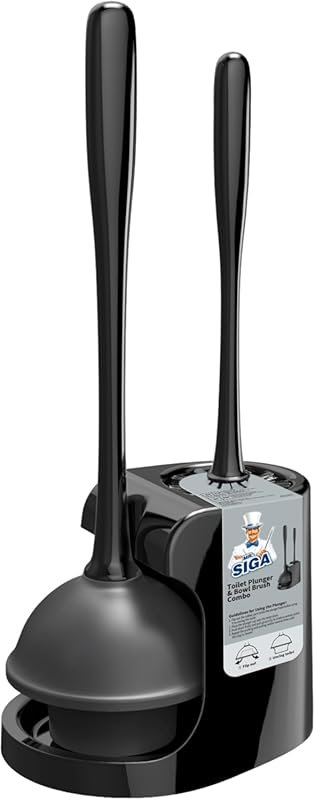
Commercial Grade Toilet Plunger
Looking for a toilet plunger that lasts longer and performs better under pressure? A Commercial Grade Toilet Plunger is built tough—engineered for high-traffic environments like hotels, restaurants, and public restrooms. With reinforced handles, superior suction power, and corrosion-resistant materials, it handles clogs faster and cleaner than standard models. Whether you’re a facility manager or a homeowner preparing for tough blockages, investing in commercial-grade tools means fewer messes and more peace of mind.
Key Takeaways
- Durability: Commercial grade plungers are made with heavy-duty materials like reinforced rubber cups and steel handles, built to withstand frequent use.
- Superior Suction Power: Designed with precision-engineered plungers that create a tighter seal, offering stronger suction for stubborn clogs.
- Corrosion Resistance: Many models feature rust-proof coatings and stainless steel components to resist moisture and extend lifespan.
- Ergonomic Design: Comfortable, non-slip handles reduce hand fatigue during extended use, especially in professional settings.
- Hygiene Features: Some include antimicrobial coatings or detachable heads for easier cleaning and sanitation.
- Cost-Effective Over Time: While initially more expensive, commercial-grade plungers save money by reducing replacement frequency and improving efficiency.
- Versatile Use: Ideal not just for toilets, but also for sinks, tubs, and floor drains in commercial environments.
📑 Table of Contents
- What Is a Commercial Grade Toilet Plunger?
- Why Choose a Commercial Grade Toilet Plunger Over a Regular One?
- Key Features to Look for in a Commercial Grade Toilet Plunger
- Best Uses for a Commercial Grade Toilet Plunger
- How to Use a Commercial Grade Toilet Plunger Effectively
- Maintenance and Longevity Tips for Your Commercial Grade Toilet Plunger
- Top Brands and Models of Commercial Grade Toilet Plungers
- Conclusion: Why a Commercial Grade Toilet Plunger Is Worth the Investment
What Is a Commercial Grade Toilet Plunger?
A Commercial Grade Toilet Plunger is a specialized plumbing tool designed for heavy-duty use in environments where reliability and durability are non-negotiable. Unlike standard household plungers, which may suffice for occasional clogs, commercial models are engineered to handle frequent, intense blockages in high-traffic settings such as hotels, restaurants, schools, hospitals, and public restrooms.
These plungers are built with reinforced materials—like heavy-gauge rubber, stainless steel handles, and corrosion-resistant frames—ensuring they can endure repeated use without losing suction or structural integrity. The design prioritizes efficiency, often featuring a larger plunger cup for greater surface area contact and a tighter seal against the toilet rim. This means faster, more effective unclogging with less effort.
But it’s not just about brute strength. A true commercial-grade plunger also considers hygiene, ergonomics, and ease of maintenance. Many models include antimicrobial coatings, smooth surfaces that resist bacteria buildup, and detachable parts for thorough cleaning. In short, a commercial grade toilet plunger isn’t just a tool—it’s an investment in cleanliness, efficiency, and long-term performance.
Why Choose a Commercial Grade Toilet Plunger Over a Regular One?
At first glance, a regular plunger and a commercial-grade model might look similar. But the differences—especially in materials, performance, and longevity—can make a world of difference, particularly in demanding environments.
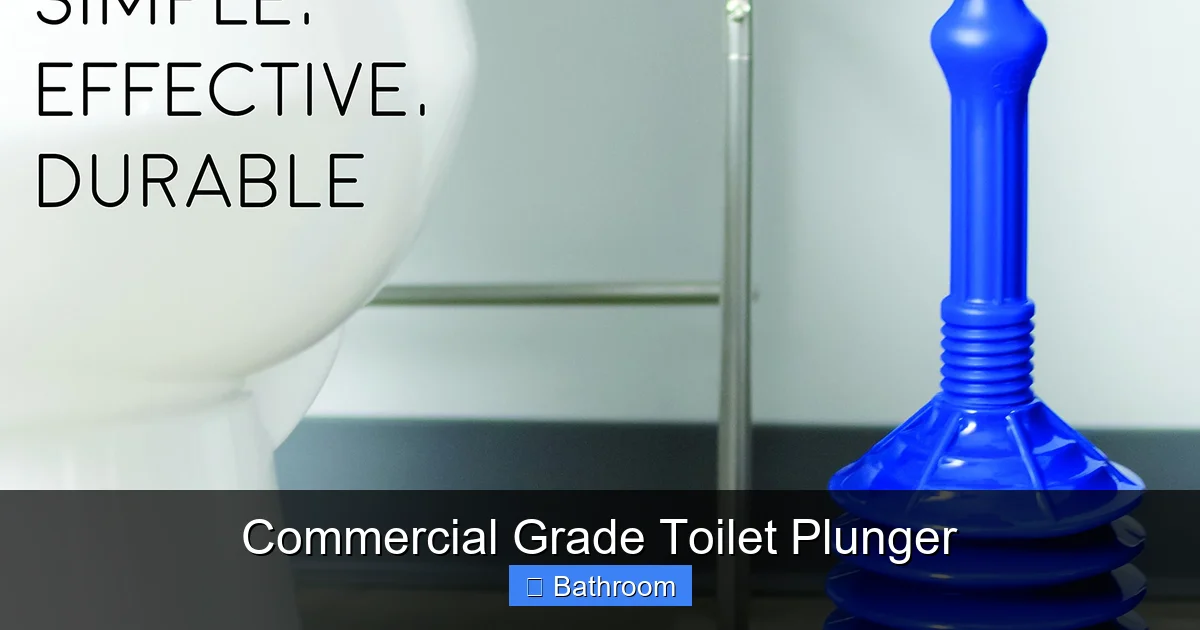
Visual guide about Commercial Grade Toilet Plunger
Image source: images-na.ssl-images-amazon.com
Durability Meets Demanding Use
Standard plungers are typically made of soft rubber and plastic handles, which wear down quickly when used frequently. In contrast, commercial-grade plungers use high-density rubber that resists cracking, hardening, or losing shape over time. The handles are often constructed from stainless steel or reinforced composite materials, offering a firm grip and resistance to bending or breaking.
For example, imagine a busy airport restroom where plungers are used multiple times a day. A regular plunger might lose its seal after a few uses, requiring constant replacement. A commercial model, however, maintains its effectiveness and structural integrity, reducing downtime and maintenance costs.
Superior Suction and Clog Removal
The plunger cup is the heart of the tool. Commercial models feature precision-molded, contoured cups designed to create an airtight seal on toilet rims of varying sizes. This enhanced seal generates more suction power, making it easier to dislodge tough clogs caused by paper, hair, or foreign objects.
Many commercial plungers also come with dual-action mechanisms—capable of both suction and pressure—allowing users to tackle blockages from multiple angles. This versatility is especially helpful in older plumbing systems or when dealing with partial clogs that don’t respond to standard plunging.
Hygiene and Sanitation Advantages
In commercial settings, cleanliness is critical. Regular plungers can harbor bacteria and odors due to porous materials and crevices that trap residue. Commercial-grade models often feature smooth, non-porous surfaces and easy-to-clean designs, such as removable heads or antimicrobial coatings.
Some advanced models even include self-cleaning features or are made from materials that resist mold and mildew. For instance, a hospital might use a commercial plunger with a silver-ion infused rubber cup that inhibits bacterial growth—something a standard plunger simply can’t offer.
Key Features to Look for in a Commercial Grade Toilet Plunger
Not all commercial-grade plungers are created equal. To get the best value and performance, it’s important to know which features truly matter. Here’s what to prioritize when shopping for a commercial-grade toilet plunger.
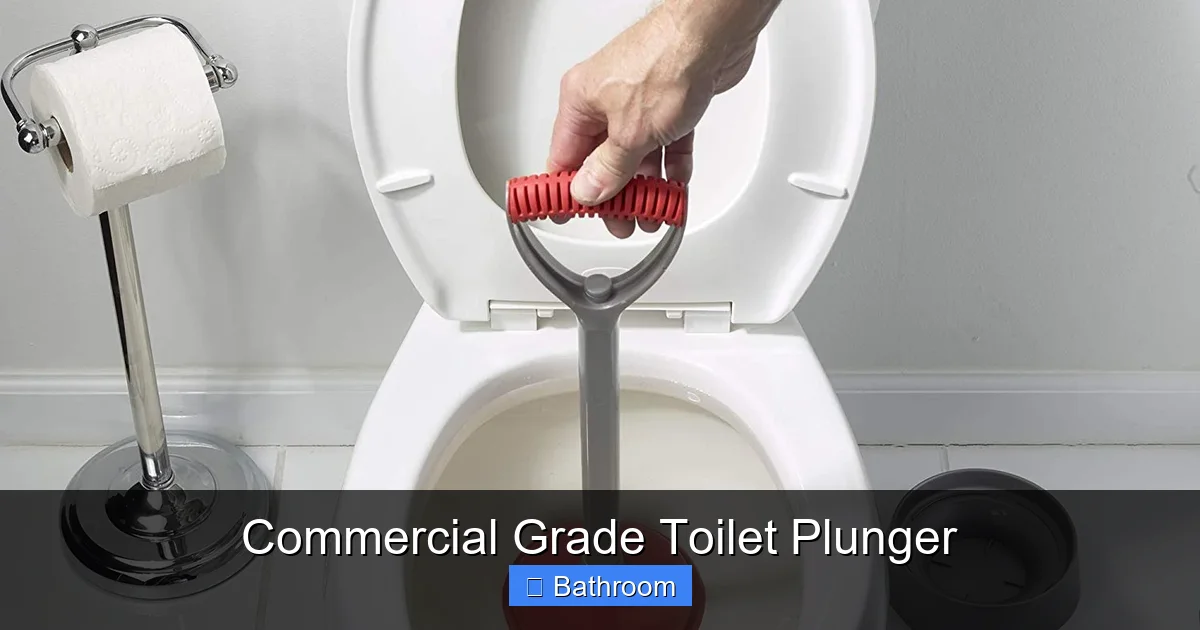
Visual guide about Commercial Grade Toilet Plunger
Image source: pd.cwa.sellercloud.com
Material Quality and Construction
The plunger cup should be made from high-grade rubber or silicone that remains flexible and airtight under pressure. Avoid models with thin or brittle rubber that cracks easily. The handle should be sturdy and ergonomic, with a non-slip grip to prevent hand fatigue during extended use.
Look for rust-resistant materials like stainless steel or powder-coated aluminum. These ensure the plunger won’t degrade in humid environments—critical in basements, laundry rooms, or commercial restrooms.
Size and Fit Compatibility
Commercial facilities often have toilets of varying sizes and rim profiles. A good commercial plunger should fit standard and elongated toilet bowls. Some models come with adjustable or multi-size cups to accommodate different fixtures.
For example, a hotel chain might use a plunger with a universal fit design to service all guest restrooms without needing multiple tools. This saves space in supply closets and reduces inventory complexity.
Ease of Cleaning and Maintenance
In busy environments, time is money. Choose a plunger that’s easy to disassemble and clean. Models with detachable handles or washable cups allow for thorough sanitization between uses.
Also, consider drainage holes or vented designs that prevent water from pooling inside the cup—this reduces mold and extends lifespan.
Ergonomic and User-Friendly Design
A plunger should be comfortable to use, even after multiple clogs. Look for angled handles that reduce wrist strain or contoured grips that fit naturally in the hand.
Some commercial models include foot pedals or lever systems for hands-free operation—ideal in healthcare settings where hygiene is paramount.
Additional Accessories and Upgrades
Premium commercial plungers often come with extras like storage brackets, protective covers, or clog-dissolving tablets. These accessories enhance usability and promote proactive maintenance.
For instance, a restaurant might use a plunger with a built-in drain cleaner compartment to apply solvents directly to stubborn blockages, reducing the need for harsh chemicals or professional plumbers.
Best Uses for a Commercial Grade Toilet Plunger
While every homeowner benefits from a reliable plunger, commercial-grade models shine in specific, high-demand scenarios. Understanding where and how these tools are used helps justify the investment.
Visual guide about Commercial Grade Toilet Plunger
Image source: m.media-amazon.com
High-Traffic Public Restrooms
Airports, malls, stadiums, and office buildings see constant use. A standard plunger simply can’t keep up. Commercial models handle the wear and tear, maintain suction power, and resist contamination—keeping restrooms functional and hygienic.
Hospitals and Healthcare Facilities
In hospitals, cleanliness is non-negotiable. Commercial plungers with antimicrobial properties and easy-to-sanitize parts help prevent cross-contamination. They’re also used in patient rooms, staff lounges, and utility areas.
Hotels and Hospitality
Housekeeping teams rely on efficient tools to maintain guest satisfaction. A commercial plunger ensures quick resolution of clogs without disrupting room service schedules. Plus, the professional appearance of a high-quality tool reflects well on the brand.
Schools and Universities
Student restrooms experience heavy use, especially during peak hours. Durable plungers reduce maintenance calls and keep facilities running smoothly. Some schools even use them in custodial supply closets for emergency use.
Restaurants and Food Service
Kitchen staff and janitorial crews need reliable tools for both restroom and utility sink maintenance. A commercial plunger can also double as a floor drain unclogger, making it a versatile addition to cleaning carts.
Commercial Kitchens and Laundry Facilities
These environments often have multiple sinks and floor drains prone to grease or lint buildup. A heavy-duty plunger with strong suction can tackle blockages in utility sinks and floor traps without damaging pipes.
How to Use a Commercial Grade Toilet Plunger Effectively
Even the best plunger won’t work miracles if used incorrectly. Proper technique ensures maximum suction, minimizes mess, and protects your plumbing system.
Step 1: Prepare the Area
Before plunging, remove any rugs or mats near the toilet. Place a splash guard or old towel around the base to catch splatter. Fill the bowl with about 1–2 inches of water—this helps create a better seal.
Step 2: Position the Plunger Correctly
Place the plunger cup firmly over the drain opening, ensuring it covers the entire hole. For elongated bowls, adjust the angle slightly to fit the rim. Press down gently at first to expel air before creating suction.
Step 3: Apply Firm, Steady Pressure
Use up-and-down motions with consistent force—not jerky movements. Each stroke should last about 10–15 seconds. The goal is to build suction and dislodge the clog without damaging the porcelain.
Step 4: Test the Drain
After several plunging cycles, lift the plunger slowly to allow air in. If the water drains quickly, the clog is clear. If not, repeat the process. Avoid over-plunging, which can push clogs further down the pipe.
Step 5: Clean and Store Properly
After use, rinse the plunger thoroughly with hot water and mild detergent. Let it air-dry completely before storing. Use a protective cover or hang it on a wall bracket to prevent contamination.
Pro Tip: For persistent clogs, consider using a drain snake or enzyme-based cleaner after plunging to prevent recurrence.
Maintenance and Longevity Tips for Your Commercial Grade Toilet Plunger
A commercial-grade toilet plunger is built to last—but only if cared for properly. With the right maintenance, your plunger can remain effective for years, even in the busiest environments.
Clean After Every Use
Never leave a used plunger sitting in water or standing upright in a bucket. Rinse it immediately with hot water and soap, paying attention to crevices where residue can hide. For stubborn buildup, use a soft brush or toothbrush to scrub the cup.
Sanitize Regularly
In commercial settings, sanitize weekly with a diluted bleach solution or commercial disinfectant. This kills bacteria and prevents odor buildup. Let the plunger air-dry completely—moisture accelerates mold and material degradation.
Inspect for Wear and Tear
Check the rubber cup monthly for cracks, hardening, or loss of elasticity. A worn cup loses suction and can scratch the toilet bowl. Replace the plunger if the cup shows signs of damage.
Store in a Dry, Clean Location
Store your plunger upside down on a rack or in a stand with drainage. Avoid plastic bags, which trap moisture. A wall-mounted bracket keeps it accessible and off the floor, reducing contamination risk.
Replace When Necessary
Even commercial-grade plungers have a lifespan. If suction power drops or the handle becomes loose, it’s time to replace. Don’t wait until the plunger fails—proactive replacement prevents plumbing emergencies.
Top Brands and Models of Commercial Grade Toilet Plungers
With so many options on the market, choosing the right commercial-grade toilet plunger can be overwhelming. Here are some of the most trusted brands and models known for durability, performance, and value.
1. Fluidmaster 99000 Commercial Plunger
This model features a stainless steel handle and high-density rubber cup designed for heavy use. It’s corrosion-resistant and fits most toilet bowls. The ergonomic handle reduces hand strain, making it ideal for custodial staff.
2. Korky Heavy Duty Plunger
Known for its universal fit design, this plunger works on standard and elongated bowls. It includes a comfort grip handle and durable rubber cup that resists cracking. Available in multiple colors for easy identification in large facilities.
3. OXO Good Grips Commercial Plunger
OXO combines ergonomic design with commercial-grade materials. The soft, non-slip handle and wide base provide excellent control. The cup is easy to clean and resistant to bacteria buildup.
4. RIDGID 32100 Commercial Plunger
This model includes a built-in drain cleaner dispenser and sturdy steel frame. Perfect for janitorial carts, it’s designed for both toilet and sink use. The compact size saves space while delivering powerful suction.
5. AquaBlitz Commercial Plunger with Antimicrobial Coating
Featuring a silver-ion infused rubber cup, this plunger actively inhibits bacterial growth. The handle is powder-coated steel for rust resistance. Ideal for healthcare and food service environments.
When selecting a model, consider your specific needs—whether it’s antimicrobial features, ease of cleaning, or multi-surface use. Reading user reviews and checking warranty terms can also help you make an informed decision.
Conclusion: Why a Commercial Grade Toilet Plunger Is Worth the Investment
Let’s face it: when a toilet backs up, it’s a mess. Whether it’s in your home, office, or a public restroom, a clogged toilet disrupts routines and raises stress levels. A standard plunger might handle occasional blockages, but it’s not built for the rigors of daily use in demanding environments.
A commercial grade toilet plunger is more than just a tool—it’s a smart investment in efficiency, hygiene, and peace of mind. With superior suction power, durable construction, and user-friendly design, it tackles clogs faster and cleaner than standard models. Whether you’re a facility manager, a homeowner preparing for winter plumbing challenges, or a janitorial professional, the right plunger can make all the difference.
Remember, the best plunger isn’t always the cheapest—it’s the one that lasts, performs, and keeps your space clean. By choosing a commercial-grade model and maintaining it properly, you’ll save time, money, and headaches in the long run. So next time you’re shopping for plumbing tools, skip the flimsy options and go for the heavy hitters. Your toilets—and your sanity—will thank you.
Frequently Asked Questions
What makes a toilet plunger “commercial grade”?
A commercial-grade toilet plunger is built with heavier, more durable materials like stainless steel handles and high-density rubber cups. It’s designed for frequent use in high-traffic environments like hotels, hospitals, and public restrooms, offering superior suction and resistance to wear.
Can a commercial plunger be used in homes?
Yes! While designed for commercial use, a commercial-grade plunger works well in homes, especially if you have older plumbing or experience frequent clogs. Its stronger suction and sturdier build make it a reliable long-term investment.
How often should I clean my commercial plunger?
Clean your plunger immediately after each use with hot water and mild detergent. For commercial settings, sanitize it weekly with a disinfectant to prevent bacteria buildup and maintain hygiene.
Are commercial plungers more expensive than regular ones?
Yes, commercial-grade plungers typically cost more upfront—often $20 to $50 or more—but they last much longer and perform better. This makes them more cost-effective over time compared to replacing cheap plungers every few months.
Do commercial plungers work on all toilet types?
Most commercial plungers are designed to fit both standard and elongated toilet bowls. Look for models labeled “universal fit” or check the manufacturer’s specifications to ensure compatibility with your fixtures.
How do I know when to replace my plunger?
Replace your plunger if the rubber cup shows cracks, hardening, or loss of elasticity. Also, if suction power drops or the handle becomes loose, it’s time for a new one. Regular inspection helps prevent plumbing emergencies.