Desk Lamp with Usb Port
Tired of cluttered cords and limited outlets? A desk lamp with USB port merges essential task lighting with convenient device charging, eliminating cable chaos and saving precious desk space. These versatile lamps offer adjustable brightness, modern aesthetics, and multi-device power delivery, making them perfect for home offices, students, gamers, and bedside readers alike. Simply put, it’s the two-in-one solution every modern workspace needs.
Key Takeaways
- Built-in USB ports (often USB-A and USB-C) let you charge phones, tablets, and other gadgets directly from your lamp, freeing up wall outlets.
- They dramatically reduce desk clutter by consolidating your lighting and charging needs into a single, space-saving unit.
- Modern LED models offer adjustable color temperature (warm to cool white) and brightness levels to suit any task or time of day.
- Look for total USB power output (in watts) to ensure it can charge your devices efficiently, especially for laptops or fast-charging phones.
- Quality construction with stable bases and flexible arms ensures the lamp stays put and directs light exactly where you need it.
- Many designs incorporate smart features like timers, motion sensors, or app control, blending seamlessly into a connected smart home.
- They are an energy-efficient upgrade, using far less power than traditional incandescent bulbs while providing superior, focused illumination.
📑 Table of Contents
- Why a Desk Lamp with USB Port is Your Workspace’s Secret Weapon
- Decoding the Features: What to Look For in a USB Desk Lamp
- Top 5 Ways to Use Your USB Desk Lamp (Beyond Just Lighting)
- How to Choose the Perfect USB Desk Lamp for Your Needs
- Care, Cleaning, and Long-Term Maintenance
- The Future is Bright: Smart Features and Beyond
- Conclusion: Light Up and Power Up Your Productivity
Why a Desk Lamp with USB Port is Your Workspace’s Secret Weapon
Let’s be honest. Our desks are battlegrounds against clutter. Between the monitor, keyboard, mouse, notebook, and maybe a coffee mug, finding room for a separate phone charger feels like a luxury. That power strip under the desk is a tangled nightmare of cables. This is where the humble desk lamp with USB port transforms from a simple light source into an essential piece of organizational genius. It’s not just a lamp; it’s a command center for your immediate workspace.
The genius lies in its simplicity. Instead of running yet another cord from your wall outlet to your desk, you harness the power that’s already flowing to your lamp. That single cord now delivers both light and electricity. For the home office worker, the student pulling an all-nighter, or the creative with a tablet full of references, this means fewer tripping hazards, a cleaner aesthetic, and a more efficient use of space. It solves a problem you might not have fully articulated until you experience it.
Beyond the obvious convenience, these lamps represent a shift in how we think about our tools. They’re multi-functional by design, acknowledging that our modern lives are powered by devices that need constant charging. Integrating that need into a fixture that’s already a permanent desk resident is a masterclass in practical design. In the following sections, we’ll dive deep into what makes these lamps tick, how to choose the perfect one for you, and creative ways to use them beyond the obvious.
Decoding the Features: What to Look For in a USB Desk Lamp
Not all desk lamps with USB ports are created equal. The market is packed with options ranging from basic models to high-tech marvels. To avoid buyer’s remorse, you need to understand the key features that separate a good lamp from a great one. We’ll break it down into the critical components: the USB charging system itself, the lighting performance, and the physical design.
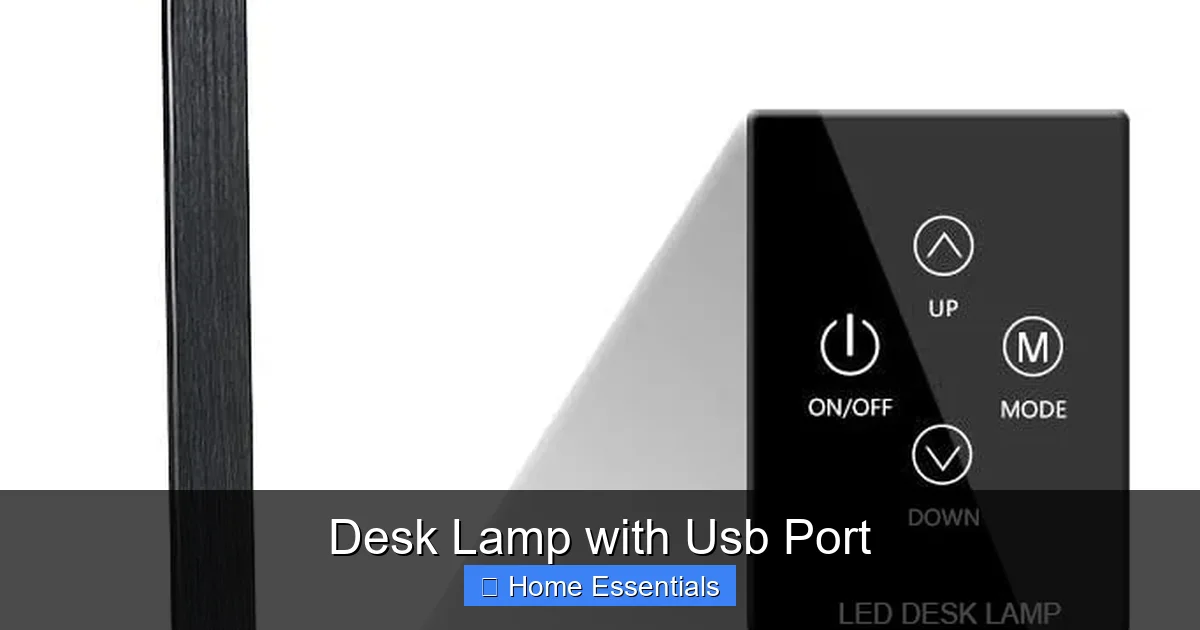
Visual guide about Desk Lamp with Usb Port
Image source: 7gadgets.com
The USB Charging Hub: More Than Just a Port
This is the star feature, so pay close attention. First, identify the type of USB ports. Most will have at least one standard USB-A port (the classic rectangular one). Increasingly, you’ll find USB-C ports, which support faster charging and higher power delivery for newer laptops, phones, and tablets. A lamp offering both is ideal for versatility.
Second, and more importantly, check the total power output, measured in watts (W) or amps (A). A lamp might have two USB ports, but if the combined output is only 10W, it will charge your devices very slowly, especially if you’re plugging in two things at once. For context:
- 5W (1A): Basic charging for older phones or small accessories. Very slow.
- 12W-18W (2.4A-3A): Standard fast charging for most smartphones and tablets.
- 30W+ (USB-C PD): Can charge laptops like MacBooks, iPads Pro, and other power-hungry devices quickly.
Always check the manufacturer’s specs. A lamp advertising “USB charging” but listing only 5W total is practically useless for modern devices. Look for models that explicitly state “18W output” or “30W USB-C PD.”
Lighting Performance: Brightness, Color, and Control
The lighting function is still the primary job, so it must excel. Two metrics are key: brightness and color temperature.
- Brightness (Lumens): For a desk task lamp, you generally want between 300 and 600 lumens. Less than 300 might be too dim for detailed work; more than 600 could cause glare. Dimmable functionality is a huge plus, allowing you to adjust from a soft glow for ambient light to a bright, focused beam for reading or drafting.
- Color Temperature (Kelvin – K): This describes the “warmth” or “coolness” of the white light. 2700K-3000K is warm, yellowish light, relaxing and good for evenings. 4000K-5000K is neutral, daylight-like white, ideal for concentration and color-accurate work. The best lamps offer a range, often from 2700K up to 6500K, sometimes with a “reading” or “focus” preset.
Look for lamps with a memory function that remembers your last brightness and color setting. Nothing is more annoying than turning the lamp on and having it blast you with cool, full brightness at 2 AM.
Build Quality, Design, and Adjustability
A lamp that wobbles or can’t be positioned correctly is frustrating. Focus on:
- Base Weight & Stability: A heavy, wide base prevents tipping when you adjust the arm.
- Joint Articulation: How many points of adjustment does it have? A good lamp will have a rotating base, an adjustable neck, and often a pivoting head. This lets you direct light exactly where you need it without moving the whole unit.
- Material: Metal (aluminum, steel) is durable and premium. High-quality plastics are lightweight and often more affordable. Consider the aesthetic—does it match your desk and decor?
- Cable Management: Some models include clips or channels to route the main power cord neatly along the lamp arm. This is a subtle but fantastic feature for maintaining a tidy look.
Top 5 Ways to Use Your USB Desk Lamp (Beyond Just Lighting)
You might think, “It’s for my desk.” But its utility can spread far beyond that single surface. Here are practical, creative ways to maximize your investment.
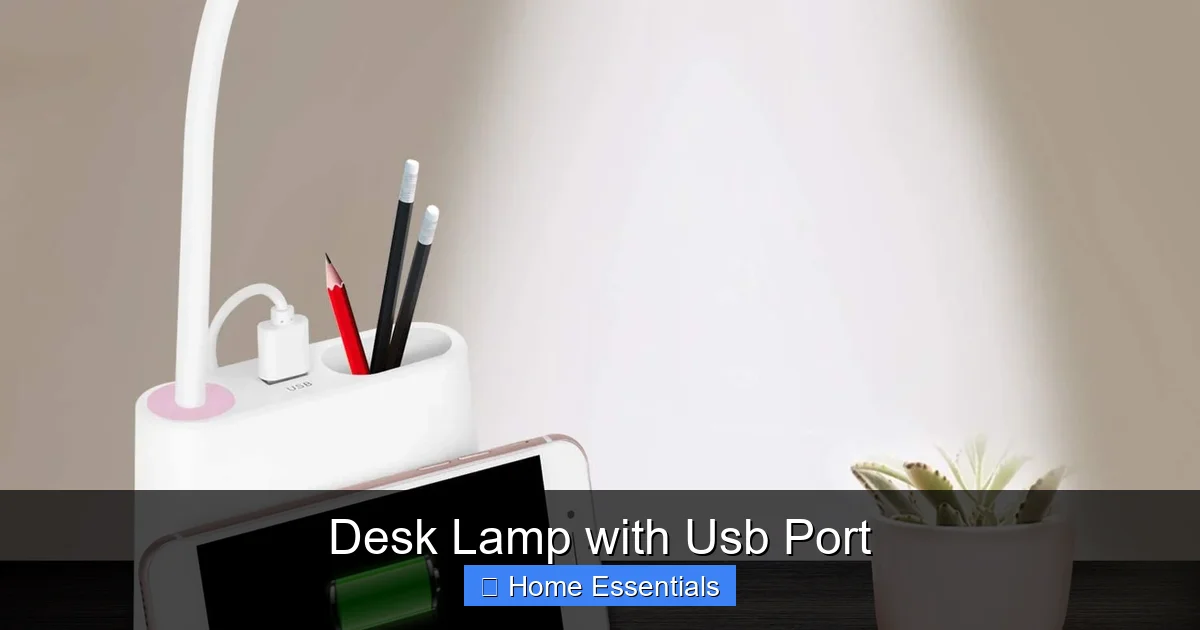
Visual guide about Desk Lamp with Usb Port
Image source: lh5.googleusercontent.com
1. The Ultimate Home Office Command Center
This is the classic use case. Position it on your primary desk. Use the bright, cool light for video calls and detailed work during the day. Switch to a warmer, dimmer setting in the late afternoon to reduce eye strain. Plug your phone into the USB port for a quick top-up during meetings. Keep a wireless earbud case on the base, charging via a USB-A port. It centralizes your digital life’s power needs.
2. The Student’s All-Nighter Companion
For a dorm room or small study desk, space is at a premium. A USB desk lamp with a flexible arm can be clamped to the edge of a small desk or bookshelf. Use a low, warm setting to avoid disturbing a roommate. Charge a laptop, tablet for textbooks, and a phone for study music—all from one source. Some models even have a small wireless charging pad on the base, perfect for topping up a phone while you sleep after a study session.
3. The Gaming Peripherals Power Station
Gamers have a lot of gear: a headset, a second controller, a VR headset, maybe even a streaming phone. A desk lamp with USB ports placed near the edge of a gaming desk can charge all these devices overnight. Look for a lamp with a minimalist, dark design (black or gunmetal) and RGB lighting options that can sync with your setup. Use a bright, cool white light for gaming sessions and a soft, colored ambient mode for breaks.
4. The Bedside Table Savior
Replace your clunky bedside lamp and separate phone charger with one sleek unit. A lamp with a dimmable warm light is perfect for reading before bed without disrupting melatonin production. The USB port (especially USB-C) means you can charge your phone or tablet right next to you. Some advanced models even have a timer or “sleep” function that gradually dims the light and cuts power to the USB port after a set time, saving energy and preventing overcharging.
5. The Creative’s Studio Light & Tool Hub
For artists, photographers, or crafters, good lighting is non-negotiable. Use a lamp with high, color-accurate (5000K+) light for detailed work. The USB ports can power a light pad for tracing, a tablet for digital art reference, or a small soldering iron. A stable base and highly adjustable arm are crucial here to position the light perfectly over your project without casting shadows.
How to Choose the Perfect USB Desk Lamp for Your Needs
With dozens of options, how do you narrow it down? Answer these four questions.
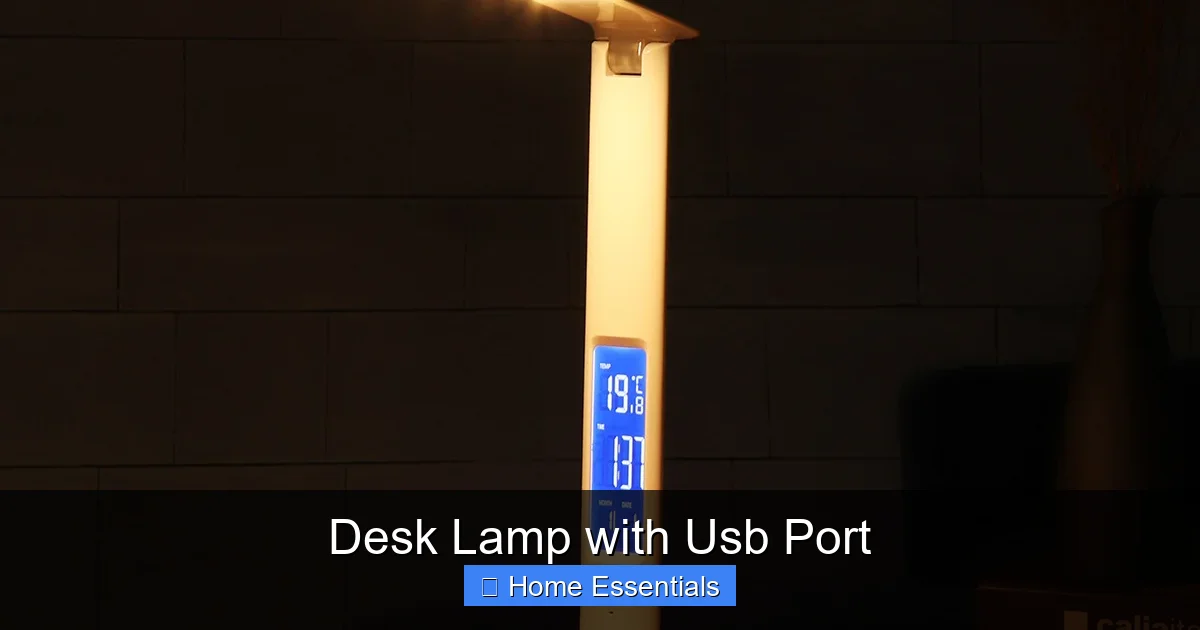
Visual guide about Desk Lamp with Usb Port
Image source: alexnld.com
What Devices Will You Actually Be Charging?
This is the most important question. Make a list: iPhone? Android phone? iPad? Laptop? Wireless earbuds? A smartwatch? Check the charging requirements (wattage) for your most power-hungry device (likely a laptop). If you need to charge a MacBook Pro, you need a lamp with a USB-C port that supports Power Delivery (PD) of at least 30W. If it’s just phones and earbuds, a 18W total output is plenty. Don’t pay for features you won’t use.
What is Your Desk’s Size and Layout?
Measure your available space. A large, architect-style lamp with a big base might overwhelm a small student desk. For a tiny corner, look for a clamp-on lamp that attaches to the desk edge, saving all surface area. If your desk is against a wall, ensure the lamp’s arm can extend forward without hitting the wall. Consider the cord length—will it reach your nearest outlet comfortably?
What Light Quality Do You Require?
Are you doing graphic design where color accuracy is critical? Prioritize a high CRI (Color Rendering Index, >90) and a precise 5000K setting. Do you suffer from migraines or eye strain? Look for lamps that are flicker-free and have smooth, stepless dimming. Is your desk in a bright room? You might need higher lumens to compete with daylight. Read reviews specifically about the light quality, not just the USB feature.
What’s Your Budget, and Which Brands Are Trustworthy?
You can find basic models for $20-$30, but they often have low USB output (5W) and flimsy construction. The sweet spot for a reliable, feature-packed lamp is $50-$100. Brands like TaoTronics, BenQ, Anker, and Philips Hue (for smart models) have good reputations. Read user reviews focusing on long-term durability—does the USB port stay functional after a year? Does the arm get loose? Investing a bit more often means a lamp that lasts 5+ years.
Care, Cleaning, and Long-Term Maintenance
Your new lamp is an investment. A little care will keep it looking and performing like new for years.
Safe and Effective Cleaning Methods
Dust and fingerprints are the main enemies. Always unplug the lamp before cleaning. For the base and arm, use a soft, dry microfiber cloth. For smudges or sticky spots, slightly dampen the cloth with a mild soap solution, wring it out thoroughly, and wipe gently. Avoid harsh chemicals, abrasives, or spraying liquid directly onto the lamp, especially near electrical components and USB ports.
The lamp shade (if fabric or plastic) can often be removed. Check the manual. Many are hand-washable with mild soap. For electronic surfaces and ports, a dry microfiber cloth is safest. If you must clean around the USB port, use a dry, soft brush (like a clean paintbrush) to dislodge dust. If you’re unsure about cleaning a particular material, consult our detailed guides on how to clean electronics with a microfiber cloth and how to clean stainless steel with a microfiber cloth, which cover safe techniques for common lamp finishes.
USB Port and Bulb Care
The USB ports are robust but not indestructible. Avoid forcing cables in at odd angles. If a port feels loose, stop using it. For lamps with replaceable LED modules or bulbs, note the expected lifespan (often 25,000-50,000 hours). When the light dims significantly or starts flickering, it’s time for a replacement. Keep the lamp’s model number handy to order the correct bulb. Never exceed the USB port’s rated wattage—overloading it can cause overheating and failure.
The Future is Bright: Smart Features and Beyond
The desk lamp with USB port category is evolving rapidly. The next generation is all about seamless integration and added intelligence.
Smart Home Connectivity
Imagine turning your lamp on/off, adjusting brightness, or changing color temperature with your voice or a phone app. Smart desk lamps are here. They connect via Wi-Fi or Bluetooth and work with Alexa, Google Home, and Apple HomeKit. Before buying a smart lamp, you must verify smart bulb compatibility if it uses a standard bulb socket, or ensure the lamp’s own firmware works with your ecosystem. Our guides on what smart bulbs work with Alexa and what smart bulbs work with Google Home are invaluable resources if you plan to pair your lamp with a smart bulb for more advanced scenes and automations.
Wireless Charging Integration
The most elegant evolution is the built-in Qi wireless charging pad on the lamp’s base. Place your compatible phone on it, and it charges—no cable needed. This creates a truly cordless zone on your desk. High-end models combine this with fast wired USB-C ports, giving you the best of both worlds.
Advanced Sensors and Eco-Design
Look for ambient light sensors that automatically adjust brightness based on room light, saving energy. Motion sensors can turn the lamp on when you sit down and off when you leave. Newer models use more efficient LEDs and recycled materials, appealing to eco-conscious buyers. Some even have USB power passthrough, meaning the lamp can stay on (on a low setting) and charge devices even when the main light is off, maximizing energy efficiency.
Conclusion: Light Up and Power Up Your Productivity
The desk lamp with USB port is more than a gadget; it’s a fundamental upgrade for anyone who uses a desk. It directly attacks the visual and mental clutter that hampers focus and creativity. By merging two essential functions—illumination and charging—into one stable, well-designed unit, it pays dividends in daily convenience and workspace aesthetics.
When shopping, prioritize the USB power output to match your devices, demand excellent light quality and adjustability, and choose a sturdy design that fits your space. Whether you’re a professional, a student, a gamer, or a avid reader, there’s a perfect model out there for you. It’s a small change that makes your desk feel more intentional, organized, and ready for whatever task comes next. Stop juggling cords and settle for poor lighting. Make the switch to a dual-purpose lamp and feel the difference in your workflow and your peace of mind.
Frequently Asked Questions
Will any USB port on a desk lamp charge my laptop?
Not necessarily. Standard USB-A ports (the rectangular ones) typically max out at 12W-18W, which is too slow for most laptops. You need a lamp with a USB-C port that supports Power Delivery (PD) of at least 30W to charge a laptop like a MacBook Air or many Windows ultrabooks. Always check the wattage rating before buying if laptop charging is a goal.
Is it safe to leave my phone charging on the lamp overnight?
Yes, but with caveats. Modern devices and USB chargers have safeguards against overcharging. Once your phone reaches 100%, it will stop drawing significant power. However, keeping it at 100% constantly for months can slightly degrade long-term battery health. For optimal battery longevity, it’s best to unplug once charged. Some advanced lamps have timer functions that cut USB power after a set number of hours, which is a great solution.
Can I plug in multiple devices at once without slowing down charging?
You can, but the total power output is shared. If a lamp is rated for 18W total and you plug in a phone (10W) and earbuds (5W), they will charge at their combined rate, likely maxing out the lamp’s capacity. The phone might charge slower than if it were alone. To charge multiple devices quickly, look for a lamp with a high total output (30W+) and multiple dedicated ports with individual power management.
What’s the difference between a lamp with a USB port and one with a wireless charging pad?
A USB port requires a cable to connect to your device. It’s versatile and works with any USB-compatible device. A wireless charging pad (Qi standard) lets you place a compatible phone directly on it, no cable needed. It’s more convenient but only works with phones and accessories that support wireless charging. The best lamps often include both: wired USB-C/A ports for versatility and a wireless pad for convenience.
How do I know if the light from the lamp is good for my eyes?
Look for three things: 1) Flicker-free certification or description (prevents eye strain and headaches). 2) Dimmable functionality so you can adjust brightness to a comfortable level. 3) Adjustable color temperature—warmer light (2700K-3000K) is less disruptive to circadian rhythms in the evening. A lamp that meets these criteria will be much easier on your eyes during long work or reading sessions.
Can I use a smart bulb in a regular USB desk lamp?
Only if the lamp has a standard bulb socket (like E26 or E12) and the USB port is separate from the bulb’s power. The USB ports are always powered as long as the lamp is plugged in, regardless of the light switch. However, if you want to control the light via an app or voice, you’d need a smart bulb in that socket. Just ensure the lamp’s design doesn’t enclose the bulb in a way that causes overheating, which can damage some smart bulbs. For full smart control, consider a lamp designed as a smart device from the start.