Do Microfiber Cloths Leave Streaks
Microfiber cloths don’t always leave streaks—it depends on how you use them. With proper technique and care, they can clean windows and surfaces without leaving behind smudges or residue. The key is using the right amount of water, avoiding harsh chemicals, and knowing when to replace your cloths.
Key Takeaways
- Microfiber cloths can leave streaks if used improperly or with the wrong cleaning solution. Over-wetting, using dirty cloths, or applying too much pressure can cause streaks.
- Proper use includes dampening the cloth lightly, using light pressure, and changing the cloth side frequently. This helps prevent residue buildup and ensures even cleaning.
- Choosing high-quality microfiber cloths makes a big difference. Look for cloths labeled “streak-free” or made with tightly woven fibers.
- Cleaning solutions matter. Avoid ammonia, vinegar, or abrasive cleaners—they can damage microfiber and leave streaks.
- Proper storage and maintenance extend cloth life and prevent streaking. Wash microfiber separately and avoid fabric softener.
- Different surfaces need different approaches. What works for glass may not work for stainless steel—adjust your method accordingly.
- Sometimes streaks are caused by the surface, not the cloth. Old soap residue, hard water, or dusty glass can create streaks regardless of the cloth used.
📑 Table of Contents
- Do Microfiber Cloths Leave Streaks? The Truth About Streaky Windows and Sparkling Surfaces
- Understanding Microfiber: What Makes It Special?
- Why Microfiber Cloths Might Leave Streaks
- How to Use Microfiber Cloths for Streak-Free Results
- Common Myths About Microfiber and Streaks
- Maintaining Your Microfiber Cloths for Long-Term Performance
- When Microfiber Isn’t Enough
- Conclusion: Microfiber Can Be Streak-Free—If You Use It Right
Do Microfiber Cloths Leave Streaks? The Truth About Streaky Windows and Sparkling Surfaces
Have you ever grabbed your favorite microfiber cloth to wipe down your kitchen counter—only to step back and see a web of streaks staring back at you? Or maybe you’ve spent ten minutes cleaning your bathroom mirror, only to find it’s still foggy and smudged? You’re not alone. Microfiber cloths are praised for their cleaning power, but many people wonder: Do microfiber cloths leave streaks?
The short answer? Not necessarily. Microfiber cloths are actually designed to reduce streaks—they’re known for trapping dust, dirt, and moisture without leaving behind lint or residue. But like any cleaning tool, their performance depends on how you use them. A poorly maintained microfiber cloth or improper technique can lead to exactly what you’re trying to avoid: streaks, smudges, and a frustrating cleaning session.
In this article, we’ll explore everything you need to know about microfiber cloths and streaks. From the science behind microfiber to practical tips for streak-free cleaning, we’ll help you master your cleaning routine and get that spotless shine you’re after. Whether you’re cleaning glass, stainless steel, or delicate electronics, understanding your microfiber cloth is the first step to a cleaner home.
Understanding Microfiber: What Makes It Special?
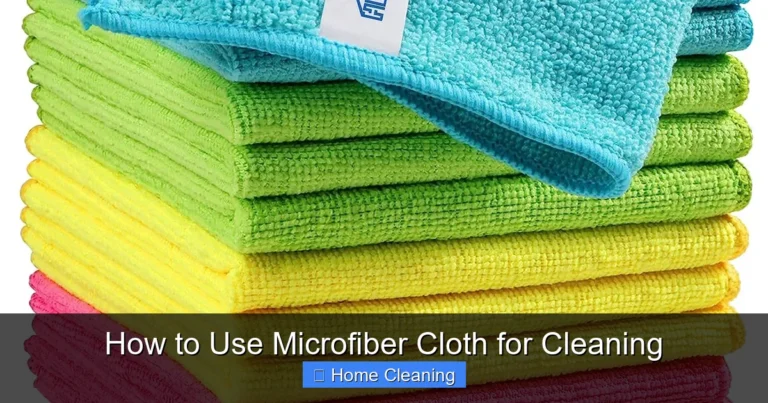
Before we dive into streaking, let’s talk about what makes microfiber so effective in the first place. Microfiber is made from ultra-fine synthetic fibers—usually a blend of polyester and polyamide (nylon). These fibers are split into even finer filaments, creating thousands of tiny hooks and loops that grab dirt, oil, and moisture with incredible efficiency.
Visual guide about Do Microfiber Cloths Leave Streaks
Image source: m.media-amazon.com
The Science Behind the Shine
When you use a microfiber cloth, the tiny fibers act like a magnet for particles. They don’t just wipe away dirt—they actually trap it deep within the cloth’s structure. This means fewer particles are left behind on your surface, reducing the chance of streaks. Plus, microfiber doesn’t shed lint like cotton towels, which is why it’s so popular for glass and electronics.
But here’s the catch: microfiber is only as good as its condition and how you use it. A dirty, overused, or improperly washed microfiber cloth can start to leave streaks—just like a dirty sponge or rag would. So while the material itself is streak-resistant, improper care can turn it into a streaking culprit.
Types of Microfiber Cloths
Not all microfiber cloths are created equal. There are different types designed for specific tasks:
- General-purpose cloths: Good for dusting and light cleaning.
- Glass-cleaning cloths: Often treated with special coatings to enhance shine and reduce streaks.
- Electronics cloths: Extra soft and lint-free, ideal for screens and lenses.
- Heavy-duty cloths: Used for scrubbing tough messes, but may be too abrasive for delicate surfaces.
Choosing the right type for your task can make a big difference in preventing streaks. For example, using a heavy-duty cloth on a glass window might scratch the surface or leave behind fibers, leading to smudges.
Why Microfiber Cloths Might Leave Streaks
Even though microfiber is designed to minimize streaks, there are several common reasons why you might still see them. Let’s break down the most frequent causes so you can troubleshoot like a pro.

Visual guide about Do Microfiber Cloths Leave Streaks
Image source: cleaninup.com
1. Over-Wetting the Cloth
One of the most common mistakes is using a microfiber cloth that’s too wet. Microfiber works best when it’s damp, not dripping. When the cloth is overly saturated, excess water spreads across the surface unevenly, leaving behind watermarks and streaks as it dries.
Pro tip: Squeeze the cloth firmly after wetting it. If water still drips out, it’s too wet. A properly dampened microfiber cloth should feel moist but not soggy.
2. Using Dirty or Contaminated Cloths
Microfiber cloths can trap oils, dust, and cleaning residues from previous uses. If you reuse a cloth without washing it, you’re essentially spreading old dirt back onto your surface—leading to streaks and smudges.
For example, if you use the same cloth to clean a greasy stovetop and then wipe your glass window, the grease residue will transfer to the glass, creating streaks. Always use a clean, dry side of the cloth for final buffing.
3. Applying Too Much Pressure
It might seem like more pressure = more cleaning power, but with microfiber, less is more. Pressing too hard can push moisture deeper into the cloth, causing it to dry unevenly and leave streaks. It can also damage the delicate fibers over time.
Instead, use light, even pressure and let the cloth do the work. Circular motions are often more effective than back-and-forth scrubbing.
4. Using the Wrong Cleaning Solution
Microfiber works best with water—plain water is often all you need. But if you’re using harsh chemicals, the results can backfire. For example, ammonia-based glass cleaners can react with microfiber, leaving behind residue that causes streaks. Similarly, vinegar can leave a film if not rinsed off properly.
Safe cleaning solutions:
- Distilled water
- Isopropyl alcohol (diluted 50/50 with water)
- pH-neutral dish soap (a drop in water)
5. Not Changing the Cloth Side
Microfiber cloths are usually two-sided. One side is for wet cleaning, the other for dry buffing. If you keep using the same side, you’ll transfer moisture and dirt back onto the surface, leading to streaks.
Always flip the cloth to the dry side after wet cleaning to finish the job streak-free.
6. Hard Water or Mineral Deposits
Even with the best microfiber cloth, hard water can leave mineral streaks on glass and stainless steel. If you live in an area with hard water, you might see streaks no matter how carefully you clean.
Solution: Use distilled water or a water softener. You can also rinse the surface with clean water after wiping to remove mineral residue.
How to Use Microfiber Cloths for Streak-Free Results
Now that we’ve identified the common causes of streaking, let’s talk about how to use microfiber cloths the right way. With the correct technique, you can achieve professional-level shine—no streaks in sight.
Visual guide about Do Microfiber Cloths Leave Streaks
Image source: topvaluereviews.net
Step-by-Step Microfiber Cleaning Guide
- Prepare Your Cloth: Start with a clean, dry microfiber cloth. If it’s dirty, wash it before use.
- Dampen Gently: Lightly wet the cloth with water. Squeeze out excess moisture until it’s just damp.
- Apply Cleaner (if needed): Use a small amount of a pH-neutral cleaner or a drop of dish soap in water.
- Wipe the Surface: Use light pressure in circular motions. Cover one section at a time.
- Switch to Dry Side: Flip the cloth to the dry side and buff the surface until it shines.
- Replace as Needed: If the cloth becomes dirty or saturated, switch to a clean section or a new cloth.
Best Practices for Different Surfaces
Not all surfaces respond the same way to microfiber. Here’s how to adapt your technique:
- Glass Windows: Use a lint-free glass microfiber cloth. Clean in sections, and always finish with a dry buff. Avoid cleaning in direct sunlight, as it can cause water to evaporate too quickly, leaving streaks.
- Stainless Steel: Use a soft microfiber cloth and a mild cleaner. Wipe in the direction of the grain to avoid scratches. Buff thoroughly to prevent water spots.
- Electronics (TVs, phones): Use an ultra-soft microfiber cloth and 50/50 isopropyl alcohol and water. Never spray liquid directly onto the screen—wipe gently with the damp cloth.
- Countertops: For non-porous surfaces, a damp microfiber cloth with a drop of dish soap works well. Dry immediately to prevent water from seeping into seams.
When to Replace Your Microfiber Cloth
Even with proper care, microfiber cloths don’t last forever. Over time, the fibers break down, reducing their ability to trap dirt and moisture. Signs it’s time to replace your cloth include:
- Loss of absorbency
- Visible wear or thinning
- Stiffness that doesn’t improve after washing
- Persistent streaking despite proper technique
Most microfiber cloths last 100–200 wash cycles, depending on quality and use. Keep track of how many times you’ve washed them to know when it’s time for a new set.
Common Myths About Microfiber and Streaks
There are plenty of myths floating around about microfiber and streaking. Let’s clear up a few of the most common ones.
Myth 1: “All Microfiber Cloths Are the Same”
False. Just like with any tool, quality varies. Cheap microfiber cloths may shed fibers or lose their effectiveness after just a few uses. Investing in high-quality cloths from reputable brands ensures better performance and fewer streaks.
Myth 2: “More Soap = Better Clean”
Too much soap can leave behind residue that causes streaks. A single drop of dish soap in a quart of water is usually enough. Excess suds dry unevenly, creating a cloudy film.
Myth 3: “You Can Use Any Cloth for Glass”
While microfiber is ideal, old T-shirts or paper towels can work in a pinch—but they’re more likely to leave lint and streaks. Microfiber is the best choice for glass because of its ability to trap moisture and particles without shedding.
Myth 4: “Microfiber Only Works with Water”
While water is often sufficient, microfiber can be used with diluted cleaning solutions. Just make sure they’re pH-balanced and free of ammonia or bleach, which can degrade the fibers.
Maintaining Your Microfiber Cloths for Long-Term Performance
To keep your microfiber cloths working at their best, proper maintenance is key. Here’s how to care for them like a pro.
How to Wash Microfiber Cloths
Washing microfiber correctly is just as important as using it properly. Follow these steps:
- Wash microfiber cloths separately from cotton or other fabrics.
- Use warm water and a mild detergent—no fabric softener or dryer sheets.
- Avoid bleach or harsh chemicals, which can damage the fibers.
- Skip the fabric softener—it coats the fibers and reduces absorbency.
- Tumble dry on low heat or air dry. High heat can melt the fibers.
Storage Tips
Store your microfiber cloths in a clean, dry place. Avoid leaving them in damp areas like bathrooms, where mold or mildew can grow. Keep them in a mesh bag or drawer to allow airflow and prevent tangling.
Reviving Old Microfiber
If your microfiber cloths start to feel stiff or lose their softness, try this trick: wash them with a small amount of white vinegar in the rinse cycle. Vinegar helps break down residue and restore flexibility—just don’t use it with detergent, as it can reduce cleaning power.
When Microfiber Isn’t Enough
Sometimes, no matter how well you use microfiber, streaks still appear. In those cases, the issue might not be the cloth—it could be the surface itself.
Hard Water and Mineral Buildup
If you live in an area with hard water, mineral deposits can build up on glass and stainless steel over time. These deposits resist normal cleaning and often require a specialized cleaner or a paste of baking soda and water to remove.
Dusty or Unclean Surfaces
Wiping a dusty surface with a microfiber cloth won’t help—you’ll just spread the dust around, creating streaks. Always dust surfaces before wiping with microfiber. Use a dry microfiber cloth first to remove loose particles, then follow with a damp cloth.
Old or Damaged Surfaces
Scratched or pitted glass or stainless steel can trap dirt and moisture, making streaks harder to avoid. In these cases, microfiber alone may not be enough—you might need a professional glass treatment or surface refinishing.
Conclusion: Microfiber Can Be Streak-Free—If You Use It Right
So, do microfiber cloths leave streaks? The answer is nuanced. They don’t have to—but they can, if misused or poorly maintained. The good news? With the right technique, quality cloths, and proper care, microfiber is one of the best tools for achieving streak-free, sparkling surfaces.
Remember: it’s not just about the cloth—it’s about the whole cleaning process. From choosing the right product to understanding your water quality, every step matters. By following the tips in this guide, you’ll turn streaky frustration into clean, confident success.
Whether you’re cleaning your kitchen counters, bathroom mirrors, or smartphone screen, microfiber can be your secret weapon. Just treat it with care, use it wisely, and you’ll never have to wonder, “Why is my glass still streaky?” again.
Frequently Asked Questions
Do microfiber cloths leave streaks on glass?
Not if used correctly. Microfiber cloths are designed to minimize streaks, but over-wetting, dirty cloths, or hard water can cause streaks. Use a damp cloth, flip sides frequently, and finish with a dry buff for best results.
Why do my windows still look streaky after using a microfiber cloth?
Streaks may be caused by hard water, dust on the surface, or using too much cleaning solution. Try cleaning in sections, using distilled water, and ensuring the surface is pre-dusted before wiping.
Can I use vinegar with microfiber cloths?
Yes, but only in diluted form (1 part vinegar to 3 parts water). Avoid undiluted vinegar, as it can leave a film and damage microfiber over time. Always rinse the surface afterward.
How often should I wash my microfiber cloths?
Wash microfiber cloths after every 2–3 uses or when they feel dirty. Avoid fabric softener and high heat. Most cloths last 100–200 washes if cared for properly.
Are cheaper microfiber cloths worse at causing streaks?
Cheap cloths may shed fibers or lose absorbency faster, increasing the chance of streaks. High-quality microfiber with tightly woven fibers performs better and lasts longer.
Can microfiber cloths be used on car windows?
Yes, but use a clean, damp microfiber cloth and finish with a dry side to prevent water spots. Avoid using on hot glass, as rapid drying can cause streaks.