Do Smart Bulbs Save Energy
Smart bulbs can save energy and lower your electricity bill, but only if used correctly. These intelligent lights offer features like automatic scheduling, motion sensing, and dimming that help reduce wasted power. While they often cost more upfront, their long-term efficiency and convenience make them a smart investment for energy-conscious homeowners.
Key Takeaways
- Energy Efficiency Varies by Type: Not all smart bulbs are created equal—LED smart bulbs use up to 85% less energy than incandescent bulbs.
- Usage Patterns Matter: Smart bulbs save energy when they turn off automatically or dim when not needed, reducing overall consumption.
- Smart Features Reduce Waste: Features like scheduling, geofencing, and motion detection prevent lights from being left on unnecessarily.
- Long-Term Savings: Despite higher initial costs, smart bulbs often pay for themselves over time through lower energy bills.
- Compatibility and Control: Integration with smart home systems allows centralized control, helping you monitor and manage energy use.
- Environmental Impact: Reduced energy consumption leads to lower carbon emissions, supporting sustainability goals.
- Dimming Saves More Energy: Dimming smart bulbs by 50% can cut energy use by nearly half compared to full brightness.
📑 Table of Contents
- Do Smart Bulbs Save Energy? The Truth Behind the Tech
- How Smart Bulbs Work: The Technology Behind the Savings
- Smart Bulbs vs. Traditional Bulbs: A Side-by-Side Comparison
- Real-World Energy Savings: What the Data Says
- Maximizing Energy Savings with Smart Bulbs
- Environmental Impact: Beyond Energy Savings
- Common Misconceptions About Smart Bulbs and Energy Use
- Choosing the Right Smart Bulbs for Energy Savings
- Conclusion: Smart Bulbs Are a Smart Energy Choice
Do Smart Bulbs Save Energy? The Truth Behind the Tech
Have you ever walked into a room and realized the lights were left on all day—or worse, all night? It happens to the best of us. But what if your lights could turn themselves off when no one’s home, dim when you’re reading, or only come on when motion is detected? That’s where smart bulbs come in. These little tech marvels connect to your Wi-Fi and smartphone, letting you control your lighting with just a tap. But here’s the real question: do smart bulbs actually save energy?
The short answer is yes—but not automatically. Smart bulbs themselves are energy-efficient, especially when compared to traditional incandescent or even CFL bulbs. However, their ability to save energy depends on how you use them. Think of smart bulbs like a car with cruise control: the car is fuel-efficient, but you still need to drive smart to get the most out of it. In this article, we’ll break down everything you need to know about smart bulb energy efficiency, how they compare to traditional bulbs, and practical tips to maximize your savings.
How Smart Bulbs Work: The Technology Behind the Savings
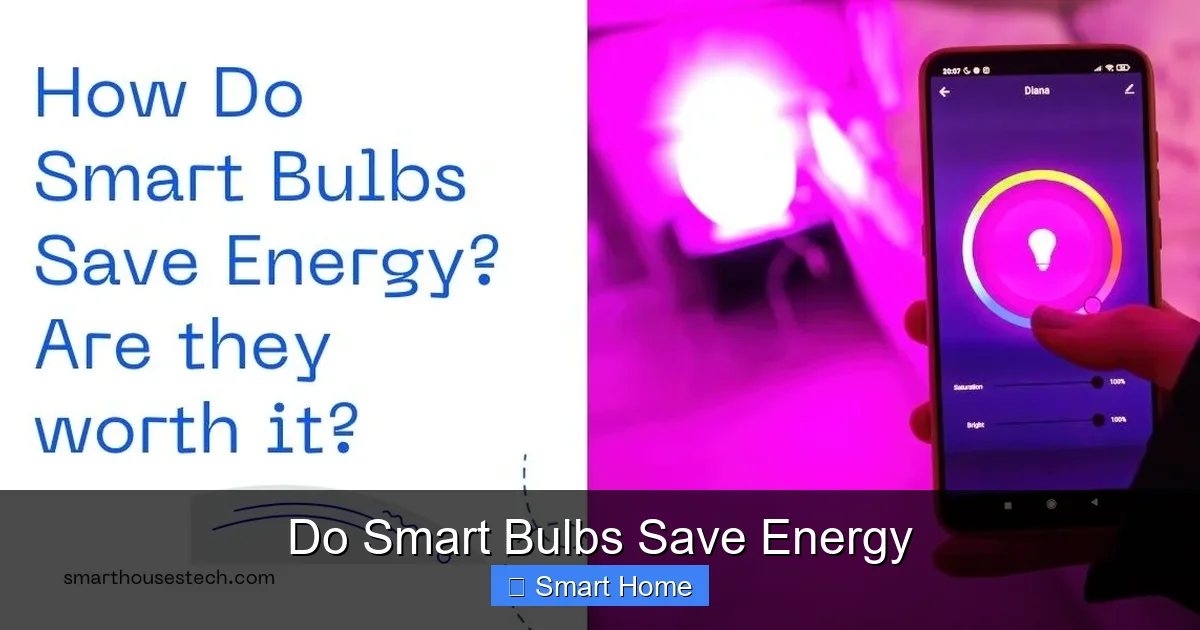
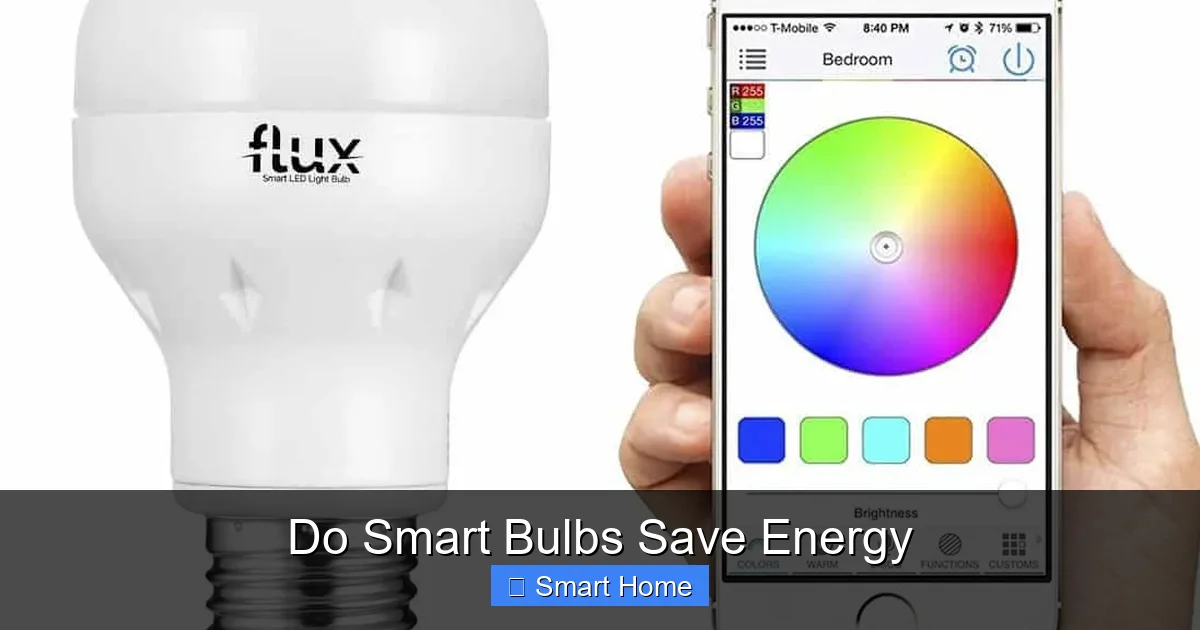
Before diving into energy savings, let’s talk about what makes smart bulbs different. Unlike traditional bulbs, smart bulbs are built with advanced components that allow them to connect to your home network. Most use Wi-Fi or Zigbee/Z-Wave protocols to communicate with a hub or your smartphone. This connectivity enables features like voice control, scheduling, remote access, and integration with other smart home devices.
Visual guide about Do Smart Bulbs Save Energy
Image source: homeimprovementway.com
Energy-Efficient Design
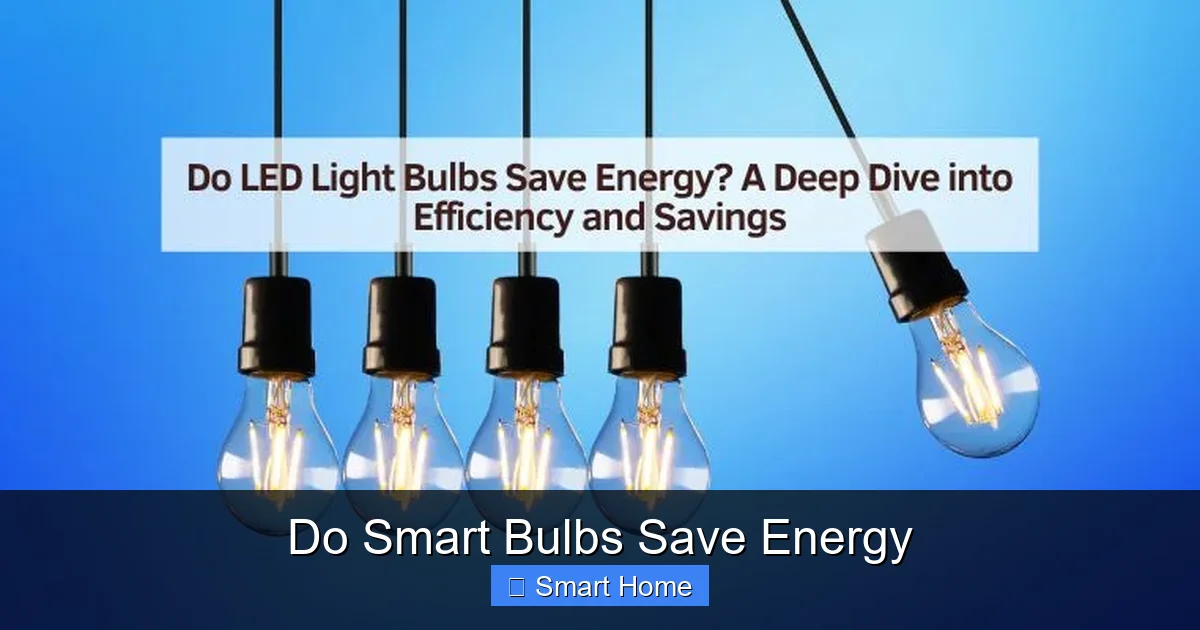
At their core, most smart bulbs are LED (light-emitting diode) bulbs. LEDs are inherently energy-efficient because they convert more electricity into light and less into heat. A standard smart LED bulb uses about 9 to 12 watts to produce the same brightness as a 60-watt incandescent bulb. That’s an 80% reduction in energy use right off the bat.
For example, a 10-watt smart LED bulb can replace a 60-watt incandescent and a 14-watt CFL, all while offering the same or better light quality. This efficiency is consistent across brands like Philips Hue, LIFX, and Sylvania, though power ratings can vary slightly.
Intelligent Features That Reduce Waste
But the real energy savings come from smart features. Here’s how:
- Scheduling: Set lights to turn off at bedtime or turn on only during sunrise.
- Geofencing: Lights automatically turn off when you leave home and on when you approach.
- Motion Sensors: Lights activate only when someone enters a room.
- Dimming: Lower brightness reduces energy use significantly—by up to 75% at 50% brightness.
These features eliminate the “phantom load” of lights being on when not needed. According to the U.S. Department of Energy, lighting accounts for about 15% of home energy use. Smart bulbs can cut that number by reducing unnecessary usage.
Smart Bulbs vs. Traditional Bulbs: A Side-by-Side Comparison
To understand the energy savings, let’s compare smart bulbs to the bulbs they’re replacing. We’ll look at incandescent, CFL, and LED bulbs across key metrics: energy use, lifespan, and cost.
Visual guide about Do Smart Bulbs Save Energy
Image source: miro.medium.com
Energy Consumption
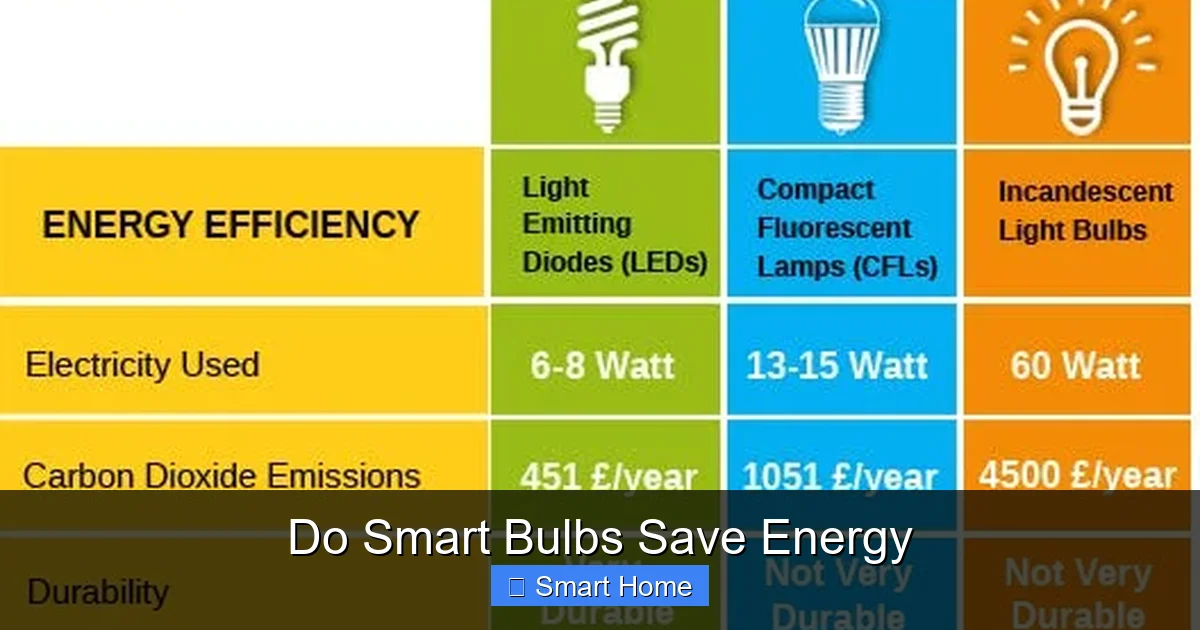
Here’s how a typical 60-watt incandescent bulb compares to a 10-watt smart LED:
- Incandescent: 60 watts, 1,000 lumens, 1,000-hour lifespan
- CFL: 14 watts, 1,000 lumens, 8,000-hour lifespan
- LED (non-smart): 9 watts, 1,000 lumens, 15,000-hour lifespan
- Smart LED: 10–12 watts, 1,000+ lumens, 15,000+ hours
Even though smart bulbs use slightly more power than non-smart LEDs, the difference is minimal. And when you factor in the added convenience and control, the trade-off is worth it.
Lifespan and Maintenance
Smart bulbs last much longer than incandescent bulbs. While a regular bulb might burn out after 1,000 hours, a smart LED can last 15,000–25,000 hours. That’s over 20 years of use if you run it 2 hours a day—no more frequent replacements or waste.
This longevity means less frequent replacements, reducing both cost and environmental impact. Plus, fewer bulbs in landfills mean less plastic and glass waste.
Upfront Cost vs. Long-Term Savings
Smart bulbs cost more upfront—usually $20 to $40 per bulb. A traditional LED bulb might be $3. But over time, the savings add up. Let’s do a quick calculation:
- Assume you have 20 bulbs, each used 5 hours per day.
- Incandescent: 60 watts × 20 bulbs × 5 hours = 600 watt-hours/day
- Smart LED: 10 watts × 20 bulbs × 5 hours = 100 watt-hours/day
- Daily savings: 500 watt-hours = 0.5 kWh
- Annual savings: 0.5 kWh × 365 = 182.5 kWh
- At $0.12 per kWh, that’s $21.90 saved per year.
- Living Room: Use dimming and scheduling to reduce evening use.
- Kitchen: Motion sensors prevent lights from staying on during quiet hours.
- Bathroom: Auto-off after 10 minutes of inactivity.
- Bedroom: Sunrise simulation helps reduce artificial light at night.
- Look for LED: All smart bulbs are LED, but confirm the wattage is low (under 15 watts for equivalent brightness).
- Check for Energy Star: This certification ensures high efficiency and performance.
- Consider Compatibility: Choose bulbs that work with your existing smart home system (e.g., Alexa, Google Home, Apple HomeKit).
- Read Reviews: Look for user feedback on energy use and reliability.
- Beware of Over-Featured Bulbs: If you don’t need color-changing or music sync, stick to basic smart white bulbs—they’re cheaper and more efficient.
Over 10 years, you’d save $219 in energy costs—more than enough to cover the initial investment in smart bulbs.
Real-World Energy Savings: What the Data Says
Studies and real-world tests support the idea that smart bulbs reduce energy use. A 2021 study by the American Council for an Energy-Efficient Economy (ACEEE) found that homes using smart lighting systems reduced lighting energy consumption by 20–30% compared to traditional setups.
Visual guide about Do Smart Bulbs Save Energy
Image source: geargadgetsandgizmos.com
Case Study: A Smart Home Energy Audit
A homeowner in Portland, Oregon, replaced all 25 incandescent bulbs in their house with smart LEDs and enabled scheduling and geofencing. After six months, their lighting energy use dropped from 1,200 kWh to 840 kWh—a 30% reduction. Their monthly electricity bill for lighting fell from $18 to $12.60.
Energy Use by Room
Different rooms offer different savings opportunities:
By tailoring smart bulb settings to each room’s usage, you can maximize efficiency.
Maximizing Energy Savings with Smart Bulbs
Smart bulbs save energy, but only if you use them wisely. Here are practical tips to get the most out of your smart lighting:
1. Use Scheduling and Automation
Set lights to turn off automatically when you go to bed or leave home. Most smart bulb apps let you create custom schedules. For example, turn off all lights at 11 PM or activate porch lights at sunset.
2. Enable Geofencing
Use your phone’s location to trigger lights when you arrive or leave. This prevents lights from being on when no one’s home. It also ensures you never come back to a dark house.
3. Dim When Possible
Dimming isn’t just for ambiance—it cuts energy use. At 50% brightness, a smart bulb uses about 50% of the power. Use dimming in living areas or when natural light is available.
4. Integrate with Sensors
Pair smart bulbs with motion or occupancy sensors. In hallways or closets, this means lights only come on when needed.
5. Avoid Overuse of Features
Some smart bulbs have features like color-changing or music sync. While fun, these can increase energy use slightly. Use them sparingly if energy savings are a priority.
6. Monitor Usage
Many smart lighting apps show energy usage in real time. Check your app weekly to see if lights are being used efficiently. Adjust settings as needed.
Environmental Impact: Beyond Energy Savings
Smart bulbs aren’t just good for your wallet—they’re good for the planet. Reducing electricity use means fewer greenhouse gas emissions, especially if your power comes from coal or natural gas.
Additionally, smart bulbs last longer, so fewer bulbs end up in landfills. Most smart bulbs are recyclable, and many manufacturers offer take-back programs. Choosing energy-efficient lighting supports broader sustainability goals.
On a global scale, if every household replaced just one incandescent bulb with a smart LED, it would save enough energy to power 3 million homes for a year.
Common Misconceptions About Smart Bulbs and Energy Use
Despite their benefits, there are some myths about smart bulbs and energy efficiency. Let’s clear them up.
Myth 1: Smart Bulbs Use More Energy Because of Connectivity
Some worry that Wi-Fi or Bluetooth connectivity increases power draw. In reality, the extra energy used for communication is negligible—less than 1 watt. It’s a tiny fraction of the total power used by the bulb.
Myth 2: All Smart Bulbs Are the Same
Not all smart bulbs are created equal. Some use more power or have less efficient drivers. Look for Energy Star-certified smart bulbs to ensure top efficiency.
Myth 3: Smart Bulbs Are Only for Tech Lovers
While they’re tech-forward, smart bulbs are designed to be user-friendly. Many apps have simple interfaces, and voice control (via Alexa or Google Assistant) makes them accessible to everyone.
Choosing the Right Smart Bulbs for Energy Savings
Not all smart bulbs are optimized for energy efficiency. Here’s how to pick the best ones:
Top energy-efficient smart bulb brands include Philips Hue, LIFX, Sylvania, and EcoSmart.
Conclusion: Smart Bulbs Are a Smart Energy Choice
So, do smart bulbs save energy? The answer is a resounding yes—when used properly. These bulbs are inherently more efficient than traditional lighting, and their intelligent features help eliminate wasted electricity. With scheduling, dimming, and automation, smart bulbs can reduce your lighting energy use by 20–30%, saving you money and supporting a greener planet.
While the upfront cost is higher, the long-term savings, convenience, and environmental benefits make smart bulbs a smart investment. Whether you’re looking to lower your electricity bill, reduce your carbon footprint, or simply enjoy more control over your home lighting, smart bulbs deliver on all fronts.
Ready to switch? Start with a few key rooms—like the living room or kitchen—and gradually expand. Your wallet and the environment will thank you.
Frequently Asked Questions
Do smart bulbs use more electricity than regular LED bulbs?
Smart bulbs use slightly more power than non-smart LEDs due to their connectivity features, but the difference is minimal—usually less than 1 watt. The energy savings from automation and control far outweigh this small increase.
Can smart bulbs reduce my electricity bill?
Yes, smart bulbs can significantly lower your lighting energy use. By turning off automatically, dimming when needed, and avoiding unnecessary usage, they can reduce your lighting bill by 20–30%.
Are smart bulbs worth the investment for energy savings?
Absolutely. While smart bulbs cost more upfront, their long lifespan and energy efficiency mean they pay for themselves over time through lower electricity bills and fewer replacements.
Do smart bulbs work without Wi-Fi?
Some smart bulbs work with local hubs (like Zigbee or Z-Wave) and don’t require Wi-Fi. Others need a constant internet connection. Check the product specs to see what your bulb needs.
How long do smart bulbs last?
Most smart LED bulbs last 15,000 to 25,000 hours, depending on usage. That’s equivalent to 20+ years of use if used 2 hours per day.
Can I control smart bulbs remotely to save energy?
Yes! With a smartphone app, you can turn off lights remotely if you forget them on, schedule them to turn off at night, or set them to respond to motion—all helping reduce energy waste.