Do Smart Bulbs Work Outside
Smart bulbs can work outside—but only if they’re specifically rated for outdoor use. Standard indoor smart bulbs will fail quickly in rain, snow, or extreme heat. With the right outdoor-rated models and proper installation, you can enjoy voice control, scheduling, and energy savings on your patio or garden.
Key Takeaways
- Weather resistance is critical: Only smart bulbs labeled “outdoor” or “wet-rated” can safely be used outside. Indoor bulbs lack seals and materials to handle moisture, UV rays, and temperature swings.
- Look for IP ratings: IP65 or higher means dust-tight and protected against water jets—essential for porch, patio, or landscape lighting.
- Check voltage compatibility: Most outdoor smart bulbs run on low-voltage (12V) systems, but some plug-in models work with standard 120V outlets.
- Power source matters: Outdoor-rated bulbs need reliable, weatherproof power sources—outdoor-rated outlets or GFCI-protected circuits are safer.
- Installation requires planning: Mount bulbs in protected areas, use waterproof wire nuts, and follow local electrical codes to avoid hazards.
- Voice control still works: Once installed, outdoor smart bulbs integrate with Alexa, Google, and Apple Home for voice commands and automation.
- Energy efficiency pays off: LED smart bulbs use less power and last longer outdoors when properly rated, reducing long-term costs.
📑 Table of Contents
- Do Smart Bulbs Work Outside?
- Can You Use Indoor Smart Bulbs Outside?
- What Makes a Smart Bulb Outdoor-Ready?
- Best Outdoor Smart Bulbs for 2024
- How to Install Outdoor Smart Bulbs Safely
- Smart Features to Use Outdoors
- Common Mistakes to Avoid
- Maintenance Tips for Outdoor Smart Bulbs
- Energy Efficiency and Cost Savings
- Final Thoughts: Are Outdoor Smart Bulbs Worth It?
Do Smart Bulbs Work Outside?
Imagine walking out to your backyard at sunset, saying “Alexa, turn on the patio lights,” and having your outdoor space instantly illuminate with soft, warm glow. That’s the magic of smart lighting—but here’s the catch: not all smart bulbs are built for the elements. If you’ve ever wondered, “Do smart bulbs work outside?” the answer isn’t a simple yes or no. It depends on the bulb’s design, rating, and how you install it.
Most smart bulbs sold in stores are designed for indoor use—think living rooms, bedrooms, or office spaces. These bulbs lack the protective seals, UV-resistant materials, and temperature tolerance needed to survive rain, snow, or scorching summer heat. Using them outside can lead to premature failure, electrical hazards, or even safety risks. But don’t worry—there are smart bulbs made specifically for outdoor environments. In this guide, we’ll explore everything you need to know about using smart bulbs outside: which ones work, how to install them safely, and how to get the most out of your outdoor smart lighting.
Can You Use Indoor Smart Bulbs Outside?
Let’s start with the most important question: Can you use indoor smart bulbs outside? The short answer is no—not without serious risks. Indoor smart bulbs aren’t built to withstand moisture, extreme temperatures, or UV exposure. When you expose them to the elements, several things can go wrong:
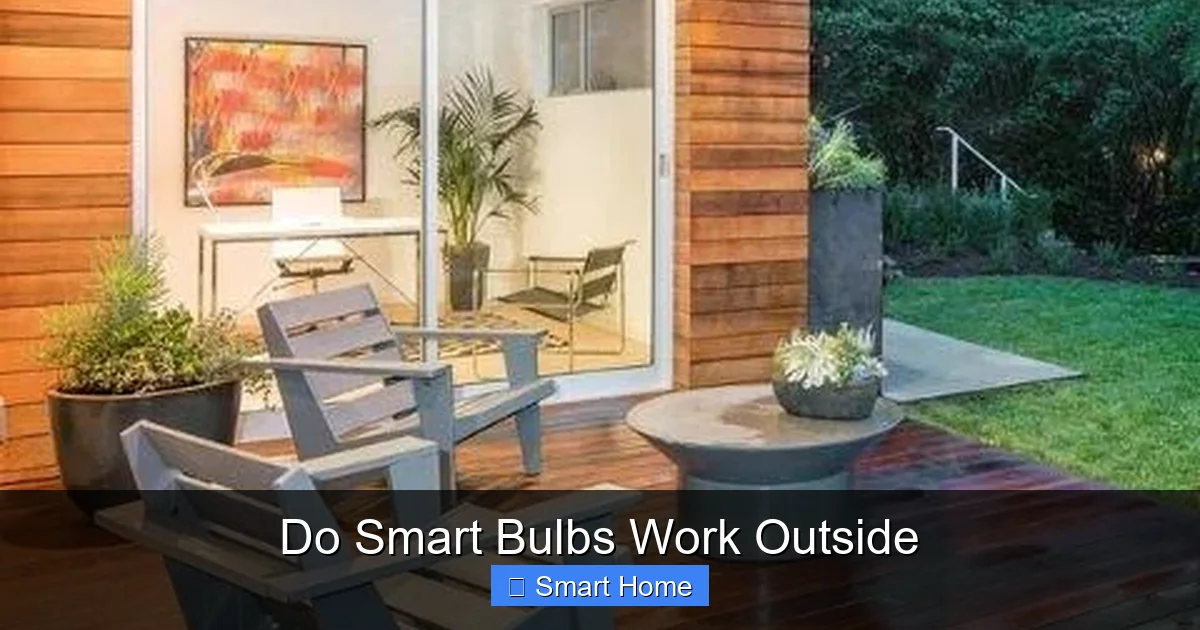
Visual guide about Do Smart Bulbs Work Outside
Image source: cdn.shopify.com
- Moisture damage: Rain, humidity, or even morning dew can seep into the bulb’s internal components, causing short circuits or corrosion.
- Heat stress: On a hot day, an indoor bulb can overheat when enclosed in a fixture without proper ventilation, leading to burnout.
- UV degradation: Sunlight breaks down plastic parts and coatings over time, making the bulb brittle or discolored.
- Electrical hazards: Without proper sealing, water contact can create a shock risk or trip your circuit breaker.
Even if an indoor bulb seems to work for a few days, it’s not worth the risk. Manufacturers design bulbs with specific use cases in mind, and using them outside voids warranties and compromises safety. So, while it might be tempting to save money by repurposing indoor bulbs, it’s better to invest in the right outdoor-rated smart bulbs from the start.
What Makes a Smart Bulb Outdoor-Ready?
Not all smart bulbs are created equal—especially when it comes to outdoor use. To work reliably outside, a smart bulb must meet several key criteria:
Visual guide about Do Smart Bulbs Work Outside
Image source: ledlightinginfo.com
1. IP Rating (Ingress Protection)
The IP (Ingress Protection) rating tells you how well a bulb can resist dust and water. For outdoor use, you need at least an IP65 rating:
- IP6X: Dust-tight (no dust can enter)
- IPX5: Protected against water jets from any direction
- IPX7: Protected against temporary immersion in water (up to 1 meter for 30 minutes)
For most outdoor lighting—like porch lights, garden paths, or under-eave fixtures—an IP65 rating is sufficient. If your bulb will be near a pool, fountain, or in a rainy climate, consider IP67 or higher.
2. Weather-Resistant Materials
Outdoor smart bulbs use special materials to resist UV rays, moisture, and temperature changes. Look for:
- UV-resistant plastic or glass
- Sealed electronics to prevent water ingress
- Thermal management to handle heat buildup
These materials ensure the bulb lasts longer and performs reliably in all seasons.
3. Voltage Compatibility
Most outdoor lighting systems use low-voltage (12V or 24V) transformers, especially for landscape or pathway lighting. Some smart bulbs are designed for these systems, while others plug directly into standard 120V outlets. Make sure your chosen bulb matches your power setup.
4. Smart Features That Work Outdoors
Even if a bulb is weatherproof, its smart features must still function. This means:
- Stable Wi-Fi or Zigbee connectivity (depending on the bulb type)
- Compatibility with your smart home hub (like Amazon Echo, Google Nest, or Apple HomeKit)
- Remote control via app, voice commands, or automation rules
Some outdoor bulbs also include motion sensors or timers, adding convenience and security.
Best Outdoor Smart Bulbs for 2024
With so many options on the market, choosing the right outdoor smart bulb can be overwhelming. Here are some of the top-rated models that combine durability, smart features, and reliability:
1. Philips Hue Outdoor A19 LED
The Philips Hue Outdoor A19 is a favorite among smart home enthusiasts. It’s IP65-rated, works with Alexa, Google Assistant, and Apple HomeKit, and offers 16 million colors. You can set schedules, sync with music, or use it for security lighting. The bulb connects via Zigbee, so it works with Hue hubs or compatible smart speakers.
Best for: Homeowners who want full color control and integration with existing smart systems.
2. LIFX A60 Outdoor Smart Bulb
LIFX bulbs are known for their bright, vivid colors and direct Wi-Fi connection (no hub needed). The Outdoor A60 model is IP65-rated and works with Alexa, Google, and Apple. It’s also dimmable and energy-efficient, using only 9 watts for 800 lumens.
Best for: Those who prefer plug-and-play setup without a hub.
3. Sylvania Smart+ Outdoor PAR38 LED
For floodlights or downlights, the Sylvania Smart+ Outdoor PAR38 is a solid choice. It’s weather-resistant, compatible with Alexa and Google, and offers warm white or daylight options. It uses Zigbee and works with smart hubs.
Best for: Upgrading existing outdoor floodlights with smart control.
4. Kasa Outdoor Smart Light Bulb (KL110)
TP-Link’s Kasa KL110 is an affordable option with IP65 rating and compatibility with Alexa and Google. It includes scheduling, remote control, and energy monitoring. It connects via Wi-Fi and works with the Kasa app.
Best for: Budget-conscious users who want basic smart features.
5. Feit Electric Smart Outdoor BR30
This 100-watt-equivalent bulb fits in recessed outdoor fixtures. It’s IP65-rated, works with Alexa and Google, and offers dimming and scheduling. It uses Zigbee and is compatible with smart hubs.
Best for: Recessed lighting in soffits, patios, or garages.
How to Install Outdoor Smart Bulbs Safely
Installing outdoor smart bulbs isn’t just about screwing in a light—it’s about doing it safely and correctly. Follow these steps to ensure your setup is secure and long-lasting:
1. Choose the Right Location
Avoid installing bulbs in direct spray zones, like under gutters or near sprinklers. Opt for covered areas such as under eaves, in lanterns, or in fully enclosed fixtures. This protects the bulb from rain and debris.
2. Use a Weatherproof Fixture
Even outdoor-rated bulbs need a protective fixture. Use fixtures labeled “outdoor” or “wet-rated.” Avoid open sockets or plastic covers that can crack in the sun.
3. Install in a Protected Enclosure
If you’re using landscape lighting, consider placing bulbs in weatherproof enclosures with drainage. This adds an extra layer of protection and makes maintenance easier.
4. Use GFCI Protection
For outdoor circuits, always use a Ground Fault Circuit Interrupter (GFCI) outlet or breaker. This protects against electrical shock in case of moisture contact.
5. Secure Wiring with Waterproof Connectors
If you’re connecting multiple bulbs (common in landscape lighting), use waterproof wire nuts and seal connections with electrical tape or silicone sealant.
6. Follow Local Electrical Codes
Check with your local building department to ensure your installation meets code. In some areas, outdoor lighting requires permits or specific wiring standards.
7. Test Before Finalizing
After installation, test the bulb for a few days to ensure it’s working and not overheating. Monitor for flickering or discoloration.
Smart Features to Use Outdoors
One of the biggest advantages of outdoor smart bulbs is the ability to control them remotely. Here are some practical ways to use your outdoor lighting smartly:
1. Voice Control
Say “Alexa, turn on the porch light” or “Hey Google, dim the garden lights” to control your bulbs without leaving the house. This is especially useful for security or late-night visits.
2. Scheduling and Automation
Set bulbs to turn on at sunset and off at midnight, or trigger them when motion is detected. You can also create routines, like “Good Morning” that turns on outdoor lights at 6 AM.
3. Security Lighting
Use smart bulbs with motion sensors or integrate them with security cameras. When motion is detected, the lights turn on brightly, deterring intruders.
4. Ambiance Control
Change the color or brightness based on the occasion. Warm white for dinner parties, cool blue for a movie night, or red for Halloween.
5. Energy Monitoring
Some smart bulbs (like the Kasa KL110) track energy usage. This helps you monitor and reduce power consumption over time.
6. Integration with Other Devices
Link outdoor lights with door sensors, weather apps, or even music systems. For example, lights can flash red during a thunderstorm or pulse with your favorite song.
Common Mistakes to Avoid
Even with the best bulbs, mistakes can happen. Here are common pitfalls to avoid when using smart bulbs outside:
- Using indoor bulbs outdoors: As discussed, this leads to early failure and safety risks.
- Installing in direct sunlight without UV protection: Even outdoor bulbs can fade or crack if exposed to intense UV for long periods.
- Over-tightening the bulb: This can damage the threads or crack the glass. Hand-tighten only.
- Ignoring weatherproofing: Not sealing connections or using non-rated fixtures can compromise safety.
- Placing bulbs too close to water sources: Avoid near pools, fountains, or irrigation systems unless rated for immersion.
- Not updating firmware: Smart bulbs receive updates for security and performance. Check the app regularly.
Maintenance Tips for Outdoor Smart Bulbs
To keep your outdoor smart bulbs working well for years, follow these maintenance tips:
- Clean fixtures regularly: Dust and dirt can block light and trap heat. Wipe down fixtures with a damp cloth.
- Check seals and gaskets: Over time, rubber seals can dry out. Replace them if you notice cracks or gaps.
- Inspect wiring annually: Look for frayed wires, corrosion, or loose connections.
- Trim nearby plants: Overgrown vegetation can block light or trap moisture near bulbs.
- Use surge protectors: Power surges from storms can damage electronics. Protect your outdoor circuits.
Energy Efficiency and Cost Savings
Outdoor smart bulbs are not only convenient—they’re also energy-efficient. Most use LED technology, which consumes up to 80% less power than incandescent bulbs. For example, a 9-watt smart LED can replace a 60-watt incandescent, producing the same brightness with less heat.
When you add scheduling and automation, you can reduce unnecessary lighting. Lights turn off when no one’s home or when motion isn’t detected. Over time, this can save hundreds of dollars on electricity bills.
Some smart bulbs also include energy monitoring features, so you can track usage and adjust habits. For example, if your porch light is on all night, you’ll know it’s using extra power.
Final Thoughts: Are Outdoor Smart Bulbs Worth It?
Yes—outdoor smart bulbs are absolutely worth it, but only if you choose the right ones and install them properly. They offer convenience, security, and energy savings, transforming your outdoor space into a smart, responsive environment. With models like the Philips Hue Outdoor, LIFX, and Kasa KL110, you can enjoy voice control, scheduling, and vibrant lighting—all while protecting your investment from the elements.
Remember: safety comes first. Always use bulbs rated for outdoor use, follow electrical codes, and protect your wiring. Once installed correctly, your smart outdoor lights will work reliably for years, adding both beauty and intelligence to your home.
So, do smart bulbs work outside? The answer is yes—when you pick the right ones and treat them with care. Your patio, garden, and driveway will thank you.
Frequently Asked Questions
Can I use any smart bulb outside?
No, only smart bulbs specifically rated for outdoor use (IP65 or higher) can safely be used outside. Indoor bulbs lack weatherproofing and will fail quickly in rain, snow, or extreme heat.
What does IP65 mean for outdoor smart bulbs?
IP65 means the bulb is dust-tight and protected against water jets from any direction. This rating is suitable for most outdoor lighting, like porch or garden lights, but not for submerged applications.
Do outdoor smart bulbs work with Alexa and Google?
Yes, most outdoor smart bulbs are compatible with Alexa, Google Assistant, and Apple HomeKit. Make sure to check compatibility before purchasing.
Can I install outdoor smart bulbs myself?
Yes, but only if you follow safety guidelines: use weatherproof fixtures, GFCI protection, and waterproof connectors. If you’re unsure, consult a licensed electrician.
How long do outdoor smart bulbs last?
With proper installation and care, outdoor smart LED bulbs typically last 15,000 to 25,000 hours—often 10 to 15 years—depending on usage and environmental conditions.
Are outdoor smart bulbs more expensive than indoor ones?
Yes, outdoor-rated smart bulbs cost more due to weatherproofing and durable materials. However, the added safety and longevity make them a worthwhile investment.