Does Microfiber Clean Better Than Cotton
Microfiber cleans better than cotton in most cleaning tasks due to its superior ability to trap dust, absorb liquids, and lift dirt without scratching surfaces. While cotton is soft and gentle, microfiber’s synthetic fibers and electrostatic charge make it more effective at removing allergens and grime with less effort.
Key Takeaways
- Microfiber captures more dust and dirt: Its fine fibers create a larger surface area and electrostatic charge that attracts and holds particles better than cotton.
- Microfiber absorbs liquids more efficiently: It can hold up to seven times its weight in water, making it ideal for spills and wet cleaning.
- Cotton is gentler on delicate surfaces: While less effective at cleaning, cotton cloths are better for polishing glass or sensitive materials without scratching.
- Microfiber requires less cleaning effort: It picks up dirt and oils, reducing the need for frequent washing compared to cotton, which can spread grime.
- Reusable and eco-friendly: High-quality microfiber cloths last longer and reduce waste, offering better long-term value than disposable cotton rags.
- Performance varies by blend: 100% microfiber performs best, but blends may offer better absorbency or durability depending on the task.
📑 Table of Contents
- Does Microfiber Clean Better Than Cotton?
- Understanding Microfiber: What Makes It Special?
- How Cotton Stacks Up: Strengths and Limitations
- Comparing Absorbency: Microfiber vs. Cotton
- Durability and Reusability: Long-Term Value
- Surface Compatibility: Which Cloth to Use Where?
- Maintenance and Care: Keeping Your Cloths Effective
- Environmental Impact: Microfiber vs. Cotton
- Expert Tips: Maximizing Cleaning Power
- Conclusion: Microfiber Wins for Most Cleaning Tasks
Does Microfiber Clean Better Than Cotton?
If you’ve ever stood in the cleaning aisle staring at a wall of cloths—microfiber, cotton, terry cloth, lint-free wipes—you’ve probably wondered: which one actually gets things cleaner? The short answer is: microfiber generally cleans better than cotton for most household tasks. But why, exactly? And when might cotton be the better choice?
Let’s break it down. We’ll compare microfiber and cotton in terms of cleaning power, absorbency, durability, and suitability for different surfaces. By the end, you’ll know exactly when to grab a microfiber cloth and when cotton might be your best friend.
Understanding Microfiber: What Makes It Special?

Visual guide about Does Microfiber Clean Better Than Cotton
Image source: images.nexusapp.co
Before we dive into the comparison, let’s talk about what microfiber actually is. Microfiber is made from ultra-fine synthetic fibers—typically a blend of polyester and nylon—woven together to create a fabric that’s incredibly thin and dense. These fibers are so small that a single strand is about 1/100th the width of a human hair.
What makes microfiber so effective isn’t just its size—it’s how it interacts with dirt and liquids. Microfiber cloths are designed with a unique structure that creates friction and electrostatic charges. This means they don’t just wipe away dirt; they trap it inside the fibers. When you use a microfiber cloth to clean a countertop or window, you’re not just removing surface grime—you’re pulling it deep into the fabric, where it stays until you wash the cloth.
The Science Behind Microfiber’s Cleaning Power
Microfiber’s cleaning superiority comes from three key factors:
1. **Large Surface Area**: The tiny fibers create millions of microscopic contact points. This increases the surface area available to grab dirt and dust, making microfiber far more efficient than cotton.
2. **Electrostatic Attraction**: Many microfiber cloths are treated to generate static electricity. This static charge helps attract and hold onto fine particles like dust, pet dander, and pollen—things cotton simply can’t catch as effectively.
3. **Absorbency and Liquid Retention**: Microfiber can absorb up to seven times its weight in water. That’s because the fibers are hollow or split, creating tiny pockets that hold liquid. Cotton, while absorbent, doesn’t retain liquids as efficiently and can leave streaks or spread dirt around.
Real-World Example: Cleaning a Kitchen Counter
Imagine you’re cleaning your kitchen counter after dinner. You grab a microfiber cloth and wipe the surface. In one pass, you’ve lifted crumbs, grease, and invisible dust particles. The cloth feels slightly damp, but the counter is spotless. Now, try the same with a cotton dish towel. You might wipe once or twice, but the cloth starts to feel gritty, and streaks begin to appear. That’s because cotton doesn’t trap dirt as effectively—it just moves it around.
Microfiber doesn’t just clean better—it cleans faster and with less effort. That’s why professional cleaners, janitors, and even astronauts rely on microfiber.
How Cotton Stacks Up: Strengths and Limitations
Visual guide about Does Microfiber Clean Better Than Cotton
Image source: bamigo.com
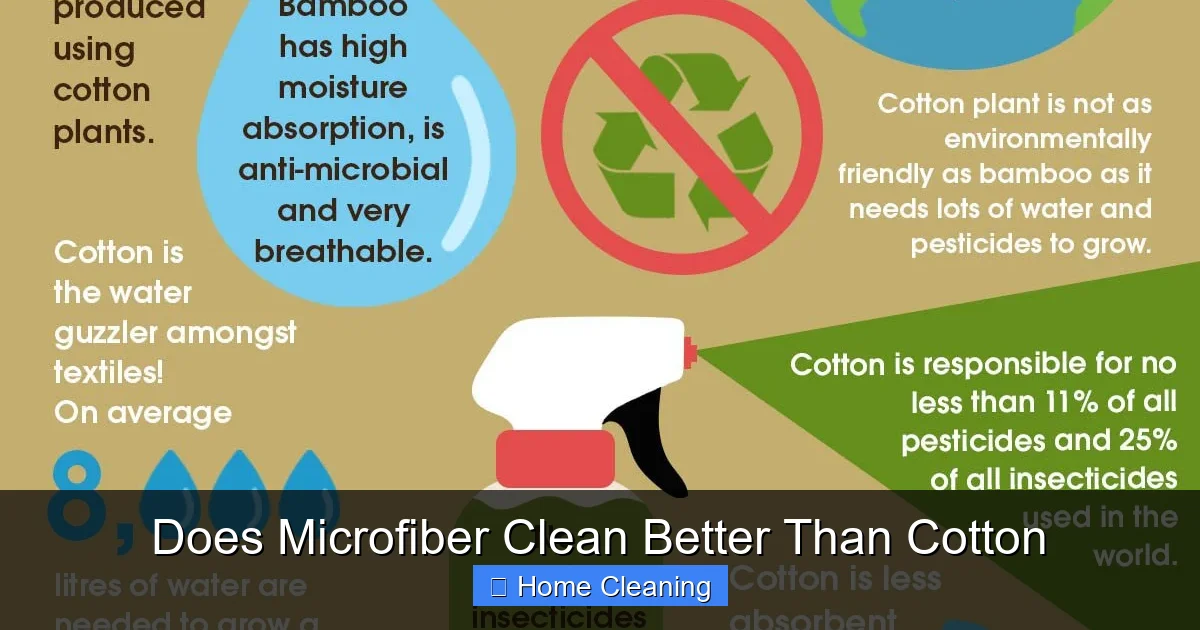
Cotton has been used for cleaning for centuries. It’s soft, natural, and gentle—ideal for many household tasks. But when it comes to cleaning efficiency, cotton falls short in several key areas.
Why Cotton Is Still Popular
Despite microfiber’s advantages, cotton remains widely used for good reasons:
– **Gentle on Surfaces**: Cotton is less likely to scratch delicate materials like stainless steel, glass, or painted surfaces.
– **Natural and Biodegradable**: Unlike synthetic microfiber, cotton is plant-based and breaks down naturally over time.
– **Soft and Comfortable**: Cotton is great for polishing, buffing, and drying without leaving lint or scratches.
The Cleaning Limitations of Cotton
But here’s the catch: cotton isn’t as effective at removing dirt and grime. Cotton fibers are larger and don’t create the same electrostatic charge as microfiber. This means they don’t trap particles as well. In fact, cotton cloths can re-deposit dust and oils back onto surfaces, especially when used on dry surfaces.
Additionally, cotton doesn’t absorb as much liquid. A cotton towel might feel damp after cleaning a spill, but it won’t pull moisture from the surface as efficiently. This leads to streaks, smudges, and the need for multiple passes.
When Cotton Is the Better Choice
There are situations where cotton shines:
– **Polishing Glass and Mirrors**: Cotton lint-free wipes are excellent for leaving a streak-free shine without scratching.
– **Delicate Fabrics**: Cotton is gentler on sensitive materials like silk or antique furniture.
– **Final Touches**: After using microfiber to remove dirt, cotton can be used for a soft buff to enhance shine.
So while microfiber cleans better overall, cotton has its place—especially when precision and gentleness matter.
Comparing Absorbency: Microfiber vs. Cotton
Visual guide about Does Microfiber Clean Better Than Cotton
Image source: a.storyblok.com
One of the biggest differences between microfiber and cotton is how they handle liquids. Let’s look at absorbency in detail.
Microfiber’s Liquid-Holding Power
Microfiber can absorb up to 7 times its weight in water. This is due to its hollow fiber structure, which creates tiny air pockets that trap liquid. When you use a microfiber cloth to clean a spill, it doesn’t just soak up water—it pulls moisture from the surface, leaving it dry and streak-free.
For example, if you spill a glass of water on your table, a microfiber cloth can absorb the liquid in one go. The surface stays dry, and there’s no need for a second pass with a dry cloth.
Cotton’s Absorbency: Good, But Not Great
Cotton is naturally absorbent and great for drying hands or dishes. But it doesn’t retain liquids as efficiently. A cotton towel might absorb water, but it can’t pull moisture from deep within a surface. This means you often need to wipe multiple times, and the surface may remain slightly damp or streaky.
Also, cotton tends to lose absorbency over time, especially after repeated washing. Microfiber, when properly cared for, maintains its performance for years.
Which Is Better for Wet Cleaning?
For wet cleaning tasks—like mopping floors, cleaning windows, or wiping spills—microfiber is the clear winner. Its superior absorbency and ability to lift dirt make it faster and more effective. Cotton works, but it requires more effort and may not deliver the same results.
Durability and Reusability: Long-Term Value
Another important factor is how long your cleaning cloth lasts and how often you need to replace it.
Microfiber: Long-Lasting and Reusable
High-quality microfiber cloths can last for hundreds of washes if cared for properly. They’re designed to be reused, which makes them cost-effective and eco-friendly. Unlike paper towels or disposable rags, microfiber reduces waste and saves money over time.
To maintain microfiber’s performance, wash it separately in warm water (no fabric softener) and air dry. Avoid high heat, which can damage the fibers.
Cotton: Wears Out Faster
Cotton cloths, especially inexpensive ones, tend to fray, lose absorbency, and tear after repeated use. While cotton is washable, it may need to be replaced more often than microfiber, especially for heavy-duty cleaning.
Eco-Friendly Considerations
Microfiber is often seen as less eco-friendly because it’s synthetic and not biodegradable. However, its reusability means fewer cloths end up in landfills over time. Cotton is biodegradable but may require more frequent replacement, leading to higher long-term waste.
The verdict? Microfiber wins in durability and reusability, making it a smarter choice for frequent cleaning.
Surface Compatibility: Which Cloth to Use Where?
Not all cleaning tasks are the same. The best cloth depends on the surface you’re cleaning.
Microfiber for Hard Surfaces
Microfiber excels at cleaning countertops, floors, glass, and electronics. Its ability to trap dust and absorb liquids makes it ideal for kitchen and bathroom surfaces. Use a dry microfiber cloth to pick up dust, then a damp one for deeper cleaning.
Cotton for Delicate Surfaces
Use cotton for polishing mirrors, cleaning eyeglasses, or buffing furniture. Cotton’s softness and lack of static make it less likely to scratch or leave residue.
Blended Cloths: The Best of Both Worlds
Some cloths are made from a blend of microfiber and cotton. These offer a balance—microfiber’s cleaning power with cotton’s gentleness. They’re great for multi-surface use and are becoming increasingly popular in households.
Maintenance and Care: Keeping Your Cloths Effective
Even the best cloth loses effectiveness if not cared for properly.
Washing Microfiber
– Wash microfiber separately from other fabrics.
– Use warm water and avoid fabric softener—it coats the fibers and reduces absorbency.
– Air dry or tumble dry on low heat.
– Replace microfiber cloths when they start to feel rough or lose their ability to pick up dirt.
Washing Cotton
– Cotton can be washed with other fabrics, but avoid bleach, which can weaken fibers.
– Tumble dry on medium heat.
– Replace cotton cloths when they become thin, frayed, or no longer absorb well.
Tip: Use Color-Coded Cloths
To avoid cross-contamination, use different colored microfiber cloths for different areas—e.g., one for the kitchen, one for the bathroom, one for electronics. This prevents spreading germs and keeps cleaning organized.
Environmental Impact: Microfiber vs. Cotton
The environmental footprint of cleaning cloths is an important consideration for many people.
Microfiber: Synthetic but Reusable
Microfiber is made from petroleum-based materials, so it’s not biodegradable. However, its long lifespan and reusability mean fewer resources are used over time compared to disposable options.
Some microfiber is now being recycled, and newer eco-friendly versions are made from partially recycled materials.
Cotton: Natural but Resource-Intensive
Conventional cotton farming uses significant water and pesticides. Organic cotton is better, but it’s still water-intensive. Cotton cloths are biodegradable, but their frequent replacement can offset this benefit.
Which Is Greener?
If you use cloths frequently, microfiber is likely greener due to its durability. If you use cloths sparingly, cotton may have a lower environmental impact. Ultimately, reusability and frequency of use matter most.
Expert Tips: Maximizing Cleaning Power
Want to get the most out of your microfiber and cotton cloths? Here are some pro tips:
– **Dampen, Don’t Soak**: Microfiber works best when slightly damp. Too much water reduces its electrostatic charge.
– **Use Less Pressure**: Microfiber cleans with light pressure. Pressing too hard can push dirt deeper into surfaces.
– **Replace When Needed**: Don’t wait until a cloth is dirty to wash it. Replace microfiber when it loses texture or cotton when it frays.
– **Store Properly**: Keep cloths in a dry place to prevent mold and odors.
Conclusion: Microfiber Wins for Most Cleaning Tasks
So, does microfiber clean better than cotton? The answer is yes—for most cleaning tasks, microfiber outperforms cotton in efficiency, absorbency, and dirt-trapping ability. It’s faster, requires less effort, and delivers better results on hard surfaces.
Cotton still has its place—especially for delicate surfaces and final polishing—but it can’t match microfiber’s cleaning power. If you’re serious about keeping your home clean, investing in quality microfiber cloths is worth it.
Whether you’re cleaning windows, wiping down appliances, or tackling kitchen spills, microfiber is the smarter, more effective choice. And with proper care, it’ll serve you well for years.
Frequently Asked Questions
Is microfiber better for cleaning windows than cotton?
Yes, microfiber is better for cleaning windows because it traps dust and streaks without leaving lint. Its electrostatic charge attracts particles, and its absorbency ensures a streak-free finish. Cotton can leave streaks and spread dust.
Can cotton be used for electronics cleaning?
Yes, but only if it’s lint-free. Cotton is gentler on screens and devices, reducing the risk of scratches. However, microfiber is still more effective at removing oils and smudges without scratching.
How often should I wash microfiber cloths?
Wash microfiber cloths after every few uses or when they start to feel gritty. Avoid fabric softener and high heat. Proper care extends their life and maintains cleaning performance.
Are microfiber cloths safe for sensitive skin?
Yes, microfiber is hypoallergenic and gentle. Unlike cotton, which can harbor dust mites and allergens, microfiber traps particles inside the fibers, reducing exposure to allergens.
Can I use microfiber on car interiors?
Yes, microfiber is excellent for cleaning car interiors, including dashboards, leather seats, and glass. It removes dust and oils without scratching. Use a dry cloth first, then a slightly damp one for deep cleaning.
Is microfiber more expensive than cotton?
Initially, microfiber may cost more, but it lasts longer and requires less frequent replacement. Over time, it’s more cost-effective than cotton, especially for heavy cleaning use.