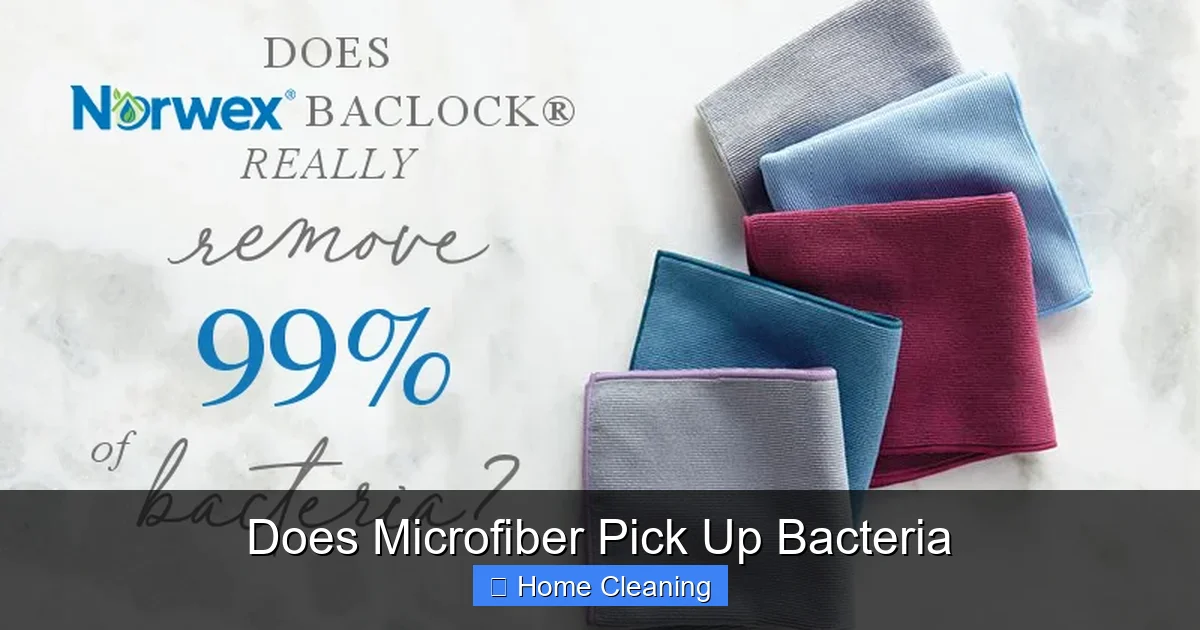
Does Microfiber Pick Up Bacteria
Microfiber does pick up bacteria effectively, trapping up to 99% of germs and dirt in its tiny fibers. However, if not cleaned properly, it can also harbor bacteria over time, reducing its cleaning power. Regular washing and proper care are essential to maintain microfiber’s germ-fighting ability.
Key Takeaways
- Microfiber traps bacteria effectively due to its electrostatic properties and dense fiber structure, making it superior to traditional cloths.
- Improper cleaning leads to bacterial growth in microfiber, especially when left damp or unwashed for long periods.
- Heat and detergent enhance germ removal—using hot water and detergent helps break down and eliminate trapped bacteria.
- Antimicrobial microfiber exists with added treatments to resist bacterial buildup, ideal for kitchens and bathrooms.
- Proper storage prevents contamination—always let microfiber dry completely before storing to avoid mold and bacteria.
- Replacing old microfiber is necessary—worn-out cloths lose their effectiveness and may spread bacteria instead of removing it.
📑 Table of Contents
- Does Microfiber Pick Up Bacteria? The Science and Practical Guide
- How Microfiber Traps Bacteria: The Science Explained
- Can Microfiber Pick Up Bacteria from Surfaces?
- Does Microfiber Grow Bacteria?
- How to Clean Microfiber to Remove Bacteria
- Antimicrobial Microfiber: A Game Changer?
- Practical Tips for Using Microfiber Safely and Effectively
- Conclusion: Microfiber Is a Powerful Germ Fighter—With Proper Care
Does Microfiber Pick Up Bacteria? The Science and Practical Guide
Have you ever wondered if your favorite microfiber cloth is actually doing the job it’s supposed to—especially when it comes to picking up bacteria? With so many cleaning products on the market, it’s natural to question whether microfiber is truly effective at removing germs or if it’s just a marketing gimmick. The truth is, microfiber does pick up bacteria, and science backs up its impressive cleaning power. But like any tool, its effectiveness depends on how you use and care for it.
Microfiber has become a household staple in recent years, praised for its ability to clean without chemicals and leave surfaces streak-free. But beyond its stain-removing abilities, many people are curious about its role in hygiene and germ control. Can a cloth made of synthetic fibers really trap and remove harmful bacteria? And more importantly, how do you keep that cloth from becoming a breeding ground for germs itself? In this article, we’ll dive deep into the science of microfiber and bacteria, explore how to maximize its germ-fighting potential, and provide practical tips to keep your microfiber clean and effective.
How Microfiber Traps Bacteria: The Science Explained
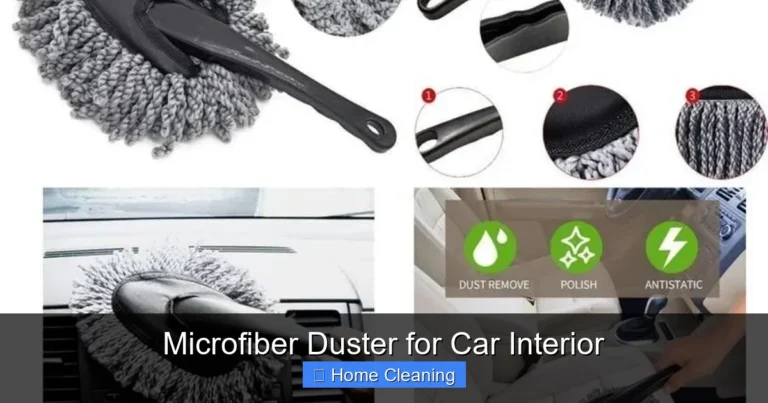
To understand whether microfiber picks up bacteria, we first need to look at how it works. Microfiber is made from ultra-fine synthetic fibers—typically polyester and polyamide (nylon)—that are split into even finer strands. These fibers create a dense, textured surface with a large surface area, allowing microfiber to attract and trap particles like dust, dirt, and bacteria.
Visual guide about Does Microfiber Pick Up Bacteria
Image source: healthyhomecleaning.com
The Role of Electrostatic Charges
One of the key reasons microfiber is so effective at picking up bacteria is its electrostatic properties. When microfiber cloths are manufactured, they are often treated to carry a slight static charge. This charge helps attract small particles, including bacteria, to the cloth’s surface. Think of it like a magnet—except instead of metal, it’s drawing in microscopic germs. This electrostatic attraction is especially useful for cleaning electronics, glass, and other delicate surfaces where traditional wiping might spread bacteria around.
The Fiber Structure and Surface Area
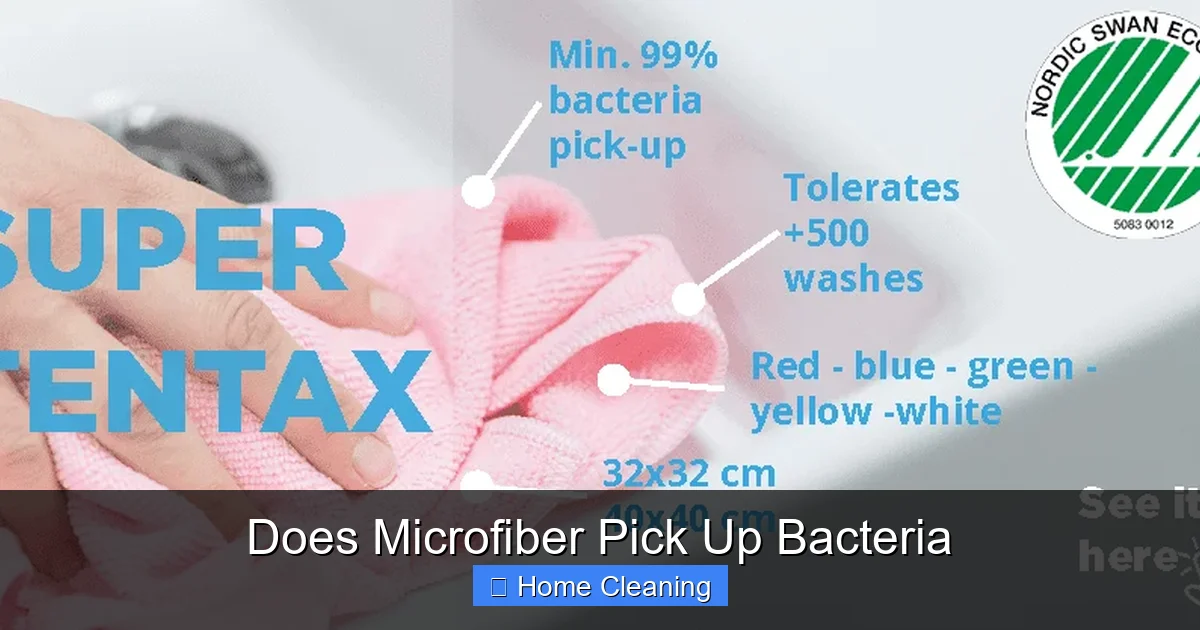
Microfiber’s effectiveness isn’t just about static—it’s also about structure. Each cloth is made up of thousands of tiny fibers that create a complex network. This structure acts like a net, catching particles that other cloths might miss. Studies have shown that microfiber can trap up to 99% of bacteria in a single pass, depending on the surface and cleaning technique.
Comparison with Traditional Cleaning Cloths
Let’s put this into perspective. Traditional cotton towels or sponges often spread bacteria around rather than removing them. When you use a cotton towel to clean a countertop, you might pick up bacteria, but then transfer it to another surface when you wipe it down. Microfiber, on the other hand, holds onto those germs instead of redistributing them. That’s why microfiber is often recommended for use in hospitals, laboratories, and high-traffic areas where hygiene is critical.
Can Microfiber Pick Up Bacteria from Surfaces?
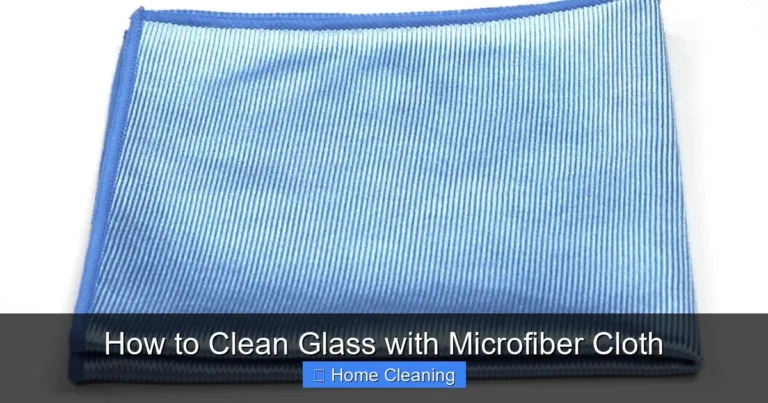
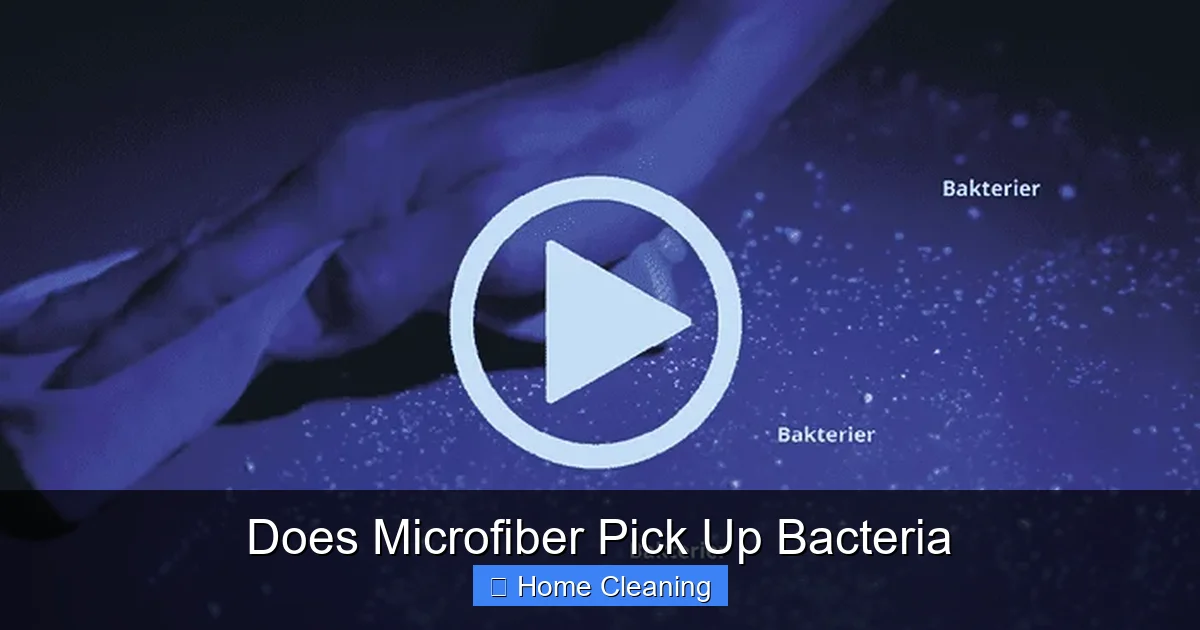
Yes, microfiber is highly effective at picking up bacteria from surfaces. Research conducted in clinical settings has demonstrated that microfiber cloths can remove bacteria from surfaces such as countertops, door handles, and medical equipment. The combination of physical trapping and electrostatic attraction makes microfiber a powerful tool in the fight against germs.
Visual guide about Does Microfiber Pick Up Bacteria
Image source: nordiskmicrofiber.com
Real-World Applications
In hospitals, microfiber is used to clean patient rooms and operating areas because of its ability to remove bacteria without spreading it. Similarly, in food service kitchens, microfiber cloths are preferred for sanitizing surfaces. The cloth’s ability to pick up bacteria means fewer germs are left behind, reducing the risk of cross-contamination.
Limitations and Misconceptions
However, it’s important to note that microfiber picks up bacteria but doesn’t kill them. The cloth traps germs, but unless you wash it properly, those bacteria can remain inside the fibers. This leads to a common misconception: people think that because microfiber removes bacteria, it’s automatically sanitized. Not true. The cloth itself can become contaminated and even spread germs if not cleaned regularly.
Does Microfiber Grow Bacteria?
This is a crucial question: can microfiber grow bacteria? The answer is yes—but only under certain conditions. If microfiber is left damp or unwashed for extended periods, it can become a breeding ground for bacteria, mold, and mildew. This is especially true in humid environments or when the cloth is used to clean up spills and then stored without drying.
Visual guide about Does Microfiber Pick Up Bacteria
Image source: nordiskmicrofiber.com
Why Damp Microfiber Breeds Bacteria
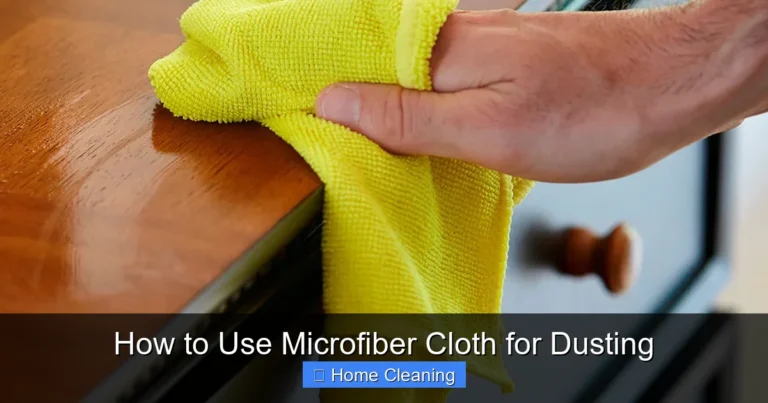
Bacteria thrive in warm, moist environments. When microfiber is damp, it creates the perfect conditions for microbial growth. If you use a microfiber cloth to clean a kitchen counter, then wring it out and leave it in a drawer, the remaining moisture can lead to bacterial colonies. Over time, this can compromise the cloth’s cleaning ability and even pose health risks.
Signs Your Microfiber is Contaminated
How can you tell if your microfiber cloth is harboring bacteria? Look for these signs:
- Persistent unpleasant odor, even after washing
- Visible mold or mildew spots
- Reduced cleaning performance—surfaces still look dirty
- Skin irritation or allergic reactions when using the cloth
If you notice any of these, it’s time to replace or deep-clean your microfiber.
How to Clean Microfiber to Remove Bacteria
To keep your microfiber effective and hygienic, proper cleaning is essential. The good news is that cleaning microfiber is simple and doesn’t require harsh chemicals. Here’s how to do it right:
Washing with Detergent and Hot Water
Wash microfiber cloths in hot water (at least 140°F or 60°C) with a mild detergent. Hot water helps kill bacteria and breaks down oils and residues that can trap germs. Avoid fabric softeners, as they coat the fibers and reduce their ability to pick up dirt and bacteria.
Frequency of Washing
How often should you wash microfiber? It depends on use. For general cleaning, wash after every 2–3 uses. For high-traffic areas like kitchens or bathrooms, wash after each use. If you use microfiber for food prep or medical cleaning, follow stricter hygiene protocols and wash after every use.
Drying and Storage Tips
Always dry microfiber completely before storing. Use a dryer on low heat or air-dry away from direct sunlight. Sunlight can degrade the fibers over time, reducing their effectiveness. Store in a clean, dry place—ideally in a breathable bag or container to prevent moisture buildup.
Deep Cleaning for Stubborn Bacteria
For heavily soiled or smelly microfiber, try a vinegar rinse. Mix one part white vinegar with two parts water and soak the cloth for 30 minutes before washing. Vinegar is a natural disinfectant and helps eliminate odors and bacteria. Alternatively, you can use a small amount of hydrogen peroxide (3%) for extra sanitizing power.
Antimicrobial Microfiber: A Game Changer?
For those who want extra peace of mind, there’s a solution: antimicrobial microfiber. These cloths are treated with special agents—such as silver ions or triclosan—that inhibit bacterial growth on the fabric’s surface. This means that even if the cloth picks up bacteria, those germs are less likely to multiply.
Benefits of Antimicrobial Microfiber
Antimicrobial microfiber is ideal for:
- Kitchen cleaning—where food residues attract bacteria
- Bathroom use—high moisture and organic matter
- Baby care areas—where hygiene is critical
- People with allergies or weakened immune systems
These cloths can extend the life of your microfiber and reduce the need for frequent washing.
Limitations and Concerns
While antimicrobial microfiber sounds like a perfect solution, it’s not without debate. Some studies suggest that long-term use of antimicrobial agents may contribute to antibiotic resistance. Additionally, these treatments can wear off over time, especially with frequent washing. Always follow care instructions and replace cloths as needed.
Practical Tips for Using Microfiber Safely and Effectively
To get the most out of your microfiber and ensure it stays germ-free, follow these practical tips:
Use Separate Cloths for Different Areas
Avoid using the same microfiber cloth for the bathroom and kitchen. Bacteria from toilets can spread to food prep areas if the same cloth is used. Keep a dedicated set for each zone.
Wring Out Cloths After Use
Always wring out microfiber cloths after cleaning to remove excess moisture. This simple step prevents bacterial growth and keeps the cloth ready for the next use.
Replace Worn-Out Cloths
Microfiber loses its effectiveness over time. If your cloths no longer attract dirt or leave streaks, it’s time to replace them. A worn cloth can actually push dirt around instead of picking it up.
Use with Minimal Water
Microfiber works best when damp, not soaking wet. Excess water can reduce its electrostatic charge and make it less effective. Use a spray bottle to lightly mist surfaces before wiping.
Rotate Your Microfiber Sets
Instead of washing every cloth after every use, consider rotating a set of microfiber cloths. For example, use one cloth for cleaning, then let it dry before using it again. This extends the life of your cloths and ensures they’re always ready when needed.
Conclusion: Microfiber Is a Powerful Germ Fighter—With Proper Care
In summary, microfiber does pick up bacteria, and it’s one of the most effective tools for keeping your home clean and hygienic. Thanks to its unique fiber structure and electrostatic properties, it traps up to 99% of germs in a single wipe. But remember—microfiber doesn’t kill bacteria, so cleaning and maintenance are key. If you leave it damp or don’t wash it regularly, you risk letting those germs multiply and spread.
With the right care—hot water, mild detergent, proper drying, and regular rotation—your microfiber can remain a powerful ally in your cleaning routine. Whether you’re cleaning your kitchen, bathroom, or electronics, microfiber offers a chemical-free, efficient way to maintain a healthier home. And for those who want extra protection, antimicrobial microfiber is a smart investment.
So go ahead—trust your microfiber. Just don’t forget to treat it like the essential cleaning tool it is. With a little care, it will keep on picking up bacteria, dust, and dirt, leaving your home spotless and safe.
Frequently Asked Questions
Can microfiber pick up bacteria from surfaces?
Yes, microfiber is highly effective at picking up bacteria from surfaces due to its electrostatic properties and dense fiber structure. It can trap up to 99% of bacteria in a single pass.
Does microfiber cloth kill bacteria or just trap them?
Microfiber traps bacteria but does not kill them. To eliminate germs, you must wash the cloth with hot water and detergent, which breaks down and removes the trapped bacteria.
How often should you wash microfiber cloths?
Wash microfiber after every 2–3 uses for general cleaning. For high-use areas like kitchens or bathrooms, wash after each use to prevent bacterial buildup.
Can you use bleach on microfiber?
It’s not recommended to use bleach on microfiber, as it can damage the fibers and reduce their effectiveness. Use mild detergent and hot water instead.
Are antimicrobial microfiber cloths worth it?
Antimicrobial microfiber can be worth it for high-hygiene areas like kitchens and bathrooms, as it resists bacterial growth. However, they may wear off with frequent washing.
How do you know if your microfiber is contaminated with bacteria?
Signs include a persistent odor, mold or mildew, reduced cleaning performance, or skin irritation. If you notice these, wash the cloth thoroughly or replace it.