Eco Friendly Desk Plants
Bringing nature indoors with eco-friendly desk plants is a simple, powerful way to enhance your workspace. These low-maintenance green companions naturally purify the air, reduce stress, and boost productivity without a heavy environmental footprint. From resilient snake plants to trailing pothos, the right plant can transform your desk into a serene, sustainable sanctuary.
Key Takeaways
- Natural Air Purifiers: Eco-friendly desk plants like the Snake Plant and Peace Lily filter common indoor toxins (VOCs) from the air, creating a healthier breathing environment.
- Thrives on Neglect: Many top eco-friendly choices (ZZ Plant, Cast Iron Plant) are incredibly low-maintenance, requiring minimal water and low light, perfect for busy schedules.
- Sustainable Choice: Opting for plants propagated from cuttings, grown in recycled pots, or purchased from local nurseries reduces your carbon footprint and supports ethical practices.
- Mental Health Boost: The presence of greenery on your desk is proven to lower stress, increase focus, and improve overall mood and well-being.
- Pet-Safe Options Available: Many beneficial desk plants like the Spider Plant and Boston Fern are non-toxic to cats and dogs, ensuring a safe environment for all.
- Water-Wise Champions: Plants like succulents and the Snake Plant are extremely drought-tolerant, promoting responsible water usage in your home.
- Decor with Purpose: Unlike synthetic decor, desk plants are living, evolving decor that connects you to nature and personalizes your space authentically.
📑 Table of Contents
- Why Your Desk Deserves an Eco-Friendly Plant
- Top 5 Eco-Friendly Desk Plants for Any Workspace
- Caring for Your Desk Plant: The Sustainable Way
- Beyond the Pot: Integrating Sustainability into Your Plant Habit
- Design & Placement: Making Your Desk a Green Oasis
- Debunking Common Desk Plant Myths
- Conclusion: Your Sustainable Workspace Awaits
Why Your Desk Deserves an Eco-Friendly Plant
Think about your workspace. It’s probably filled with plastic, metal, and synthetic materials. Now, imagine adding a single, living element that quietly works to improve your air, your focus, and your mood. That’s the magic of an eco-friendly desk plant. It’s not just a decorative trinket; it’s a functional, sustainable partner in your daily grind. In our modern lives, we spend up to 90% of our time indoors, often in spaces with poor air quality. Desk plants act as miniature bio-filters, and choosing eco-friendly varieties means we’re making a choice that’s good for us and the planet.
The term “eco-friendly” here applies to more than just the plant itself. It encompasses the entire lifecycle—how it’s grown, potted, and cared for. A truly sustainable desk plant is one that requires minimal resources (water, fertilizer, energy for growth lights), is often propagated (cloned from a parent plant, reducing the need for new seeds), and is potted in recycled or biodegradable materials. It’s about closing the loop and making a conscious choice that aligns with a greener lifestyle, right from your workstation.
The Hidden Health Hazards of Indoor Air
You might think outdoor pollution is the main concern, but indoor air can be 2-5 times more polluted, according to the EPA. Sources include formaldehyde from furniture and pressed wood, benzene from inks and plastics, and trichloroethylene from paints and adhesives. These volatile organic compounds (VOCs) can cause headaches, dizziness, and respiratory issues. This is where your desk plant becomes a hero. Through the process of phytoremediation, certain plants absorb these toxins through their leaves and roots, breaking them down or storing them, effectively cleaning the air you breathe while you work.
The Psychology of a Single Green Spot
Beyond the physical, there’s a profound psychological effect. Studies in environmental psychology show that even a glimpse of green can restore attention and reduce mental fatigue. This is the Attention Restoration Theory. Your brain’s directed attention (used for focused tasks) gets tired. Natural elements, like a simple desk plant, engage our “involuntary attention” in a effortless way, allowing our directed attention to rest and recover. This leads to fewer errors, more creative problem-solving, and a greater sense of calm throughout the workday. It’s a tiny, low-cost investment in your cognitive resources.
Top 5 Eco-Friendly Desk Plants for Any Workspace
Not all plants are created equal, especially when it comes to desk-duty. The ideal eco-friendly desk plant is tolerant of irregular watering, adaptable to indoor light conditions (often artificial), and non-toxic if you have pets or children. Here are our top picks that excel in these areas while bringing major sustainability points.
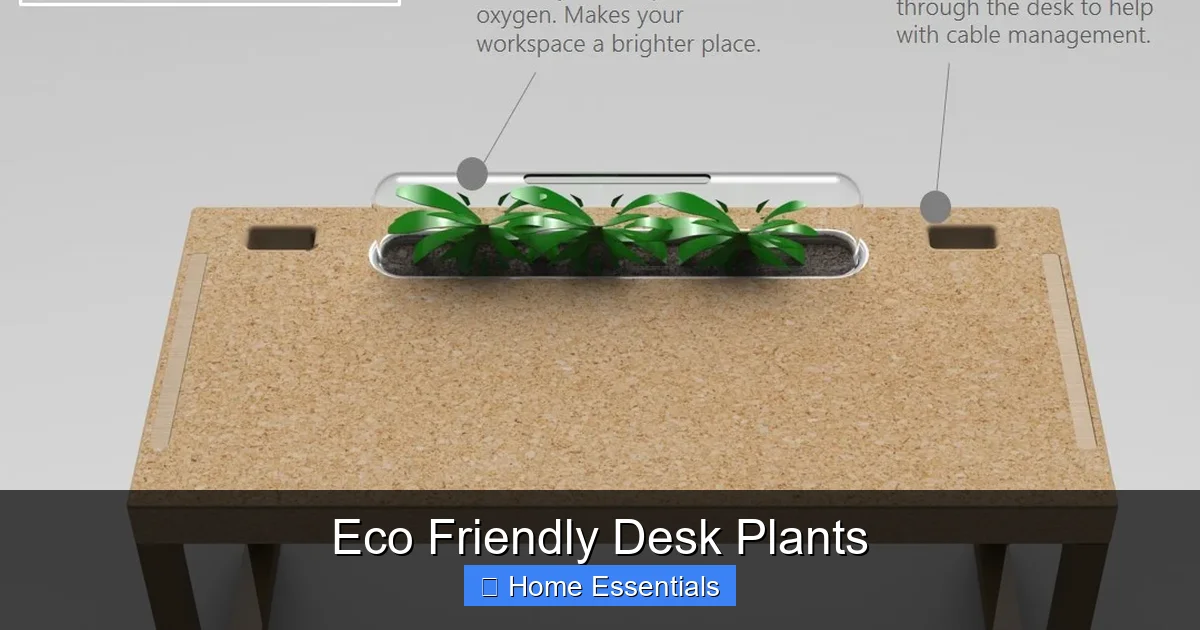
Visual guide about Eco Friendly Desk Plants
Image source: mir-s3-cdn-cf.behance.net
1. The Indestructible Snake Plant (Sansevieria)
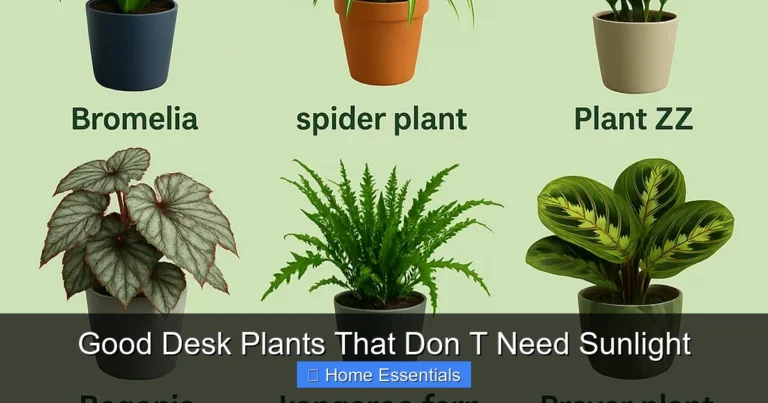
If you have a black thumb, meet your new best friend. The Snake Plant is the undisputed champion of low-maintenance. It thrives on neglect, needing water only once every few weeks and tolerating low, indirect light to bright, direct sun. Its architectural, upright leaves make a bold statement without taking up much desk real estate. NASA’s clean air study famously highlighted its ability to remove formaldehyde, benzene, xylene, and trichloroethylene. It’s a water-wise champion, storing moisture in its leaves, making it perfect for the eco-conscious who want to conserve. Look for varieties like ‘Laurentii’ or the more compact ‘Futura Superba’.
2. The Resilient ZZ Plant (Zamioculcas zamiifolia)
The ZZ Plant is another titan of survival. Its glossy, dark green leaves grow on graceful, arching stems. It’s incredibly tolerant of low light and erratic watering—it stores water in potato-like rhizomes underground, so overwatering is its true enemy, not drought. This makes it a fantastic water-conserver. It’s also a champion at removing toxins like toluene and xylene from the air. Its slow, steady growth means you won’t be constantly pruning. For an eco-friendly touch, seek out ZZs potted in recycled ceramic or upcycled containers.
3. The Versatile Pothos (Epipremnum aureum)
Pothos is the classic trailing vine, and for good reason. It’s almost impossible to kill, growing vigorously in low to bright indirect light. Its heart-shaped leaves, often variegated with gold or white, create a beautiful cascade. It’s a phenomenal air purifier, targeting formaldehyde, benzene, and carbon monoxide. One of the most eco-friendly aspects of pothos is how easily it propagates. Simply cut a stem with a few leaves and root it in water—you’ve just created a new plant for free, reducing consumption and waste. It’s the gift that keeps on giving.
4. The Air-Purifying Peace Lily (Spathiphyllum)
For those who want a flowering plant, the Peace Lily is a stunning choice. It produces elegant white “flowers” (actually spathes) and has rich, dark foliage. It’s one of the best plants for removing all three major VOCs: formaldehyde, benzene, and trichloroethylene. It’s also a natural humidity indicator—its leaves will droop dramatically when thirsty, making watering foolproof. It prefers low to medium light and only needs water when the leaves droop. Important note: Peace Lilies are toxic to pets if ingested, so keep them out of reach. Opt for a smaller variety like ‘Mauna Loa’ for a desk.
5. The Pet-Safe Spider Plant (Chlorophytum comosum)
If you share your space with curious cats or dogs, the Spider Plant is a must. Completely non-toxic, it’s safe even if nibbled. It produces arching leaves and tiny white flowers, eventually sending out “babies” on long stems—perfect for propagating and sharing. It’s a fast grower and excellent at removing formaldehyde and xylene. It thrives in bright, indirect light but is quite adaptable. Its grassy, fountain-like shape adds a soft, dynamic element to your desk setup. It’s a prolific, sustainable grower that you can easily multiply.
Caring for Your Desk Plant: The Sustainable Way
Plant care is where the “eco-friendly” part becomes a daily practice. It’s not just about having a plant; it’s about nurturing it in a way that minimizes resource use and waste. Sustainable care is often simpler care—working with nature, not against it.
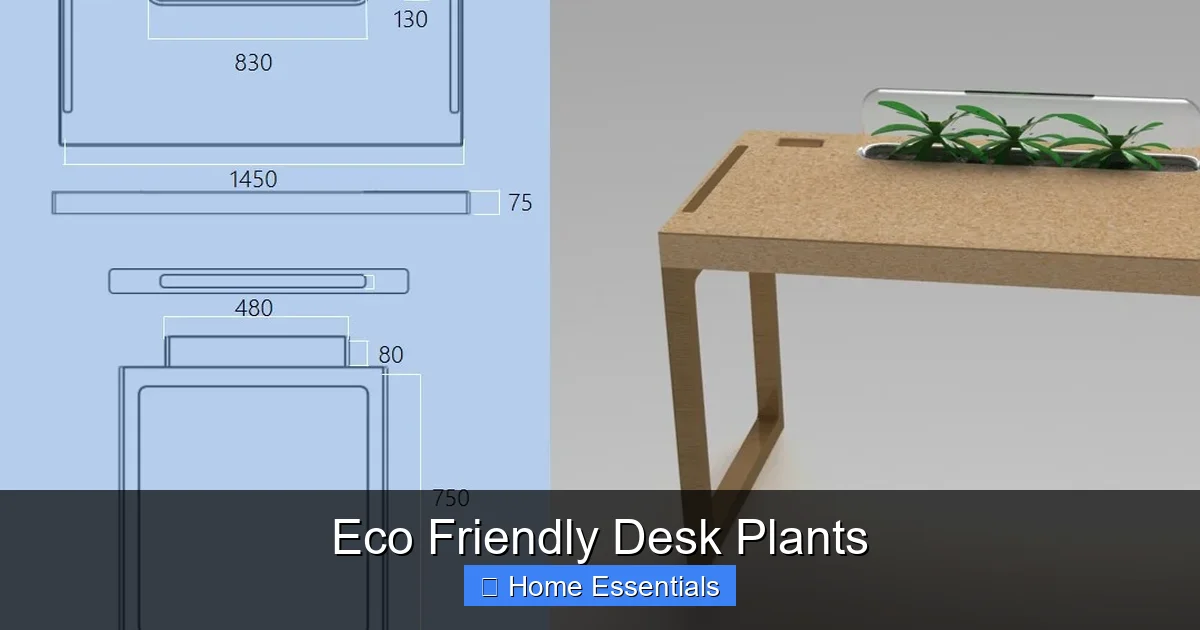
Visual guide about Eco Friendly Desk Plants
Image source: mir-s3-cdn-cf.behance.net
Water Wisdom: Less is More
The number one killer of desk plants is overwatering. It leads to root rot and wasted water. Adopt a “soak and dry” method. Water thoroughly until it runs out the drainage hole, then let the soil dry out completely before watering again. For most low-light desk plants, this could mean watering every 2-4 weeks. Use a moisture meter or your finger to check the soil an inch down. Collect rainwater for your plants if possible. Never let your plant sit in a saucer full of water.
Light: Understanding Your Plant’s Needs
Light is plant food. Match the plant to your light. A north-facing window or artificial office light? Go for a Snake Plant, ZZ, or Pothos. A bright east or west-facing window? Your Peace Lily or Spider Plant will thrive. Rotate your plant a quarter turn each week to ensure even growth. If you have no natural light, consider a small, energy-efficient LED grow light on a timer, but many of our top picks will survive on standard office fluorescents.
Feeding and Soil: Keep It Simple and Clean
Desk plants in small pots have limited soil and nutrient reserves. During the growing season (spring and summer), use a balanced, water-soluble organic fertilizer at half-strength, just once a month. No need for more. In fall and winter, stop fertilizing entirely. When repotting (every 1-2 years), choose a high-quality, organic potting mix. You can even make your own by blending coconut coir (a peat moss alternative), compost, and perlite for drainage. Avoid synthetic soils and chemical fertilizers that can harm soil microbes and leach into waterways.
Pest Management: Natural First
Indoor plants can occasionally attract pests like spider mites or mealybugs. The eco-friendly approach is always physical and natural first. Wipe leaves regularly with a damp cloth to dust them (they breathe through their leaves) and deter pests. If you see an infestation, spray with a strong jet of water, or use a neem oil solution or insecticidal soap. Isolate the affected plant immediately to prevent spread. Avoid systemic chemical pesticides, which are harmful to beneficial insects and your indoor air quality.
Beyond the Pot: Integrating Sustainability into Your Plant Habit
Your commitment to eco-friendly desk plants can extend far beyond the plant itself. It’s about the ecosystem of choices you make around it, from the pot it lives in to how you dispose of its waste.
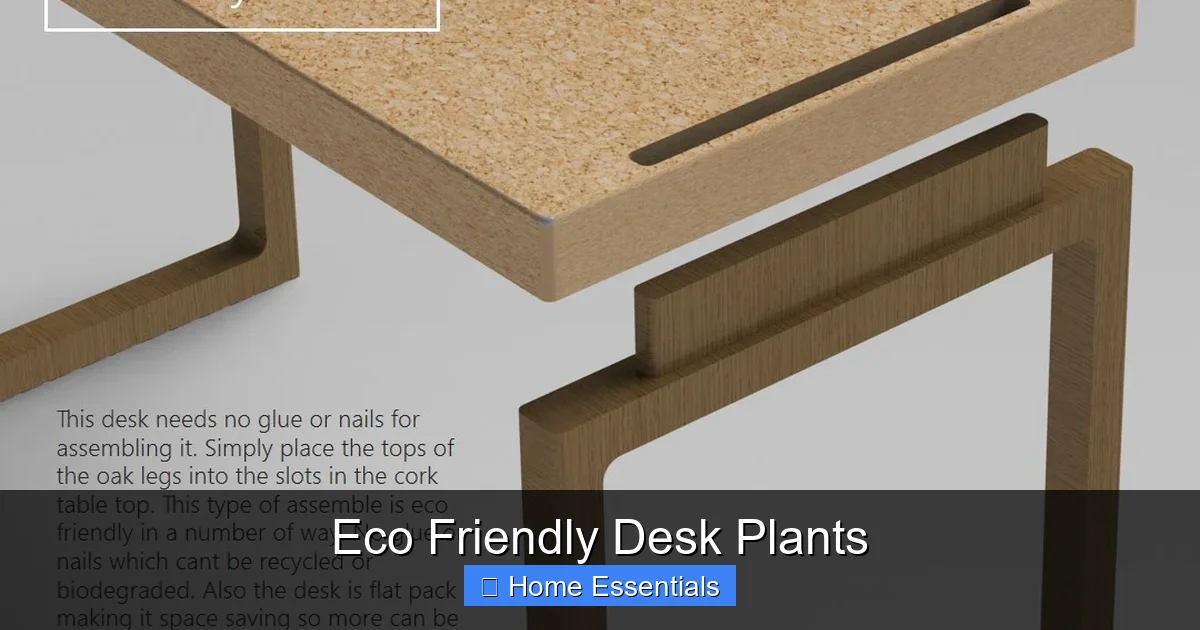
Visual guide about Eco Friendly Desk Plants
Image source: mir-s3-cdn-cf.behance.net
Choosing the Right Pot: Reuse, Recycle, Upcycle
The pot is a major source of plastic waste. Instead of buying new plastic pots, get creative. Thoroughly clean and drill drainage holes in glass jars, tin cans, or ceramic mugs. Shop for pots made from recycled plastic, bamboo, coir, or biodegradable materials like rice hulls. Terracotta is a natural, porous option but is heavier and can dry out soil faster. Always ensure your pot has a drainage hole, or use it as a cachepot (a decorative outer pot) with a nursery pot inside.
Propagation: The Ultimate Act of Sustainability
Propagation is the process of creating new plants from existing ones. It’s free, reduces demand for commercially grown plants (which often involve plastic pots, peat mining, and long transport miles), and is deeply satisfying. Pothos, Spider Plants, Snake Plants, and ZZ Plants are incredibly easy to propagate. You can root cuttings in water or directly in soil. Share your propagations with friends and colleagues, starting a little green network. It’s the circular economy in action on your desktop.
End-of-Life Composting
What happens when a leaf dies or, knock on wood, the whole plant doesn’t make it? Don’t just toss it in the landfill. Healthy plant material is fantastic “brown” material (carbon) for a compost pile. If you don’t compost at home, see if a local community garden or farmers market accepts plant waste. Diseased plants should be disposed of in the trash to prevent spreading pathogens, but healthy trimmings are a resource. This closes the loop, returning nutrients to the soil to grow future plants.
Design & Placement: Making Your Desk a Green Oasis
A single plant is great, but a thoughtfully arranged mini-jungle can transform your entire desk’s energy and function. Design is about aesthetics and practicality.
Size and Scale: Right Plant, Right Spot
Consider your desk’s footprint. A large floor plant like a mature Snake Plant might overwhelm a small writing desk. Opt for a small 4″ pot of Pothos or a single ZZ leaf in a tiny pot. For a large L-shaped desk, you can create a “desk garden” with a few pots of varying heights and textures. Use plant stands or stacks of books to create visual interest and group plants with similar light and water needs together. The goal is to enhance your workspace, not clutter it.
Theming Your Green Space
Think about the vibe you want. For a sleek, modern desk, go architectural with a Snake Plant in a simple concrete pot. For a bohemian feel, mix a Spider Plant with a trailing Philodendron in woven baskets. For a minimalist look, a single ZZ Plant in a white ceramic pot is perfect. Choose pot colors that complement your existing desk accessories. Remember, the plants themselves provide color and texture—the deep greens, variegations, and interesting leaf shapes are your decor.
Placement for Maximum Benefit
Place plants where you’ll see them. Directly in your line of sight when you look up from your screen is ideal. A plant to your left or right within your peripheral vision also provides that restorative glance. Avoid placing plants where they’ll be in the way of your keyboard or mouse. If you have a shelf behind your monitor, a trailing plant can soften the hard lines of tech. A small plant on a filing cabinet or beside your phone adds greenery without consuming prime workspace.
Debunking Common Desk Plant Myths
Let’s clear the air. There are some persistent myths that prevent people from enjoying the benefits of desk plants.
Myth: Plants in the Bedroom Steal Oxygen at Night
This is a gross exaggeration. While some plants (like Snake Plants and Succulents) perform Crassulacean Acid Metabolism and take in a tiny amount of oxygen at night, the amount is so negligible it’s virtually undetectable and poses no risk to humans. In fact, the air-purifying benefits far outweigh any minuscule nighttime oxygen consumption. You can safely have a Peace Lily or Snake Plant in your bedroom or home office with no issues.
Myth: You Need a Green Thumb
This is the biggest barrier. The plants listed here are chosen specifically for their resilience. They are adapted to survive in harsh, competitive environments in the wild. Your climate-controlled office is a breeze for them. The key is to under-care, not over-care. Forget to water? They’ll likely be fine. Water too much? That’s the problem. Start with a Snake Plant or ZZ Plant. Success with one builds confidence for the next.
Myth: Desk Plants Are High-Maintenance Decor
This couldn’t be further from the truth for the right species. The weekly chore of watering a few plants takes less than 5 minutes. The occasional wipe-down of leaves is a pleasant, mindful break. Compared to the maintenance of other decor (dusting figurines, polishing metal, replacing fake flowers), living plants are relatively hands-off. They reward you with growth and health, making the minimal effort feel worthwhile.
Conclusion: Your Sustainable Workspace Awaits
Incorporating eco-friendly desk plants into your home office is one of the most holistic upgrades you can make. It’s a small act with a big ripple effect. You’re directly improving the air you breathe for hours each day, giving your brain a natural reset button, and adding a touch of vibrant, living beauty to your space. By choosing resilient, low-resource plants and caring for them sustainably, you’re aligning your personal well-being with planetary health. You’re voting with your dollar for a greener horticulture industry and reducing waste through propagation and smart potting choices.
Start small. A single, hardy Snake Plant in a recycled pot is a perfect first step. Learn its rhythms. Watch it thrive on your neglect. Then, maybe add a trailing Pothos you propagated from a friend’s cutting. Build your own little ecosystem. Your desk isn’t just a place to work; it’s a place to live well, even for eight hours a day. Let a piece of nature help you do it. Go ahead, green your desk. Your mind, your lungs, and the planet will thank you.
Frequently Asked Questions
What is the absolute easiest eco-friendly desk plant for a beginner?
The Snake Plant (Sansevieria) is the gold standard. It tolerates very low light, needs water only once a month or so, and is nearly impossible to kill. It’s also a top air purifier, making it the perfect, no-fuss starter plant.
How often should I water my desk plants?
Always check the soil first. For most low-light desk plants like ZZ or Snake Plants, water only when the soil is completely dry, typically every 2-4 weeks. For plants like Pothos or Spider Plants, water when the top inch of soil is dry. The motto is “soak thoroughly, then let dry out completely.”
Are all desk plants safe for cats and dogs?
No. While many are, some common ones like Peace Lily, Pothos, and Snake Plant are toxic if ingested. Always check the ASPCA’s plant database. Excellent pet-safe options include Spider Plant, Boston Fern, and African Violet.
Can desk plants really improve air quality in my office?
Yes, but with a caveat. A single plant has a limited effect in a large room. However, multiple plants in your immediate personal space (your desk area) can significantly reduce VOC concentrations and increase humidity around you, creating a localized microclimate of cleaner air.
What kind of soil is best for an eco-friendly desk plant?
Use a high-quality, organic potting mix that is well-draining. You can make your own sustainable mix with coconut coir (a peat-free alternative), compost or worm castings for nutrients, and perlite or pumice for drainage. Avoid heavy, dense garden soil.
How do I propagate my desk plants to make more?
For trailing plants like Pothos or Philodendron, cut a stem with 2-3 leaves and place it in water until roots grow (1-2 weeks), then pot in soil. For Snake Plants, divide the rhizome (underground stem) when repotting. For Spider Plants, snip off the little “babies” and pot them directly. Propagation is free, easy, and the most sustainable way to grow your collection.