Electrostatic Duster Vs Microfiber
When it comes to cleaning, choosing the right tool can make all the difference. Electrostatic dusters attract more dust and allergens, while microfiber cloths trap dirt effectively. Both have unique strengths—knowing when and how to use each will help you maintain a cleaner, healthier home.
Key Takeaways
- Electrostatic dusters use static electricity to attract and trap dust, making them ideal for electronics and high surfaces.
- Microfiber cloths physically capture dirt and dust with their ultra-fine fibers, great for wiping and polishing.
- Electrostatic dusters are reusable and require no cleaning, but may lose effectiveness over time.
- Microfiber needs regular washing to maintain performance, but can be washed and reused hundreds of times.
- Microfiber is better for detailed cleaning and hard surfaces, while electrostatic dusters excel at reaching and cleaning vertical areas.
- Cost and environmental impact differ: microfiber has higher upfront cost but lasts longer; electrostatic dusters are cheaper but may need frequent replacement.
- Both tools reduce allergen spread when used correctly, but microfiber is superior for trapping pet dander and fine particles.
📑 Table of Contents
- Introduction: The Dust-Busting Duel
- What Is an Electrostatic Duster?
- What Is Microfiber?
- Electrostatic Duster Vs Microfiber: Performance Comparison
- Pros and Cons: Electrostatic Duster
- Pros and Cons: Microfiber
- Cost and Environmental Impact
- How to Choose Between Electrostatic Duster and Microfiber
- Conclusion: Make the Right Choice for a Cleaner Home
Introduction: The Dust-Busting Duel
We’ve all been there—standing in the corner of a room, trying to clean a high shelf or a dusty computer monitor, and feeling like no matter how hard you try, the dust just won’t budge. You reach for your go-to cleaning tool, but which one really works best? Is it the feathery reach of an electrostatic duster, or the soft, lint-free touch of microfiber?
This is the classic Electrostatic Duster Vs Microfiber showdown. Both are staples in modern home cleaning, but they work in completely different ways. One relies on science—static electricity—to pull in particles. The other depends on advanced fiber technology to trap and hold dirt. Understanding the strengths and weaknesses of each can save you time, money, and frustration. In this article, we’ll break down how each tool performs, where they shine, and when you should reach for one over the other. By the end, you’ll know exactly which cleaning side you’re on.
What Is an Electrostatic Duster?
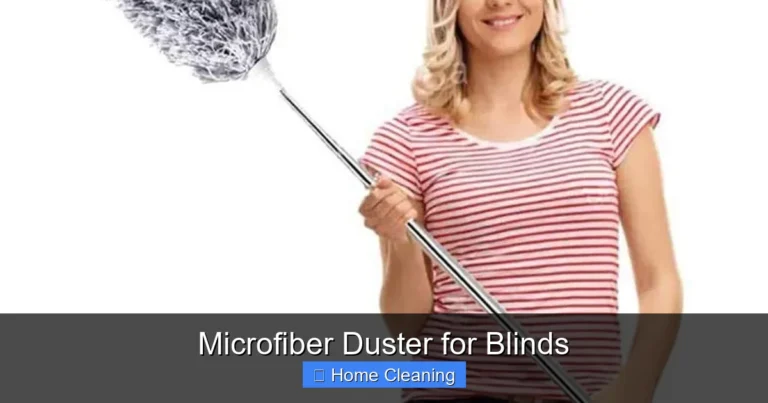
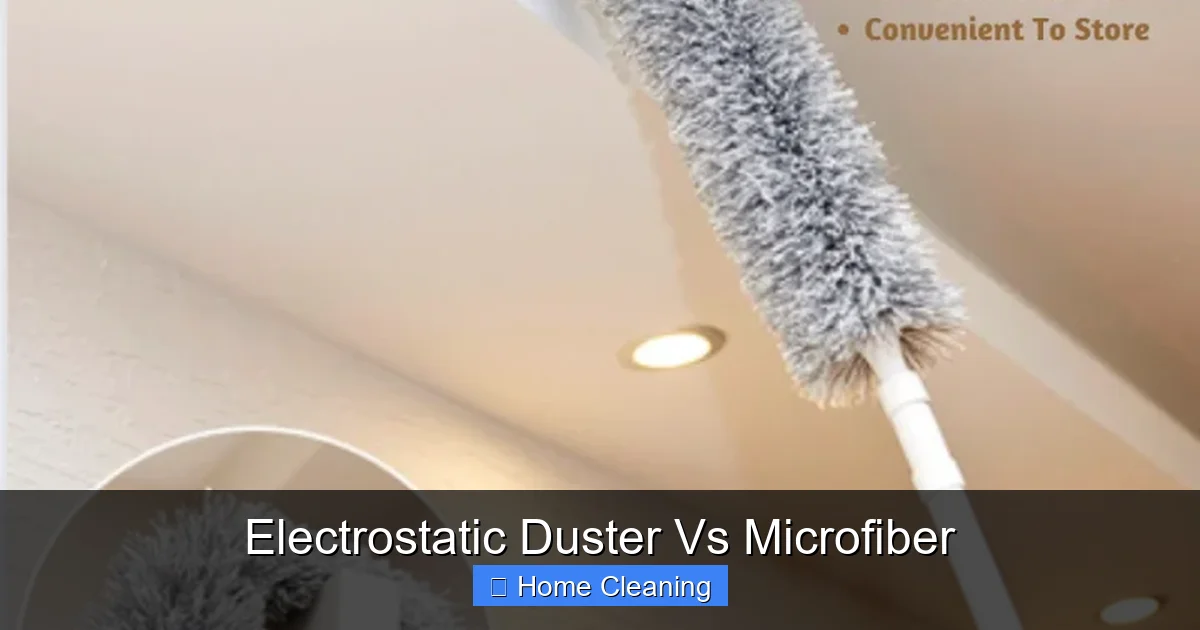
An electrostatic duster is a cleaning tool designed to attract and collect dust using static electricity. Most commonly made from a lightweight pole with a fluffy head of synthetic fibers, it’s especially useful for cleaning hard-to-reach areas like ceiling fans, air vents, and the tops of bookshelves. The key feature is the static charge generated when you rub the duster against fabric or simply move it through the air.
Visual guide about Electrostatic Duster Vs Microfiber
Image source: img.lazcdn.com
How Electrostatic Dusters Work
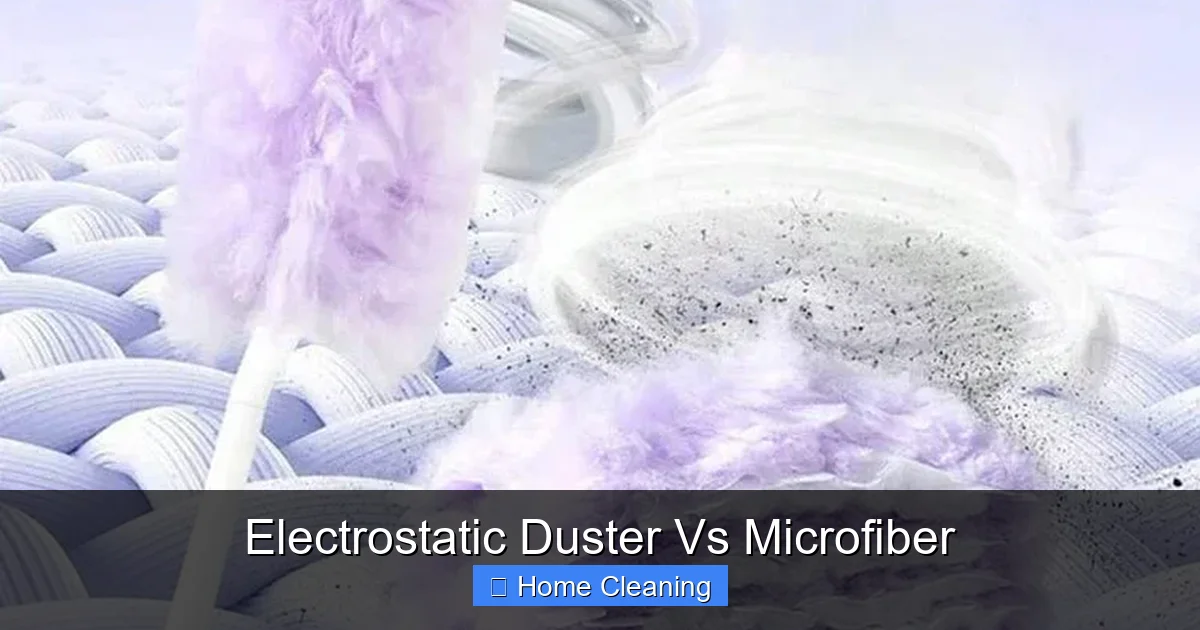
Static electricity is the imbalance of electric charges on the surface of materials. When you rub the duster’s fibers against your clothing or simply drag it across a surface, electrons are transferred, giving the fibers a negative charge. This charge attracts neutral dust particles, which are then held in place—even when the duster is lifted away. Think of it like a magnet, but for dust.
This principle is especially effective on dry, light particles like dust and pet hair. Because the duster doesn’t need to physically touch the surface to collect debris, it can clean without disturbing the dust into the air. That makes it ideal for quick cleanups in sensitive areas like electronics or delicate surfaces.
Types of Electrostatic Dusters
- Reusable Pole Dusters: Made with washable or replaceable heads, these are great for long-term use. You can remove the head, shake it out, and reuse it.
- Disposable Dusting Wands: Often used for one-time tasks, these are lightweight and convenient but end up in the trash after use.
- Electric or Battery-Powered Dusters: These use a small motor to generate static charge, offering stronger suction-like effects for stubborn dust.
Each type has its place. For example, a reusable pole duster is perfect for weekly cleaning, while a disposable wand might be better for moving furniture or cleaning after a big project.
Best Uses for Electrostatic Dusters
- High or Hard-to-Reach Areas: Ceiling fans, light fixtures, and top shelves are no match for a long-handled duster.
- Electronics: Dusting keyboards, TVs, and computer monitors without touching sensitive screens.
- Air Vents and HVAC Systems: Removing buildup without spreading dust into your living space.
- Furniture and Decor: Gently cleaning lampshades, picture frames, and decorative objects.
One of the biggest advantages is that electrostatic dusters don’t require any cleaning solution—just a quick shake or wipe. This makes them ideal for quick touch-ups between deeper cleanings.
What Is Microfiber?
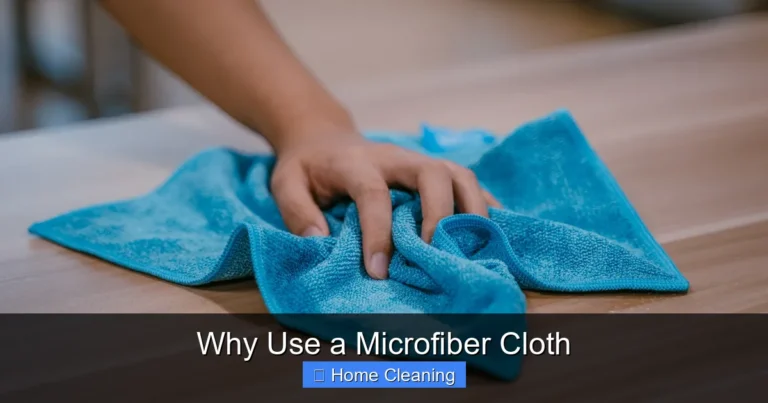
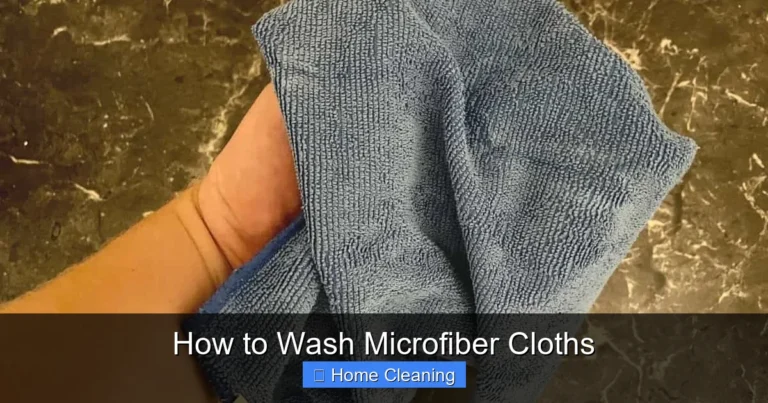
Microfiber is a synthetic fabric made from polyester and polyamide (nylon) fibers, twisted together to create a material that’s incredibly fine—about 1/100th the diameter of a human hair. This ultra-fine structure gives microfiber its legendary cleaning power. Unlike traditional cloths that just spread dust around, microfiber traps dirt, dust, and moisture deep within its fibers.
Visual guide about Electrostatic Duster Vs Microfiber
Image source: images.nexusapp.co
How Microfiber Works
Microfiber’s cleaning ability comes from three main factors:
- Friction: The fibers create friction that lifts dirt from surfaces.
- Capturing Power: The tiny spaces between fibers act like a net, trapping particles instead of releasing them back into the air.
- Absorption: Microfiber can absorb up to seven times its weight in water, making it perfect for damp wiping.
When used dry, microfiber is excellent for dusting. When dampened with water or a cleaning solution, it becomes a powerful cleaning tool for floors, glass, and countertops. The key is using the right type of microfiber—some are designed for dusting, others for scrubbing or polishing.
Types of Microfiber Products
- Dusting Cloths: Lightweight and lint-free, ideal for furniture and electronics.
- Floor Mops: Often paired with a handle or machine for sweeping and mopping.
- Detail Spray Pads: Small pads attached to handles for precision cleaning.
- Microfiber Towels: Thicker and more absorbent, used for drying and polishing.
Microfiber is available in many forms—cloths, mops, even vacuum attachments. The best part? Most are machine washable and can last for hundreds of uses if cared for properly.
Best Uses for Microfiber
- Hard Surfaces: Kitchen counters, bathroom tiles, and stainless steel appliances.
- Glass and Mirrors: Leaves streaks behind? Not with high-quality microfiber.
- Furniture: Dusting wood, leather, and upholstery without scratching.
- Electronics: Safely cleaning screens and devices with minimal pressure.
- Floor Cleaning: Especially effective when paired with a mop or vacuum.
Microfiber is also great for people with allergies. Because it traps rather than stirs up dust, it reduces airborne particles—making your home cleaner and healthier.
Electrostatic Duster Vs Microfiber: Performance Comparison
Now comes the moment of truth: how do these two cleaning powerhouses stack up against each other? Let’s break down their performance across key areas.
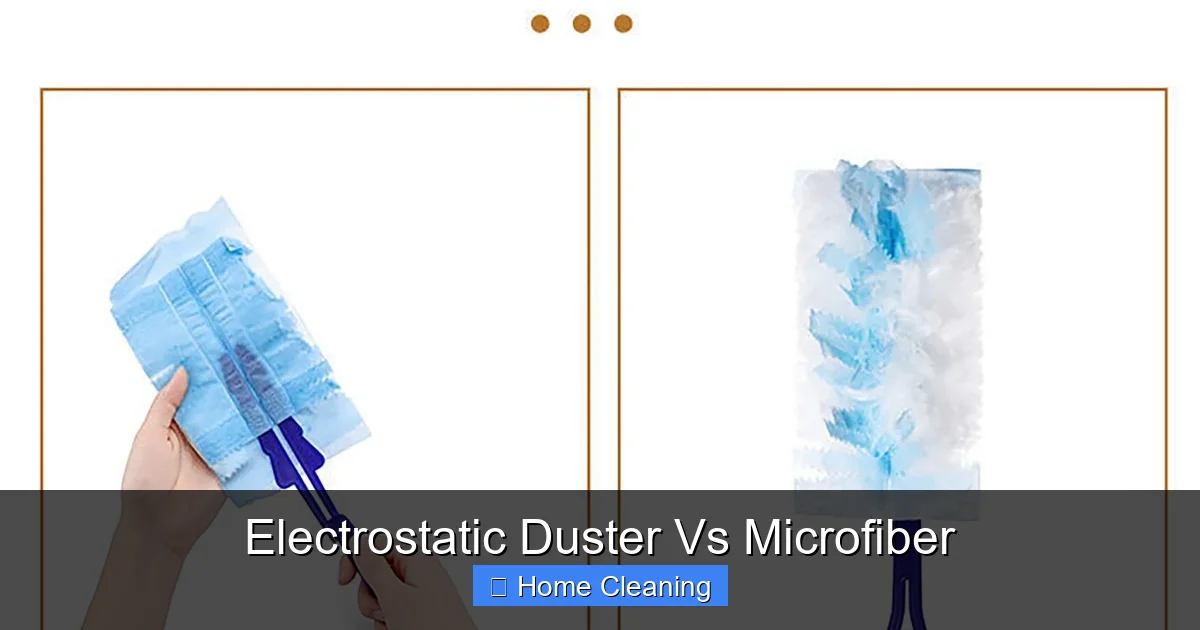
Visual guide about Electrostatic Duster Vs Microfiber
Image source: images.nexusapp.co
Dust Removal Efficiency
When it comes to catching dust, both tools are effective—but in different ways. Electrostatic dusters excel at attracting light particles through static charge, making them great for quick dust removal from vertical surfaces. However, microfiber actually captures more dust overall because its fibers physically trap particles.
In side-by-side tests, microfiber cloths have been shown to remove up to 90% of dust from surfaces, while electrostatic dusters remove about 70–80%. The difference becomes even more noticeable on flat, horizontal surfaces where contact is necessary.
Effectiveness on Different Surfaces
- Electronics: Electrostatic dusters win for non-contact cleaning of screens and keyboards. Microfiber is also safe but requires gentle pressure.
- Furniture: Microfiber is better for dusting wood and upholstery because it can be used damp or dry and doesn’t leave behind loose fibers.
- Hard Floors: Microfiber mops or cloths outperform dusters here—they can clean, buff, and dry in one motion.
- High Areas: Electrostatic dusters have the edge with their long reach and ability to clean without touching the surface.
Allergen and Particle Capture
For people with allergies or asthma, particle capture is critical. Microfiber is superior because it traps allergens like pet dander, pollen, and dust mites deep within its fibers. Electrostatic dusters can attract these particles, but they may release them when the duster is shaken or used on multiple surfaces.
Studies show that microfiber reduces allergen levels in homes by up to 80%, making it a top choice for allergy sufferers.
Longevity and Reusability
Electrostatic dusters are often single-use or require frequent replacement. Once the static charge diminishes, they become less effective. Some reusable models exist, but their performance drops over time.
Microfiber, on the other hand, can be washed and reused hundreds of times. With proper care—washing in warm water, avoiding fabric softeners, and air-drying—a single microfiber cloth can last over a year.
Pros and Cons: Electrostatic Duster
Every tool has its strengths and weaknesses. Let’s look at what makes electrostatic dusters a favorite—and where they fall short.
Advantages of Electrostatic Dusters
- No Cleaning Needed: You can use them over and over without washing.
- Reaches High Areas: The pole design makes cleaning ceilings and fans easy.
- Gentle on Surfaces: No risk of scratching delicate items.
- Quick and Easy: Perfect for fast touch-ups between deep cleans.
- Effective on Dry Dust: Especially good for light, airborne particles.
Disadvantages of Electrostatic Dusters
- Loses Static Over Time: Performance decreases with repeated use.
- Can Spread Dust: If not used carefully, particles may be redistributed.
- Limited to Dry Use: Not effective for sticky or wet messes.
- Less Effective on Flat Surfaces: Requires contact to work well.
- May Need Replacement: Disposable models contribute to waste.
Pros and Cons: Microfiber
Microfiber is a powerhouse, but it’s not perfect. Here’s a balanced look at its benefits and drawbacks.
Advantages of Microfiber
- Highly Effective at Trapping Dirt: Removes more particles than traditional cloths.
- Versatile: Can be used dry, damp, or with cleaning solutions.
- Reusable and Eco-Friendly: Reduces the need for paper towels and sprays.
- Gentle on Surfaces: Safe for electronics, glass, and painted walls.
- Better for Allergens: Traps dust, dander, and pollen effectively.
Disadvantages of Microfiber
- Needs Regular Washing: Must be cleaned to maintain performance.
- Can Leave Fibers: Low-quality microfiber may shed threads.
- Not Ideal for High Areas: Requires a separate tool or ladder for ceiling cleaning.
- Initial Cost: Higher quality microfiber can be more expensive upfront.
- Wear and Tear: Over time, fibers can break down and lose effectiveness.
Cost and Environmental Impact
When choosing a cleaning tool, cost and sustainability matter. Let’s compare the two in these areas.
Upfront Cost
Electrostatic dusters are generally cheaper—often under $10 for a disposable model. Even reusable ones are usually under $20. Microfiber cloths can range from $5 to $25, depending on quality and size. While the initial investment is higher, microfiber pays off over time.
Long-Term Value
Microfiber offers better long-term value. A high-quality microfiber cloth can last over a year with proper care, cleaning hundreds of times. Electrostatic dusters, especially disposable ones, need to be replaced frequently—adding up in cost over time.
Environmental Impact
Disposable electrostatic dusters contribute to plastic waste. Even reusable models may use synthetic materials that don’t biodegrade easily. Microfiber, while also synthetic, is reusable and reduces the need for paper towels, sprays, and other disposable cleaners.
To minimize environmental impact, choose machine-washable microfiber and avoid single-use dusters. Look for brands that use recycled materials or offer recycling programs.
How to Choose Between Electrostatic Duster and Microfiber
So, which should you buy? The answer depends on your cleaning needs, lifestyle, and preferences.
Ask Yourself These Questions:
- Do you need to clean high or hard-to-reach areas? → Electrostatic duster.
- Are you dealing with allergens or fine particles? → Microfiber.
- Do you prefer low-maintenance tools? → Electrostatic duster.
- Are you willing to invest in a long-lasting solution? → Microfiber.
- Do you clean electronics often? → Both work, but microfiber is safer for screens.
- Do you have pets or children? → Microfiber is better for trapping pet hair and dander.
Hybrid Approach: The Best of Both Worlds
Many cleaning experts recommend using both tools together. Use an electrostatic duster for quick dusting of high areas and electronics, then follow up with a microfiber cloth for detailed cleaning and surface wiping. This combo ensures you don’t miss any spots and keeps your home consistently clean.
Tips for Maximum Effectiveness
- For Electrostatic Dusters: Rub the duster against your clothing before use to boost static charge.
- For Microfiber: Use different colors for different rooms (e.g., one for the kitchen, one for the bathroom) to avoid cross-contamination.
- Wash Microfiber Monthly: Even if it looks clean, oils and dirt build up over time.
- Replace Electrostatic Heads: If performance drops, it’s time for a new head.
Conclusion: Make the Right Choice for a Cleaner Home
There’s no one-size-fits-all answer in the Electrostatic Duster Vs Microfiber debate. Both tools have unique strengths and are valuable in different cleaning scenarios. Electrostatic dusters are perfect for quick, non-contact cleaning of high or delicate areas, while microfiber excels at trapping dirt and allergens on surfaces that require direct contact.
For the best results, consider using both. Keep an electrostatic duster in your cleaning kit for those hard-to-reach spots and fast touch-ups, and stock up on high-quality microfiber cloths for detailed cleaning and surface maintenance. Together, they form a powerful duo that keeps your home clean, healthy, and dust-free.
Remember: the right tool isn’t always the most expensive—it’s the one that fits your cleaning routine and lifestyle. Whether you choose one or both, regular use and proper care will ensure your tools last longer and perform better. Happy cleaning!
Frequently Asked Questions
Which is better for cleaning electronics: electrostatic duster or microfiber?
Both are safe, but microfiber is often preferred for electronics because it allows gentle contact and traps dust effectively. Electrostatic dusters are great for non-contact cleaning, especially on screens.
Can I use microfiber and electrostatic dusters together?
Absolutely! Use the electrostatic duster for high or hard-to-reach areas, then follow up with microfiber for detailed cleaning and surface wiping.
How often should I wash my microfiber cloths?
Wash microfiber cloths after every 3–5 uses or at least once a month. Avoid fabric softeners, which reduce their effectiveness.
Do electrostatic dusters work on sticky surfaces?
No, electrostatic dusters are only effective on dry dust. For sticky or wet messes, use a damp microfiber cloth or cleaning solution.
Are microfiber cloths reusable?
Yes, high-quality microfiber cloths can be washed and reused hundreds of times with proper care.
Which is more eco-friendly: electrostatic duster or microfiber?
Microfiber is generally more eco-friendly because it’s reusable and reduces the need for disposable cleaners. Choose reusable electrostatic dusters when possible.