Eye Protection Desk Lamp
An Eye Protection Desk Lamp is specifically engineered to minimize eye strain, headaches, and fatigue caused by poor lighting. Unlike standard lamps, it uses advanced flicker-free LEDs and adjustable color temperatures to mimic natural daylight, creating a comfortable visual environment for prolonged work or study. Investing in one is a simple yet powerful step to protect your long-term eye health and enhance daily productivity.
Key Takeaways
- Flicker-Free Technology is Non-Negotiable: The core of eye protection is eliminating invisible LED flicker, which causes eye muscle fatigue and headaches even if you don’t consciously notice it.
- Adjustable Color Temperature is Key: The ability to shift from warm (yellow) to cool (blue-white) light allows you to match the lamp’s output to the time of day and task, supporting your natural circadian rhythm.
- Proper Brightness (Lumens) and Positioning Matter: A lamp must be bright enough (300-500+ lumens for tasks) but not glaring, and positioned correctly to avoid shadows and screen glare.
- Low Blue Light Emission Reduces Digital Strain: Many protective lamps offer modes that reduce high-energy blue light wavelengths, which are linked to eye fatigue and sleep disruption.
- It’s a Long-Term Health Investment: Consistent use reduces the cumulative stress on your visual system, potentially preventing chronic issues like Computer Vision Syndrome.
- Build Quality and Certifications Indicate True Quality: Look for lamps with reputable certifications (e.g., IEEE, ERC) for flicker and blue light standards, and sturdy, adjustable arms for durability.
- Lighting is Part of a Bigger System: The desk lamp works best in conjunction with balanced ambient room lighting and proper monitor settings to create a holistic eye-friendly environment.
📑 Table of Contents
- The Invisible Threat: How Your Ordinary Desk Lamp Might Be Hurting You
- The Science of Eye Protection: What Makes These Lamps Different?
- Choosing Your Perfect Lamp: A Buyer’s Guide
- Beyond the Bulb: Optimizing Your Entire Workspace for Eye Health
- The Ripple Effect: How Proper Lighting Boosts Productivity and Mood
- Caring for Your Investment: Maintenance and Longevity
- Conclusion: Light as a Foundation for Health
The Invisible Threat: How Your Ordinary Desk Lamp Might Be Hurting You
You’ve set up the perfect home office. Ergonomic chair, standing desk, keyboard at the right angle. You feel great… until 3 PM. That familiar ache behind your eyes, the gritty feeling, the headache that starts to throb. You blame the screen, but what if the real culprit is the light sitting on your desk? Most standard desk lamps, especially cheap LED models, are silent aggressors against your visual comfort. They emit a subtle, rapid flicker and a harsh, unbalanced light spectrum that forces your eye muscles to work overtime. This isn’t just about temporary discomfort. Chronic exposure to poor lighting contributes to Computer Vision Syndrome (CVS), a very real condition affecting millions, with symptoms like blurred vision, dry eyes, and neck pain. An Eye Protection Desk Lamp isn’t a luxury; it’s a necessary tool for anyone spending more than an hour a day reading, writing, or looking at a screen. It actively combats these invisible threats by providing a steady, healthy light source that your eyes can relax under.
The Flicker You Can’t See (But Your Eyes Feel)
Imagine trying to read a book while someone rapidly flips the pages in front of your face. That’s what LED flicker is like, just at a speed (often hundreds of times per second) your conscious brain doesn’t register. However, your eyes’ muscles and brain absolutely do. This imperceptible strobe effect causes subconscious pupil dilation and contraction, leading to rapid eye fatigue, tension headaches, and reduced concentration. Many inexpensive LEDs use a simple, low-cost driver that creates this high-frequency flicker. An authentic Eye Protection Desk Lamp uses a high-quality, constant-current driver to ensure a 100% flicker-free output, verified by tools like a flicker meter. This single feature makes the most dramatic difference in long-term comfort.
The Science of Eye Protection: What Makes These Lamps Different?
So, what’s actually happening inside an Eye Protection Desk Lamp to make it so much better for you? It’s a combination of sophisticated hardware and smart design, all aimed at replicating the most forgiving light source we know: natural daylight. But it goes beyond just being “bright.” It’s about the quality, stability, and characteristics of that light.
Visual guide about Eye Protection Desk Lamp
Image source: p.globalsources.com
1. Flicker-Free, High-Efficiency LEDs
As mentioned, this is the foundation. These lamps use premium LED chips paired with advanced drivers to produce a completely steady stream of light. Look for terms like “DC dimming” or “flicker-free certified.” This eliminates the primary cause of eye strain and headaches from artificial lighting.
2. Adjustable Correlated Color Temperature (CCT)
Light isn’t just white; it has a “color temperature” measured in Kelvins (K). Low numbers (2700K-3000K) are warm and yellow, like sunset or a traditional bulb. High numbers (5000K-6500K) are cool and blueish, like a bright noon sky. Our bodies are tuned to this cycle: cool light during the day promotes alertness and focus, while warm light in the evening signals relaxation and melatonin production. A great Eye Protection Desk Lamp lets you dial in the perfect CCT. Use 4000K-5000K for detailed work like writing or studying, and 2700K-3000K for evening reading to avoid suppressing sleep hormones.
3. High Color Rendering Index (CRI)
CRI measures how accurately a light source reveals the true colors of objects compared to natural light, on a scale of 0 to 100. A CRI above 90 is considered excellent. Why does this matter for eye comfort? If colors look dull or distorted (low CRI), your brain has to work harder to process visual information, leading to fatigue. High CRI lighting provides a rich, vibrant, and true-to-life color palette that is easier and more pleasant for your eyes to interpret.
4. Smart Dimming and Anti-Glare Design
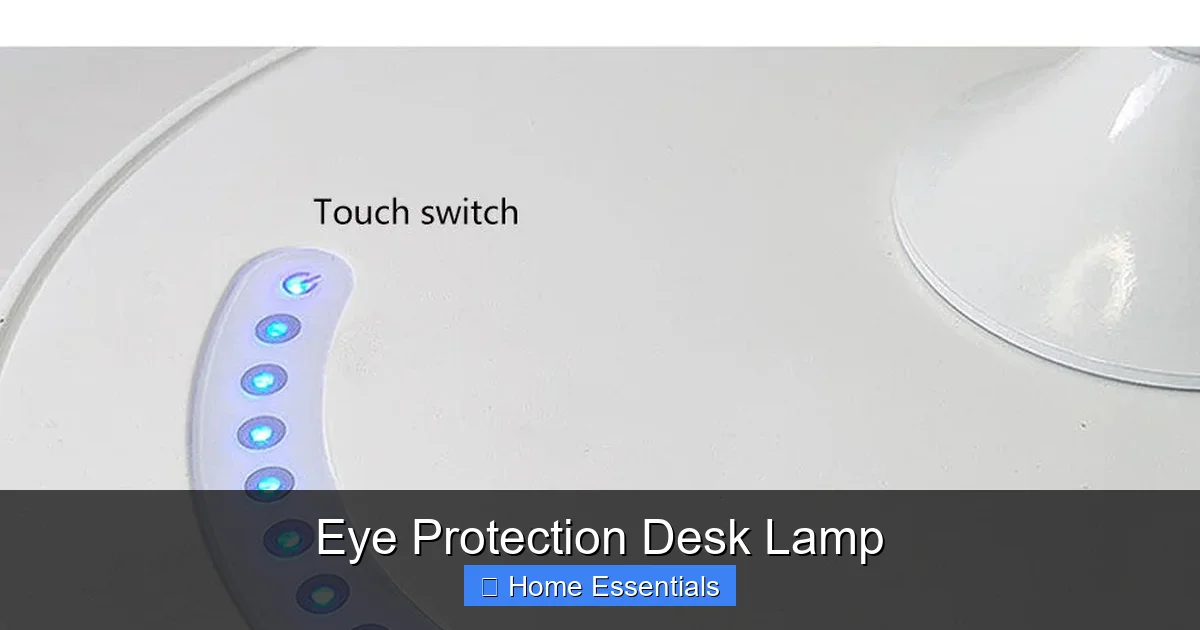
Precision dimming (not just a few steps, but smooth, continuous control) lets you set the exact brightness level your task requires, from a soft ambient glow to a focused task beam. Coupled with this is thoughtful physical design: a matte or textured inner shade to diffuse the light evenly, preventing hot spots and harsh glare that can reflect off your screen or paper into your eyes. A well-designed lamp head should also be large enough to cover your entire work surface without creating stark contrasts.
Choosing Your Perfect Lamp: A Buyer’s Guide
Walking into a store or scrolling online, you’ll see dozens of lamps labeled as “reading” or “LED.” How do you separate the true Eye Protection Desk Lamp from the imposters? Here’s your practical checklist.
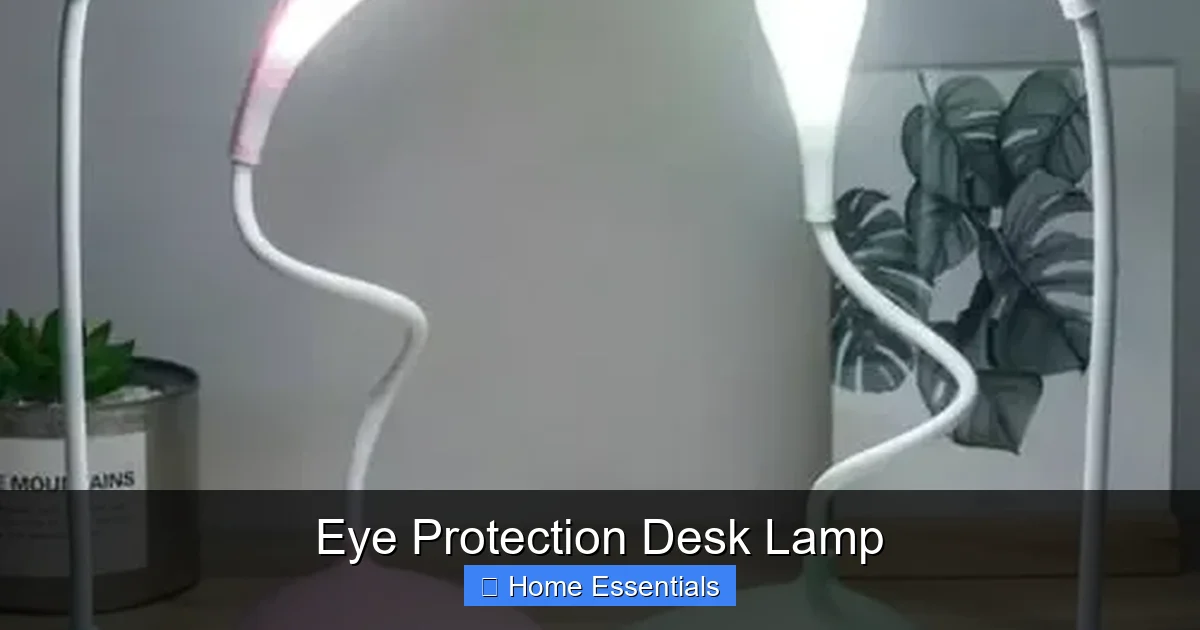
Visual guide about Eye Protection Desk Lamp
Image source: 5.imimg.com
Essential Specs to Look For
- Flicker Certification: This is the #1 priority. Look for explicit statements like “IEEE Std 1789 compliant” or “ERC certified for flicker-free.” If it’s not mentioned, assume it flickers.
- Color Temperature Range: A good range is 2700K to 5000K or 6500K. More range gives you more control. Some even have presets for “Reading,” “Study,” and “Relax.”
- Brightness (Lumens): For a task lamp, you want at least 300 lumens, with 500-800 being ideal for larger desks. Ensure it’s dimmable down to a very low level for ambient use.
- Color Rendering Index (CRI): Aim for CRI >90. This is often listed in specs but can be hard to find. Reputable eye-care brands will highlight it.
- Physical Adjustability: The arm, head, and base should move smoothly and hold their position firmly. You need to be able to position the light exactly where it’s needed without it sagging.
Features That Add Real Value
Beyond the core specs, consider these user-friendly additions. A USB charging port on the base is incredibly convenient for your phone or e-reader. A memory function that remembers your last brightness and color setting is a small but delightful quality-of-life feature. Some high-end models offer ambient light sensing that automatically adjusts brightness based on room light levels. Wireless control via an app can be handy, but ensure the app is reliable. For shared spaces, a child-safe lock on the controls prevents accidental changes.
Red Flags and Things to Avoid
Steer clear of lamps that are purely “decorative” with no specs listed. Be wary of extremely low prices; achieving true flicker-free, high-CRI lighting costs more in components. Avoid lamps with a single, fixed color temperature (especially harsh white) or only a two- or three-step dimmer. Bulky bases that take up too much desk real estate or flimsy plastic arms that won’t stay put are also poor choices for a daily tool.
Beyond the Bulb: Optimizing Your Entire Workspace for Eye Health
Buying the right Eye Protection Desk Lamp is a massive step, but it’s one piece of the puzzle. For maximum benefit and true eye comfort, you must consider your entire visual environment.
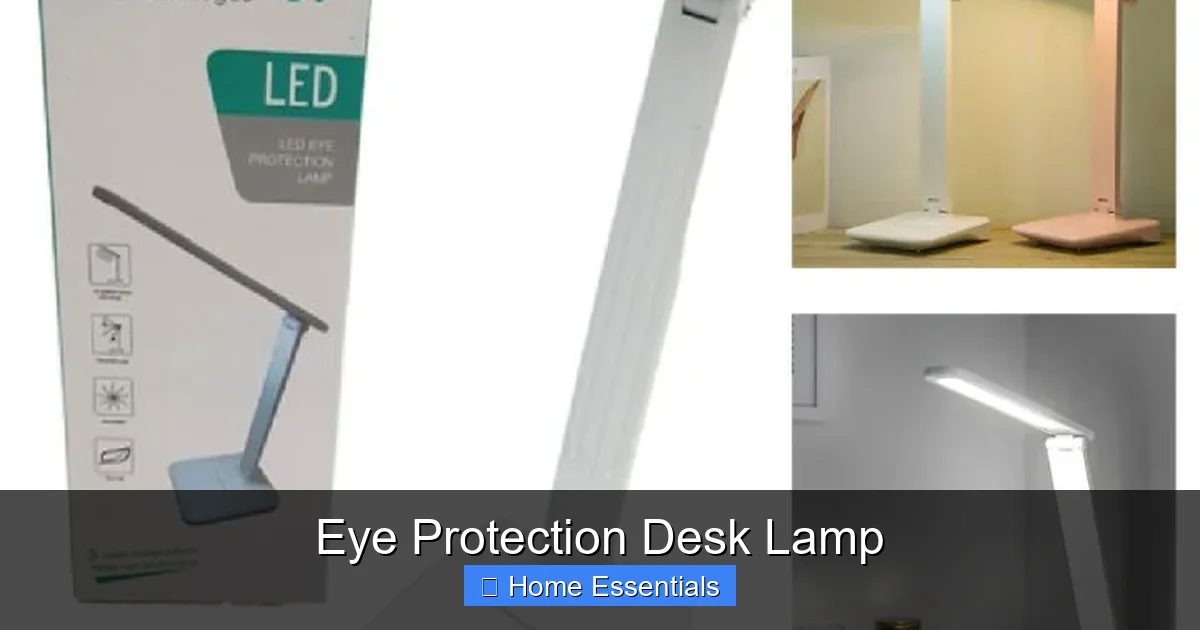
Visual guide about Eye Protection Desk Lamp
Image source: img.drz.lazcdn.com
Positioning is Everything
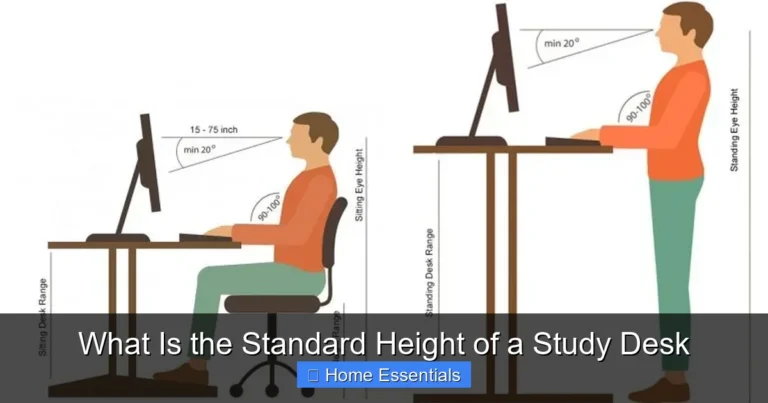
Place your lamp on the side opposite your dominant hand. If you’re right-handed and write, put the lamp on the left side. This prevents your hand from casting shadows on your work. For screen users, the lamp should illuminate your desk, not your face or the screen. The light source should come from slightly in front of you and to the side, aiming down at your keyboard and papers. Never place a bright lamp directly behind you, as this creates glare on your screen.
Balance with Ambient Light
Working in a dark room with a single bright lamp creates extreme contrast between the lit desk and the dark surroundings. This forces your pupils to constantly adjust, causing strain. Always pair your task lamp with gentle, indirect ambient lighting—like a dim overhead light or a soft lamp in the corner of the room. The goal is to have the task area 3-5 times brighter than the general room, but not have the room be pitch black.
Don’t Forget Your Screen
Your monitor is a powerful light source itself. Adjust its brightness to match your room lighting (it should not be the brightest object in your field of view). Enable “Night Light” or “Blue Light Filter” features, especially in the evening. Increase text size and contrast to reduce squinting. The 20-20-20 rule remains golden: every 20 minutes, look at something 20 feet away for 20 seconds. Your new lamp makes this easier by providing a comfortable light environment to begin with.
The Ripple Effect: How Proper Lighting Boosts Productivity and Mood
The benefits of an Eye Protection Desk Lamp extend far beyond the physical relief of dry eyes and headaches. It’s a productivity catalyst and a mood enhancer.
Sustained Focus and Fewer Errors
When your eyes aren’t screaming for relief, your brain can stay on task. Studies in ergonomics consistently show that proper task lighting reduces error rates in detail-oriented work like data entry, proofreading, and assembly. The consistent, non-fatiguing light allows for longer periods of deep work without the mental fog that descends after hours of eye strain. You’ll find you can work for an extra hour or two in the evening without feeling drained, simply because your visual system isn’t under siege.
Supporting Your Circadian Rhythm
By manually tuning your lamp’s color temperature throughout the day—bright, cool light in the morning to suppress melatonin and boost alertness, shifting to warm, dim light in the evening—you actively support your body’s internal clock. This can lead to better sleep quality, more energy in the morning, and a more stable mood. It’s a passive but powerful way to hack your wellness, especially for those working non-traditional hours or in rooms without windows.
Creating a “Third Place” Sanctuary
For many, the home desk is a command center for work, bills, learning, and personal projects. An Eye Protection Desk Lamp helps transform this space from a source of stress and discomfort into a dedicated, comfortable zone. The act of adjusting the light to your preference can be a small ritual that signals “it’s time to focus.” This psychological separation, combined with physical comfort, makes the time spent at your desk more purposeful and less taxing on your overall well-being.
Caring for Your Investment: Maintenance and Longevity
A quality Eye Protection Desk Lamp is built to last, often with lifespans of 25,000 to 50,000 hours. That’s over a decade of daily use. To keep it performing optimally for years, a little care goes a long way.
Simple Cleaning and Dusting
Dust buildup on the lamp shade and LED surface can reduce light output and create hotspots. Every month or so, unplug the lamp and use a soft, dry microfiber cloth to gently wipe all surfaces. For the shade, you can use a slightly damp cloth (never spray liquid directly onto the lamp). Avoid abrasive cleaners. If your lamp has a mesh or grille, use a soft brush or a can of compressed air to dislodge dust from between the slits.
Checking Joints and Stability
Periodically, check the tension screws on the adjustable arms. Over time, they can loosen slightly. Tighten them gently with the appropriate screwdriver (often a small hex key is provided) to ensure the lamp head stays exactly where you position it. A sagging lamp defeats the purpose of precise light placement.
Understanding the “Lifetime” of LEDs
LEDs don’t “burn out” like old bulbs; they gradually dim over thousands of hours. If you notice a significant drop in brightness after several years, the LEDs may be reaching the end of their life. Most reputable brands offer replacement parts or the lamp is designed so the entire head can be replaced. Before you buy, check the manufacturer’s warranty and parts availability policy. A 3-5 year warranty is standard for good models.
When to Upgrade
Technology evolves. If your lamp is 7+ years old, newer models may offer significantly better flicker control, higher CRI, or smarter features. However, if your current lamp is flicker-free and you’re happy with its performance, there’s no need to chase trends. The most important upgrade is from a poor-quality light to a certified protective one.
Conclusion: Light as a Foundation for Health
We meticulously choose our mattresses for sleep, our chairs for posture, and our keyboards for comfort. Yet, we often neglect the one element that makes all those activities possible: light. An Eye Protection Desk Lamp is more than an office accessory; it’s a foundational piece of health equipment for the digital age. It addresses a pervasive, low-grade stressor that silently chips away at our comfort, focus, and long-term ocular health. By understanding the technology—flicker-free drivers, adjustable CCT, high CRI—and making a conscious choice to invest in it, you are not just buying a lamp. You are buying clearer vision, fewer headaches, sustained productivity, and a more harmonious relationship with your work and your well-being. Make the switch to healthy lighting, and feel the difference your eyes will thank you for, every single day.
Frequently Asked Questions
How is an Eye Protection Desk Lamp different from a regular LED desk lamp?
A regular LED lamp may be bright, but it often uses a low-cost driver that causes high-frequency flicker and emits a harsh, unbalanced light spectrum. An Eye Protection Desk Lamp is specifically engineered with a flicker-free driver, adjustable color temperature, and a high Color Rendering Index (CRI) to minimize eye strain and mimic healthy natural light.
Can children and teenagers benefit from using an Eye Protection Desk Lamp?
Absolutely. Children’s eyes are more sensitive and still developing. Using a protective lamp for homework, reading, and hobbies can significantly reduce eye fatigue and support healthy visual development. The adjustable color temperature is also useful, with cooler light for focus during study and warmer light for evening reading.
Do I need to replace the LED bulbs in these lamps?
No. The LEDs are integrated and built to last the lifetime of the lamp, typically 25,000+ hours. You will not need to replace bulbs. The entire lamp head may be replaceable if the LEDs ever degrade significantly, but this is a rare occurrence over many years of normal use.
Is a more expensive lamp always better for eye protection?
Not necessarily “more expensive,” but you must prioritize certified specs over brand name or design. A lamp with verified flicker-free certification (IEEE/ERC), a wide CCT range (2700K-5000K+), and CRI >90 will be effective, regardless of price. However, very cheap lamps (<$30) almost never meet these standards. A good mid-range lamp ($60-$150) usually offers the best value and performance.
Does reducing blue light mean the lamp will look yellow or dim?
Not at all. Modern Eye Protection Desk Lamps use advanced phosphor coatings to filter out only the most harmful high-energy blue light wavelengths, not all blue light. In “warm” or “reading” modes, the light will have a pleasant, soft white/yellow tint similar to sunset. In “cool” or “focus” modes, it provides a bright, clear, natural daylight white that is still safe because the flicker is eliminated and the spectrum is balanced.
If I work on a computer all day, is a desk lamp even necessary?
Yes, very much so. Your screen emits its own light, but it creates a “cave effect” where your immediate workspace (keyboard, documents, notebook) is dark, forcing your eyes to constantly adjust between the bright screen and the dark desk. A properly positioned Eye Protection Desk Lamp evenly illuminates your entire work surface, eliminating this harsh contrast and reducing the workload on your ciliary muscles, which control focus.