Feather Duster Vs Microfiber
Feather dusters are cheap and easy to use, but they often just move dust around instead of trapping it. Microfiber cloths actually grab and hold dirt, making them far more effective for real cleaning. While feather dusters work fine for light touch-ups, microfiber is the smarter choice for deep cleaning and long-term results.
Key Takeaways
- Effectiveness: Microfiber traps dust and dirt instead of just spreading it around, making it far more effective than feather dusters.
- Reusability: Microfiber cloths can be washed and used hundreds of times, while feather dusters lose effectiveness quickly and need frequent replacement.
- Cost Over Time: Although microfiber is more expensive upfront, it saves money over time compared to buying new feather dusters constantly.
- Eco-Friendliness: Microfiber reduces waste and lasts longer, making it a more sustainable cleaning option.
- Versatility: Microfiber works on almost any surface—floors, electronics, windows, and more—while feather dusters are limited to dry, light dusting.
- Pet and Allergy-Friendly: Microfiber captures allergens and pet hair better, improving indoor air quality and reducing allergens.
- Maintenance Tips: Wash microfiber separately in warm water and avoid fabric softener to keep it working at its best.
📑 Table of Contents
- Feather Duster vs Microfiber: Which One Should You Choose?
- What Is a Feather Duster?
- What Is Microfiber?
- Effectiveness: Feather Duster vs Microfiber
- Durability and Reusability
- Cost Comparison: Feather Duster vs Microfiber
- Environmental Impact
- Versatility and Use Cases
- Allergies and Indoor Air Quality
- Tips for Using Microfiber Like a Pro
- When to Still Use a Feather Duster
- Conclusion: The Clear Winner
Feather Duster vs Microfiber: Which One Should You Choose?
We’ve all been there—sitting on the couch, watching TV, and noticing that faint layer of gray dust coating your coffee table. You grab the nearest cleaning tool, whether it’s a feather duster or a microfiber cloth, and start wiping. But have you ever stopped to wonder which one actually works better? Is it worth sticking with the old feather duster, or should you switch to microfiber? In this article, we’ll break down everything you need to know about feather dusters vs microfiber, comparing their effectiveness, durability, cost, and environmental impact to help you make the best choice for your home.
Feather dusters have been around for generations. They’re lightweight, easy to find, and great for quick dusting. But here’s the catch: most feather dusters don’t actually clean—they just push dust around. Microfiber, on the other hand, is a modern cleaning powerhouse that traps dirt, dust, and even bacteria. It’s reusable, efficient, and surprisingly affordable. So which one should you pick? Let’s dive in and find out.
What Is a Feather Duster?
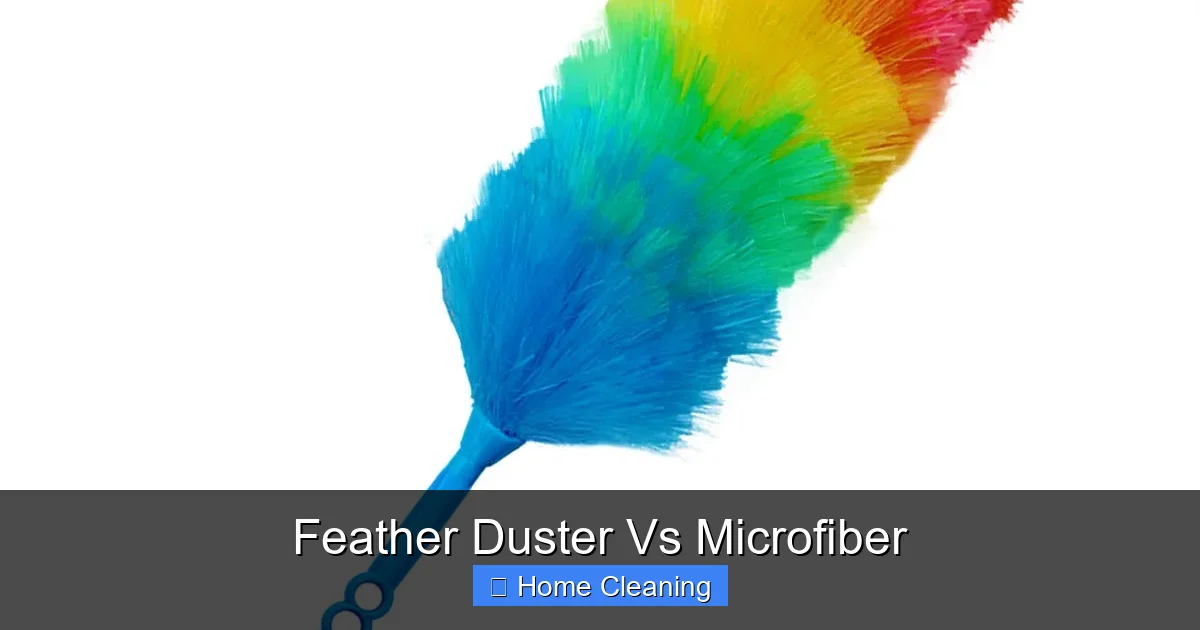
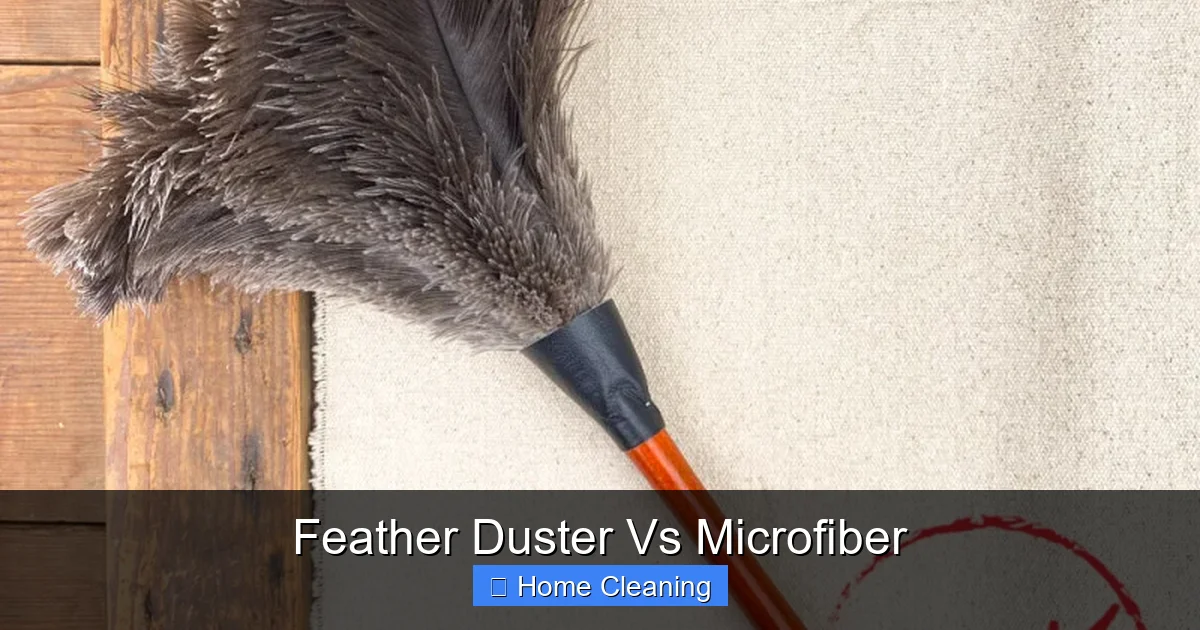
A feather duster is a simple cleaning tool made from natural or synthetic fibers attached to a handle. Traditionally, these fibers are bird feathers, but today, you’ll find versions made from polyester or other synthetic materials. The design is usually long and soft, allowing you to reach high shelves, ceiling fans, and tight corners without ladders.
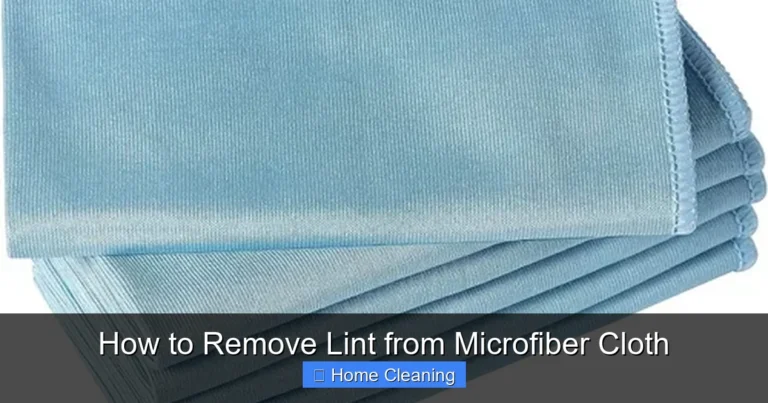
Visual guide about Feather Duster Vs Microfiber
Image source: casabella.com
How Does a Feather Duster Work?
Feather dusters work by brushing away loose dust from surfaces. When you drag the feathers across furniture or walls, they lift off tiny particles and hold them in place. However, the problem is that these dusters don’t trap the dust—they just move it from one place to another. In fact, a lot of the dust gets pushed into the air and ends up on nearby surfaces or in your lungs.
Pros and Cons of Feather Dusters
- Pros:
- Lightweight and easy to use
- Great for reaching high places
- Inexpensive and widely available
- Works well on very light dust
- Cons:
- Doesn’t trap dust—just moves it around
- Loses effectiveness after a few uses
- Can stir up allergens and dust into the air
- Hard to clean and reuse
- Often sheds feathers or fibers
What Is Microfiber?
Microfiber is a synthetic fabric made from finely woven polyester and polyamide fibers. These fibers are so small—about 1/100th the diameter of a human hair—that they create a powerful electrostatic charge. This charge helps microfiber attract and trap dust, dirt, and even microscopic particles that regular cloths miss.
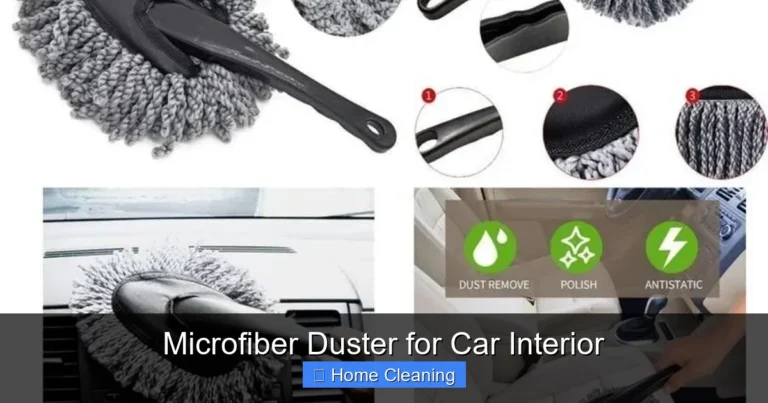
Visual guide about Feather Duster Vs Microfiber
Image source: empereur.fr
How Does Microfiber Work?
Microfiber works through a combination of mechanical and electrostatic action. The tiny fibers create a large surface area that grabs onto dust and dirt. When you wipe a surface with microfiber, the fibers actually penetrate the dust layer and pull it into the cloth. This means microfiber doesn’t just move dirt—it removes it from the surface completely.
Types of Microfiber Cloths
- Standard Cleaning Cloths: Great for everyday dusting and wiping surfaces.
- Electrostatic Cloths: Enhanced with extra-static properties for better dust pickup.
- Microfiber Mops and Pads: Used for floor cleaning and deep mopping.
- Specialized Tools: Like microfiber window cloths or electronics wipes.
Effectiveness: Feather Duster vs Microfiber
This is the big question: which one actually cleans better? The short answer: microfiber. While feather dusters are okay for light touch-ups, microfiber excels at real cleaning.
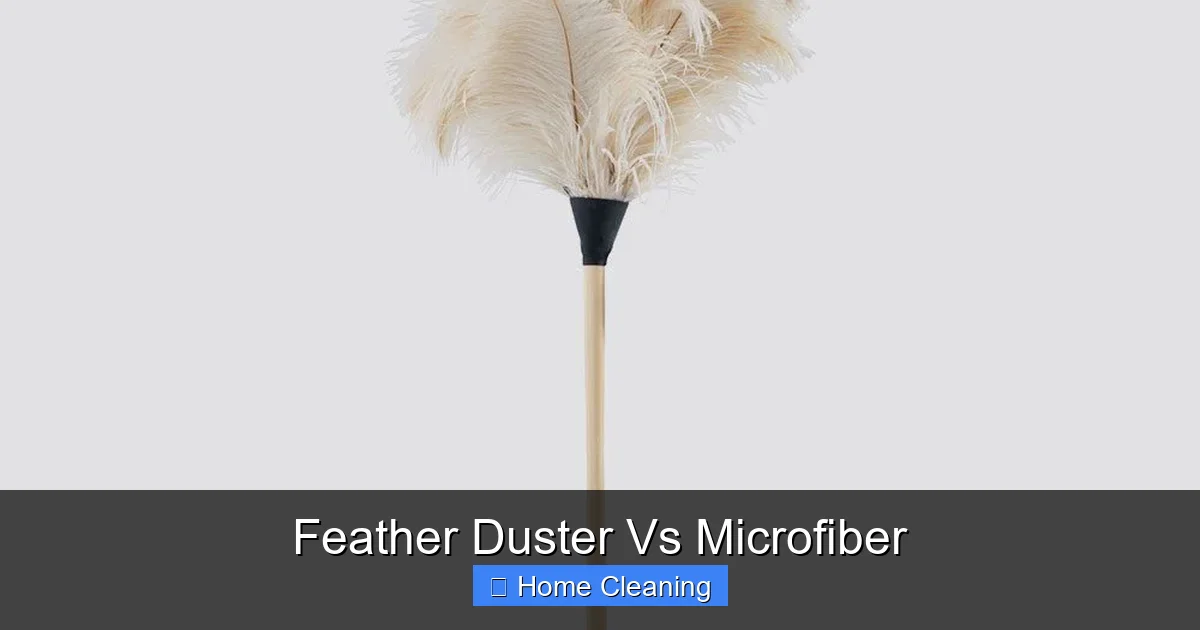
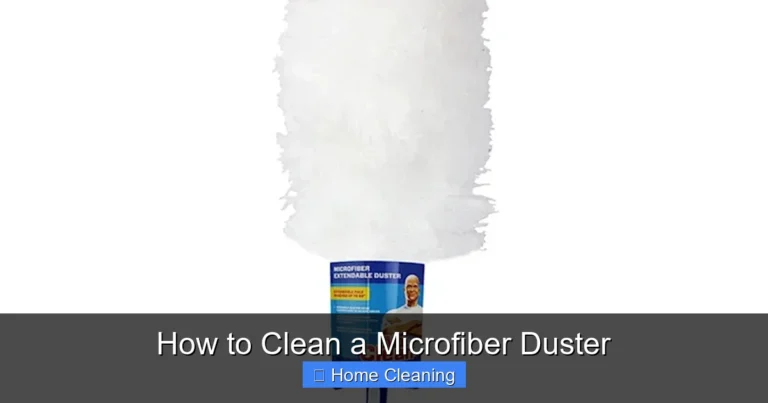
Visual guide about Feather Duster Vs Microfiber
Image source: shop.loganmercantile.com
Feather Duster Limitations
Feather dusters are best used on surfaces that are only lightly dusty. If you try to use one on a heavily soiled surface, you’ll just spread the dirt around. For example, if you use a feather duster on a dusty bookshelf, you might see a faint trail of dust left behind, but the duster itself won’t pick up much. Over time, the feathers get clogged with dust and lose their effectiveness.
Microfiber’s Superior Cleaning Power
Microfiber, on the other hand, can handle everything from light dusting to heavy cleaning. Because of its electrostatic properties, microfiber picks up dust and dirt without needing water or chemicals. It’s especially effective on flat surfaces like tables, shelves, and TV screens. You’ll notice a visible difference—surfaces come out cleaner and shinier.
Real-World Example
Imagine dusting your laptop screen. A feather duster might just push the dust around and leave streaks. But a microfiber cloth will gently lift the dust away, leaving the screen clean and smudge-free. That’s the kind of difference that adds up over time.
Durability and Reusability
One of the biggest advantages of microfiber is that it’s built to last. A good microfiber cloth can be used hundreds of times before it starts to wear out. You can wash it, dry it, and reuse it without losing its cleaning power.
Feather Duster Lifespan
Feather dusters, especially the natural-feather kind, don’t last long. They start to shed feathers within a few uses, and the fibers become matted with dust. After a few weeks, they’re basically useless. Even synthetic feather dusters lose their shape and effectiveness over time.
Microfiber Maintenance
To keep microfiber working well, wash it separately in warm water (not hot) and avoid fabric softener. Fabric softener breaks down the electrostatic charge that makes microfiber so effective. Instead, use a mild detergent and let the cloth air dry. With proper care, microfiber can last over a year with daily use.
Cost Comparison: Feather Duster vs Microfiber
At first glance, feather dusters seem cheaper. You can buy one for $1 or $2 at the grocery store. But let’s look at the long-term cost.
Initial Cost
- Feather Duster: $1–$5
- Microfiber Cloth: $5–$15 (for a pack of 6–10)
Long-Term Cost
While microfiber costs more upfront, it pays for itself over time. A pack of microfiber cloths can last months or even years with proper care. In contrast, you’ll likely need to buy a new feather duster every few weeks. Over a year, that adds up to a significant cost.
Cost Per Use
Let’s do the math. A pack of 10 microfiber cloths at $10 lasts 6 months. That’s about $1.67 per cloth over 180 uses—less than 1 cent per use. A feather duster might last 2 weeks before needing replacement. That’s $5 every 2 weeks, or about 36 cents per use. Over time, microfiber is clearly the better investment.
Environmental Impact
Sustainability is becoming more important to consumers, and this is another area where microfiber shines.
Waste Generation
Feather dusters, especially the disposable kind, contribute to plastic and waste. You throw them away after a few weeks. Microfiber, by contrast, is reusable. One cloth can replace dozens of paper towels or disposable wipes.
Eco-Friendly Cleaning
Microfiber reduces the need for chemical cleaners. Because it traps dirt so well, you don’t need harsh sprays to get surfaces clean. This means fewer chemicals in your home and less runoff into the environment.
Recycling and Disposal
While microfiber isn’t always recyclable, some companies offer take-back programs. You can also compost it (in some cases) or repurpose it for cleaning rags. Feather dusters, on the other hand, often end up in landfills with little chance of recycling.
Versatility and Use Cases
Microfiber isn’t just for dusting. It’s one of the most versatile cleaning tools you can own.
Where Microfiber Excels
- Electronics: Safe for screens, phones, and computers
- Windows and Mirrors: Leaves no streaks
- Floors: Microfiber mops and pads work great on hardwood, tile, and carpet
- Kitchen Surfaces: Removes grease and food residue
- Bathrooms: Cleans soap scum and hard water stains
Where Feather Dusters Fall Short
Feather dusters are best for light, dry dusting. They’re not good for wet cleaning, sticky spills, or heavy dirt. They’re also not safe for electronics or delicate surfaces.
Allergies and Indoor Air Quality
If you or your family members have allergies, you’ll appreciate the difference microfiber makes.
Allergen Capture
Microfiber traps pollen, pet dander, and dust mites—tiny particles that feather dusters just stir up. When you use a feather duster, you’re essentially kicking allergens into the air, where they can be inhaled. Microfiber keeps these particles locked in the cloth, reducing airborne allergens.
Pet Hair Removal
Microfiber is amazing at picking up pet hair. The fine fibers grab onto the hair and hold it tightly. Feather dusters often just push the hair around or leave it behind.
Improved Air Quality
Because microfiber doesn’t release dust into the air, it helps maintain cleaner indoor air. This is especially important for people with asthma or respiratory issues.
Tips for Using Microfiber Like a Pro
To get the most out of your microfiber cloths, follow these simple tips:
- Wash Before First Use: Some microfiber cloths come pre-treated with oils that can reduce their effectiveness. Washing them before use removes these residues.
- Wash Separately: Avoid mixing microfiber with towels or other fabrics to prevent lint transfer.
- Use Warm Water: Hot water can damage the fibers. Warm water is best for cleaning.
- Avoid Fabric Softener: It breaks down the electrostatic charge.
- Air Dry or Low Heat: High heat can melt the fibers.
- Replace When Worn: If the cloth starts to fray or lose its grip, it’s time for a new one.
When to Still Use a Feather Duster
Despite its limitations, there are still times when a feather duster can be useful.
- Reaching High Places: Feather dusters are lightweight and long, making them good for ceiling fans or top shelves.
- Light Dusting: If a surface is only lightly dusty, a feather duster can be a quick fix.
- Outdoor Use: Feather dusters can be useful for dusting outdoor furniture before cleaning.
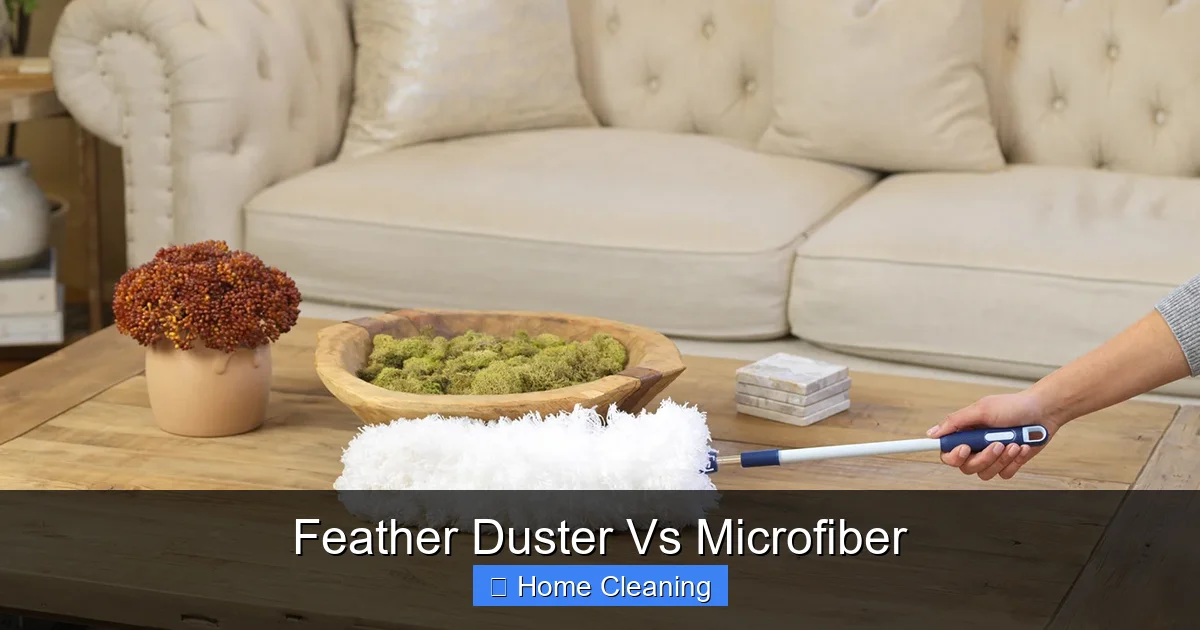
But even in these cases, microfiber can often do the job better. A microfiber duster with a long handle is now available and works just as well—without the shedding and mess.
Conclusion: The Clear Winner
After comparing feather dusters and microfiber, it’s clear that microfiber is the superior choice for most cleaning tasks. It’s more effective, reusable, cost-efficient, and better for your health and the environment. While feather dusters have their place in very specific situations, they’re no match for the power of microfiber.
If you’re serious about keeping your home clean, investing in a good set of microfiber cloths is one of the best decisions you can make. You’ll spend a little more upfront, but you’ll save time, money, and effort in the long run. Plus, you’ll enjoy cleaner surfaces and better indoor air quality.
So next time you reach for a feather duster, think twice. Grab a microfiber cloth instead—your home (and your allergies) will thank you.
Frequently Asked Questions
Is microfiber better than a feather duster for cleaning electronics?
Yes, microfiber is much better for electronics. It safely removes dust and fingerprints without scratching screens or pushing particles around like feather dusters do.
Can I use microfiber without water?
Absolutely. Microfiber’s electrostatic properties allow it to pick up dust and dirt even when dry, making it great for quick cleaning.
How often should I wash my microfiber cloths?
Wash microfiber cloths after every 2–3 uses, or when they start to feel stiff or lose their cleaning power.
Are feather dusters safe for hardwood floors?
Not really. Feather dusters can scratch or dull the finish over time. Microfiber is a much safer and more effective option.
Do microfiber cloths work on windows?
Yes, microfiber is excellent for windows. It leaves no streaks and picks up dust and smudges effectively.
Can I use fabric softener on microfiber?
No. Fabric softener breaks down the electrostatic charge that makes microfiber so effective. Avoid it completely.