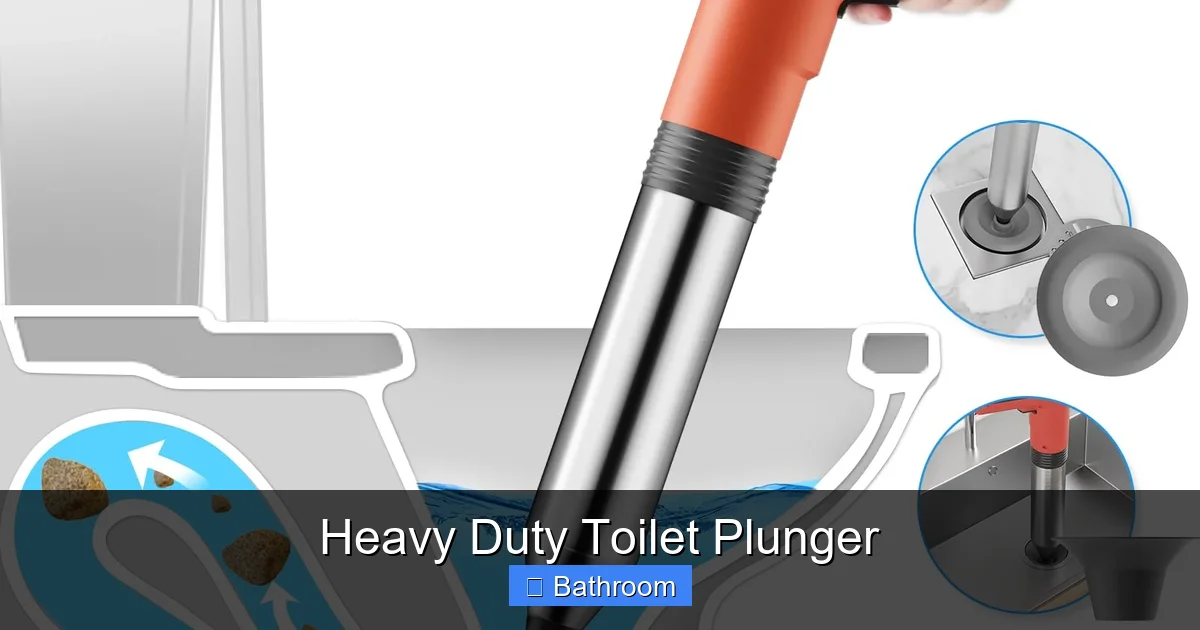
Heavy Duty Toilet Plunger
A heavy duty toilet plunger is built to tackle the toughest clogs without breaking a sweat. Unlike standard plungers, this robust tool uses reinforced materials and a deep cup design for maximum suction power. Whether you’re dealing with a backed-up toilet or stubborn waste, this plunger delivers reliable, mess-free results every time. It’s the ultimate bathroom essential for homeowners and renters alike.
Key Takeaways
- Durability: Made with heavy-duty rubber or silicone, this plunger resists wear and tear better than standard models.
- Superior Suction: The deep cup design creates a stronger seal, pulling out even the most stubborn clogs.
- Easy to Clean: Most heavy duty plungers have smooth, non-porous surfaces that resist mold and bacteria buildup.
- Versatile Use: Effective not just on toilets, but also on sinks, showers, and floor drains.
- Ergonomic Handle: Designed for comfortable, efficient plunging with minimal strain on your hands and wrists.
- Space-Saving Design: Compact yet powerful, ideal for tight bathrooms or utility closets.
- Cost-Effective: A long-lasting tool that saves money by reducing the need for professional plumbers.
📑 Table of Contents
- Heavy Duty Toilet Plunger: The Unsung Hero of Bathroom Maintenance
- What Is a Heavy Duty Toilet Plunger?
- Why Choose a Heavy Duty Toilet Plunger?
- How to Use a Heavy Duty Toilet Plunger Effectively
- Heavy Duty Plungers vs. Standard Plungers: What’s the Difference?
- Top Features to Look for in a Heavy Duty Toilet Plunger
- Maintenance Tips for Your Heavy Duty Toilet Plunger
- When to Use a Heavy Duty Toilet Plunger (and When Not To)
- Real-Life Examples: How a Heavy Duty Plunger Saved the Day
- Conclusion: Why Every Home Needs a Heavy Duty Toilet Plunger
Heavy Duty Toilet Plunger: The Unsung Hero of Bathroom Maintenance
We’ve all been there—standing in front of a backed-up toilet, clutching a flimsy plunger, and wondering if this thing even works. You push, you pull, you swear, and still nothing happens. Frustrating, right? Enter the heavy duty toilet plunger—a robust, no-nonsense tool designed to handle the toughest plumbing emergencies. Unlike flimsy, lightweight plungers that seem to dissolve after one use, a heavy duty model is built to last. It’s made with reinforced materials, a deep cup for maximum suction, and an ergonomic handle for comfortable use. Whether you’re dealing with a clogged toilet from too many paper towels or a stubborn buildup of hair and waste, this plunger delivers powerful results without the mess.
In this guide, we’ll dive deep into everything you need to know about the heavy duty toilet plunger. From how it works to why it’s worth the investment, we’ll cover it all. You’ll learn how to choose the right plunger for your home, how to use it effectively, and even how to maintain it for long-lasting performance. Plus, we’ll share real-life scenarios where a heavy duty plunger saved the day—because sometimes, you just need a little more oomph in your plunger game.
What Is a Heavy Duty Toilet Plunger?
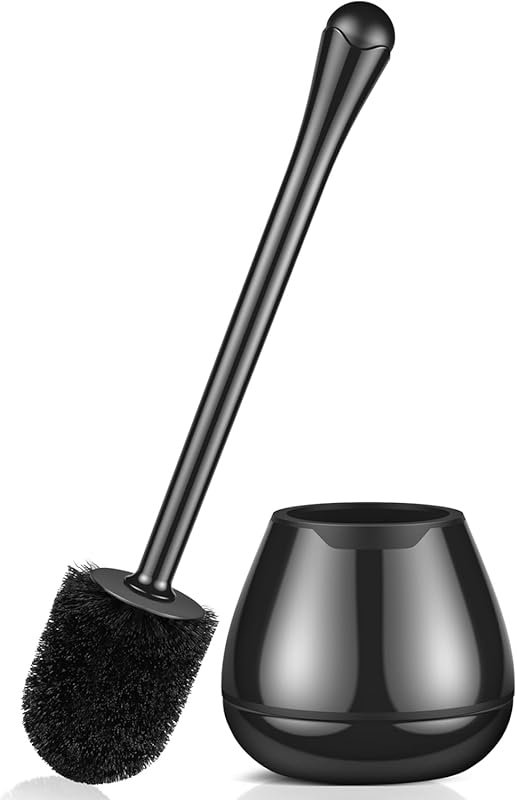
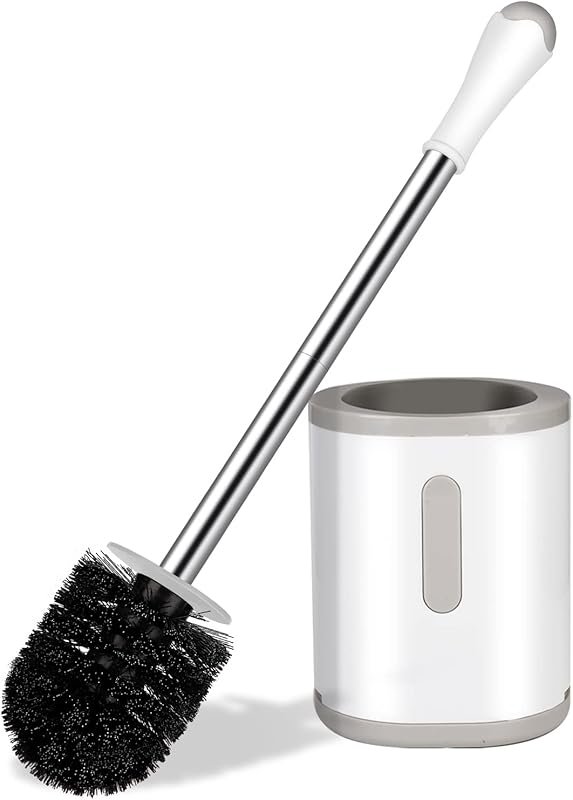
A heavy duty toilet plunger is a plumbing tool specifically engineered to handle tough clogs that standard plungers can’t manage. While a regular plunger might have a shallow cup and thin rubber, a heavy duty version features a deeper, wider cup made from durable materials like reinforced rubber or high-grade silicone. This design creates a tighter seal over the toilet drain, generating more suction power with each push and pull. The handle is often thicker and ergonomically shaped to reduce hand fatigue during extended use.
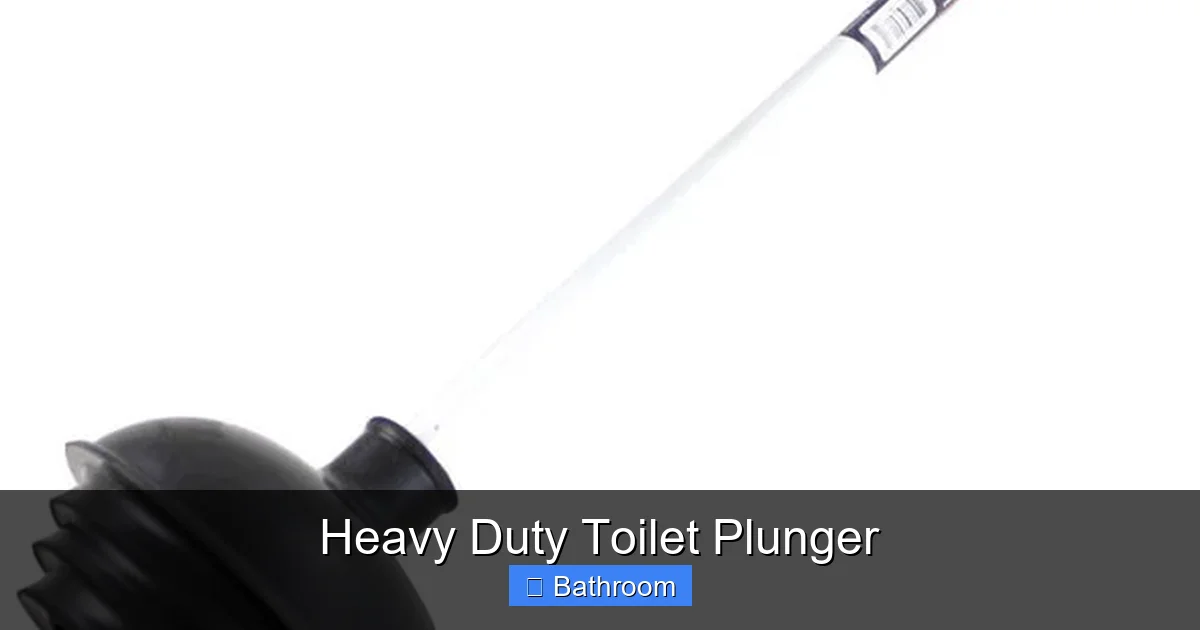
Visual guide about Heavy Duty Toilet Plunger
Image source: toolguyd.com
Key Features of a Heavy Duty Toilet Plunger
Not all plungers are created equal. Here’s what sets a heavy duty model apart:
- Deep Cup Design: The larger, deeper cup covers more of the drain opening, creating a better seal and stronger suction.
- Durable Materials: Made from thick, high-quality rubber or silicone that resists cracking, tearing, and degradation.
- Ergonomic Handle: Designed for comfort, with a non-slip grip that makes plunging easier and more effective.
- Easy to Clean: Smooth surfaces prevent dirt, bacteria, and mold from sticking around.
- Versatile Use: Works on toilets, sinks, showers, and floor drains—great for whole-home use.
Think of it as the difference between using a toy plunger at a kid’s party and wielding a professional-grade tool in a plumbing workshop. One is for fun, the other is for serious work.
Why Choose a Heavy Duty Toilet Plunger?
You might be wondering: “Can’t I just use any old plunger?” The short answer? Not always. Standard plungers are fine for light clogs—like a little toilet paper buildup or a minor blockage. But when the clog is serious, a flimsy plunger just won’t cut it. That’s where a heavy duty toilet plunger shines. Here’s why it’s worth the upgrade:
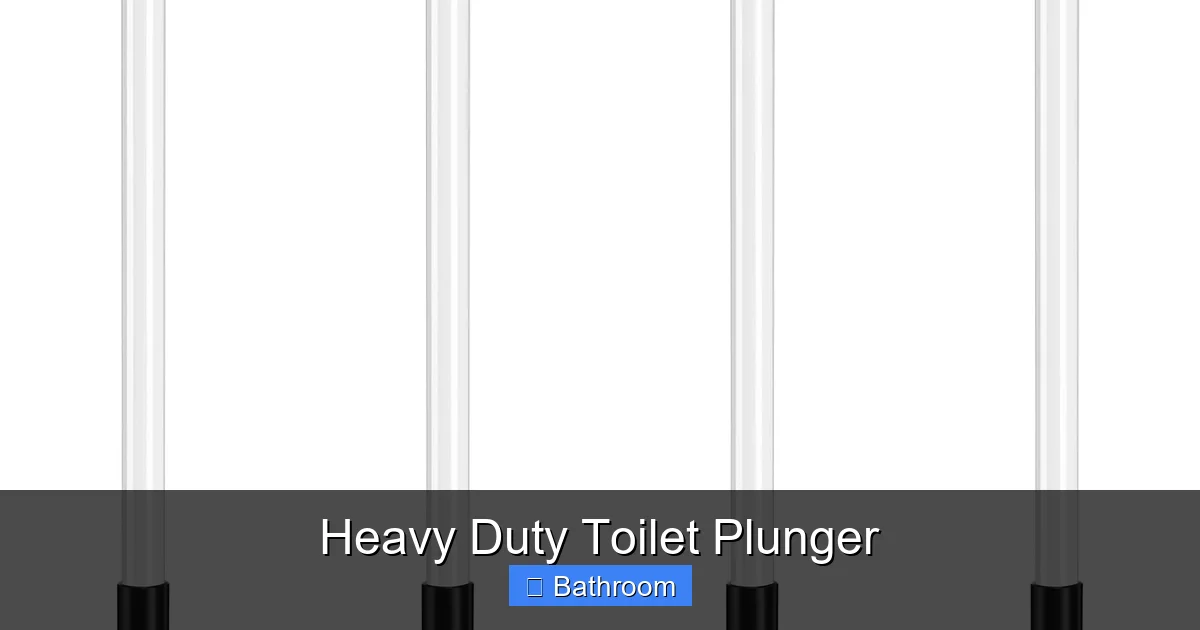
Visual guide about Heavy Duty Toilet Plunger
Image source: m.media-amazon.com
1. Handles Tough Clogs with Ease
Heavy duty plungers are built for power. Their deep cups and reinforced rubber create a vacuum-like effect, pulling waste and debris out of tight spaces. For example, if your toilet is backed up because of a thick layer of paper, hair, or even a foreign object, a standard plunger might only push the clog deeper. A heavy duty model, however, can dislodge it completely with consistent, firm plunging.
2. Long-Lasting Durability
Cheap plungers often fall apart after a few uses. The rubber cracks, the handle becomes wobbly, and the whole thing becomes useless. A heavy duty plunger, on the other hand, is designed to withstand repeated use. Many models come with warranties or are made to last for years, making them a smart long-term investment.
3. Reduces the Need for Plumbers
Let’s face it—calling a plumber costs money and can be inconvenient. With a heavy duty plunger, you can often solve the problem yourself in under five minutes. This not only saves money but also gives you peace of mind knowing you can handle minor plumbing issues on your own.
4. Improves Hygiene
Many heavy duty plungers are made from smooth, non-porous materials that resist bacteria and mold. Unlike spongy or cracked plungers that trap germs, a cleanable heavy duty model keeps your bathroom safer and more hygienic.
5. Compact and Space-Efficient
Despite their power, heavy duty plungers are often designed to be compact. They fit neatly in a bathroom cabinet or under the sink, taking up minimal space. Yet they’re powerful enough to handle emergencies when they strike.
How to Use a Heavy Duty Toilet Plunger Effectively
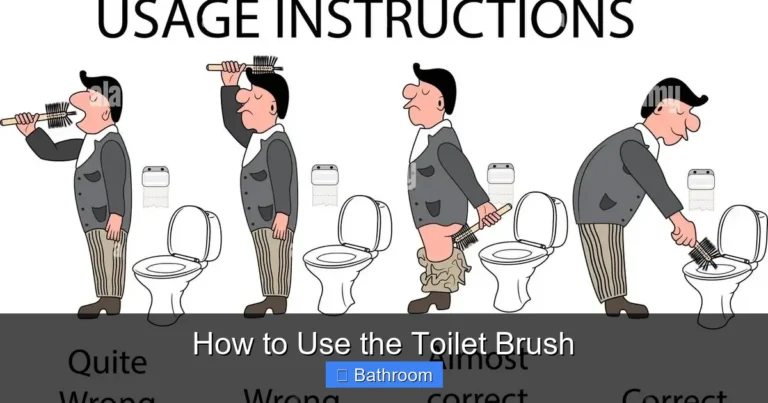
Using a heavy duty toilet plunger correctly is just as important as having the right tool. Here’s a step-by-step guide to get the best results:
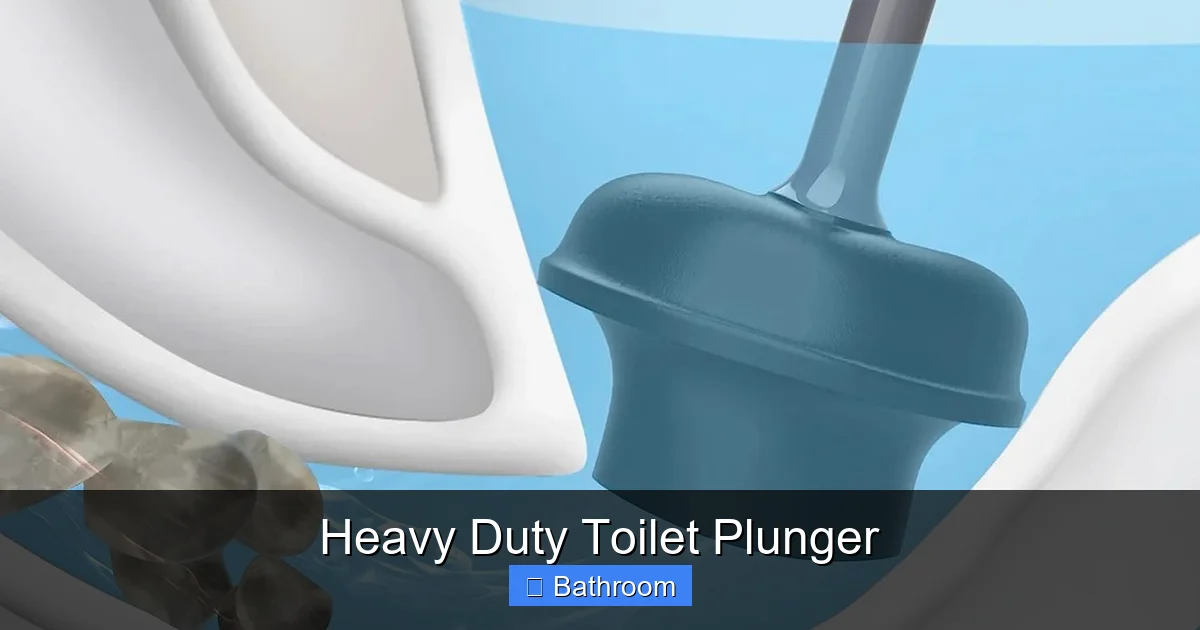
Visual guide about Heavy Duty Toilet Plunger
Image source: gosupps.com
Step 1: Prepare the Area
Before plunging, remove any rugs or items from around the toilet. Wear old clothes or an apron to protect your clothing from splashes. If the water level is high, you may need to let some of it sit in the bowl—don’t plunge immediately if it’s overflowing.
Step 2: Position the Plunger
Place the plunger directly over the drain hole in the toilet bowl. Make sure the cup is fully covering the opening. For a heavy duty plunger, this seal is critical—any gap will reduce suction.
Step 3: Create a Seal
Press down firmly to push out any air. A good seal means you’ll feel resistance when you start plunging. This is how the suction works—air is pushed out, creating a vacuum that pulls the clog loose.
Step 4: Plunge with Force and Rhythm
Use quick, firm motions—push down hard, then pull up sharply. Repeat this 10–15 times. Avoid slow, steady pressure; it won’t generate enough suction. Think of it like creating a “plunger pulse” with each stroke.
Step 5: Check the Results
After plunging, lift the plunger and flush the toilet. If the water drains quickly, you’re done. If not, repeat the process. Never assume it’s fixed after one try—sometimes clogs need multiple attempts.
Pro Tip:
For stubborn clogs, try using a plunger with a flange (a small rubber extension on the bottom). This helps reach into the drain pipe for better suction. Many heavy duty models include this feature.
Heavy Duty Plungers vs. Standard Plungers: What’s the Difference?
You might be thinking, “What’s the big deal? They’re both plungers, right?” Not quite. The difference between a standard plunger and a heavy duty toilet plunger comes down to design, materials, and performance. Let’s break it down:
Design and Build
A standard plunger usually has a shallow cup and a simple rubber or vinyl design. It’s lightweight and compact, but it doesn’t create a strong seal. A heavy duty plunger, on the other hand, has a deeper cup, thicker rubber, and often a reinforced handle. It’s built to handle more pressure and repeated use.
Performance
Standard plungers work well for minor clogs, like a little toilet paper buildup. But when the clog is deep or stubborn, they often fail. Heavy duty plungers, with their superior suction and seal, can tackle even the toughest blockages. For example, if your toilet is backed up because of a clogged vent pipe or a large amount of waste, a heavy duty plunger is your best bet.
Durability
Most standard plungers are meant for occasional use. After a few clogs, the rubber can crack or tear. Heavy duty models are built to last. They resist wear, don’t degrade quickly, and often come with warranties.
Price
Yes, a heavy duty plunger costs more upfront—usually between $15 and $30. But when you consider how long it lasts and how often it works, it’s a worthwhile investment. A cheap plunger might cost $5 but fail after one use, costing you more in the long run.
Best Use Case
Standard plungers are fine for light, occasional use. Heavy duty plungers are ideal for homes with older plumbing, frequent clogs, or households with multiple bathrooms. They’re also great for rental properties where plumbing issues are common.
Top Features to Look for in a Heavy Duty Toilet Plunger
Not all heavy duty plungers are the same. Here are the features you should prioritize when shopping:
1. Material Quality
Look for plungers made from high-grade rubber or silicone. These materials resist cracking and last longer. Avoid cheap vinyl or rubber that feels thin and flimsy.
2. Deep Cup Design
The deeper the cup, the better the seal and suction. A cup that covers at least 80% of the drain opening is ideal.
3. Flange Attachment
A flange is a small rubber extension at the bottom of the plunger. It helps reach into the drain pipe for better suction, especially on older toilets with deeper drains.
4. Ergonomic Handle
A comfortable, non-slip handle reduces hand fatigue and gives you better control. Look for models with contoured grips or rubberized surfaces.
5. Easy Cleaning
Choose a plunger with a smooth, non-porous surface. This prevents mold, bacteria, and grime from sticking around. Some models even come with a storage bag to keep them clean.
6. Compact and Lightweight
Despite their power, a good heavy duty plunger shouldn’t be bulky. It should fit easily in a cabinet and be easy to carry.
7. Affordable Price
While you don’t want to skimp on quality, you also don’t need to spend $50. Most reliable heavy duty plungers cost between $15 and $30.
Maintenance Tips for Your Heavy Duty Toilet Plunger
To keep your heavy duty toilet plunger working at its best, follow these simple maintenance tips:
1. Rinse After Each Use
After plunging, rinse the plunger thoroughly with warm water. This removes residue and prevents buildup.
2. Disinfect Regularly
Once a week, soak the plunger in a mixture of water and bleach (1 part bleach to 10 parts water) for 10 minutes. Rinse well afterward.
3. Store Properly
Keep the plunger in a dry, well-ventilated area. Avoid leaving it in a damp cabinet where mold can grow.
4. Inspect for Damage
Check the rubber cup regularly for cracks, tears, or stiffness. If it’s damaged, replace it immediately.
5. Use a Plunger Brush
Consider using a small brush to clean hard-to-reach areas of the cup. This helps remove hair and debris that can clog the plunger.
6. Replace When Necessary
Even heavy duty plungers don’t last forever. If the suction is weak or the handle is loose, it’s time for a new one.
When to Use a Heavy Duty Toilet Plunger (and When Not To)
Knowing when to use a heavy duty toilet plunger—and when not to—can save you time and frustration. Here’s a quick guide:
Best Scenarios for Use
- Toilet clogs from paper or waste: A heavy duty plunger can easily clear these with proper technique.
- Stubborn, recurring clogs: If you’ve used a regular plunger multiple times and it’s still not working, it’s time for a heavy duty model.
- Older plumbing systems: Older toilets and pipes often have deeper drains that require more suction.
- Multiple bathroom use: In homes with two or more bathrooms, a heavy duty plunger is a smart investment.
When Not to Use a Plunger
- Severe overflows: If the toilet is overflowing, stop plunging and call a plumber. Plunging can push waste further into the system.
- Chemical drain cleaners: Avoid using plungers after pouring chemicals into the toilet—they can react dangerously.
- Foreign objects: If something like a toy, jewelry, or tampon is stuck, plunging can make it worse. Use a plunger snake or call a plumber.
- Persistent clogs after multiple attempts: If the clog doesn’t clear after 3–4 plunging sessions, it’s time for professional help.
Real-Life Examples: How a Heavy Duty Plunger Saved the Day
Let’s look at a few real-life scenarios where a heavy duty toilet plunger made all the difference:
Scenario 1: The Paper Tsunami
Sarah, a busy mom, accidentally flushed too many paper towels at once. The toilet backed up immediately. Her regular plunger just pushed the paper deeper. She switched to a heavy duty plunger with a flange, created a tight seal, and plunged with firm, quick motions. Within 10 strokes, the water drained. “I was amazed,” she said. “It worked like magic.”
Scenario 2: The Hair Clog
Tom, a barber, noticed his toilet was draining slowly. He suspected hair buildup. He used his heavy duty plunger, focusing on creating a strong seal and using rhythmic plunging. After 15 strokes, the water finally drained. He cleaned the plunger and stored it properly. “It’s been six months, and it still works perfectly,” he said.
Scenario 3: The Rental Property Emergency
Lena, a landlord, had a tenant call about a backed-up toilet. She didn’t want to pay for a plumber every month. She used her heavy duty plunger and cleared the clog in minutes. “It’s been two years, and I’ve used it 12 times. Still going strong,” she said. “It’s saved me hundreds in plumbing fees.”
These stories show that a heavy duty plunger isn’t just a tool—it’s a reliable partner in home maintenance.
Conclusion: Why Every Home Needs a Heavy Duty Toilet Plunger
A heavy duty toilet plunger is more than just a bathroom accessory—it’s a practical, cost-effective solution for one of the most common household problems. With its powerful suction, durable build, and ease of use, it’s the perfect tool for tackling tough clogs without calling a plumber. Whether you’re dealing with paper, hair, or stubborn waste, this plunger delivers results when it matters most.
Investing in a heavy duty plunger means investing in peace of mind. No more standing in front of a backed-up toilet, wondering what to do. With the right tool and a little know-how, you can handle most clogs in under five minutes. Plus, with proper care, your plunger will last for years, saving you money and hassle.
So, if you’re still using a flimsy, half-hearted plunger, it’s time for an upgrade. Your future self—and your wallet—will thank you.
Frequently Asked Questions
What makes a heavy duty toilet plunger different from a regular one?
A heavy duty toilet plunger has a deeper cup, thicker rubber or silicone, and a stronger handle, allowing for better suction and durability. It’s designed to handle tougher clogs than standard plungers.
How often should I clean my heavy duty toilet plunger?
Clean your plunger after each use with warm water, and disinfect it weekly with a bleach solution to prevent bacteria and mold buildup.
Can a heavy duty plunger be used on sinks and showers?
Yes! While designed for toilets, a heavy duty plunger can also be used on sinks, showers, and floor drains due to its versatile design.
How do I know if my plunger is working effectively?
If the plunger creates a tight seal over the drain and you feel resistance when plunging, it’s working. Effective plunging should result in faster water drainage after a few strokes.
What should I do if the clog doesn’t clear after using the plunger?
If the clog persists after 3–4 plunging attempts, stop using the plunger and consider using a plunger snake or calling a professional plumber.
Are heavy duty plungers worth the extra cost?
Yes, especially for homes with frequent clogs or older plumbing. A heavy duty plunger lasts longer, works better, and saves money in the long run by reducing the need for plumbers.