How Long Do Microfiber Cloths Last
Microfiber cloths can last anywhere from 3 months to over a year, depending on how you use and care for them. Proper washing and storage are key to maximizing their lifespan and cleaning power. With the right routine, you can save money and reduce waste while keeping your home spotless.
Key Takeaways
- Lifespan varies by usage: Light use can extend microfiber cloths to 6–12 months, while heavy daily cleaning may reduce them to 3–6 months.
- Washing matters: Always wash microfiber cloths separately from lint-producing fabrics like cotton towels to avoid shedding.
- Hot water is your enemy: Avoid high heat during washing and drying—it breaks down microfibers faster.
- Detergent choice impacts durability: Use mild, fragrance-free detergents and skip fabric softeners, which coat fibers and reduce absorbency.
- Proper storage preserves quality: Store clean, dry cloths in a sealed container or drawer to prevent contamination and premature wear.
- Signs of wear include: Loss of softness, linting, reduced cleaning power, or visible fraying—time to replace!
📑 Table of Contents
- How Long Do Microfiber Cloths Last: A Complete Guide to Maximizing Their Lifespan
- What Are Microfiber Cloths and Why Do They Matter?
- How Long Do Microfiber Cloths Typically Last?
- How to Care for Microfiber Cloths to Extend Their Life
- Common Mistakes That Shorten Microfiber Lifespan
- Can You Revive Worn-Out Microfiber Cloths?
- How to Choose High-Quality Microfiber Cloths
- Eco-Friendly Benefits of Using Microfiber Cloths
- Final Thoughts: Get the Most Out of Your Microfiber Cloths
How Long Do Microfiber Cloths Last: A Complete Guide to Maximizing Their Lifespan
Let’s face it—microfiber cloths are the unsung heroes of home cleaning. Whether you’re wiping down counters, polishing glass, or dusting shelves, these little fabric wonders make the job faster, easier, and often more effective than traditional cotton rags. But have you ever stopped to wonder: how long do microfiber cloths actually last? If you’ve been tossing them in with your regular laundry or using them until they fall apart, you might be missing out on serious savings and performance benefits.
Unlike disposable paper towels or single-use sponges, microfiber cloths are designed to be reusable. But that doesn’t mean they last forever. Their lifespan depends on a mix of how often you use them, how you clean them, and how you store them. In this article, we’ll break down everything you need to know about extending the life of your microfiber cloths—so you can keep your home sparkling without constantly buying new ones.
What Are Microfiber Cloths and Why Do They Matter?
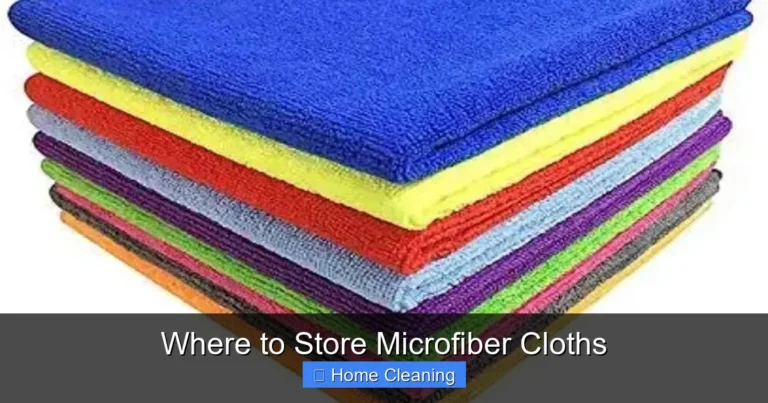
Before we dive into lifespan, let’s quickly talk about what microfiber cloths are—and why they’re so effective. Microfiber is made from ultra-fine synthetic fibers, typically polyester and nylon, woven together to create a fabric that’s incredibly soft, absorbent, and durable. These tiny fibers create a high surface area, which allows them to trap dust, dirt, grease, and even bacteria with minimal effort.

Visual guide about How Long Do Microfiber Cloths Last
Image source: cycrochet.com
The Science Behind the Magic
What makes microfiber special is its electrostatic properties. When charged (usually by friction during use), these cloths can attract and hold particles that regular cloths would miss. That’s why you’ll often see microfiber recommended for electronics, mirrors, and car interiors—areas where streak-free, lint-free cleaning is essential.
Common Uses in the Home
- General surface cleaning (counters, tables, appliances)
- Glass and mirror polishing
- Dusting furniture and electronics
- Cleaning bathrooms and kitchens
- Car care (washing, waxing, drying)
- Spills and messes on floors or carpets
Because they’re so versatile, many households keep multiple microfiber cloths on hand. But with regular use comes wear and tear. So, let’s explore how long you can expect them to last—and what you can do to make them last longer.
How Long Do Microfiber Cloths Typically Last?
The short answer: it depends. On average, a well-cared-for microfiber cloth can last anywhere from 3 to 12 months. But let’s unpack that a bit more.
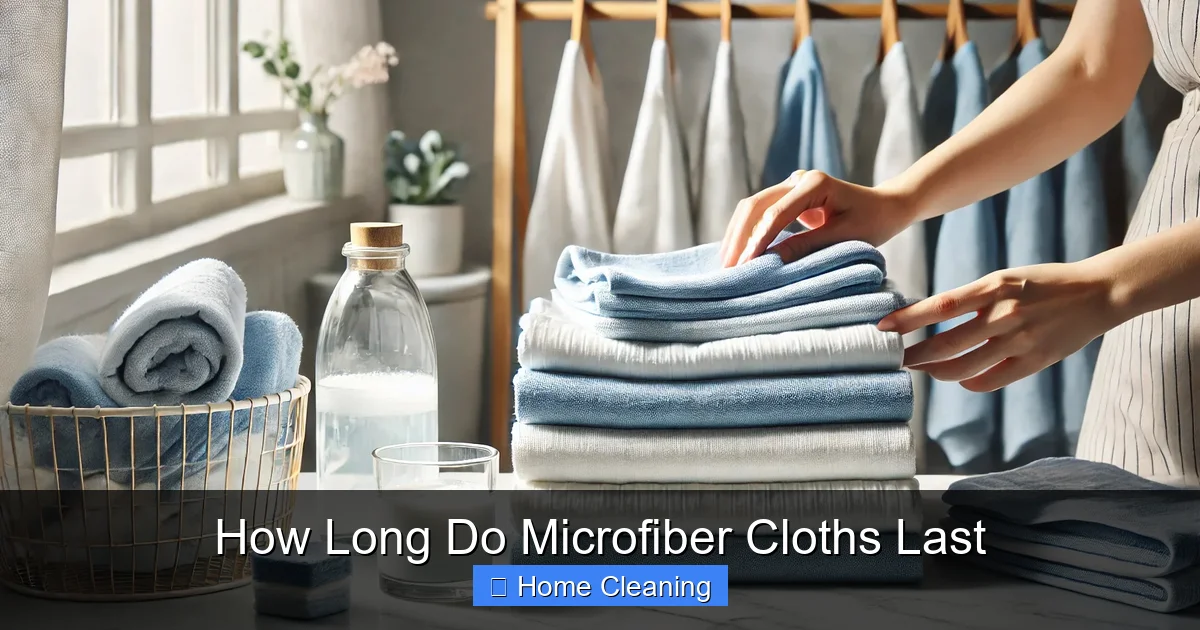
Visual guide about How Long Do Microfiber Cloths Last
Image source: images.squarespace-cdn.com
Lifespan by Usage Frequency
If you use microfiber cloths once a week for light cleaning around the kitchen or bathroom, you might get 6 to 12 months out of them. But if you’re using them daily—especially for heavy-duty tasks like scrubbing sinks, cleaning spills on floors, or washing cars—they may only last 3 to 6 months.
Quality Matters
Not all microfiber cloths are created equal. Cheaper, low-quality versions may start to fray or lose effectiveness after just a few weeks. Higher-quality cloths with tightly woven fibers and proper blend ratios (typically 80% polyester / 20% nylon) tend to last longer and perform better over time.
Look for labels that specify the fiber blend and thread count. While there’s no universal standard, a thread count of 200 or higher is generally a good sign of durability.
Signs It’s Time to Replace
Here are some clear indicators your microfiber cloths are past their prime:
- Loss of absorbency: If water just rolls off instead of soaking in, the fibers are likely damaged.
- Fuzz or lint buildup: Excessive shedding means the fabric is breaking down.
- Stiffness or rough texture: This often results from improper washing (like using fabric softener).
- Visible wear or holes: If the cloth is tearing or fraying, it’s time for a replacement.
- Reduced cleaning power: You’re still left with streaks, smudges, or dust after wiping.
When you notice any of these signs, don’t hesitate to toss the cloth—even if it still looks clean. A worn-out microfiber cloth won’t clean as well and can even spread germs if it’s harboring bacteria.
How to Care for Microfiber Cloths to Extend Their Life
You can’t expect microfiber cloths to last forever—but with the right care, you can get the maximum value out of them. Here’s how to keep them in top shape.
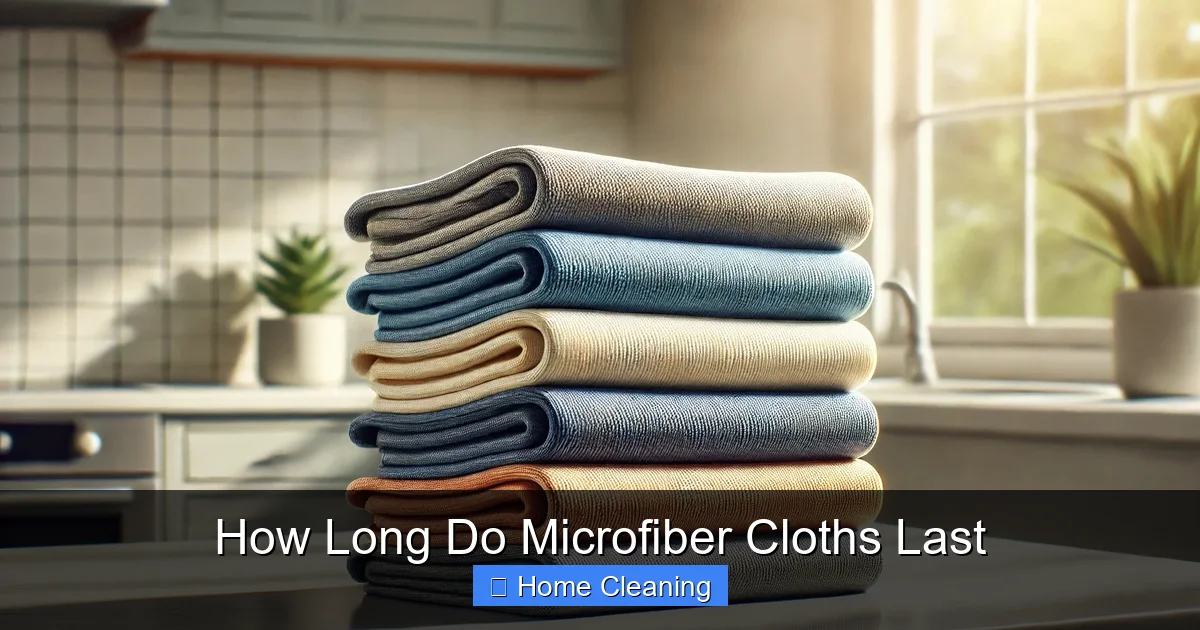
Visual guide about How Long Do Microfiber Cloths Last
Image source: images.squarespace-cdn.com
Washing: The Most Important Step
Proper washing is the single biggest factor in determining how long your microfiber cloths last. Follow these guidelines to avoid damaging the fibers:
- Wash separately: Never wash microfiber cloths with cotton towels, jeans, or other lint-producing fabrics. Lint can stick to microfiber and reduce its effectiveness.
- Use cold or warm water: Hot water (above 140°F or 60°C) can melt or shrink microfibers. Stick to cold or warm water for regular cleaning.
- Skip fabric softener: Fabric softeners coat microfiber fibers with residue, making them less absorbent and more prone to linting.
- Use mild detergent: Choose a gentle, fragrance-free detergent. Harsh detergents or bleach can degrade the fibers over time.
- Don’t over-wash: While it’s okay to wash microfiber after each use, over-washing (especially with heat) can shorten their lifespan. Let them air dry between uses when possible.
Drying Tips
Drying is just as important as washing. Here’s what to avoid:
- No high heat: Avoid dryers with high heat settings. The heat can damage the synthetic fibers and reduce their lifespan.
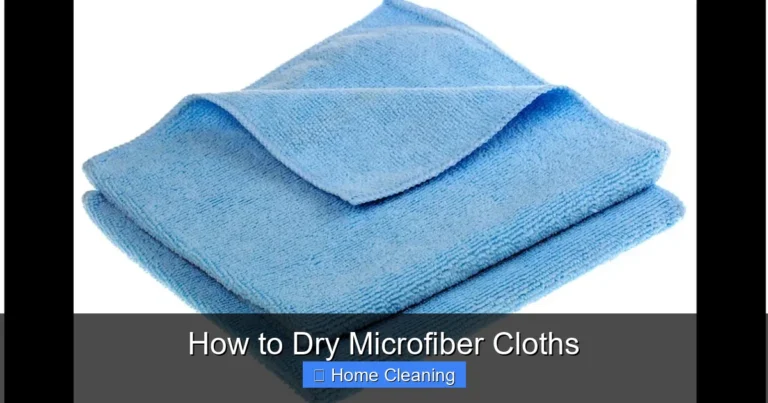
- Air dry when possible: Line-drying or air-drying microfiber cloths is the safest option. It preserves their structure and softness.
- Remove promptly: If you do use a dryer, take the cloths out as soon as they’re dry to prevent overheating.
Storing Your Cloths Properly
How you store your microfiber cloths can also impact their longevity. Follow these tips:
- Keep them clean: Store only clean, dry cloths. Storing damp or dirty cloths promotes mold and bacteria growth.
- Use a sealed container: A plastic bin or drawer with a lid helps protect cloths from dust and pet hair.
- Separate by use: Consider designating different cloths for different tasks (e.g., one for glass, one for floors) to avoid cross-contamination and wear.
- Avoid wringing or twisting: This can damage the delicate fibers. Instead, gently squeeze out excess water after washing.
Common Mistakes That Shorten Microfiber Lifespan
Even with the best intentions, it’s easy to accidentally ruin your microfiber cloths. Let’s go over some of the most common mistakes—and how to avoid them.
Mistake #1: Using Fabric Softener
Fabric softener may make cotton towels feel fluffy, but it’s the enemy of microfiber. The chemicals in softener coat the fibers, reducing their ability to trap dirt and water. Over time, this buildup makes cloths stiff, linty, and less effective.
Solution: Always skip the softener. If your cloths start to feel stiff, try washing them with a cup of white vinegar to help break down residue.
Mistake #2: Washing with Lint-Producing Fabrics
Washing microfiber with cotton towels, bath mats, or jeans can lead to lint transfer. This lint clings to microfiber and reduces its cleaning power—even after multiple washes.
Solution: Wash microfiber cloths in a separate load, ideally with other microfiber items only.
Mistake #3: Using Hot Water or High Heat
Heat is the number one enemy of microfiber. Hot water can melt the fibers, and high dryer heat can cause them to shrink or degrade.
Solution: Stick to cold or warm water for washing, and air dry whenever possible.
Mistake #4: Using Harsh Chemicals
Some cleaning sprays or detergents contain strong chemicals that can break down microfiber over time. Even if the cloth looks fine, the fibers may be weakening.
Solution: Use gentle, pH-balanced cleaners and rinse cloths thoroughly after use.
Mistake #5: Not Rinsing After Use
Letting used cloths sit with residue (like soap scum or grease) can cause buildup and make them harder to clean later.
Solution: Rinse cloths with warm water after each use, especially if they’ve been used on greasy or dirty surfaces.
Can You Revive Worn-Out Microfiber Cloths?
Sometimes, even with proper care, microfiber cloths start to lose their effectiveness. The good news? You may be able to revive them—at least temporarily.
The Vinegar Trick
Soak a worn-out microfiber cloth in a solution of 1 cup white vinegar and 1 gallon of warm water for 15–30 minutes. Then wash it normally (without fabric softener). This can help remove buildup and restore some absorbency.
The Baking Soda Paste Method
For cloths that feel stiff or have odor, make a paste with baking soda and water. Gently rub it onto the cloth, let it sit for 10 minutes, then rinse thoroughly. This can help deodorize and soften the fabric.
When Revival Isn’t Enough
If your cloths are still linty, stiff, or not cleaning well after revival attempts, it’s time to replace them. Continuing to use worn-out cloths defeats the purpose of having reusable, effective cleaning tools.
How to Choose High-Quality Microfiber Cloths
Investing in quality microfiber cloths upfront can save you money and hassle in the long run. Here’s what to look for when shopping.
Check the Fiber Blend
Look for a blend of at least 80% polyester and 20% nylon. This combination offers the best balance of strength, absorbency, and durability.
Look for Tight Weave
High-quality microfiber has a dense, tightly woven structure. Shake the cloth—if it feels thin or flimsy, it may not last long.
Consider the GSM
GSM stands for “grams per square meter,” which measures fabric weight. Higher GSM (e.g., 300 or more) usually means thicker, more durable cloths. However, very high GSM can sometimes mean less absorbency, so balance is key.
Read Reviews
Customer reviews can give you a real-world sense of how long a brand’s microfiber cloths last. Look for comments about longevity, absorbency, and durability.
Start with a Trial Set
If you’re new to microfiber, consider buying a starter set with different sizes and textures (e.g., split weave for dusting, flat weave for glass). This lets you test what works best for your needs without over-investing.
Eco-Friendly Benefits of Using Microfiber Cloths
Beyond saving money, using microfiber cloths responsibly is good for the environment. Here’s why:
- Reduces waste: One reusable microfiber cloth can replace dozens of paper towels or disposable wipes.
- Lower carbon footprint: Less manufacturing and shipping means fewer emissions over time.
- Less landfill contribution: By avoiding single-use cleaning products, you help reduce plastic and paper waste.
Just remember: proper care is essential to maximize their eco-friendly benefits. A cloth that’s used for only a few weeks before being tossed out defeats the purpose.
Final Thoughts: Get the Most Out of Your Microfiber Cloths
Microfiber cloths are a smart investment for any home. With proper care, they can last months—or even over a year—while delivering powerful, streak-free cleaning. The key is consistency: wash them correctly, store them properly, and replace them when they show signs of wear.
By avoiding common mistakes like using fabric softener or hot water, you’ll extend their life and maintain their performance. And when it’s time to replace them, consider recycling or upcycling old cloths—many microfiber blends can’t be recycled in regular programs, but some specialty facilities accept them.
So next time you reach for a microfiber cloth, take a moment to appreciate how long they can last—with the right care, they’re more than just a cleaning tool. They’re a sustainable, cost-effective solution for a cleaner home.
Frequently Asked Questions
How often should I wash my microfiber cloths?
Wash microfiber cloths after each use, especially if they’ve been used on greasy or dirty surfaces. Let them air dry between uses to extend lifespan.
Can I use fabric softener on microfiber cloths?
No. Fabric softener coats microfiber fibers, reducing their absorbency and cleaning power. Always skip softener and use mild detergents only.
What temperature should I wash microfiber cloths in?
Use cold or warm water. Hot water (above 140°F) can damage microfibers and shorten their lifespan.
How can I tell if my microfiber cloths are worn out?
Signs include loss of absorbency, linting, stiffness, fraying, or reduced cleaning performance. Replace them when you notice these issues.
Can I revive old microfiber cloths?
Yes. Try soaking them in a vinegar solution or using a baking soda paste to remove buildup and restore some absorbency—though replacement may be needed if they’re severely worn.
Should I wash microfiber cloths with other fabrics?
No. Always wash microfiber separately from cotton towels or lint-producing fabrics to prevent lint transfer and maintain performance.