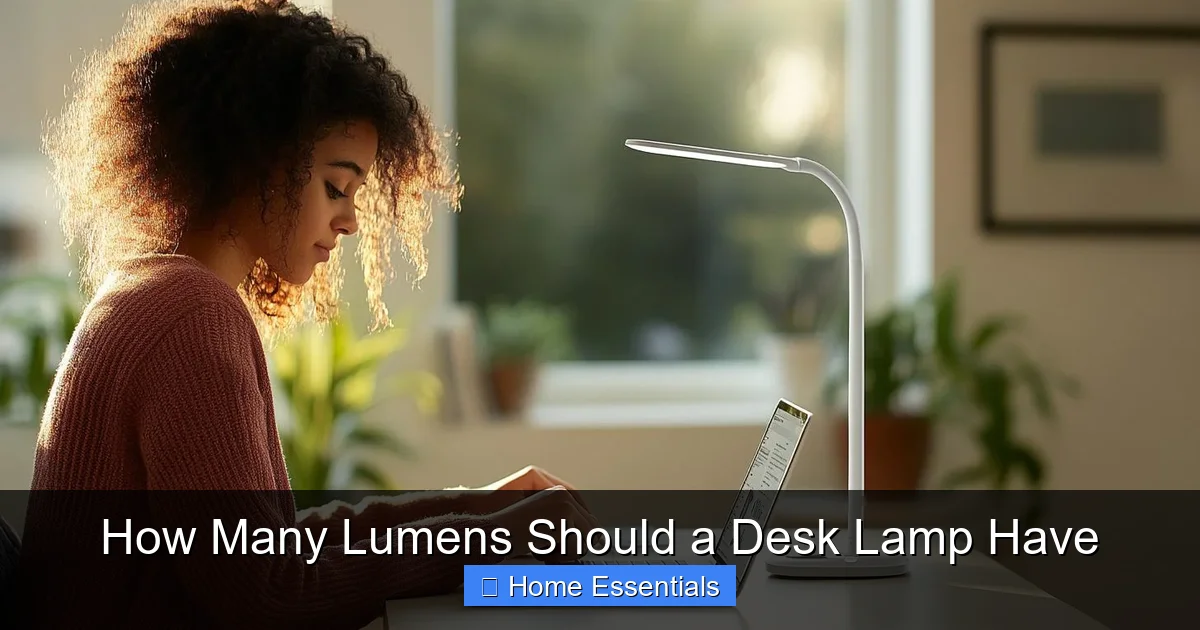
How Many Lumens Should a Desk Lamp Have
Choosing the right lumens for your desk lamp is crucial for eye comfort and productivity. General tasks like reading need 300-500 lumens, while detailed work may require 500-1000+ lumens. Factors like your age, task type, and ambient light all play a role. The best lamps offer adjustable brightness and color temperature to customize your light for any situation.
Key Takeaways
- Lumens measure brightness, not watts: Focus on lumens (light output) instead of watts (energy use) to find the right brightness for your tasks.
- Task dictates lumens: Simple reading needs ~300 lumens, detailed drafting or electronics work may require 500-1000+ lumens.
- Personal factors matter: Your age, eyesight, and even the time of day can change how much light you need for comfort.
- Adjustability is key: A lamp with variable brightness (and ideally color temperature) lets you customize light for different activities.
- Glare and placement are critical: A bright lamp placed wrong can cause more strain than a dimmer one placed correctly. Position light to avoid screen glare.
- LEDs offer efficiency: Modern LED desk lamps provide high lumens for low wattage, making them energy-efficient and often cooler to the touch.
📑 Table of Contents
Why Lumens Matter More Than You Think
You’re settling in for a long evening of work or a captivating book, and you flip on your desk lamp. But does the light feel… off? Is it too harsh, making your eyes ache after 20 minutes? Or is it too weak, causing you to squint and lean in? The secret to perfect task lighting isn’t just about having a lamp; it’s about having the right amount of light. And that amount is measured in lumens.
For years, we bought bulbs based on watts—the energy they used. A 60-watt bulb was “standard.” But with the rise of LEDs, that measurement became obsolete for understanding brightness. Lumens are the true measure of the total amount of visible light emitted by a source. More lumens mean a brighter light. Getting this number right for your desk lamp is one of the simplest, most impactful things you can do for your eye health, focus, and even your mood. The wrong brightness leads to eye strain, headaches, and fatigue. The right brightness makes tasks feel effortless and can even signal to your brain that it’s time to focus or, later, to wind down.
The Lumens Breakdown: Matching Brightness to Your Task
There’s no single “correct” lumen number for every desk lamp because every task is different. Think of it like tools in a workshop—you wouldn’t use a sledgehammer to tap in a finishing nail. Similarly, the light needed for casual browsing is different from the light needed for intricate soldering. Let’s break down common desk tasks and their lumen ranges.

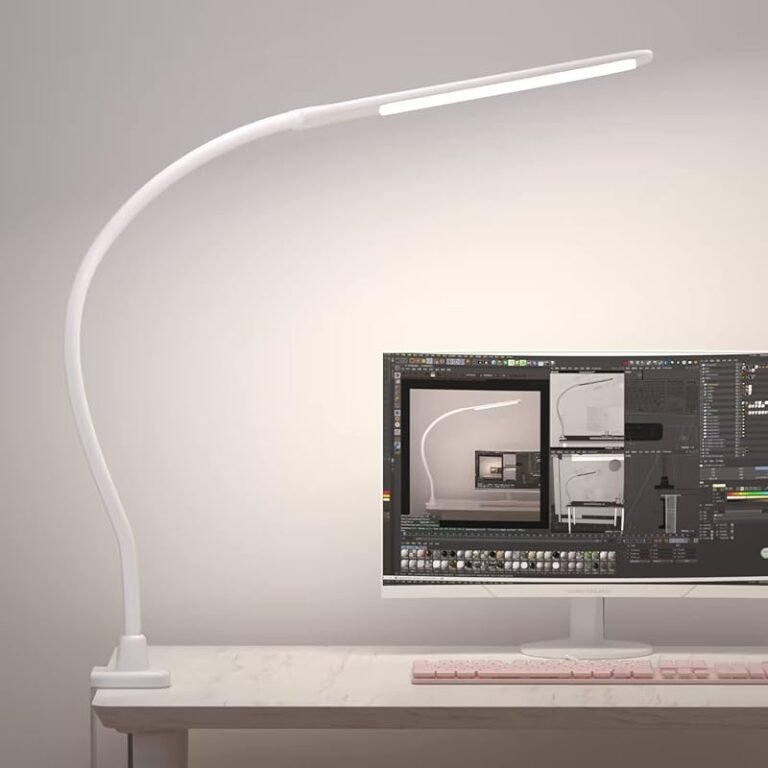
Visual guide about How Many Lumens Should a Desk Lamp Have
Image source: table-lamp.com
For Casual Reading & Screen Time (300-500 Lumens)
If your primary desk activity is reading a novel, browsing websites, or responding to emails on a computer, you don’t need blinding light. A range of 300 to 500 lumens is typically sufficient. This provides enough illumination to see the page or screen clearly without creating excessive glare on your monitor. The goal here is comfortable, even lighting that reduces the contrast between your screen and the surrounding room. A lamp with a flexible arm is ideal here, allowing you to position the light source to the side of your dominant eye (e.g., to the right if you’re right-handed) to minimize direct glare on the screen.
For Detail-Oriented Work (500-1000+ Lumens)
This is where brightness becomes a precision tool. Tasks like drafting, technical drawing, sewing, electronics repair, jewelry making, or detailed writing require significantly more light to discern fine lines, small text, and subtle textures. Here, you’re looking at a minimum of 500 lumens, with 700-1000+ lumens being common for professional-grade work. The key is to get this high brightness focused only on your task area, not washing out the entire room. A spotlight-style lamp head or a focused LED array is perfect for this, creating a bright “pool” of light exactly where you need it while leaving the rest of the room at a lower, more ambient level.
For Multi-Purpose & Shared Spaces (Adjustable 300-800 Lumens)
Many home offices and desks serve multiple functions. One minute you’re on a video call, the next you’re sketching, and later you’re paying bills. For these versatile spaces, an adjustable lamp is non-negotiable. Look for lamps that offer a wide dimming range, ideally from a soft 300 lumens up to at least 800 lumens. This flexibility lets you set the perfect mood for concentration, video calls (where a brighter, cleaner light is more professional), and relaxed evening tasks. Some high-end models even let you save preset brightness levels for one-touch switching between your “reading,” “work,” and “video call” modes.
Beyond Brightness: The Other Critical Factors
Lumens are the star, but they don’t perform alone. Two other factors dramatically affect how that brightness feels and functions on your desk: color temperature and light distribution.

Visual guide about How Many Lumens Should a Desk Lamp Have
Image source: table-lamp.com
Color Temperature: The Mood Setter (Measured in Kelvins)
Color temperature describes the “warmth” or “coolness” of white light, measured in Kelvins (K). It has a huge psychological and physiological impact.
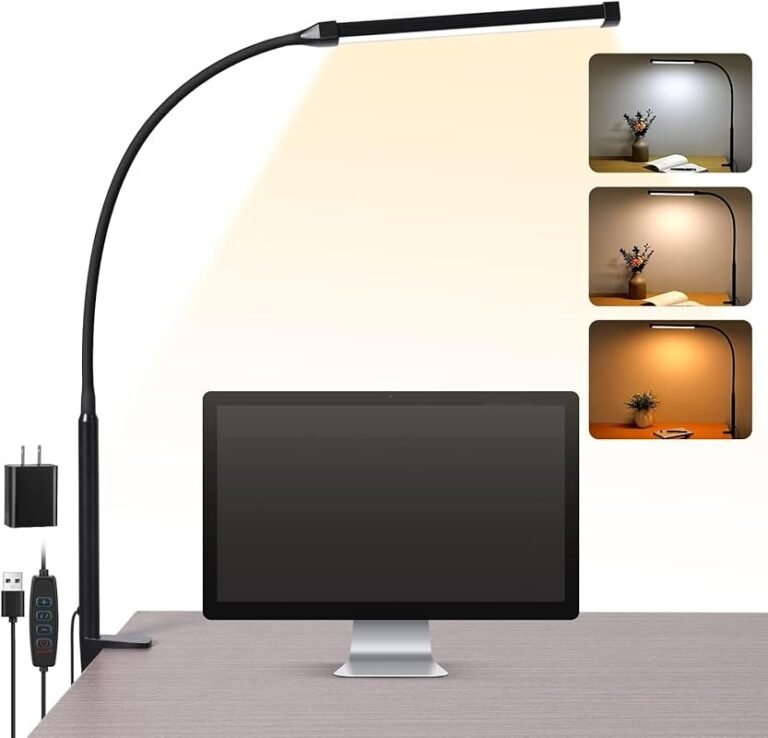
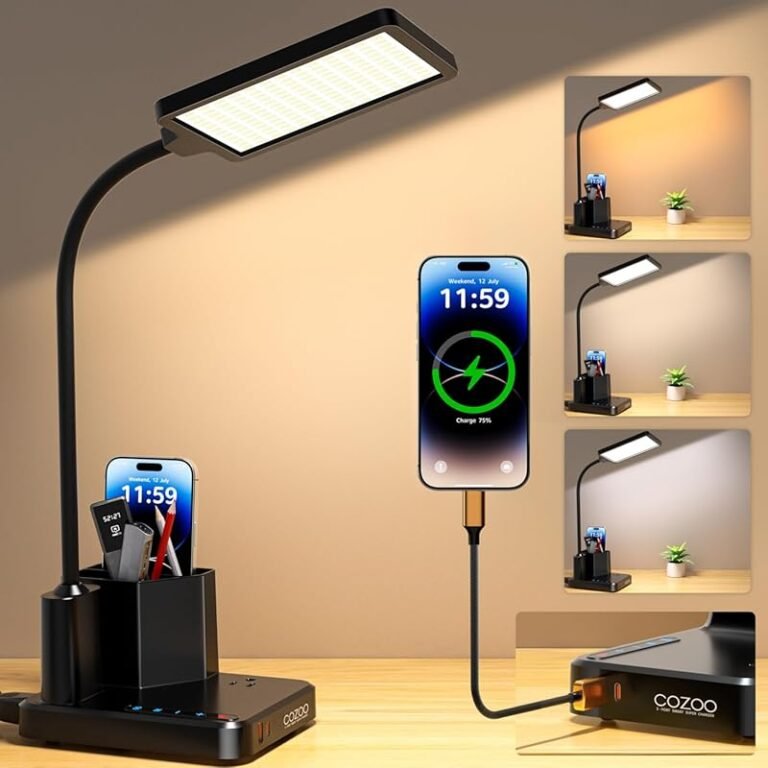
- Warm White (2700K-3000K): Similar to traditional incandescent bulbs or sunset. This is relaxing, cozy, and easy on the eyes in the evenings. It’s great for winding down but can feel too yellow and low-energy for intense, detail-oriented work during the day.
- Neutral/Cool White (4000K-5000K): This is the “daylight” or “office” range. It’s bright, alert, and color-accurate, making it ideal for most work tasks, reading, and any activity where you need to see true colors (like painting or graphic design). It promotes focus without being as harsh as very cool light.
- Cool/Daylight (5000K-6500K): Very bright and blue-ish, mimicking high noon sun. This is excellent for maximum alertness and precision work but can feel clinical and even cause eye strain if used for long periods in a dark room. Best used in well-lit spaces for short, high-focus bursts.
The ideal modern desk lamp offers tunable white, allowing you to shift between these temperatures throughout the day—warmer in the evening, cooler during afternoon work sessions.
Light Distribution & Glare Control
A 1000-lumen bulb in an uncovered socket will create a blinding, hotspot that casts harsh shadows and causes glare. A 1000-lumen lamp with a well-designed diffuser, reflector, or adjustable head will spread that light evenly and comfortably. Look for:
- Diffusers: Frosted glass or acrylic covers that scatter light evenly.
- Adjustable Arms & Heads: To position the light source exactly where needed, often with pivot points at the base, middle, and head.
- Glare Shields: Some high-end task lamps have hoods or shields that block direct light from entering your eyes while still illuminating the work surface.
- Indirect Lighting Options: Some lamps can be angled to bounce light off the ceiling or wall, creating a soft, shadow-free ambient glow perfect for video calls or general desk illumination.
Your Personal Brightness Formula
Now, let’s get personal. The “right” lumen count isn’t just about your desk activity. It’s about you.
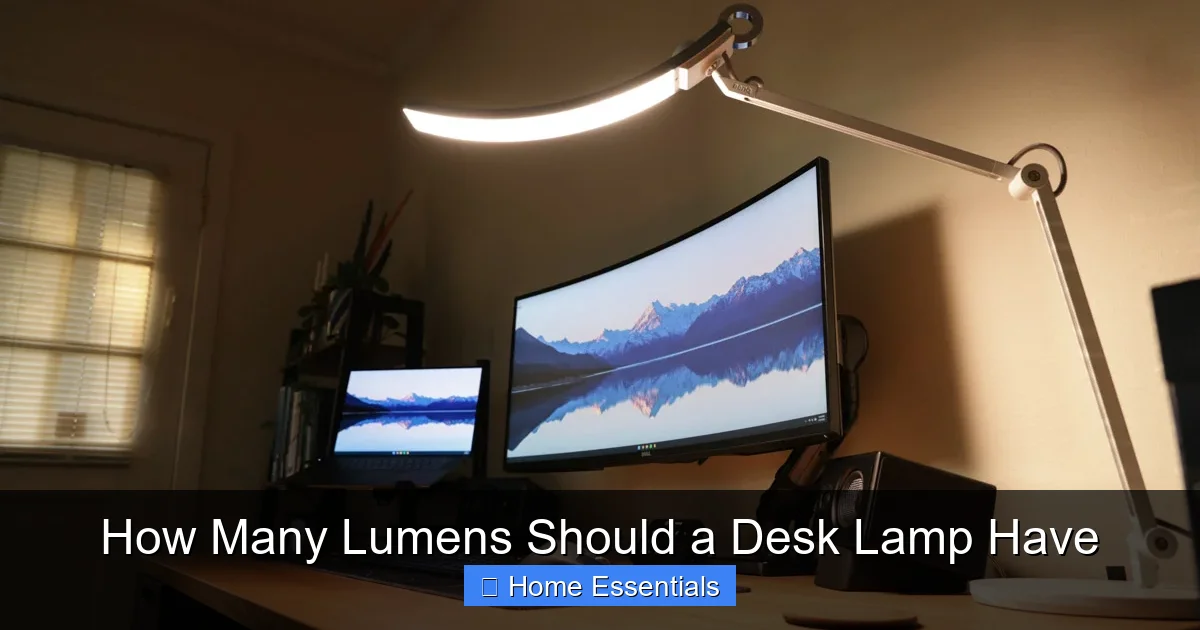
Visual guide about How Many Lumens Should a Desk Lamp Have
Image source: theworkspacehero.com
- Your Age: As we age, our eyes require more light. A 25-year-old might be perfectly comfortable with 400 lumens for reading, while a 60-year-old may need 600+ lumens for the same task due to natural changes in the eye’s lens.
- Your Eyesight: Anyone with vision conditions like macular degeneration, cataracts, or general sensitivity will benefit from brighter, well-diffused light. Consult your optometrist for specific recommendations.
- Your Ambient Light: Is your desk in a dark basement or a sun-drenched room? In a dark room, a lamp doesn’t have to work as hard to be effective, but you must avoid creating a stark contrast between the bright lamp and the dark surroundings, which causes pupil strain. In a bright room, your lamp needs enough lumens to compete with daylight or overhead lights, or you’ll be fighting a losing battle. Often, adding a lamp in a bright room is about filling in shadows, not overpowering the sun.
- The Time of Day: Your circadian rhythm affects light needs. In the morning, cooler, brighter light (5000K, higher lumens) can boost alertness. In the evening, warmer, dimmer light (2700K, lower lumens) supports melatonin production for better sleep. This is why a tunable lamp is a game-changer.
Choosing Your Perfect Lamp: A Practical Checklist
Armed with your lumen range and understanding of color temperature, here’s how to shop smart.
- Prioritize Adjustability: Your #1 feature should be smooth, easy dimming (via a touch slider, dial, or physical switch) and, if possible, color temperature tuning. This future-proofs your lamp for all tasks.
- Check the Specs: Don’t just trust “bright” on the box. Look for the actual lumen output. Reputable brands will list it. For reference, a standard 60W incandescent bulb is about 800 lumens. A good reading lamp might be 400-600 lumens at its setting.
- Consider the Form Factor: Do you need a clamp-on lamp to save desk space? A classic articulated arm for maximum reach? A minimalist puck light for a small nook? The design must fit your desk layout.
- Evaluate the Shade/Head: Is it wide enough to cover your entire work area? Is it adjustable? A narrow beam is for pinpoint tasks; a wider spread is for broader areas like a keyboard and notebook.
- Think About Technology: LED is the only sensible choice for a desk lamp today. It’s cool-running (important for safety and comfort), energy-efficient, and long-lasting. Some advanced models integrate smart home features. If you’re curious about how these work or their energy use, exploring resources on how smart bulbs work or their energy consumption can be insightful, though a dedicated desk lamp is often simpler than a full smart bulb system.
- Don’t Ignore Build Quality: A wobbly arm or a stiff switch will drive you crazy. Read reviews focusing on the mechanical durability of the adjustments.
The Smart Desk Lamp Revolution & Final Thoughts
The market is bursting with incredible desk lamp options, from simple, elegant designs to high-tech command centers. The “smart” trend has even reached task lighting. Some lamps can connect to WiFi, be controlled via an app, or sync with your computer to automatically adjust color temperature based on the time of day (a feature that supports healthy circadian rhythms). If you’re venturing into this space, understanding basics like WiFi connectivity or dimmer switch compatibility is useful, but for most, a high-quality, adjustable LED lamp with great optics is the ultimate winner.
Ultimately, the question “how many lumens?” has a personal answer. Start with the task-based guidelines (300-500 for general, 500-1000+ for detail). Then, tweak. Sit at your desk at your usual time of day. Turn on your current lamp. Is it comfortable? Can you see everything without effort or squinting? If not, adjust its brightness if possible. If you’re shopping new, aim for a lamp that gives you control. Your eyes—and your productivity—will thank you for investing a little time in getting the light just right. It’s not just about seeing; it’s about seeing well.
Frequently Asked Questions
Is 500 lumens bright enough for a desk lamp?
Yes, for most general tasks like reading, writing, and computer work, 500 lumens is a very comfortable and sufficient brightness. It provides clear illumination without being overpowering, especially when paired with a neutral color temperature (4000K) and good light distribution to avoid glare.
Can a desk lamp be too bright?
Absolutely. A lamp that is too bright for your task and environment can cause significant glare, pupil constriction, and eye strain. It creates a high contrast between the brightly lit task area and the darker surroundings, forcing your eyes to work harder. This is why an adjustable lamp is so valuable—you can dial in the perfect, comfortable level.
What’s the difference between lumens and watts for a lamp?
Watts measure the amount of electrical power a bulb or lamp consumes (energy cost). Lumens measure the total amount of visible light it produces (brightness). With old incandescent bulbs, these were closely linked. With modern LEDs, you get far more lumens for far fewer watts. Always focus on lumens to judge brightness, not watts.
Should I get a lamp with a higher lumen rating than I need?
It’s better to get a lamp with a higher *maximum* lumen output that you can dim down, rather than one with a low maximum that you can’t brighten. Having extra brightness you can turn off gives you flexibility for different tasks. Just ensure the lamp’s lowest setting is still pleasant and not flickering or harsh.
How does color temperature affect how bright a lamp feels?
Color temperature significantly influences perception. A 500-lumen lamp at 2700K (warm white) will feel softer, cozier, and less intense than a 500-lumen lamp at 5000K (cool white), which will feel stark, clinical, and subjectively “brighter” and more alerting, even at the same lumen output.
What’s the ideal lumen range for someone with sensitive eyes or macular degeneration?
Individuals with eye sensitivity or conditions like macular degeneration often benefit from brighter, more diffuse light to improve contrast and reduce strain. They should look for lamps that can provide 700-1000+ lumens on their work surface, but with excellent glare control (diffusers, indirect lighting options) and ideally tunable color temperature to find the most comfortable setting. Consulting an eye care professional for personalized advice is always recommended.