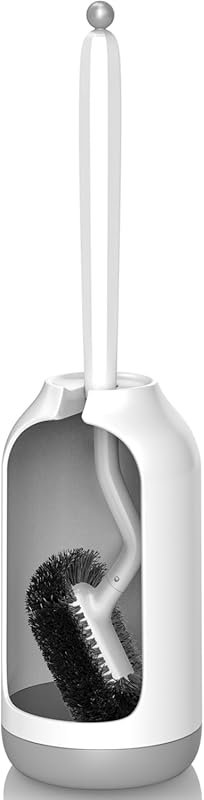
How Often Should You Replace Your Toilet Brush
How often should you replace your toilet brush? Experts recommend replacing it every 3 to 6 months, or sooner if you notice wear, odor, or reduced cleaning power. A dirty brush spreads germs, so regular replacement keeps your bathroom fresh and hygienic. Don’t wait for visible grime—trust your senses and routine maintenance.
How often should you replace your toilet brush? If you’ve ever paused mid-cleaning, stared at that bristly tool, and wondered, “Is this thing even safe to use anymore?” you’re not alone. The humble toilet brush is a daily hero in your bathroom routine—yet few people think about when it should retire. But here’s the truth: a dirty, worn-out brush does more harm than good. It spreads germs, leaves streaks, and even makes your bathroom smell funky.
In this guide, we’ll walk you through everything you need to know about toilet brush replacement. From how often to swap it out to how to spot the warning signs, we’ve got you covered. Whether you’re a cleanliness obsessive or just trying to keep your porcelain throne spotless, understanding your brush’s lifespan is key to a healthier, fresher bathroom. Let’s dive in.
Key Takeaways
- Replace every 3–6 months: Most experts recommend swapping your toilet brush every three to six months for optimal hygiene and performance.
- Watch for wear and tear: Frayed bristles, discoloration, or a wobbly handle are clear signs it’s time for a new brush.
- Smell matters: If your brush starts emitting a foul odor despite regular cleaning, it’s likely harboring bacteria that need replacing.
- Cleaning habits affect lifespan: Frequent use, lack of drying, or infrequent cleaning can shorten your brush’s usable life.
- Upgrade to self-cleaning models: Consider investing in a brush with a built-in sanitizer or UV light to extend cleanliness between replacements.
- Store properly to prolong life: Always dry the brush after use and store it upright in a ventilated holder to reduce moisture buildup.
- Don’t share—ever: Never share your toilet brush with others, even household members, to prevent cross-contamination.
📑 Table of Contents
- Why Replacing Your Toilet Brush Matters
- How Often Should You Replace Your Toilet Brush?
- How to Properly Clean and Maintain Your Toilet Brush
- Types of Toilet Brushes: Which One Should You Choose?
- When to Replace Your Toilet Brush: A Month-by-Month Guide
- Common Mistakes People Make with Toilet Brushes
- Can You Disinfect a Toilet Brush Instead of Replacing It?
- Final Thoughts: Your Brush Deserves Better
Why Replacing Your Toilet Brush Matters
Your toilet brush is one of the most frequently used cleaning tools in your home—and also one of the most misunderstood. Every time you use it, tiny droplets of waste can splash back onto the bristles. Even with rinsing, moisture remains, creating a breeding ground for bacteria like E. coli and Salmonella. Over time, these microbes multiply, making your brush a potential source of infection.
Beyond germs, a worn brush simply doesn’t clean as well. Frayed bristles can’t reach into crevices, leaving behind residue that leads to stains and odors. And let’s be honest—no one wants to use a brush that feels gritty or smells questionable. Replacing it regularly isn’t just about cleanliness; it’s about maintaining a safe, pleasant bathroom environment for you and your family.
How Often Should You Replace Your Toilet Brush?

Visual guide about How Often Should You Replace Your Toilet Brush
Image source: storables.com
The short answer: every 3 to 6 months. This is the general recommendation from cleaning experts and health professionals. But how often you replace your toilet brush can depend on several factors, including usage frequency, cleaning habits, and the type of brush you own.
If you use your toilet brush daily and clean it thoroughly after each use, six months might be on the longer end of the spectrum. But if you’re using it multiple times a day—or if you live with several people—you may need to replace it every 3 to 4 months. High-traffic households often see faster wear due to increased use and potential cross-contamination.
Example: Imagine a family of four using the same toilet brush twice a day. That’s 700+ uses in six months. Even with rinsing, the brush is exposed to moisture and bacteria constantly. In this case, replacing it every 4 months makes more sense than waiting six.
Signs It’s Time to Replace Your Brush
You don’t need a lab test to know when your brush is past its prime. Your senses are your best guide. Here are the top signs it’s time to say goodbye:
- Bristles are frayed or worn: If the bristles look split, bent, or no longer stand upright, they can’t clean effectively and may scratch the bowl.
- Discoloration: Brown, yellow, or black stains on the bristles or handle indicate deep-seated grime and bacteria.
- Persistent odor: If your brush smells even after thorough rinsing and cleaning, it’s harboring odor-causing bacteria.
- Wobbly or loose handle: A shaky handle is not only annoying but can make cleaning harder and more unhygienic.
- Reduced cleaning power: If you notice streaks, stains, or residue even after scrubbing, your brush may be too worn to get the job done.
Don’t ignore these red flags. A dirty brush defeats the purpose of cleaning in the first place.
How Usage Frequency Affects Replacement Timing
Think of your toilet brush like a sponge. The more you use it, the faster it degrades. If you’re using your brush once a day, you’re in the average range. But if you’re using it multiple times a day—especially in shared bathrooms—you’ll need to replace it more often.
Example: A single person using the brush once daily might get 6 months of use. But a busy household with multiple users may need to replace it every 3 months. Consider this: every time someone uses the toilet, there’s a chance of splashing, which introduces moisture and bacteria to the brush.
Also, consider your cleaning routine. If you rinse the brush with hot water and soap after each use, you’re doing better than most. But if you let it sit in a wet holder, moisture builds up, accelerating bacterial growth.
How to Properly Clean and Maintain Your Toilet Brush

Visual guide about How Often Should You Replace Your Toilet Brush
Image source: corwheels.com
Even the best brushes won’t last if you don’t take care of them. Proper maintenance can extend your brush’s life—but remember, it’s still temporary. Still, good habits make a big difference.
Daily Cleaning Routine
After each use, rinse the brush under hot running water for at least 30 seconds. Use a mild soap or bathroom cleaner to scrub the bristles and handle. This removes residue and kills surface bacteria.
Tip: Don’t just rinse—scrub! Use your fingers or a brush cleaner to work soap into the bristles, especially around the base.
Deep Cleaning Weekly
Once a week, soak your brush in a disinfectant solution. A mixture of 1 part bleach to 10 parts water works well. Let it soak for 10–15 minutes, then rinse thoroughly. This kills deep-seated bacteria and removes buildup.
Alternative: Vinegar and water (1:1 ratio) can also disinfect without harsh chemicals. Just rinse well afterward to avoid leaving a vinegar smell.
Drying and Storage
Moisture is the enemy of a clean brush. After cleaning, shake off excess water and let it air-dry completely before storing. Store it upright in a holder with ventilation—never in a closed cup or wet area.
Pro tip: Use a brush with a built-in drip tray to catch excess water and reduce mess.
Types of Toilet Brushes: Which One Should You Choose?

Visual guide about How Often Should You Replace Your Toilet Brush
Image source: spacecoast.edu
Not all toilet brushes are created equal. The type you choose can affect how often you need to replace it.
Traditional Brushes
These are the classic plastic or metal brushes with bristles. They’re affordable and effective but require frequent replacement—usually every 3–6 months. Look for models with replaceable heads to save money and reduce waste.
Self-Cleaning Brushes
These modern brushes come with built-in sanitizers, UV lights, or sprayers that clean the brush after use. They’re more expensive upfront but can extend the brush’s life and reduce the need for frequent replacement.
Example: The Kohler C3 Toilet Brush features a built-in sanitizer that sprays disinfectant after each use. While the brush itself may last 6–12 months, the system ensures better hygiene between replacements.
Eco-Friendly Options
Some brushes come with replaceable heads or are made from sustainable materials. These are great for reducing waste, but check the replacement head availability and cost.
When to Replace Your Toilet Brush: A Month-by-Month Guide
To make replacement timing easier, here’s a simple guide based on typical usage:
- Months 1–3: Brush is fresh and effective. Clean and dry thoroughly after each use.
- Months 4–6: Watch for wear. If bristles are frayed or it smells, replace it now.
- Months 7–9: If you haven’t replaced it yet, do so immediately. The brush is likely compromised.
- Months 10+: Don’t use it. Replace and clean the holder to prevent mold.
Tip: Mark your calendar or set a reminder every 3 months to check your brush. It’s a small habit that makes a big difference.
What to Do with the Old Brush
Don’t just toss it in the trash. Wrap it in newspaper or a plastic bag and dispose of it in an outdoor trash bin. Never flush it—even if it’s plastic—as it can clog pipes.
For eco-conscious users, consider composting if the brush is made of biodegradable materials (though most are not). Otherwise, recycling may not be an option due to mixed materials.
Common Mistakes People Make with Toilet Brushes
Even the best intentions can lead to a dirty brush. Here are some common mistakes to avoid:
- Leaving it in a wet holder: This creates a moist environment perfect for mold and bacteria.
- Not rinsing after use: Residue builds up quickly, leading to odor and stains.
- Sharing the brush: Never let anyone else use your brush—even family members.
- Using it on other surfaces: Toilet brushes should only clean toilets to avoid cross-contamination.
- Ignoring the holder: Clean and disinfect the brush holder weekly to prevent mold.
Example: Sarah used her brush daily but left it in a closed cup after cleaning. Within a month, mold appeared in the holder, and the brush developed a foul smell. She replaced it and started using a ventilated holder—problem solved.
Can You Disinfect a Toilet Brush Instead of Replacing It?
Yes, you can disinfect a brush—but only temporarily. Regular disinfecting can extend its life, but it won’t last forever. A brush is a porous tool; over time, it absorbs bacteria and stains that can’t be fully removed.
Best practice: Disinfect weekly, but still plan to replace it every 3–6 months. Think of disinfecting as maintenance, not a replacement for regular replacement.
Effective Disinfectant Methods
- Bleach solution: 1 part bleach to 10 parts water. Soak for 10–15 minutes.
- Hydrogen peroxide: 3% solution works well and breaks down into water and oxygen.
- White vinegar: Natural and effective, but may not kill all bacteria.
- Commercial brush cleaners: Designed specifically for bathroom tools.
Always rinse thoroughly after disinfecting and let the brush dry completely.
Final Thoughts: Your Brush Deserves Better
Replacing your toilet brush isn’t just about cleanliness—it’s about health. A worn or dirty brush can spread germs, leave stains, and ruin your bathroom experience. By replacing it every 3 to 6 months and following a simple cleaning routine, you’ll keep your toilet sparkling and your home healthier.
Remember: how often should you replace your toilet brush? The answer is every 3 to 6 months, or sooner if you notice wear, odor, or poor performance. Listen to your senses, maintain your brush properly, and don’t hesitate to upgrade to a self-cleaning model if you want less hassle.
A clean bathroom starts with a clean brush. Make replacement a regular part of your routine, and your porcelain throne—and your peace of mind—will thank you.
Frequently Asked Questions
How often should you replace your toilet brush?
Most experts recommend replacing your toilet brush every 3 to 6 months. If you notice frayed bristles, discoloration, or a persistent odor, replace it sooner. Usage frequency and cleaning habits also affect how often you should swap it out.
Can a toilet brush spread germs?
Yes, if not cleaned and replaced regularly. Bacteria like E. coli can survive on wet bristles, especially in a damp holder. Always rinse thoroughly after use and disinfect weekly to minimize risk.
What’s the best way to clean a toilet brush?
Rinse under hot water after each use, scrub with soap, and soak in a disinfectant solution weekly. Store it upright in a ventilated holder and let it dry completely before reuse.
Should I replace the brush or just the head?
If your brush has a replaceable head, swapping the head every 3–6 months can save money. But if the handle is cracked or wobbly, replace the whole brush for safety and effectiveness.
Can I use a regular toothbrush as a toilet brush?
No. Toothbrushes aren’t designed for bathroom use and can harbor bacteria. Always use a brush specifically made for toilets.
How do I know if my toilet brush is too old?
Look for frayed bristles, discoloration, a wobbly handle, or a lingering odor despite cleaning. If it’s not cleaning effectively, it’s time to replace it.