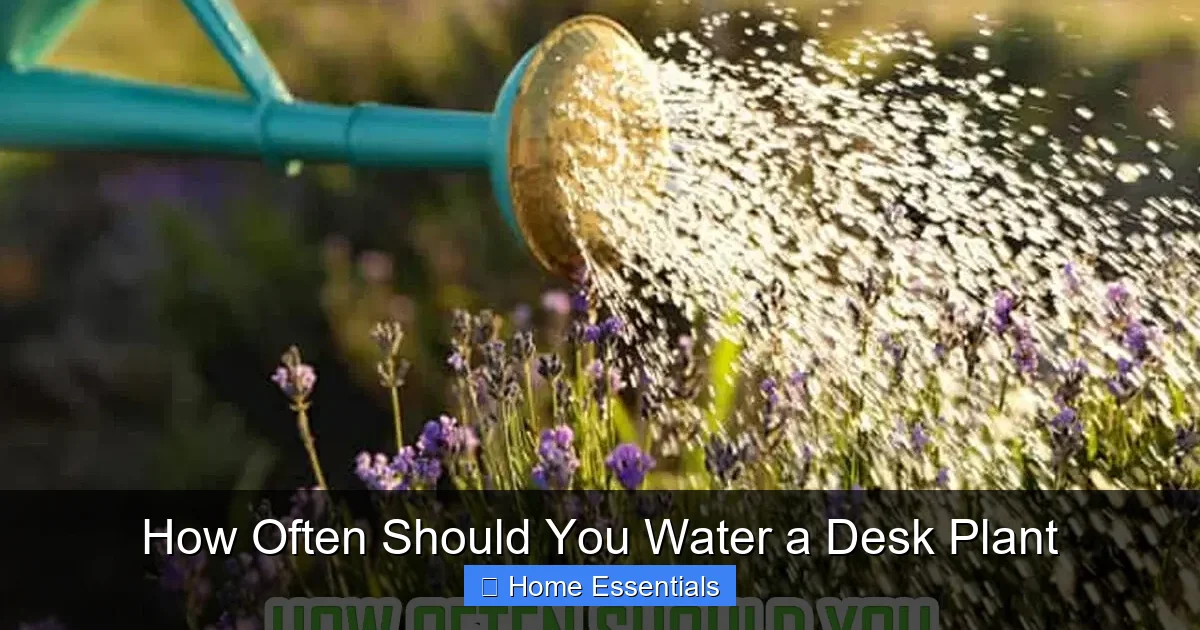
How Often Should You Water a Desk Plant
Wondering how often to water your desk plant? There’s no single answer—it depends on your plant type, pot, environment, and season. The golden rule is to check the soil moisture before watering, not follow a calendar. Overwatering is the #1 killer of indoor plants, while underwatering is easier to fix. This guide breaks down everything you need to know to keep your desk companion thriving.
Key Takeaways
- Check soil moisture, don’t water on a schedule: Always test the top 1-2 inches of soil with your finger or a moisture meter before watering.
- Your plant type is the biggest factor: Succulents and cacti need infrequent, deep waterings; tropical foliage plants prefer more consistent moisture.
- Pot and soil matter immensely: Pots with drainage holes and well-aerated, fast-draining soil prevent waterlogged roots.
- Your office environment dictates frequency: Low light, low humidity, and cooler temps mean you water less; bright, warm, humid conditions mean more frequent watering.
- Learn to read the signs: Wilting, crispy leaves, and dry soil mean thirsty; yellowing leaves, mushy stems, and foul smells mean overwatered.
- Seasonal adjustments are crucial: Plants need significantly less water in fall and winter during their dormant period.
- Technology can help: Consider a smart plant pot that monitors soil moisture and alerts you.
📑 Table of Contents
- The “When” of Watering: It’s Not a Calendar, It’s a Conversation
- Factor 1: The Plant Itself – Know Your Green Roommate
- Factor 2: The Pot & Soil – The Home Your Roots Live In
- Factor 3: The Environment – Your Office’s Microclimate
- How to Water Correctly: Technique is Everything
- Reading the Signs: Your Plant’s SOS Signals
- Seasonal Shifts: Your Winter Watering Schedule Will Change
- Special Considerations & Pro Tips
- Putting It All Together: A Sample Framework
- Conclusion: Cultivate Patience and Observation
The “When” of Watering: It’s Not a Calendar, It’s a Conversation
You bring a beautiful little desk plant into your office or home workspace. It sits there, quietly adding life and a touch of nature to your screen-filled world. You want to take good care of it. So you ask the most logical question: how often should I water this thing?
Here’s the secret the plant world doesn’t shout from the rooftops: there is no universal answer. There is no “every Tuesday and Friday” rule that applies to all plants. Asking “how often” is like asking “how often should I eat?” The answer depends entirely on who you are, what you’re eating, and what you’re doing. A marathon runner needs far more frequent fuel than a sedentary person. Similarly, a thirsty tropical fern from the rainforest has vastly different needs than a desert-dwelling succulent.
This guide will move you from a nervous, schedule-bound waterer to a confident, observant plant parent. We’ll dive deep into the factors that determine watering frequency, teach you how to read your plant’s signals, and give you practical, actionable tips for keeping your desk plant perfectly hydrated. The goal is to understand the *why* behind the *when*.
Factor 1: The Plant Itself – Know Your Green Roommate
Before you even think about your watering can, you need to know what you’re caring for. The single most important determinant of watering frequency is the plant’s native habitat and its specific biological design.
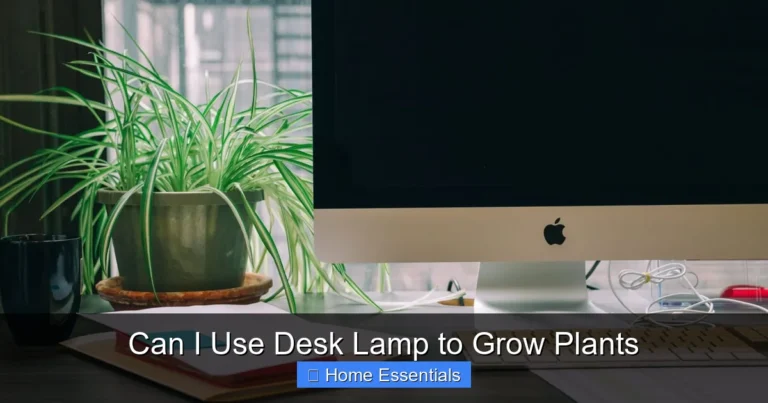
Visual guide about How Often Should You Water a Desk Plant
Image source: cdn.mos.cms.futurecdn.net
Succulents & Cacti: The Desert Dwellers
These are the champions of drought tolerance. Their thick, fleshy leaves and stems store water. Their native homes are arid deserts with infrequent but heavy rainfall. Watering Rule: Soak the soil completely and then let it dry out entirely, all the way to the bottom of the pot, before watering again. This could mean every 2-4 weeks, or even longer in winter. They absolutely hate “wet feet” (soggy soil). Overwatering is their kryptonite, leading to root rot.
Tropical Foliage Plants: The Rainforest Regulars
Think of plants like Pothos, Philodendron, Peace Lily, or Aglaonema. They come from humid, forest-floor environments where the soil is consistently moist but rarely waterlogged. Watering Rule: Water when the top 1-2 inches of soil feel dry to the touch. They prefer a more regular watering schedule than succulents but still need the top layer to dry out to prevent fungus and gnats. Their watering frequency might be every 1-2 weeks, depending on conditions.
Flowering Plants & High-Humidity Lovers
Plants like African Violets or some Orchids have more specific needs. African Violets prefer consistently moist (not soggy) soil and high humidity. Many orchids (like Phalaenopsis) are epiphytes that grow on trees and need their roots to dry out between waterings, often requiring a soak-and-drain method weekly. Always research your specific flowering plant.
Factor 2: The Pot & Soil – The Home Your Roots Live In
You can have the perfect plant for your environment, but if it’s living in the wrong home, watering becomes a nightmare. The pot and soil are the stage for the entire watering drama.
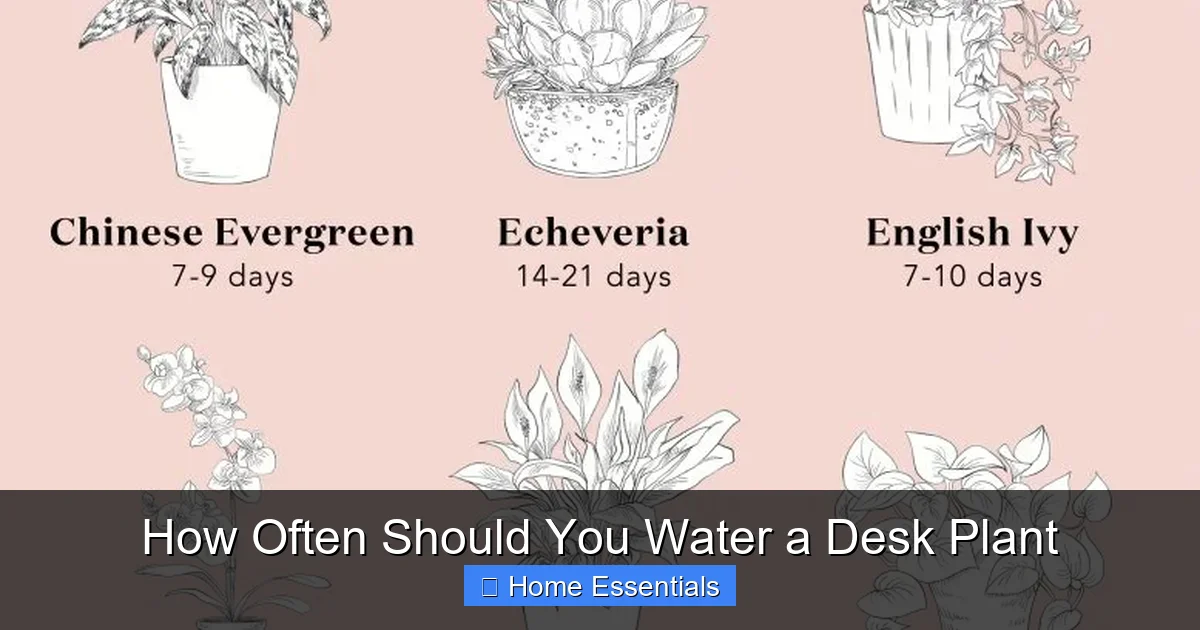
Visual guide about How Often Should You Water a Desk Plant
Image source: collectivegen.com
The Critical Importance of Drainage Holes
This is non-negotiable for almost all desk plants, especially beginners. A drainage hole is an escape route for excess water. Without it, water pools at the bottom of the pot, creating a swampy environment that suffocates roots and breeds root rot. If you fall in love with a decorative pot without a hole, you must use it as a cachepot: plant your greenery in a smaller plastic pot with drainage, then slip that pot inside the decorative one. Always empty any excess water from the cachepot after 15-20 minutes.
Soil is Not Just Dirt – It’s a Breathable Medium
Garden soil from outside is too dense and compact for pots. It compacts, suffocates roots, and holds water too tightly. You need a potting mix, specifically designed for containers. For most tropicals, a standard, well-aerated indoor potting mix works. For succulents and cacti, you must use a fast-draining, gritty cactus/succulent mix that includes sand, perlite, or pumice to mimic desert soil. The right soil allows water to flow through, pulling oxygen down to the roots as it goes. If your soil stays soggy for days, it’s the wrong mix. You can always amend your soil with extra perlite to improve drainage.
Factor 3: The Environment – Your Office’s Microclimate
Your desk plant doesn’t live in a vacuum. It lives in *your* specific environment, which can vary wildly from the next person’s desk. This is why your friend’s Pothos needs water every 10 days and yours needs it every 14.
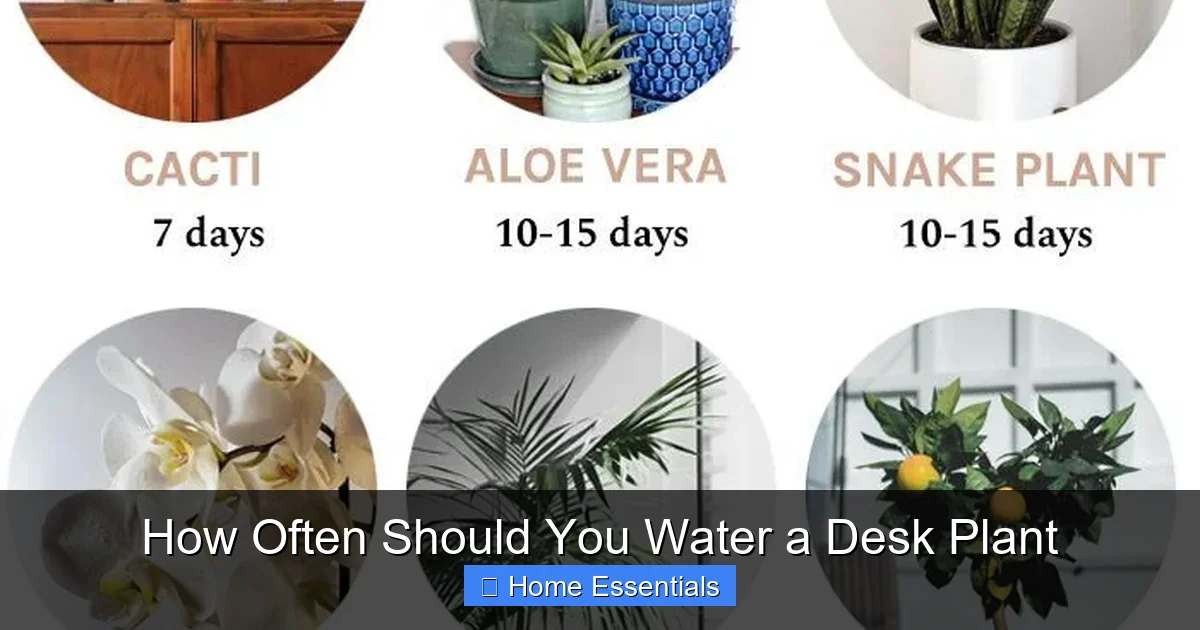
Visual guide about How Often Should You Water a Desk Plant
Image source: i.pinimg.com
Light: The Engine of Water Consumption
This is huge. Light drives photosynthesis, which drives water uptake (transpiration). A plant in bright, indirect light near a window is actively growing and using water. It will dry out much faster than the same plant sitting in a dim corner. Brighter light = more frequent watering. If you have a low-light desk, choose plants like ZZ Plants or Snake Plants that are adapted to dry conditions and will need water much less often.
Temperature & Airflow
Warm temperatures increase evaporation and metabolic activity. A plant next to a heat vent or in a warm office will thirst faster than one in a cooler room. Good airflow (from a fan or gentle AC breeze) also wicks moisture from the soil and leaf surfaces. Stagnant, hot air can lead to rapid drying or fungal issues. Adjust your watering based on your room’s thermostat and air currents.
Humidity: The Invisible Thirst-Quencher
This is the silent player. In dry air (common in winter with heating systems or in air-conditioned offices), water evaporates rapidly from the soil and the plant’s leaves. This can make the soil surface dry out quickly while the root ball remains moist. You might need to water more frequently in dry conditions, but you should also consider boosting humidity with a pebble tray or a small humidifier for tropical plants. In high humidity, soil stays moist longer, so you water less.
How to Water Correctly: Technique is Everything
Knowing *when* to water is half the battle. Knowing *how* is the other half. A perfect schedule can be ruined by poor technique.
The Deep Watering Method: Soak and Drain
Never give your plant little sips. Little sips encourage shallow root growth, making the plant less stable and more drought-sensitive. The goal is to thoroughly soak the entire root ball. Water slowly and evenly over the soil surface until you see water flowing freely out of the drainage hole. This flushes out any accumulated salts from fertilizer and ensures all roots get a drink. Let the pot drain completely in the sink or a tray for 15-30 minutes. Never let the pot sit in standing water.
Water at the Soil, Not the Leaves
Aim your watering can at the soil, not the plant’s center or leaves. Watering the leaves, especially in low light, can lead to water spots (on plants like African Violets) or fungal diseases like powdery mildew. For plants with dense foliage, you can use a long-spouted watering can to get directly to the soil.
Use Room-Temperature Water
Ice-cold water can shock the roots and cause stress. Let tap water sit out for 24 hours to allow chlorine to dissipate and to reach room temperature. This is a simple step that makes a big difference, especially for sensitive plants.
Reading the Signs: Your Plant’s SOS Signals
Plants communicate, but not in words. They communicate in symptoms. Learning this language is the key to expert-level care.
Signs of Underwatering (The Thirsty Cry)
- Dry Soil: The most obvious sign. The soil pulls away from the pot sides and feels light when you lift it.
- Wilting: Leaves and stems become limp and droopy. This can also be overwatering, but dry soil is the clincher.
- Crispy, Brown Leaf Tips: The very ends of leaves turn brown, dry, and papery. This is a classic sign of chronic underwatering or very low humidity.
- Leaf Yellowing & Drop: Lower, older leaves turning yellow and falling off can be a sign, especially if the soil is dry.
- Slow or No Growth: During the growing season, a lack of new growth can indicate insufficient water.
Fix: Water thoroughly. If the soil is extremely dry and repelling water, you may need to submerge the pot in a bowl of water for 20-30 minutes to rehydrate the root ball completely (a process called “bottom watering”).
Signs of Overwatering (The Drowning Cry)
This is more insidious and often fatal because the symptoms mimic underwatering.
- Constant Wilting with Wet Soil: The plant looks sad and droopy, but the soil is soggy. This is the #1 red flag for root rot. Roots are dead and can’t take up water.
- Yellowing Leaves (Especially Newer Ones): Leaves turn a pale, sickly yellow, often starting with the newer growth. This differs from the natural yellowing of old leaves.
- Mushy, Black Stems: The base of the stem or the main stem feels soft, mushy, and may be dark brown/black. This is advanced root rot moving up.
- Foul Odor: A musty, rotten smell coming from the soil indicates decaying roots.
- Leaf Drop: Sudden, widespread dropping of leaves, both old and new.
- fungus Gnats: Those tiny, annoying flying insects are a almost certain sign of consistently soggy soil.
Fix: Immediately stop watering. Gently remove the plant from the pot and inspect the roots. Healthy roots are firm and white/tan. Rotten roots are brown, black, and slimy. Trim away all rotten roots with sterile scissors. Repot in fresh, dry, well-draining soil in a clean pot with drainage. Water minimally until new growth appears. In severe cases, you may need to propagate healthy cuttings.
Seasonal Shifts: Your Winter Watering Schedule Will Change
Plants are not static; they respond to the seasons, even indoors. The biggest mistake is maintaining a summer watering routine all year.
- Spring & Summer (Growing Season): Plants are actively growing, using more water and nutrients. You’ll water more frequently. Fertilize according to package directions (usually every 2-4 weeks).
- Fall & Winter (Dormant/Resting Season): Growth slows or stops. Light levels are lower. Metabolism drops. Plants need significantly less water. The soil will stay moist for much longer. Water only when the soil is dry to a greater depth (e.g., 2-3 inches for tropicals, almost all the way through for succulents). Do not fertilize during this period.
Think of it like this: you wouldn’t feed a hibernating bear a huge meal. You let it rest. Your plants need the same respect. Overwatering in winter is a leading cause of sudden plant collapse.
Special Considerations & Pro Tips
Now let’s get into the nuanced details that separate good plant care from great plant care.
The Finger Test: Your #1 Free Tool
Forget calendars. Use your index finger. Insert it into the soil up to your first or second knuckle (about 1-2 inches deep). If the soil feels cool and moist, do nothing. If it feels dry and crumbly, it’s time to water. It’s simple, effective, and free. For deeper pots, a wooden chopstick or a bamboo skewer works like a moisture meter—insert it, wait a minute, pull it out, and feel if it’s damp or dry.
Moisture Meters: Helpful or Gimmick?
They can be useful, especially for large or deep pots where your finger can’t reach the root zone. A good meter will give you a reading at the bottom of the pot. However, they can be inaccurate and sometimes break. The finger test is more reliable for most small to medium desk plants. If you use one, calibrate it and use it as a guide, not an absolute command.
Pot Size & Material
A small pot in a 4-inch container will dry out in days. A large pot in a 10-inch container might take 3-4 weeks. The size of the pot relative to the plant (the root ball) is critical. A tiny plant in a huge pot is a recipe for overwatering—the excess soil holds moisture the tiny roots can’t use. Terracotta/clay pots are porous and breathe, allowing water to evaporate through the walls. They dry out much faster than plastic or glazed ceramic pots. Adjust your watering based on your pot material.
Cleaning Leaves: A Hydration-Adjacent Task
Dust on leaves blocks light and can hinder transpiration. Gently wipe large leaves with a damp microfiber cloth (learn the proper technique to avoid damage). This isn’t watering, but it helps the plant function optimally. For delicate plants, you can give them a gentle shower in the sink or tub with lukewarm water, allowing them to drain thoroughly afterward.
When Technology Helps: Smart Plant Pots
If you travel often or are a chronic over/under-waterer, technology can be a great ally. Smart plant pots have built-in sensors that monitor soil moisture, light, and temperature. They connect to an app on your phone and send alerts when your plant needs water. They take the guesswork out of the equation and are especially useful for valuable or sentimental plants. Some even automate watering for you.
Putting It All Together: A Sample Framework
Let’s walk through a mental checklist for your specific desk plant.
- Identify: What is my plant? (e.g., Snake Plant, Pothos, Jade Plant). Look it up or use an app.
- Assess the Pot: Does it have a drainage hole? What material is it? What soil is it in?
- Assess the Environment: How much light does it get? Is the room warm/cool? Humid/dry? Is there airflow?
- Check the Soil: Stick your finger in. Is the top 1-2 inches dry? For succulents, is it dry all the way down?
- Water if Needed: If yes, water thoroughly until it runs out the drainage hole. Let it drain completely.
- Observe & Adjust: Over the next week, watch the soil and the plant. How long did it take to dry to the appropriate depth again? That is your new approximate interval, which will change with the seasons.
Remember, your goal is to replicate a natural wet-dry cycle that your plant’s roots are adapted to. You are the weather. You are the rain. Be a thoughtful, observant one.
Conclusion: Cultivate Patience and Observation
Watering a desk plant is less about memorizing a schedule and more about developing a relationship. It’s about learning the language of drooping leaves, the feel of dry soil, and the weight of a waterlogged pot. Start with the fundamentals: know your plant, provide drainage, use the right soil, and always check the soil moisture before you water. Embrace the finger test as your daily ritual. Understand that your office environment is a unique microclimate that demands your attention.
By moving from a rigid calendar to a responsive, observational approach, you move from a potential plant killer to a capable plant nurturer. You’ll not only keep your desk greenery alive but see it thrive, putting out new leaves, purifying your air, and bringing a quiet, growing joy to your workspace. The most important tool isn’t a watering can; it’s your attention. Give your plant that, and you’ll figure out exactly how often it needs a drink. Now, go feel that soil.
Frequently Asked Questions
Can I water my desk plant on a strict schedule like every Monday?
No, a fixed schedule is the easiest way to overwater or underwater. Watering needs change with seasons, light, temperature, and humidity. Always check soil moisture first.
What’s the single biggest mistake people make when watering desk plants?
Overwatering. It’s far more common and deadly than underwatering. This is usually caused by not allowing the soil to dry out between waterings or using pots without drainage holes.
How do I know if my pot needs drainage holes?
Every pot that holds a living plant should have at least one drainage hole. If your decorative pot doesn’t, use it as a cachepot and keep your plant in its original plastic pot with holes, emptying any excess water after watering.
Is bottom watering better than top watering?
Bottom watering (placing the pot in water to soak from the bottom) is excellent for thoroughly rehydrating dry soil and avoiding wet leaves. However, it doesn’t flush salts from the soil. For regular watering, top watering until it drains out the bottom is best. Use bottom watering as a rescue method for very dry plants.
My plant’s leaves are turning yellow. Is it overwatered?
Possibly, but it’s not a definitive sign. Check the soil. If it’s soggy, overwatering is likely. If the soil is dry, it might be underwatered or suffering from other issues like nutrient deficiency or low light. Yellowing + wet soil = classic overwatering.
Should I mist my desk plant to increase humidity?
Misting provides only a temporary, tiny boost in humidity and can promote fungal diseases on leaves. It’s not an effective long-term solution. Instead, use a pebble tray (a tray with pebbles and water, with the pot sitting on top) or a room humidifier for plants that need higher humidity.