How Often to Change Toilet Brush
Knowing how often to change toilet brush is essential for maintaining a clean and hygienic bathroom. Most experts recommend replacing your toilet brush every 3 to 6 months, or sooner if it shows signs of wear or contamination. Regular cleaning and proper storage can extend its life while keeping your toilet spotless.
Key Takeaways
- Replacement Frequency: Replace your toilet brush every 3 to 6 months for optimal hygiene and performance.
- Signs of Wear: Look for frayed bristles, unpleasant odors, or visible grime buildup as indicators it’s time to replace.
- Cleaning Routine: Clean your brush thoroughly after each use and disinfect weekly to maintain effectiveness.
- Proper Storage: Store the brush in a dry, well-ventilated area or in a disinfectant solution to prevent mold and bacteria.
- Upgrade Options: Consider investing in a self-cleaning or antimicrobial toilet brush for longer-lasting hygiene.
- Environmental Impact: Choose biodegradable or replaceable-head brushes to reduce plastic waste.
- Family Health: Regular brush replacement helps prevent the spread of germs and keeps your entire household healthy.
📑 Table of Contents
- How Often to Change Toilet Brush: A Complete Guide to Cleaner Bathrooms
- Why Toilet Brush Replacement Matters
- How Often Should You Change Your Toilet Brush?
- How to Properly Clean and Maintain Your Toilet Brush
- Types of Toilet Brushes and Their Lifespans
- When to Replace Your Toilet Brush: A Month-by-Month Guide
- DIY Toilet Brush Cleaning Solutions
- Eco-Friendly Toilet Brush Options
- Common Mistakes People Make with Toilet Brushes
- How to Choose the Right Toilet Brush for Your Needs
- Signs You’re Overdue for a New Toilet Brush
- Conclusion: Keep Your Bathroom Clean and Healthy
How Often to Change Toilet Brush: A Complete Guide to Cleaner Bathrooms
Let’s face it—nobody enjoys talking about toilet brushes. Yet, this humble bathroom tool plays a surprisingly important role in maintaining hygiene and cleanliness. While we all clean our toilets regularly, many of us overlook the importance of replacing our toilet brush. It’s not just about appearance; it’s about health, safety, and peace of mind.
So, how often should you change your toilet brush? The answer isn’t one-size-fits-all, but experts generally agree on a timeframe that balances hygiene, performance, and practicality. In this comprehensive guide, we’ll explore the science behind toilet brush maintenance, signs it’s time for a replacement, and tips to keep your brush—and your bathroom—sparkling clean.
Why Toilet Brush Replacement Matters
Your toilet brush is more than just a cleaning tool—it’s a reservoir for bacteria, mold, and grime. Every time you scrub the bowl, tiny particles of waste, bacteria, and cleaning chemicals can get trapped in the bristles. Over time, these contaminants accumulate, creating a breeding ground for harmful microorganisms.

Visual guide about How Often to Change Toilet Brush
Image source: bestmicrofibercleaning.com
The Hidden Dangers of a Dirty Brush
Studies have shown that toilet brushes can harbor E. coli, Salmonella, and other pathogens even after thorough cleaning. If you’re not replacing your brush regularly, you’re essentially recontaminating your toilet with every use. This is especially concerning in households with children, elderly family members, or individuals with weakened immune systems.
Beyond health risks, a worn-out brush simply doesn’t work as well. Frayed bristles can scratch the toilet surface, leaving behind microscopic grooves where bacteria can thrive. A weak brush also means you’re not cleaning effectively, which defeats the whole purpose of using one in the first place.
Environmental and Cost Considerations
While it might seem wasteful to replace a brush so frequently, consider the long-term cost. A high-quality brush that lasts 6 months is far more economical—and eco-friendly—than a cheap one that needs replacing every month. Plus, many modern brushes are designed with sustainability in mind, using recyclable materials or replaceable heads.
How Often Should You Change Your Toilet Brush?
The general recommendation is to replace your toilet brush every 3 to 6 months. However, several factors can influence this timeline. Let’s break down the key considerations.
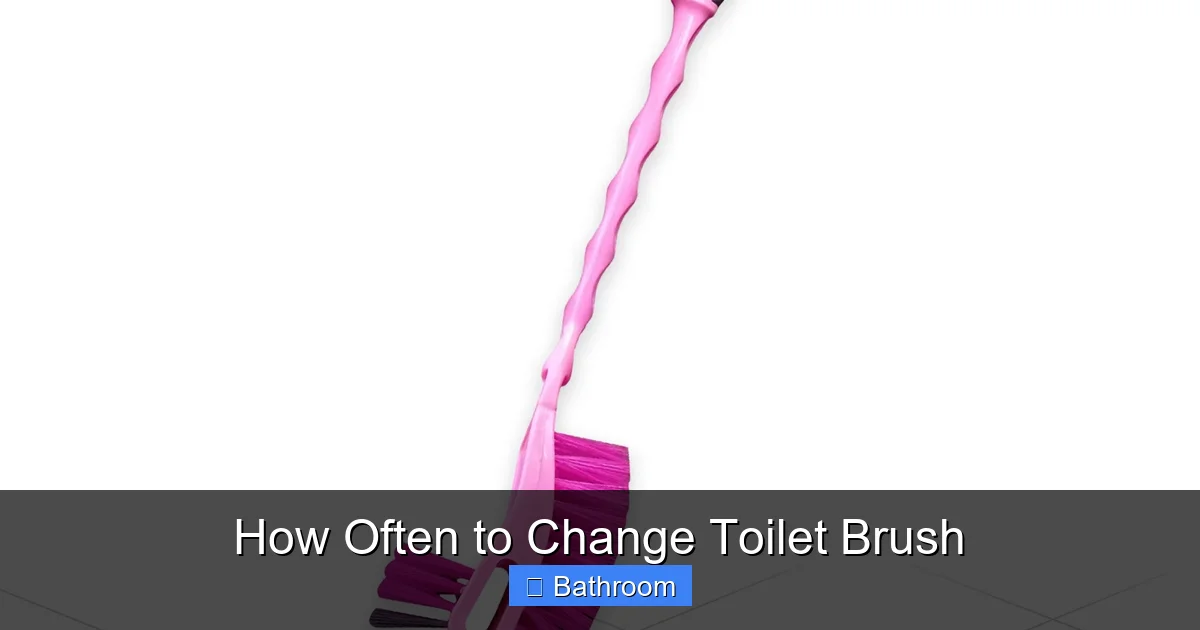
Visual guide about How Often to Change Toilet Brush
Image source: prakashsales.in
Manufacturer Guidelines
Most toilet brush manufacturers provide specific replacement recommendations. These are based on material durability, bristle resilience, and typical usage patterns. Always check the packaging or product manual for guidance. For example, brushes with natural bristles may need replacing more frequently than those with synthetic, antimicrobial bristles.
Usage Frequency
If your household uses the toilet multiple times a day—like in a family home or shared bathroom—you’ll likely need to replace the brush more often. High usage leads to faster wear and contamination. On the other hand, a single-user home with occasional cleaning may extend the brush’s life slightly.
Material and Quality
Cheap plastic brushes with stiff bristles tend to degrade quickly, often within a few months. High-quality brushes made from durable materials like nylon or fiberglass can last longer—but still require regular replacement. Look for brushes with replaceable heads if you want to extend usability while maintaining hygiene.
Signs It’s Time to Replace
Instead of relying solely on a calendar, pay attention to physical signs that your brush needs replacing:
- Frayed or broken bristles: If the bristles are no longer firm or are coming loose, the brush is losing effectiveness.
- Persistent odors: Even after cleaning, a bad smell suggests bacteria have built up inside the brush.
- Visible grime or discoloration: Dark stains or mold spots indicate it’s time for a new brush.
- Stiff or rough texture: Over time, bristles can harden, making them uncomfortable to use and less effective.
How to Properly Clean and Maintain Your Toilet Brush
Extending the life of your toilet brush—and ensuring it works effectively—starts with proper cleaning and maintenance. Here’s a step-by-step routine to keep your brush in top shape.

Visual guide about How Often to Change Toilet Brush
Image source: storables.com
Daily Cleaning Routine
After each use, rinse the brush under hot water to remove visible debris. Shake off excess water and store it upright in a holder. Never leave a wet brush lying flat—this promotes mold growth.
Weekly Deep Clean
Once a week, soak the brush in a disinfectant solution. You can use a mixture of water and bleach (1 part bleach to 3 parts water), white vinegar, or a commercial toilet brush cleaner. Let it soak for 10–15 minutes, then scrub with a brush cleaner or old toothbrush to remove buildup. Rinse thoroughly and allow it to air dry.
Proper Storage Solutions
Where you store your brush matters. Choose a holder with drainage holes or place it in a small container of disinfectant solution. Avoid enclosed, airtight containers—they trap moisture and encourage bacterial growth. A well-ventilated brush holder near the toilet is ideal.
DIY Cleaning Tips
- Vinegar soak: Soak the brush in undiluted white vinegar for 30 minutes to kill bacteria and remove mineral deposits.
- Lemon juice scrub: Rub the bristles with lemon juice to naturally disinfect and freshen the brush.
- Boiling water: Pour boiling water over the brush (if it’s heat-resistant) to sanitize the bristles.
Types of Toilet Brushes and Their Lifespans
Not all toilet brushes are created equal. The type you choose can impact how often you need to replace it. Let’s explore the most common options and their typical lifespans.
Traditional Bristle Brushes
These are the most common type, usually made of plastic with nylon bristles. They’re affordable and effective but tend to wear out within 3 to 4 months with regular use. The bristles can fray, and the plastic handle may become brittle.
Self-Cleaning Brushes
These innovative brushes often feature a built-in spray mechanism that rinses the bristles after each use. They’re more expensive but can last up to 6 months or longer due to reduced contamination. Brands like Brabantia and Simplehuman offer popular models.
Antimicrobial Brushes
Made with silver-ion or copper-infused bristles, these brushes resist bacterial growth. They’re ideal for households concerned about germs and can last 4 to 6 months. Look for certifications like EPA or FDA approval for antimicrobial claims.
Replaceable-Head Brushes
These systems have a reusable handle and disposable brush heads. You can clean the handle weekly and replace the head every 1 to 2 months. This is a great middle ground between cost, hygiene, and sustainability.
Bamboo or Natural Fiber Brushes
Eco-friendly options made from bamboo handles and natural fibers. While biodegradable, these brushes may need replacing every 2 to 3 months due to faster degradation. They’re best for occasional use or eco-conscious users.
When to Replace Your Toilet Brush: A Month-by-Month Guide
To help you stay on track, here’s a practical month-by-month guide to toilet brush care. This timeline assumes average household use and regular cleaning.
Month 1–2: Fresh Start
Your brush is new and effective. Use it daily, clean it after each use, and store it properly. At the end of month 2, inspect the bristles for any early signs of wear.
Month 3: First Inspection
This is your first checkpoint. Check for fraying, discoloration, or odor. If everything looks good, continue using it. If not, replace it now.
Month 4–5: Peak Performance
Your brush is still in good shape but nearing the end of its lifespan. Increase cleaning frequency and monitor for any changes in texture or smell.
Month 6: Time to Replace
Most experts recommend replacing your brush at the 6-month mark. Even if it looks okay, bacteria may have built up inside. It’s better to be safe than sorry.
Month 7+: Start Fresh
Once you’ve replaced your brush, restart the cycle. Keep a calendar reminder or set a phone alert to help you stay consistent.
DIY Toilet Brush Cleaning Solutions
You don’t need expensive cleaners to keep your brush hygienic. Here are some effective, affordable DIY solutions.
Chlorine Bleach Solution
Mix 1 cup of bleach with 1 gallon of water. Soak the brush for 10–15 minutes, then scrub and rinse thoroughly. Use in a well-ventilated area and avoid mixing with other cleaners.
White Vinegar Soak
Fill a container with undiluted white vinegar. Submerge the brush and let it sit for 30 minutes. This natural disinfectant kills bacteria and removes mineral deposits.
Baking Soda Paste
Make a paste with baking soda and water. Scrub the bristles with the paste to remove grime and odors. Rinse well afterward.
Hydrogen Peroxide Spray
Spray 3% hydrogen peroxide on the brush and let it sit for 5 minutes. It kills 99.9% of germs and is safe for most brush materials.
Eco-Friendly Toilet Brush Options
If you’re looking to reduce your environmental footprint, consider these sustainable toilet brush alternatives.
Replaceable-Head Brushes
Brands like Squatty Potty and Ecoclean offer handles that last years, with biodegradable or recyclable brush heads. This reduces plastic waste significantly.
Bamboo Brushes
Bamboo is a fast-growing, renewable resource. Look for brushes with bamboo handles and compostable bristles. They’re stylish and eco-conscious.
Recycled Plastic Brushes
Some companies use recycled ocean plastic to make brushes. These are durable, effective, and help reduce marine pollution.
Compostable Brushes
Brushes made from plant-based materials can be composted at the end of their life. Check for certifications like BPI or OK Compost.
Common Mistakes People Make with Toilet Brushes
Avoid these frequent errors to keep your brush effective and hygienic.
Leaving the Brush in a Wet Holder
Moisture is the enemy of cleanliness. Always dry the brush thoroughly before storing or use a holder with drainage.
Using the Same Brush for Years
Even with cleaning, a brush can’t be disinfected completely. Replace it regularly to avoid cross-contamination.
Storing Near Cleaning Supplies
Keep the brush away from harsh chemicals. Store it in a dedicated holder to prevent chemical damage.
Not Cleaning After Use
Rinsing the brush after each use is essential. Don’t skip this step—it prevents buildup and extends the brush’s life.
Using Harsh Chemicals
Avoid abrasive cleaners that can damage bristles. Stick to mild disinfectants and natural solutions.
How to Choose the Right Toilet Brush for Your Needs
With so many options available, selecting the right toilet brush can be overwhelming. Consider these factors when making your choice.
Budget
Basic brushes start around $5, while high-end models can cost $30 or more. Determine how much you’re willing to spend and balance it with quality and features.
Household Size
Larger families may benefit from self-cleaning or antimicrobial brushes for better hygiene. Singles or couples might opt for simpler, affordable models.
Storage Space
If you have limited space, choose a compact brush or one that fits neatly under the toilet. Wall-mounted holders can save counter space.
Eco-Consciousness
Look for brushes made from sustainable materials or with replaceable parts. This reduces waste and supports eco-friendly practices.
Ease of Cleaning
Some brushes are easier to clean than others. Self-cleaning models or those with smooth surfaces are ideal for busy households.
Signs You’re Overdue for a New Toilet Brush
Pay attention to these warning signs—they’re your body’s way of telling you it’s time for a new brush.
Persistent Bad Smell
If your brush still smells bad after cleaning, bacteria have likely taken hold. Replace it immediately.
Bristles Are Brittle or Hard
Over time, bristles can dry out and become stiff. This reduces cleaning power and can scratch the toilet.
Visible Mold or Mildew
Black or green spots indicate mold growth. This is a serious health risk and means the brush is contaminated.
Handle Is Cracked or Loose
A damaged handle is unsafe and can harbor bacteria. Replace the entire brush if the handle is compromised.
You’ve Used It for Over 6 Months
Even if it looks fine, bacteria may have built up inside. It’s better to replace it on schedule than risk contamination.
Conclusion: Keep Your Bathroom Clean and Healthy
Knowing how often to change toilet brush is a simple habit that makes a big difference in your home’s hygiene. By replacing your brush every 3 to 6 months and maintaining a consistent cleaning routine, you protect your family’s health and ensure your bathroom stays spotless.
Remember, a clean brush is just as important as a clean toilet. Invest in quality, clean it properly, and replace it when needed. Your future self—and your guests—will thank you.
Frequently Asked Questions
How often should you change your toilet brush?
You should replace your toilet brush every 3 to 6 months for optimal hygiene and performance. This timeframe balances cleanliness, effectiveness, and cost. Always check for signs of wear or contamination, as some brushes may need replacing sooner.
Can you clean and reuse a toilet brush indefinitely?
No, even with thorough cleaning, toilet brushes can’t be fully disinfected. Bacteria and mold can accumulate inside the bristles and handle. Replacing your brush every 3 to 6 months is essential to prevent cross-contamination and maintain a hygienic bathroom.
What are the signs it’s time to replace my toilet brush?
Look for frayed or broken bristles, persistent odors, visible mold or discoloration, a stiff or rough texture, or a cracked handle. These signs indicate the brush is no longer effective or safe to use. Even if it looks clean, replace it after 6 months.
Can I use bleach to clean my toilet brush?
Yes, you can use a diluted bleach solution (1 part bleach to 3 parts water) to disinfect your brush. Soak it for 10–15 minutes, scrub thoroughly, and rinse well. Always use in a well-ventilated area and avoid mixing with other cleaners.
Are self-cleaning toilet brushes worth the investment?
Yes, self-cleaning brushes are worth it for households concerned about hygiene. They rinse the bristles after each use, reducing contamination and extending the brush’s life. While more expensive, they offer convenience and peace of mind.
How can I extend the life of my toilet brush?
Clean the brush after each use, store it upright in a well-ventilated holder, and perform a weekly deep clean with disinfectant. Avoid leaving it in a wet container and replace it on schedule. Proper maintenance can help your brush last closer to 6 months.