How Often to Replace Toilet Brush
Replacing your toilet brush regularly is essential for hygiene and bathroom cleanliness. Most experts recommend every 3 to 6 months, but usage, material, and cleaning habits can affect this timeline. A worn-out brush can harbor bacteria and reduce cleaning effectiveness, so staying proactive helps prevent odors and buildup.
Key Takeaways
- Replacement Frequency: Replace your toilet brush every 3 to 6 months for optimal hygiene and performance.
- Signs to Replace: Look for wear, discoloration, mold, or a foul smell—these indicate it’s time for a new brush.
- Material Matters: Bristle type (nylon vs. natural fibers) affects durability and cleaning power, influencing replacement timing.
- Cleaning Habits: Frequent use or improper cleaning can shorten the lifespan of your brush; rinse and disinfect after each use.
- Storage Importance: Store the brush upright and dry to prevent bacterial growth and extend its life.
- Upgrade Options: Consider self-cleaning or antimicrobial brushes for easier maintenance and longer usability.
- Environmental Impact: Opt for eco-friendly, recyclable brushes when replacing to reduce waste in your home.
📑 Table of Contents
- How Often to Replace Toilet Brush: A Complete Guide to Hygiene and Maintenance
- Why Toilet Brushes Need Regular Replacement
- Signs It’s Time to Replace Your Toilet Brush
- How to Extend the Life of Your Toilet Brush
- Choosing the Right Toilet Brush for Your Needs
- DIY vs. Store-Bought: What’s Better?
- Environmental Impact: What Happens When You Throw It Away?
- When to Replace Based on Usage
- Frequently Asked Questions
- Final Thoughts: Keep Your Bathroom Clean and Safe
How Often to Replace Toilet Brush: A Complete Guide to Hygiene and Maintenance
Let’s be honest—no one enjoys talking about toilet brushes. But here’s the thing: your bathroom hygiene starts (and often ends) with this humble cleaning tool. The toilet brush is one of the most used items in your bathroom, yet it’s also one of the most overlooked when it comes to maintenance. How often should you replace it? That’s the million-dollar question, and the answer isn’t just a number—it depends on usage, material, and how well you care for it.
Most people think a toilet brush is good to go forever—until it starts falling apart or, worse, starts smelling funky. But the truth is, toilet brushes are designed to get dirty. They’re meant to scrub away waste, and with every use, they collect bacteria, mold, and grime. If you’re not replacing your brush regularly, you’re essentially reapplying the same dirty bristles every time you clean. That’s not clean—it’s just moving the mess around.
In this guide, we’ll walk you through everything you need to know about how often to replace your toilet brush, why it matters, and how to spot the signs that it’s time for a new one. Whether you’ve had the same brush for two years or just bought a new one, you’ll walk away with practical tips to keep your bathroom fresh, clean, and bacteria-free.
Why Toilet Brushes Need Regular Replacement
Toilet brushes are more than just a cleaning tool—they’re a breeding ground for bacteria. Every time you use them, they come into contact with fecal matter, urine, and other bathroom contaminants. Over time, these materials can seep into the bristles, handle, and base, creating a haven for germs and mold.
Visual guide about How Often to Replace Toilet Brush
Image source: citizenside.com
The Dangers of an Old Toilet Brush
An old or worn-out toilet brush doesn’t just look gross—it can actually make your bathroom dirtier. Here’s why:
- Bacteria Buildup: Studies show that toilet brushes can harbor E. coli and other harmful bacteria. If you’re not replacing them regularly, you’re reintroducing these germs every time you clean.
- Mold and Mildew: Damp bristles and a moist base create the perfect environment for mold. Even if you clean the brush, mold spores can linger and grow.
- Reduced Cleaning Power: Worn bristles lose their effectiveness. A frayed brush can’t scrub as well, leaving behind residue and streaks.
- Unpleasant Odors: A musty smell coming from your brush holder? That’s mold or bacteria breaking down organic matter. It’s not just smelly—it’s a health risk.
Replacing your brush isn’t just about aesthetics. It’s about protecting your family’s health and maintaining a truly clean bathroom.
How Long Should a Toilet Brush Last?
On average, most toilet brushes should be replaced every 3 to 6 months. This timeframe accounts for regular use and proper cleaning. However, some factors can shorten or extend this lifespan:
- Frequency of Use: If you clean the toilet daily, your brush may wear out faster than someone who cleans only a few times a week.
- Bristle Material: Nylon bristles are durable and resistant to wear, while natural fibers may degrade faster.
- Cleaning Routine: Brushes that are rinsed, disinfected, and dried after each use tend to last longer.
- Storage Conditions: A dry, well-ventilated holder helps prevent mold and extends the brush’s life.
Think of your toilet brush like a kitchen sponge—it’s meant to be replaced regularly. The difference is, a sponge is obvious when it’s worn out. A toilet brush? Not so much. That’s why it’s important to follow a replacement schedule.
Signs It’s Time to Replace Your Toilet Brush
You might think, “It still looks okay,” but trust us—your nose and eyes are better indicators than appearances. Here are the top signs that it’s time to swap out your brush:

Visual guide about How Often to Replace Toilet Brush
Image source: homelization.com
1. Visible Wear and Tear
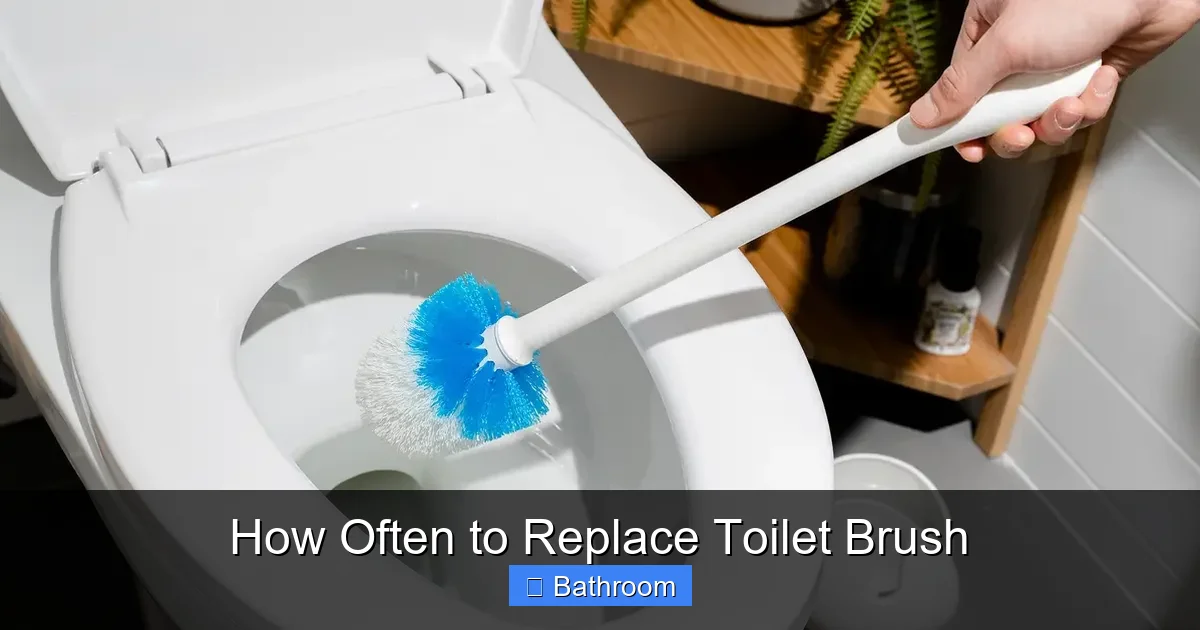
Over time, bristles fray, become loose, or lose their stiffness. If you notice the bristles are bent, tangled, or falling off, the brush is no longer effective. A weak brush can’t scrub properly, leaving behind stains and residue.
Example: You’ve had the same brush for 5 months. After a cleaning, you notice the bristles are splayed out and can’t hold their shape. That’s a clear sign it’s time for a new one.
2. Discoloration or Staining
Stains on the bristles, handle, or base are a red flag. These stains are often the result of mineral buildup, old cleaning chemicals, or bacterial growth. Even if you clean the brush regularly, stains can linger and indicate deeper issues.
3. Mold or Mildew Growth
Mold is not just ugly—it’s a health hazard. If you see black, green, or white spots on the brush or in the holder, that’s mold. It thrives in damp, dark environments, and a toilet brush holder is basically its dream home.
Tip: If mold appears, clean the holder with a bleach solution (1 part bleach to 10 parts water), rinse thoroughly, and let it dry completely before inserting a new brush.
4. Foul Odors
A musty, sour, or ammonia-like smell coming from the brush or holder means bacteria or mold are breaking down organic matter. Even after cleaning, the odor may persist—this is a strong signal that the brush is contaminated.
5. Reduced Cleaning Performance
If your toilet still has streaks, rings, or stains after using the brush, it’s likely time for a replacement. A worn brush can’t do the job properly, and you might start using more cleaning products to compensate—leading to chemical buildup.
6. Cracks or Damage to the Handle
A cracked or broken handle isn’t just inconvenient—it can harbor dirt and bacteria. If the handle is damaged, it’s safer and cleaner to replace the entire brush.
Pro Tip: Check the brush every month. Look for any of the above signs. Prevention is easier than dealing with a moldy mess.
How to Extend the Life of Your Toilet Brush
While you should replace your toilet brush regularly, you can make it last longer with a few simple habits. Think of it like taking care of a pet—consistent care leads to better performance and a longer life.
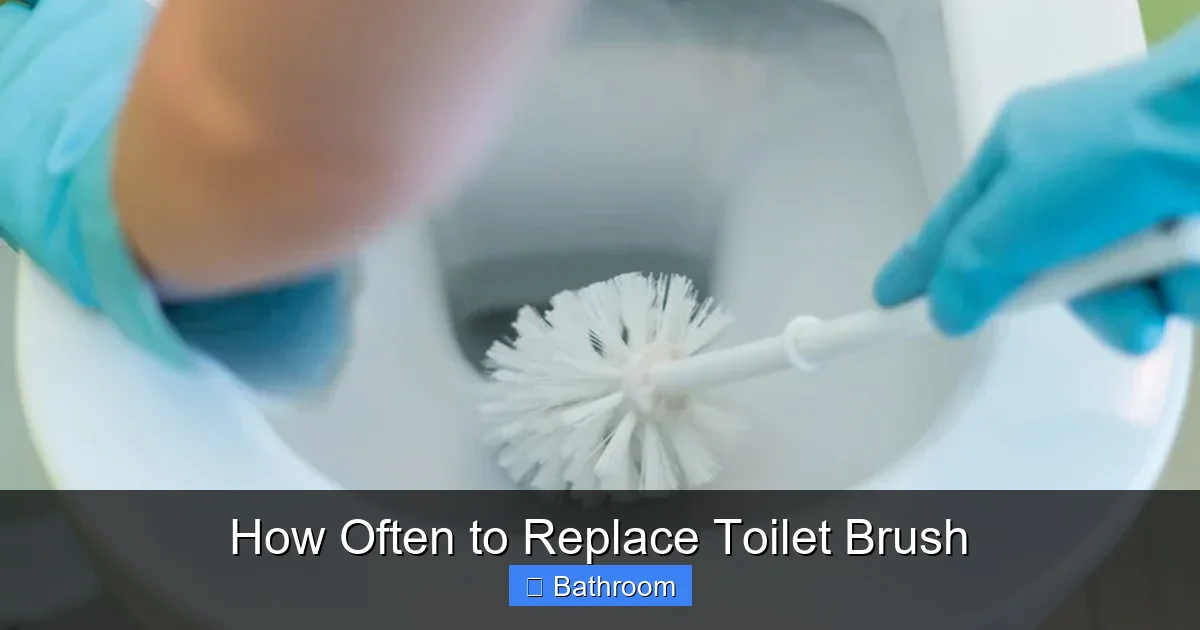
Visual guide about How Often to Replace Toilet Brush
Image source: hunker.com
Clean After Every Use
Don’t let the brush sit in a dirty holder. After each cleaning, rinse the brush thoroughly under running water. Shake off excess water and let it air dry upright in a holder with ventilation. This prevents moisture buildup and slows mold growth.
Disinfect Weekly
Once a week, soak the brush in a disinfecting solution. You can use:
- White vinegar and water (1:1 ratio)
- Baking soda paste
- Disinfectant spray or bleach solution (diluted, then rinsed well)
Let the brush soak for 10–15 minutes, then rinse and dry. This kills bacteria and keeps the brush fresh.
Store It Properly
Choose a brush holder with drainage holes or a slot to allow airflow. Avoid enclosed or decorative holders that trap moisture. If your holder doesn’t have ventilation, consider switching to one that does.
Avoid Harsh Chemicals
While bleach kills germs, it can degrade bristles over time. Use it sparingly and always rinse the brush thoroughly afterward. Opt for gentler disinfectants like hydrogen peroxide or vinegar for regular cleaning.
Rotate Brushes
If you have two brushes, use one while the other dries. This gives each brush time to air out and reduces the chance of cross-contamination.
Example: You clean the toilet in the morning. Use Brush A, then rinse and dry it. In the evening, use Brush B. By the next day, Brush A is dry and ready to go again.
Choosing the Right Toilet Brush for Your Needs
Not all toilet brushes are created equal. When it’s time to replace yours, consider these factors to pick a better, longer-lasting option:
Material and Bristle Type
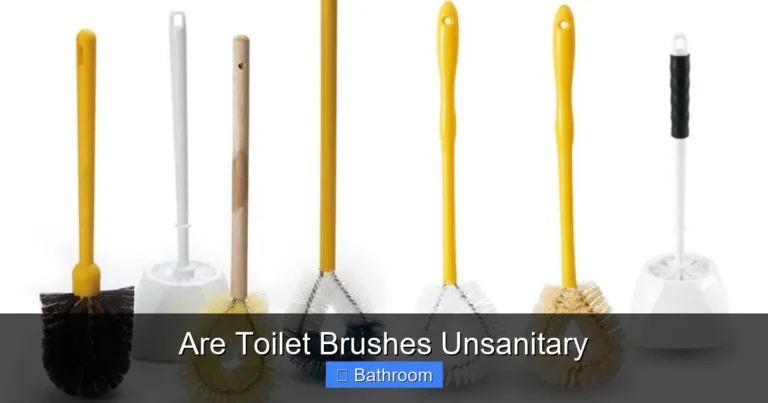
Nylon Bristles: Durable, resistant to wear, and easy to clean. Ideal for daily use.
Natural Fiber Bristles: Softer and gentler, but may degrade faster and hold more moisture. Best for occasional use.
Silicone Bristles: Smooth, non-porous, and easy to wipe clean. Great for mold prevention.
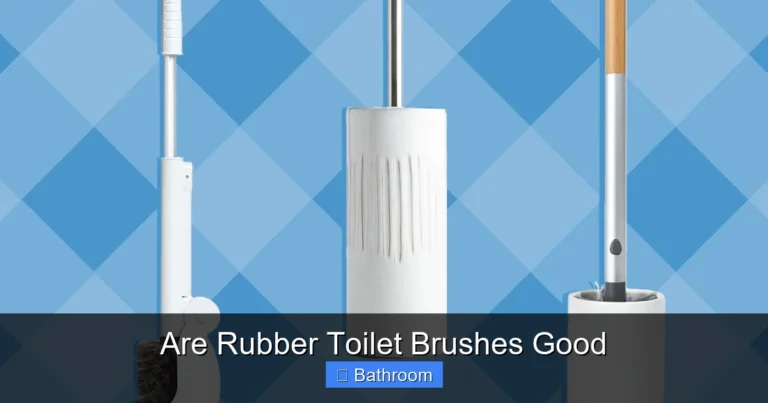
Brush Holder Design
Look for holders with:
- Ventilation slots
- Drainage holes
- Easy-to-clean surfaces
- Antimicrobial coatings
A good holder makes a big difference. It keeps the brush dry and reduces the need for frequent replacement.
Self-Cleaning or Antimicrobial Features
Some modern brushes come with built-in UV sanitizers, automatic cleaning cycles, or antimicrobial materials. These can reduce bacterial growth and make maintenance easier.
Example: The OXO Good Grips Toilet Brush with Squeeze Handle is a popular choice. It has a squeeze handle that helps control cleaning solution, and the holder is designed for drainage and ventilation.
Eco-Friendly Options
If you’re concerned about waste, look for brushes made from recycled materials or those that are recyclable. Some brands offer brush heads that can be replaced separately, reducing plastic waste.
DIY vs. Store-Bought: What’s Better?
You might be tempted to make your own toilet brush using a sponge, old toothbrush, or even a mop head. While this can save money, it comes with risks:
- DIY brushes are often harder to clean and dry properly.
- They may not be designed for the harsh chemicals used in toilet cleaning.
- They can harbor bacteria in crevices and holes.
- Choose Recyclable Materials: Look for brushes made from biodegradable or recyclable materials.
- Buy in Bulk: Some stores sell multipacks, reducing packaging waste.
- Recycle Properly: Check with your local recycling program. Some accept plastic brushes, but others do not.
- Consider Reusable Alternatives: For a zero-waste option, try a washable cloth or reusable sponge system with a dedicated holder.
Store-bought brushes are engineered for bathroom use. They’re made with materials that resist mold, withstand cleaning chemicals, and are easy to sanitize. Plus, they come with holders designed for hygiene.
Verdict: For cleanliness and safety, stick with a quality store-bought toilet brush. It’s a small investment that pays off in health and peace of mind.
Environmental Impact: What Happens When You Throw It Away?
Every time you toss a plastic toilet brush and holder into the trash, you’re contributing to plastic waste. Most brushes end up in landfills, where they can take hundreds of years to decompose.
Here’s how to reduce your environmental footprint:
Even small changes add up. Over a year, replacing one brush every 4 months means 3 replacements. If each brush contains 50g of plastic, that’s 150g of waste. Switching to eco-friendly options can cut that down significantly.
When to Replace Based on Usage
Your bathroom habits directly affect how often you need to replace your brush. Let’s break it down by lifestyle:
Daily Use (3–5 Times a Week)
If you clean the toilet every day, your brush will likely need replacing every 3 to 4 months. The frequent use wears down bristles faster, and moisture buildup increases mold risk.
Weekly Use (Once or Twice a Week)
For occasional cleaning, a brush can last 5 to 6 months. Just make sure to clean and dry it thoroughly after each use.
Monthly or Less Frequent Use
If you only clean the toilet once a month, you might get 6 to 8 months out of a brush. However, don’t rely on usage alone—check for signs of wear or mold.
Large Households or Multiple Bathrooms
In homes with 3+ people or multiple bathrooms, brushes wear out faster due to increased use. Consider keeping two brushes on rotation and replacing each every 3 months.
Frequently Asked Questions
How often should I replace my toilet brush?
You should replace your toilet brush every 3 to 6 months, depending on usage and care. Look for signs like wear, mold, or odor to determine when it’s time.
Can I clean and reuse an old toilet brush?
Yes, but only if it’s in good condition. Clean it thoroughly with disinfectant, rinse well, and let it dry completely. If it has mold, cracks, or strong odors, it’s better to replace it.
Do toilet brushes really need to be replaced?
Yes. A worn brush can’t clean effectively and may harbor bacteria and mold. Regular replacement ensures a cleaner, healthier bathroom.
What’s the best way to clean a toilet brush?
Rinse after each use, soak weekly in a disinfectant solution, and store upright in a ventilated holder. Avoid letting it sit wet.
Are silicone toilet brushes better than nylon?
Silicone brushes are easier to clean and resist mold, but nylon is more durable for scrubbing tough stains. Choose based on your needs.
Can I recycle a broken toilet brush?
Check with your local recycling program. Some accept plastic brushes, but many do not. Consider eco-friendly brands that offer recycling programs.
Final Thoughts: Keep Your Bathroom Clean and Safe
Replacing your toilet brush isn’t just about cleanliness—it’s about health, hygiene, and peace of mind. A simple 3-to-6-month replacement schedule can prevent mold, reduce bacteria, and keep your bathroom smelling fresh.
Remember, the best brush is the one you care for. Take a few minutes each week to clean and inspect your brush. Spot mold early, rinse after use, and store it properly. These small habits make a big difference.
And when it’s time to replace your brush, choose one that’s durable, easy to clean, and kind to the environment. Your future self—and your family—will thank you.
So go ahead, grab that new brush, and give your toilet the clean it deserves. After all, a clean bathroom starts with a clean brush.
Frequently Asked Questions
How often should I replace my toilet brush?
You should replace your toilet brush every 3 to 6 months, depending on usage and care. Look for signs like wear, mold, or odor to determine when it’s time.
Can I clean and reuse an old toilet brush?
Yes, but only if it’s in good condition. Clean it thoroughly with disinfectant, rinse well, and let it dry completely. If it has mold, cracks, or strong odors, it’s better to replace it.
Do toilet brushes really need to be replaced?
Yes. A worn brush can’t clean effectively and may harbor bacteria and mold. Regular replacement ensures a cleaner, healthier bathroom.
What’s the best way to clean a toilet brush?
Rinse after each use, soak weekly in a disinfectant solution, and store upright in a ventilated holder. Avoid letting it sit wet.
Are silicone toilet brushes better than nylon?
Silicone brushes are easier to clean and resist mold, but nylon is more durable for scrubbing tough stains. Choose based on your needs.
Can I recycle a broken toilet brush?
Check with your local recycling program. Some accept plastic brushes, but many do not. Consider eco-friendly brands that offer recycling programs.