How to Clean a Microfiber Duster
Keeping your microfiber duster clean is essential for effective dusting and maintaining indoor air quality. Regular cleaning prevents bacteria buildup and extends the life of your duster. In this guide, we’ll walk you through simple, safe methods to clean your microfiber duster—whether it’s washable or not—and share pro tips to keep it working like new.
Key Takeaways
- Know if your duster is washable: Most microfiber dusters can be machine or hand-washed, but always check the care label first.
- Wash separately: Always clean your microfiber duster alone to avoid lint transfer and preserve its electrostatic properties.
- Use cold water and mild detergent: Hot water can damage microfiber, and harsh detergents may reduce its dust-attracting power.
- Air-dry only: Avoid the dryer—heat can melt or shrink microfiber. Hang it outside or lay it flat to dry.
- Deep clean monthly: For high-use areas, clean your duster every 2–4 weeks to maintain performance and hygiene.
- Store properly: Keep your duster in a dry place and avoid folding it tightly to preserve its texture.
- Replace when worn: If the duster loses fluffiness or starts shedding, it’s time for a replacement.
📑 Table of Contents
- How to Clean a Microfiber Duster: A Complete Guide
- Understanding Microfiber Dusters
- How to Tell If Your Microfiber Duster Is Washable
- Step-by-Step: How to Clean a Microfiber Duster
- Common Mistakes to Avoid When Cleaning Microfiber
- Pro Tips for Maintaining Your Microfiber Duster
- Eco-Friendly Alternatives and Reusable Options
- When to Replace Your Microfiber Duster
- Conclusion: Keep Your Duster Clean, Keep Your Home Clean
How to Clean a Microfiber Duster: A Complete Guide
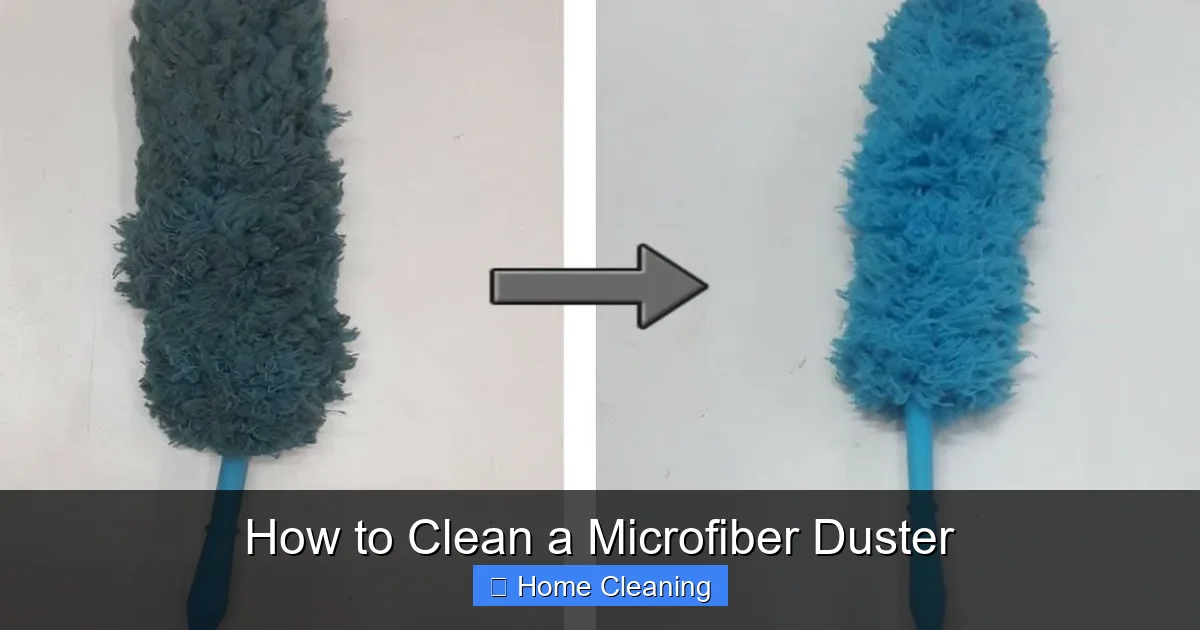
Let’s be honest—microfiber dusters are lifesavers. They trap dust, dander, and allergens like magic, making them a favorite among homeowners and cleaning enthusiasts alike. But here’s the thing: even the best tools lose their edge if not maintained properly. A dirty microfiber duster doesn’t just stop working—it starts spreading dust around instead of capturing it. Worse, over time, it can become a breeding ground for bacteria and mold.
That’s why knowing how to clean a microfiber duster is so important. Whether you’re using it daily to wipe down shelves or monthly to dust your TV screen, a clean duster means cleaner air and a more hygienic home. In this guide, we’ll walk you through every step—from identifying whether your duster is washable to deep-cleaning it without damage. We’ll also share pro tips to extend its life and keep it performing at its best. Ready to master the art of microfiber care? Let’s get started.
Understanding Microfiber Dusters
What Makes Microfiber So Effective?
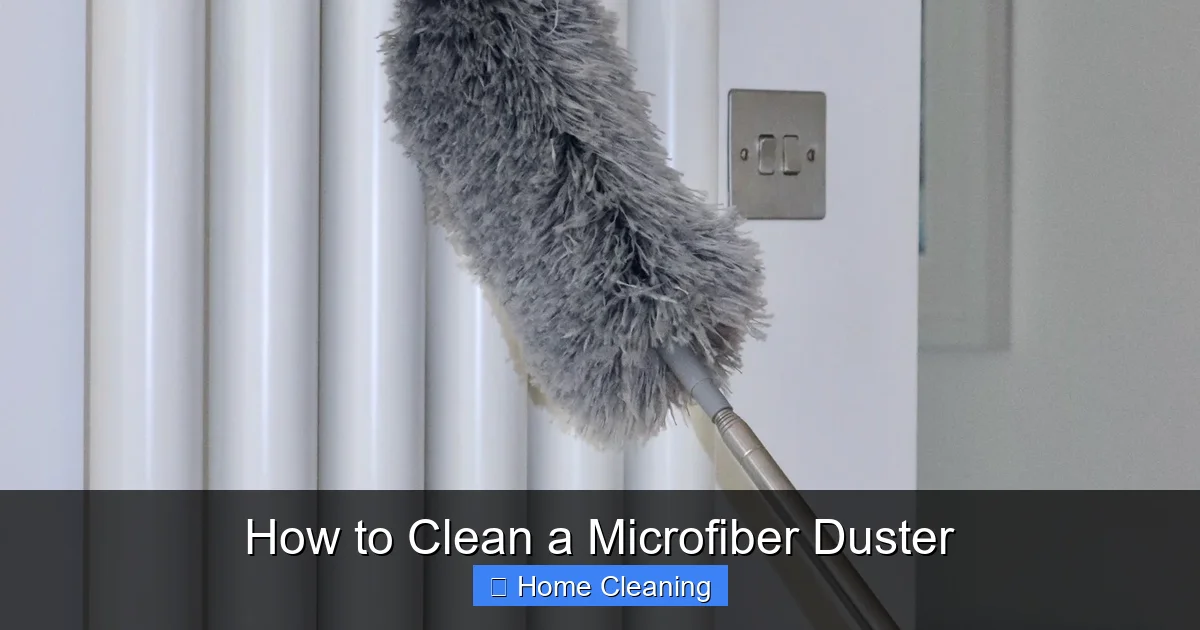
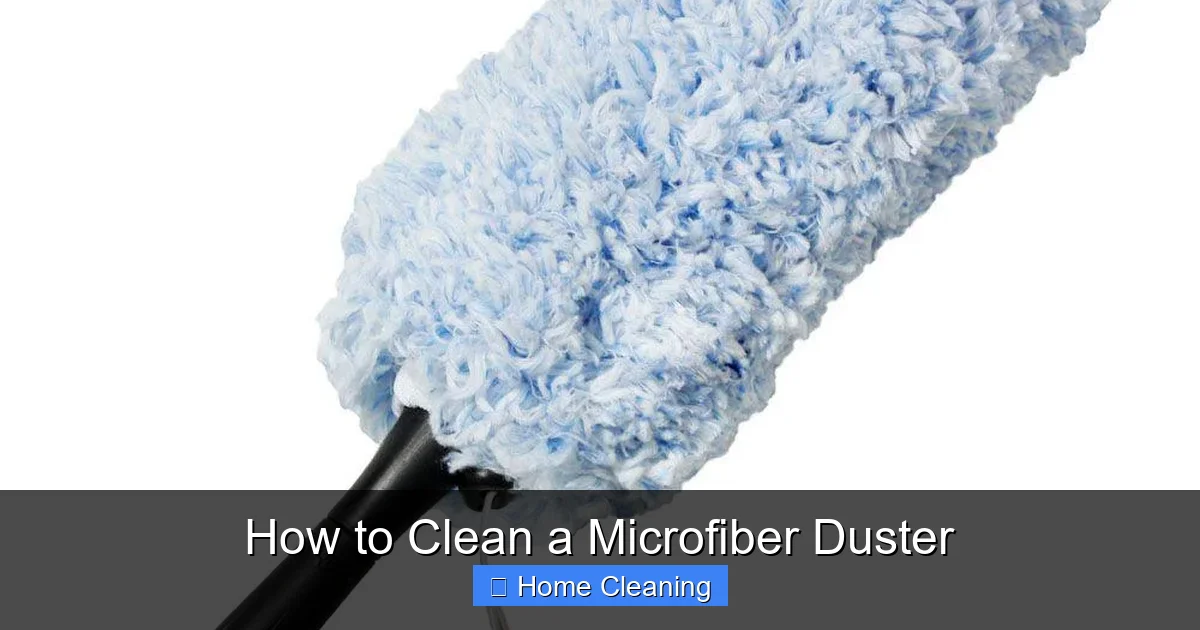
Microfiber is a synthetic fabric made from polyester and polyamide fibers, woven so tightly that each strand is thinner than a human hair. This creates an incredible surface area that attracts and traps dust, dirt, and allergens through both mechanical and electrostatic means. The tiny fibers create static electricity, which pulls in fine particles like a magnet—even when dry.
Visual guide about How to Clean a Microfiber Duster
Image source: storables.com
Unlike traditional feather dusters or cloths, microfiber doesn’t just push dust around. It actually captures it. That’s why it’s so popular for electronics, mirrors, and delicate surfaces where you can’t use liquids. But this efficiency comes with a catch: microfiber holds onto dust, oil, and bacteria. If not cleaned regularly, it can become a source of indoor pollution.
Types of Microfiber Dusters
Not all microfiber dusters are created equal. Some are designed to be disposable, while others are built to last with machine-washable heads. Here’s a quick breakdown:
- Disposable Microfiber Dusters: These often come in packs and are meant for single use. They’re great for quick cleanups but aren’t eco-friendly or cost-effective long-term.
- Washable Microfiber Dusters: Most reusable models have replaceable heads or are made of washable materials. These are ideal for frequent use and better for the environment.
- Specialty Dusters: Some have extendable handles, rotating heads, or anti-static coatings. Always check the manufacturer’s instructions for cleaning.
Why Cleaning Matters
Over time, your microfiber duster builds up a layer of dust, skin cells, pet dander, and even cooking oils. This residue reduces its ability to attract new particles and can lead to cross-contamination between rooms. A study by the Indoor Air Quality Association found that uncleaned microfiber cleaning tools can transfer up to 30% more allergens than clean ones.
Regular cleaning also prevents the buildup of mold and mildew—especially in humid climates. And let’s not forget: a clean duster just feels better to use. No gritty buildup, no shedding fibers. Just smooth, effective dusting every time.
How to Tell If Your Microfiber Duster Is Washable
Check the Label
The easiest way to know if your duster is washable is to look for a care label. Most microfiber products include a tag with washing instructions. If it says “machine washable” or “hand wash,” you’re good to go. If there’s no label, don’t panic—many brands omit it, but most high-quality microfiber dusters are designed to be cleaned.
Visual guide about How to Clean a Microfiber Duster
Image source: cleaningbasic.com
Test a Small Area
If you’re unsure, do a quick test. Wet a small section of the duster and rub it gently. If it starts to fray or lose texture, it may not hold up to washing. But if it stays intact, it’s likely safe to clean. Also, check if the duster has a removable head—this is a strong indicator it’s made for repeated cleaning.
Watch for Warning Signs
Be cautious with dusters that are:
- Made of mixed materials (like plastic and foam)
- Have glued or stitched-on attachments
- Are labeled “dry clean only” or “do not wash”
These often can’t handle water and may warp or degrade in the wash.
Step-by-Step: How to Clean a Microfiber Duster
Method 1: Machine Washing (Best for Washable Dusters)
If your duster is machine washable, this is the most efficient method. Follow these steps:
Visual guide about How to Clean a Microfiber Duster
Image source: images.homedepot-static.com
- Remove the Head (if possible): Some dusters have detachable heads for easy cleaning. If yours does, pop it off and wash it separately.
- Pre-Treat Sticky Spots: If there’s dried-on grime, dab a small amount of mild detergent on it before washing.
- Use Cold Water: Hot water can damage microfiber and reduce its electrostatic charge. Stick to cold or warm water.
- Add Mild Detergent: Avoid fabric softeners, bleach, or harsh cleaners. These can coat the fibers and reduce their ability to trap dust.
- Wash Alone: Never wash your microfiber duster with towels, clothes, or other lint-producing items. Lint can stick to the duster and reduce its effectiveness.
- Air Dry: After washing, hang the duster outside in the sun or lay it flat in a well-ventilated area. Never put it in the dryer. Heat can melt the fibers or cause shrinkage.
Method 2: Hand Washing (For Delicate or Unsure Dusters)
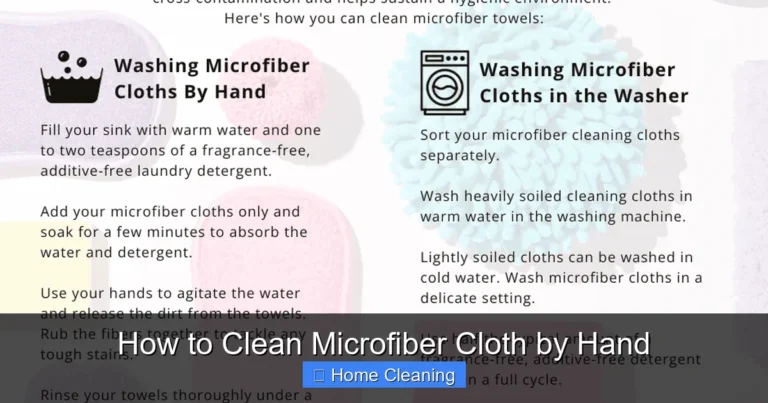
If you’re worried about machine washing or the duster isn’t labeled, hand washing is a safe alternative:
- Fill a Basin with Cold Water: Use just enough water to fully submerge the duster.
- Add Mild Soap: A drop of dish soap or laundry detergent works well. Avoid anything with enzymes or brighteners.
- Soak for 10–15 Minutes: Let the duster sit to loosen trapped dirt.
- Gently Agitate: Swirl it around with your hands—don’t scrub harshly. Rough handling can damage the fibers.
- Rinse Thoroughly: Make sure all soap is rinsed out. Leftover residue can attract more dust.
- Squeeze Out Excess Water: Don’t wring it. Gently press water out with a towel.
- Air Dry Flat: Lay it on a clean towel and let it dry completely before using.
Method 3: Spot Cleaning (Quick Fix for Light Dust)
For light dust buildup, you don’t always need a full wash. Try this quick fix:
- Use a damp microfiber cloth to wipe the duster.
- Alternatively, tap it gently over a trash can or outside to dislodge loose dust.
- For sticky spots, lightly dampen a cloth with water and dab the area.
This method is great for between deep cleans, but it won’t remove deep-seated grime or bacteria.
Common Mistakes to Avoid When Cleaning Microfiber
Using Hot Water
Hot water can melt the synthetic fibers and destroy the electrostatic charge that makes microfiber so effective. Always stick to cold or lukewarm water.
Using Fabric Softener
Fabric softener coats microfiber in a waxy residue, which reduces its ability to attract dust. Skip it completely—even “microfiber-safe” softeners can cause buildup.
Washing with Towels or Clothes
Towels shed lint, and clothing can transfer oils and fibers. These can stick to your duster and reduce its performance. Wash microfiber items alone.
Using the Dryer
Heat from the dryer can shrink microfiber and damage its delicate structure. Always air dry.
Using Bleach or Harsh Cleaners
Bleach breaks down fibers and can cause yellowing. Harsh cleaners may also degrade the material over time. Stick to mild, fragrance-free detergents.
Overwashing
While cleaning is important, too much washing can wear out the duster faster. Once a month is usually enough for light use, but weekly for heavy use.
Pro Tips for Maintaining Your Microfiber Duster
Shake It Out Regularly
After each use, give your duster a good shake outside to remove loose dust. This prevents buildup and extends time between cleanings.
Use It on Dry Surfaces First
Always dust dry surfaces before using a damp cloth. This prevents pushing dirt into pores and makes cleaning easier.
Rotate Multiple Dusters
If you have several dusters, rotate them. This gives each one time to dry completely and reduces wear on any single tool.
Store in a Dry Place
Moisture encourages mold. After cleaning, make sure your duster is fully dry before storing it in a closet or drawer.
Replace When Needed
Even with proper care, microfiber loses effectiveness over time. If it’s no longer fluffy or starts shedding, it’s time for a new one. Most high-quality dusters last 6–12 months with regular use.
Use a Vacuum Attachment
For deep cleaning between washes, use a vacuum with a brush attachment to gently remove embedded dust from the duster’s surface.
Eco-Friendly Alternatives and Reusable Options
Choose Washable Models
Invest in a microfiber duster designed for reuse. These are better for the environment and save money in the long run. Look for models with replaceable heads or machine-washable bodies.
Reuse Before Washing
Can you use the duster again after a quick shake? If so, go for it. Reusing reduces water and energy use.
Compost or Recycle Responsibly
When it’s time to replace your duster, check if it can be recycled. Some microfiber products are accepted in textile recycling programs. Avoid throwing them in the trash.
DIY Microfiber Cloth
You can even make your own microfiber cloths using old polyester-cotton blends. While not as effective as commercial microfiber, they’re a fun eco-project.
When to Replace Your Microfiber Duster
Signs It’s Time
- The duster feels stiff or rough
- It’s shedding fibers
- It no longer picks up dust effectively
- There’s visible mold or mildew
- The color has faded significantly
How Long Should It Last?
With proper care, a high-quality microfiber duster can last 6–12 months. Disposable models should be replaced after each use or every few weeks if heavily used.
Cost vs. Benefit
While washable dusters cost more upfront, they pay for themselves over time. A $20 reusable duster can replace $50 in disposables over a year.
Conclusion: Keep Your Duster Clean, Keep Your Home Clean
Cleaning your microfiber duster isn’t just about cleanliness—it’s about performance, health, and sustainability. A well-maintained duster traps more dust, lasts longer, and helps keep your indoor air quality high. Whether you choose machine washing, hand washing, or spot cleaning, the key is consistency and using the right techniques.
Remember: how to clean a microfiber duster is simple when you know the basics. Use cold water, mild detergent, and air drying. Avoid fabric softeners, hot water, and the dryer. Shake it out after use, and deep clean monthly. With these habits, your duster will stay fluffy, effective, and hygienic for months.
So the next time you reach for your duster, take a moment to assess its cleanliness. A quick shake, a gentle wash, or a thorough rinse can make all the difference. Your home—and your lungs—will thank you.
Frequently Asked Questions
Can I put my microfiber duster in the washing machine?
Yes, if it’s labeled as machine washable. Use cold water and mild detergent, and wash it alone to avoid lint transfer. Always air dry—never use the dryer.
How often should I clean my microfiber duster?
Clean it every 2–4 weeks if used frequently. For light use, once a month is sufficient. Shake it out after each use to reduce buildup.
Is it safe to use fabric softener on microfiber?
No. Fabric softener coats microfiber in residue, reducing its ability to attract dust. Skip it entirely and stick to mild, fragrance-free detergents.
Can I use hot water to clean microfiber?
No. Hot water can damage the fibers and destroy the electrostatic charge. Always use cold or warm water for washing.
How do I remove stubborn stains from a microfiber duster?
Pre-treat with a small amount of mild detergent before washing. Gently rub the stain with your fingers or a soft brush, then wash as usual.
Can I reuse a microfiber duster without washing it?
Yes, briefly. If it’s only lightly dusty, shake it outside or use a vacuum brush to remove loose particles. But deep cleaning is still recommended regularly.