How to Clean a Toilet Without Brush
Cleaning a toilet without a brush is not only possible but also eco-friendly and cost-effective. Using everyday household items like vinegar, baking soda, and essential oils, you can remove stains, eliminate odors, and maintain a sparkling clean toilet. These natural cleaning methods are safe for your family and the environment while delivering professional-level results.
Key Takeaways
- No Brush? No Problem: You can clean a toilet effectively without a traditional brush by using natural cleaning agents and proper technique.
- Vinegar & Baking Soda Are Powerful: These common household items work together to break down grime, mineral deposits, and bacteria.
- Steam Cleaning Is a Game-Changer: Using a handheld steam cleaner removes buildup without scrubbing or harsh chemicals.
- Microfiber Cloths Are Your Best Friend: They trap dirt and moisture better than paper towels or sponges.
- Prevention Is Key: Regular maintenance reduces the need for heavy cleaning and keeps your toilet in top condition.
- Safety First: Always wear gloves and ensure proper ventilation when cleaning.
- DIY Toilet Cleaning Sprays Work Great: Homemade sprays with essential oils provide long-lasting freshness and disinfectant properties.
📑 Table of Contents
- How to Clean a Toilet Without a Brush: A Complete Guide to Natural, Effective Cleaning
- Why Go Brush-Free?
- The Science Behind Cleaning Without a Brush
- Essential Tools and Materials for Brush-Free Cleaning
- Step-by-Step: How to Clean a Toilet Without a Brush
- Natural Cleaning Recipes for a Sparkling Toilet
- Advanced Tips for Stubborn Stains and Odors
- Maintenance Tips to Avoid Future Cleaning
- Eco-Friendly and Cost-Effective Benefits
- Common Mistakes to Avoid
- When a Brush Is Still Useful
- Conclusion: Clean, Green, and Germ-Free
How to Clean a Toilet Without a Brush: A Complete Guide to Natural, Effective Cleaning
Have you ever looked at your toilet brush and thought, “There has to be a better way”? Maybe it’s time to break up with the brush for good. You’re not alone. Many people are turning to toilet cleaning without a brush because of hygiene concerns, environmental impact, or just the sheer hassle of scrubbing. The good news? You can clean your toilet just as effectively—and even better—without ever picking up a brush.
In this guide, we’ll walk you through simple, safe, and eco-friendly methods to clean your toilet without a brush. From powerful natural cleaners to high-tech tools, we’ll cover everything you need to know. Whether you’re a clean freak, a minimalist, or someone trying to reduce plastic waste, these tips will help you keep your bathroom sparkling clean—no brush required.
Why Go Brush-Free?
Before we dive into the “how,” let’s talk about the “why.” Why would anyone want to clean a toilet without a brush?
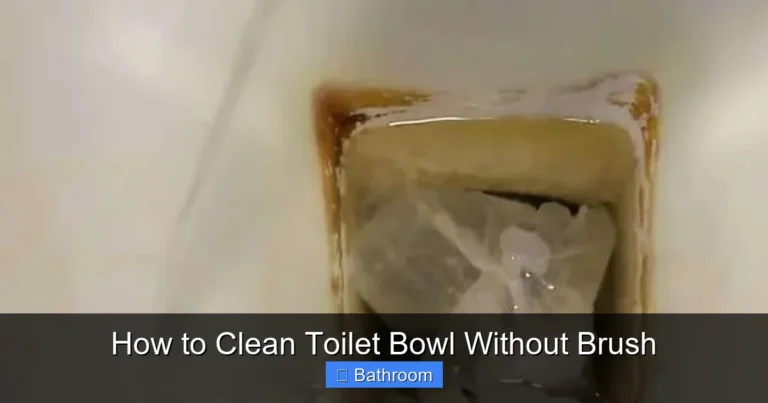
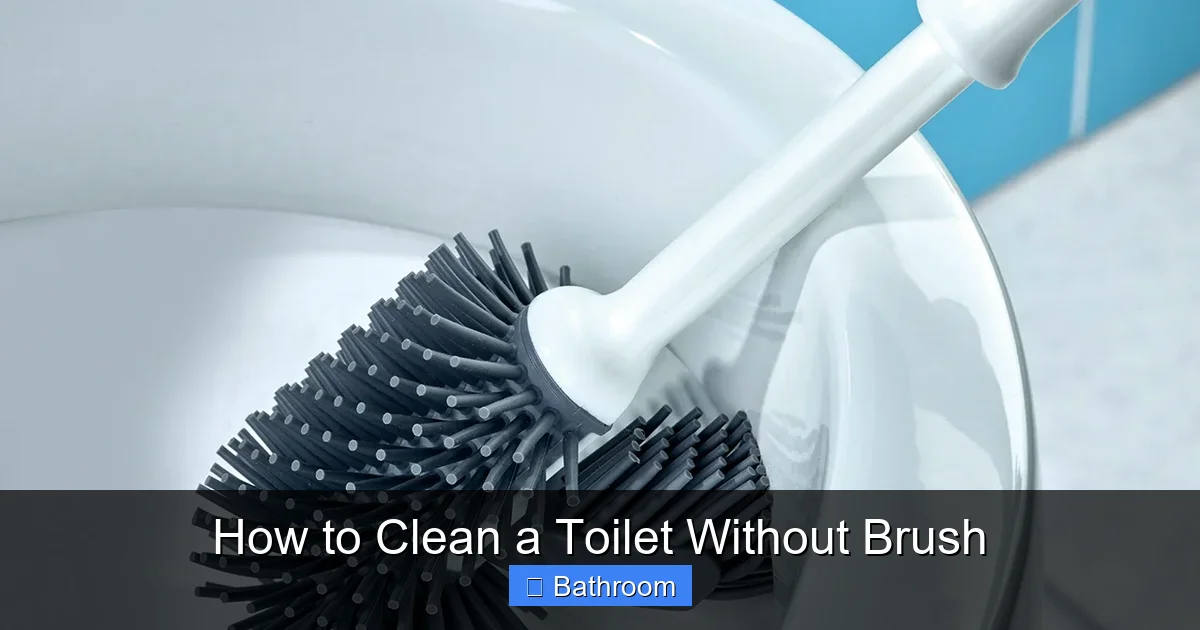
Visual guide about How to Clean a Toilet Without Brush
Image source: flashyhouse.co.uk
First, hygiene. Traditional toilet brushes often sit in a wet, dark environment—perfect for mold, bacteria, and mildew. Even with regular cleaning, the brush itself can become a breeding ground for germs. By eliminating the brush, you remove a major contamination source.
Second, environmental impact. Most toilet brushes are made from plastic and are used once or twice before being discarded. Over time, this adds up. Going brush-free means fewer plastic products in landfills and less waste overall.
Finally, efficiency. Some people find brushing awkward, time-consuming, or just plain unpleasant. With the right tools and techniques, you can clean your toilet faster and with less effort.
The Science Behind Cleaning Without a Brush
You might be wondering: if there’s no brush, how do you remove stains and buildup?
The answer lies in mechanical action and chemical reactions. While scrubbing helps dislodge dirt, many cleaning tasks can be accomplished through:
- Soaking: Letting cleaning agents sit on the surface to break down grime.
- Spraying: Using a fine mist to coat every surface, including hard-to-reach areas.
- Absorption: Using absorbent materials to lift moisture and residue.
Modern tools like microfiber cloths, steam cleaners, and even toilet plungers with spray attachments can replace the brush’s function without introducing germs.
Essential Tools and Materials for Brush-Free Cleaning
You don’t need a professional cleaning kit. In fact, most of the tools you need are already in your kitchen or bathroom. Here’s what you’ll need:
1. Natural Cleaning Agents
- White vinegar: A natural disinfectant and deodorizer. It breaks down mineral deposits and soap scum.
- Baking soda: A gentle abrasive that lifts stains and neutralizes odors.
- Hydrogen peroxide (3%): A safe bleach alternative that kills bacteria and whitens surfaces.
- Lemon juice: Adds shine and freshness while cutting through grease.
2. Spray Bottles and Applicators
Use a clean spray bottle to apply vinegar, lemon juice, or homemade cleaners. For precision, choose a bottle with a fine mist nozzle.
3. Microfiber Cloths and Towels
These are far superior to paper towels for cleaning toilets. They trap dirt and moisture without scratching surfaces. Plus, they’re reusable and eco-friendly.
4. Steam Cleaner (Optional but Recommended)
A handheld steam cleaner uses hot water vapor to dissolve grime and kill up to 99.9% of bacteria. It’s chemical-free and incredibly effective.
5. Rubber Gloves
Protect your hands with a pair of rubber gloves. Even natural cleaners can be harsh on skin with repeated exposure.
Step-by-Step: How to Clean a Toilet Without a Brush
Now that you have your tools, let’s get to the cleaning. Follow these steps for a spotless, odor-free toilet—no brush needed.
Step 1: Flush and Remove the Bowl Ring
Start by flushing the toilet to rinse the bowl. Then, carefully lift the toilet bowl ring (the removable plastic piece around the base). Set it aside for cleaning—this area often harbors mold and grime.
Step 2: Spray the Interior with Vinegar
Fill a spray bottle with undiluted white vinegar. Spray the inside of the toilet bowl, focusing on stained areas, the rim, and under the rim where buildup accumulates. Let it sit for 15–30 minutes.
Step 3: Scrub with Baking Soda Paste
After the vinegar has had time to work, sprinkle baking soda directly into the bowl. Use a microfiber cloth or sponge to gently rub the surface. The paste will react with the vinegar, creating bubbles that help lift stains.
Step 4: Use a Steam Cleaner (Optional)
If you have a steam cleaner, now’s the time to use it. Hold the nozzle about 2 inches from the bowl surface and move it in slow circles. The heat and moisture will dissolve stubborn stains without scrubbing.
Step 5: Wipe Down the Exterior
Spray the toilet seat, lid, and tank with vinegar or a diluted vinegar solution. Wipe everything down with a microfiber cloth. For extra shine, add a few drops of lemon oil to the cloth.
Step 6: Clean the Bowl Ring and Base
Soak the bowl ring in vinegar for 10 minutes, then scrub it with a cloth. Wipe the base of the toilet with soapy water to remove dust and grime.
Step 7: Flush and Air Dry
Flush the toilet to rinse everything away. Let the bowl air dry or wipe it with a clean microfiber cloth for a streak-free finish.
Natural Cleaning Recipes for a Sparkling Toilet
Why buy expensive cleaners when you can make your own? Here are three effective, natural recipes:
Recipe 1: All-Purpose Toilet Cleaner
- 1 cup white vinegar
- 1/2 cup baking soda
- 10 drops tea tree oil (natural disinfectant)
- 10 drops lemon essential oil (fresh scent)
Mix in a spray bottle. Shake well before each use. Spray and let sit for 15 minutes before wiping.
Recipe 2: Stain Remover Paste
- 1/4 cup baking soda
- 2 tablespoons hydrogen peroxide
- A few drops of lemon juice
Mix into a paste. Apply to stains, let sit for 10 minutes, then wipe with a cloth.
Recipe 3: Deodorizing Spray
- 1 cup water
- 1/2 cup vinegar
- 10 drops lavender or eucalyptus oil
Spray on the bowl and exterior. No rinsing needed—just flush or wipe.
Advanced Tips for Stubborn Stains and Odors
Some toilets are more challenging than others. Here’s how to tackle tough problems:
Hard Water Stains
Mix equal parts vinegar and water. Spray and let sit overnight. Wipe with a cloth in the morning. For extra power, add a few drops of dish soap to the mix.
Mold Around the Bowl Ring
Spray undiluted vinegar directly on the mold. Let it sit for an hour. Wipe with a cloth dipped in baking soda paste.
Persistent Odors
Place a small bowl of baking soda inside the tank (not touching the water). It will absorb odors over time. Replace monthly.
Yellowing or Cloudy Residue
Use a paste of baking soda and lemon juice. Scrub gently with a soft cloth. Rinse thoroughly.
Maintenance Tips to Avoid Future Cleaning
Cleaning without a brush is great, but prevention is even better. Follow these tips to keep your toilet clean longer:
- Flush Immediately: Don’t let waste sit. Flush right after use to prevent buildup.
- Use a Toilet Bowl Ring Cleaner: Replace your bowl ring every 6–12 months or clean it weekly with vinegar.
- Wipe the Seat Weekly: Use a disinfecting wipe or vinegar spray to keep the seat germ-free.
- Ventilate the Bathroom: Open a window or run a fan to reduce moisture and prevent mold.
- Clean Monthly: Even a quick spray-and-wipe can prevent major buildup.
Eco-Friendly and Cost-Effective Benefits
Going brush-free isn’t just convenient—it’s smart. Here’s why:
- Reduced Plastic Use: No more plastic brushes or disposable wipes.
- Lower Chemical Exposure: Natural cleaners are safer for kids, pets, and the environment.
- Save Money: Vinegar, baking soda, and essential oils cost a fraction of commercial cleaners.
- Less Water Waste: Many natural methods use less water than scrubbing with a brush and hose.
Common Mistakes to Avoid
Even with the best intentions, mistakes happen. Here’s what to watch out for:
- Using Too Much Vinegar: While vinegar is safe, excessive use can damage grout or metal fixtures over time.
- Not Letting Cleaners Sit: Rushing the process means missing deep stains. Give cleaners at least 15 minutes to work.
- Using Harsh Scrubbers: Steel wool or abrasive pads can scratch porcelain. Stick to soft cloths.
- Ignoring the Tank Interior: The inside of the tank can accumulate lime scale. Clean it monthly with vinegar.
When a Brush Is Still Useful
Let’s be honest—sometimes a brush is still helpful. For example:
- After cleaning, you might use a brush to remove large clumps of waste.
- For heavy-duty scrubbing on the bowl ring or base, a brush can help.
The key is balance. You can use a brush occasionally without falling into bad habits. Just clean the brush thoroughly after each use or consider a brush with a removable, washable head.
Conclusion: Clean, Green, and Germ-Free
Cleaning a toilet without a brush is not only possible—it’s better. With the right tools, natural cleaners, and a little know-how, you can maintain a spotless, odor-free toilet without the hassle, germs, or environmental guilt.
From vinegar sprays to steam cleaners, the methods we’ve covered are safe, effective, and sustainable. Whether you’re a DIY enthusiast or just looking for a simpler way to clean, going brush-free is a win-win.
So next time you face a dirty toilet, skip the brush. Grab a cloth, a spray bottle, and some baking soda. Your bathroom—and the planet—will thank you.
Frequently Asked Questions
Can you really clean a toilet without a brush?
Yes, absolutely. Using natural cleaners like vinegar and baking soda, along with microfiber cloths or steam cleaners, you can remove stains, kill bacteria, and leave your toilet sparkling clean—no brush needed.
Is it safe to use vinegar to clean a toilet?
Yes, white vinegar is a safe and effective disinfectant. It breaks down mineral deposits, soap scum, and bacteria without harsh chemicals. Just avoid mixing it with bleach, which creates toxic fumes.
How often should I clean my toilet without a brush?
For best results, clean your toilet once a week. Daily maintenance—like flushing immediately and wiping the seat—can prevent major buildup and reduce the need for deep cleaning.
Can I use a steam cleaner instead of a brush?
Yes, a handheld steam cleaner is one of the best tools for brush-free cleaning. It uses heat and moisture to dissolve grime and kill germs without scrubbing or chemicals.
What’s the best natural cleaner for tough stains?
A paste made from baking soda and lemon juice works well for most stains. For mineral buildup, undiluted white vinegar applied and left to sit for 30 minutes is highly effective.
Do I need special gloves to clean a toilet?
Yes, wear rubber gloves to protect your skin from bacteria and cleaning agents. Even natural cleaners can be drying or irritating with prolonged exposure.