How to Clean Car with Microfiber Cloth
Cleaning your car with a microfiber cloth is one of the most effective and gentle ways to maintain a shiny, scratch-free interior and exterior. This simple tool removes dirt, dust, and streaks without harming paint or upholstery. With the right technique, you can achieve a professional-looking finish using just water and a few drops of soap.
Key Takeaways
- Microfiber is gentle and effective: Its ultra-fine fibers trap dirt and oils without scratching surfaces, making it ideal for car care.
- Use separate cloths for different areas: Prevent cross-contamination by using one cloth for windows, another for dashboards, and a third for tires.
- Warm soapy water works best: A mix of mild soap and warm water lifts grime more effectively than plain water alone.
- Always dry thoroughly: Moisture trapped under seals or in crevices can lead to mold or rust over time.
- Fold and rotate your cloth: This ensures even wear and maximizes cleaning power throughout the process.
- Store cloths properly: Keep them clean and ready by washing them regularly and storing them in a dry place.
- Supplement with specialized tools: Use microfiber towels with extensions or detailing brushes for hard-to-reach spots.
📑 Table of Contents
- How to Clean Your Car with Microfiber Cloth: A Complete Guide
- Why Microfiber Is the Best Choice for Car Cleaning
- Preparing Your Microfiber Cloths and Supplies
- Step-by-Step Guide to Cleaning the Exterior
- Cleaning the Interior with Microfiber Cloths
- Maintaining and Caring for Your Microfiber Cloths
- Common Mistakes to Avoid
- Bonus Tips for a Professional Finish
- Conclusion
How to Clean Your Car with Microfiber Cloth: A Complete Guide
Ever stepped out of your car after a dusty drive and noticed streaks on the windows or a film on the dashboard? You’re not alone. Car owners everywhere struggle with keeping their vehicles looking clean and well-maintained. But what if I told you that the secret to a sparkling car might already be in your cleaning kit? Enter the humble microfiber cloth—a game-changer in both home and automotive care.
Microfiber cloths are made from synthetic fibers that are split into thousands of tiny strands. This unique structure allows them to trap dirt, dust, and moisture far more effectively than regular cotton towels. When used correctly, they can clean glass without streaks, wipe down leather without drying it out, and polish metal without scratching it. In this guide, we’ll walk you through every step of cleaning your car with microfiber cloths—from preparation to final touches—so you can achieve that showroom shine from the comfort of your driveway.
Why Microfiber Is the Best Choice for Car Cleaning
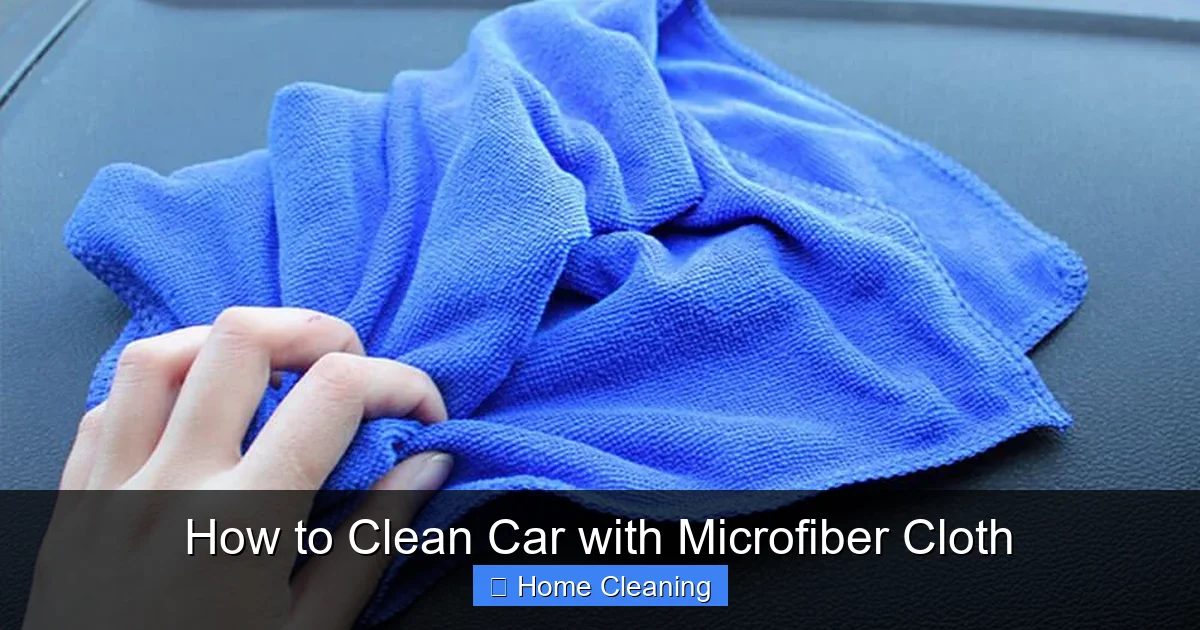
Before we dive into the step-by-step process, let’s talk about why microfiber stands out from the crowd. Unlike paper towels or old t-shirts, microfiber cloths are engineered for performance. They have a high absorbency rate—up to seven times their weight in water—and a large surface area that picks up particles instead of just pushing them around.
Visual guide about How to Clean Car with Microfiber Cloth
Image source: alexnld.com
One of the biggest advantages is their ability to clean without leaving lint or scratches. Traditional cotton towels often shed fibers and can harbor dirt between washes. Microfiber, on the other hand, holds onto contaminants until it’s washed, making it safer for delicate surfaces like car paint, chrome, and plastic trim.
Additionally, microfiber cloths are reusable hundreds of times when cared for properly. This makes them eco-friendly and cost-effective in the long run. Whether you’re detailing your daily driver or preparing for a car show, investing in quality microfiber towels pays off every time.
Preparing Your Microfiber Cloths and Supplies
Getting started is easier than you think. You don’t need a full detailing kit—just a few essential items and the right mindset. The key is preparation. If your tools aren’t ready, the process becomes messy and inefficient.
Visual guide about How to Clean Car with Microfiber Cloth
Image source: res.cloudinary.com
What You’ll Need
- Two to four microfiber cloths: One for exterior cleaning, one for interior, and optionally, separate ones for windows and tires.
- A bucket of warm water: Not hot—hot water can damage finishes or cause soap to dry too quickly.
- A mild car-safe soap: Dish soap is too harsh; opt for a pH-balanced car wash soap or even baby shampoo in a pinch.
- A hose or access to water: You’ll need it for rinsing off excess dirt before wiping.
- A soft-bristle brush or detailing brush: For loosening stubborn grime on tires or crevices.
- A second clean microfiber cloth: For drying and buffing.
Pro Tips for Cloth Selection
Not all microfiber cloths are created equal. Look for ones labeled “dual-sided” or “split-weave.” The split-weave type has fibers split into even finer strands, which increases surface area and cleaning power. Avoid ultra-soft towels meant only for dusting—they’re not strong enough for scrubbing.
It’s also wise to designate each cloth for a specific purpose. For example, use one for the windshield, another for the side mirrors, and a third for the rear window. This prevents spreading dirt from one area to another.
Washing Your Cloths First
If you’ve used your microfiber cloths before, wash them separately in warm water with a small amount of mild detergent. Avoid fabric softeners—they coat the fibers and reduce absorbency. Tumble dry on low or air dry. Never iron or bleach them, as this degrades the fibers.
Using clean, dry cloths from the start ensures maximum effectiveness and prevents re-depositing dirt onto your car’s surface.
Step-by-Step Guide to Cleaning the Exterior
The exterior of your car takes the most abuse—sun, rain, bird droppings, tree sap, and road grime. Cleaning it properly with microfiber cloths removes contaminants before they bond to the paint.
Visual guide about How to Clean Car with Microfiber Cloth
Image source: 5.imimg.com
1. Rinse the Car First
Before using any cloth, rinse the car with a hose to remove loose dirt. This prevents scratching when you start wiping. Park in the shade if possible—direct sunlight can cause soap to dry too quickly and leave streaks.
2. Apply Car Wash Soap
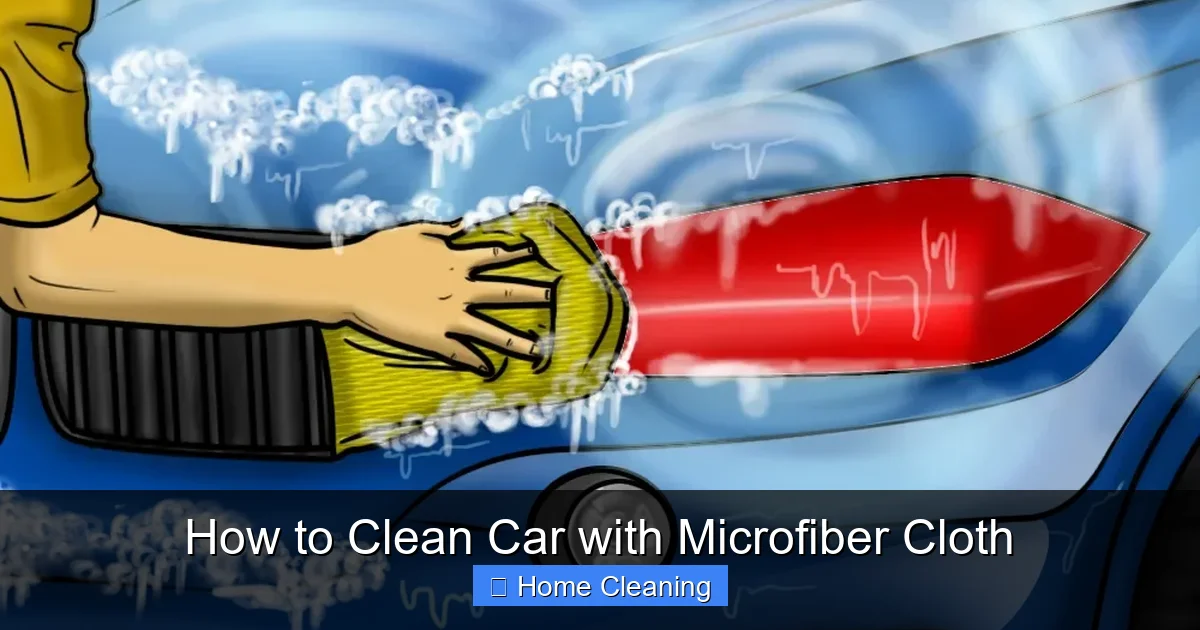
Dip your microfiber cloth into the soapy water or use a separate sponge if you have one. Gently wash the car in sections—top to bottom—to avoid re-wetting already clean areas. Focus on one panel at a time: fender, door, roof, etc.
3. Wipe with Microfiber Cloth
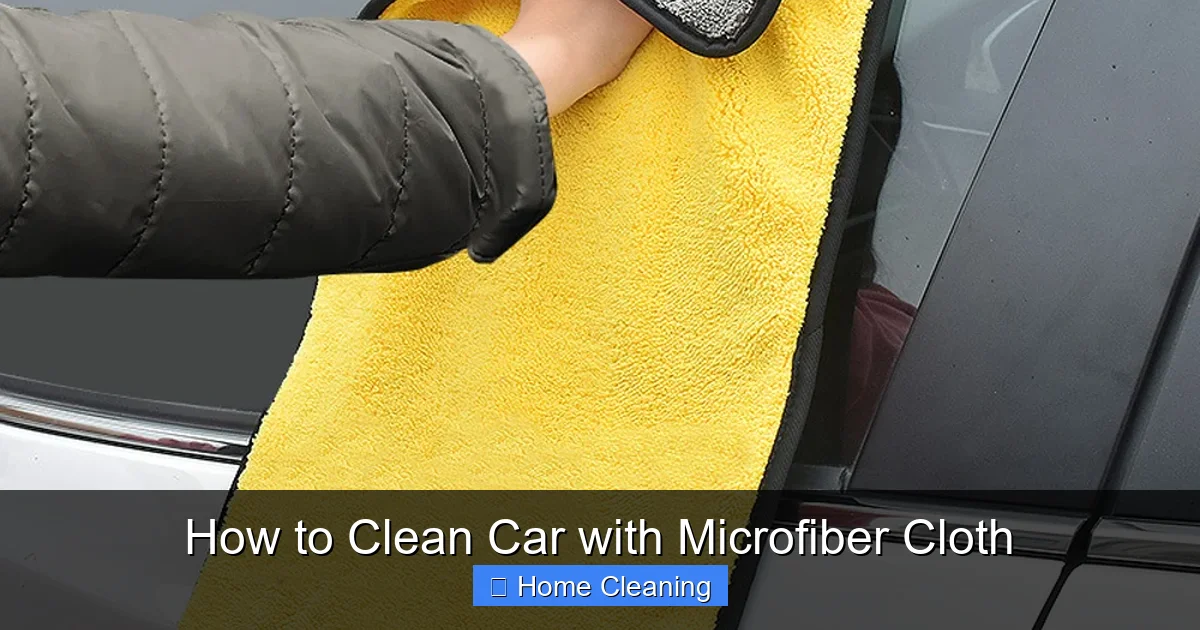
Use a clean section of the cloth to wipe away soap and dirt. Fold the cloth frequently to expose fresh, clean material. For stubborn spots like bug splatter or tar, dampen the cloth slightly more and apply gentle pressure—never rub aggressively.
4. Rinse and Repeat
Rinse each section thoroughly before moving on. If you see soap residue, it means you’re not rinsing enough. The goal is to leave no suds behind.
5. Dry with a Clean Cloth
This is where many people make mistakes—they skip drying or use the same cloth they used to wash. Always use a fresh, dry microfiber towel to buff the surface. Work in small sections and use overlapping strokes to achieve a streak-free shine.
Special Attention to Windows
Windows are the most visible part of your car’s exterior. To avoid streaks:
- Use a dedicated window microfiber cloth.
- Apply soapy water first, then immediately wipe with a dry cloth.
- Avoid cleaning windows in direct sunlight—the soap dries too fast.
- For extra shine, spray a mix of equal parts water and vinegar on the glass, then buff with a dry microfiber cloth.
Polishing and Protecting
After washing, consider applying a car wax or sealant. Use a clean microfiber cloth to apply the product in circular motions, then buff off any excess. This creates a protective barrier against future dirt and UV damage.
Cleaning the Interior with Microfiber Cloths
The interior of your car is just as important—if not more so—than the exterior. Dust, crumbs, and spills accumulate quickly, especially in high-traffic areas like the dashboard, steering wheel, and seats.
Start with Vacuuming
Before using any cloth, remove loose debris with a vacuum. Pay attention to floor mats, seat crevices, and under the pedals. This prevents grinding dirt into surfaces when you start wiping.
Dusting Surfaces
Use a dry microfiber cloth to dust flat surfaces like the dashboard, center console, and door panels. For textured areas, use a soft-bristled brush first to loosen dust, then follow up with the cloth.
Cleaning Leather and Vinyl
For leather seats and trim:
- Dampen a microfiber cloth with water or a leather-safe cleaner.
- Gently wipe in circular motions.
- Follow up with a dry cloth to remove moisture.
- Apply a conditioner afterward to prevent cracking.
For vinyl or rubber trim:
- Mix a few drops of mild soap with water.
- Wipe with a microfiber cloth. Rinse with a damp cloth and dry immediately to prevent water spots.
Glass and Plastic Surfaces
Use a slightly damp microfiber cloth with soapy water or glass cleaner. Wipe in straight lines, then dry with a second cloth for a streak-free finish.
Upholstery and Carpets
For fabric seats or carpets, use a damp microfiber cloth with a mild cleaner. Blot—don’t scrub—to avoid damaging fibers. Let it air dry completely before using the car again.
Air Vents and Hard-to-Reach Areas
Use a microfiber cloth wrapped around a cotton swab or a small detailing brush to clean tight spaces. This removes dust without pushing it deeper into the vent.
Maintaining and Caring for Your Microfiber Cloths
To get the most out of your microfiber cloths, proper care is essential. Neglecting them reduces their effectiveness and shortens their lifespan.
Washing Guidelines
Wash microfiber cloths after every 3–5 uses, depending on how dirty they get. Use warm water and mild detergent. Never use fabric softener or dryer sheets—they clog the fibers.
Drying Tips
Tumble dry on low heat or air dry. High heat can melt the synthetic fibers. If air drying, make sure they’re completely dry before storing to prevent mildew.
Storing Cloths
Keep them in a clean, dry container or drawer. Avoid leaving them damp or folded tightly for long periods. Label them by use—interior, exterior, windows—to stay organized.
When to Replace
Most microfiber cloths last 100–200 wash cycles. If they start to fray, lose absorbency, or smell musty, it’s time to replace them. Don’t wait until they’re worn out—regular replacement ensures consistent performance.
Common Mistakes to Avoid
Even experienced detailers make errors. Here are some common pitfalls when using microfiber cloths:
- Using dirty cloths: This defeats the purpose. Always wash before use.
- Rubbing too hard: Gentle pressure is enough. Aggressive scrubbing scratches surfaces.
- Using the same cloth for everything: Cross-contamination spreads dirt.
- Skipping the rinse step: Dirt left on the surface can scratch during drying.
- Cleaning in direct sunlight: Soap dries too fast, causing streaks.
- Not folding the cloth: This reduces efficiency and increases waste.
Bonus Tips for a Professional Finish
Want your car to look like it just rolled off the showroom floor? Try these pro tips:
- Work section by section: This keeps the car clean as you go.
- Use two buckets: One with soapy water, one with rinse water. This prevents dirt from being redeposited.
- Invest in a foam cannon: It creates a thick, sudsy wash that lifts dirt gently.
- Detail one car at a time: Multitasking leads to missed spots or double-dipping cloths.
- Keep a dedicated cleaning kit: Store everything in a bucket or caddy for easy transport.
Conclusion
Cleaning your car with a microfiber cloth is simple, affordable, and incredibly effective. With the right technique and a few quality tools, you can maintain a clean, shiny vehicle without spending hours or money at a car wash. The key is consistency—regular maintenance prevents buildup and makes each cleaning session quicker and easier.
Remember, microfiber cloths are not just for cars. They’re perfect for cleaning mirrors, electronics, eyeglasses, and more. By mastering their use, you’re not only improving your car’s appearance but also investing in a versatile cleaning tool for your entire home.
So the next time you see a streak or a smudge, grab a clean microfiber cloth and get to work. Your car—and your wallet—will thank you.
Frequently Asked Questions
How often should I clean my car with a microfiber cloth?
For best results, clean your car’s exterior every 1–2 weeks and the interior weekly. High-traffic areas like the steering wheel and door handles may need more frequent attention. Regular cleaning prevents buildup and makes maintenance easier.
Can I use dish soap instead of car wash soap with microfiber cloths?
Not recommended. Dish soap is too harsh and can strip wax or damage paint over time. Use a pH-balanced car wash soap or a mild alternative like baby shampoo if needed, but avoid regular dish detergents.
How do I remove hard water stains from car windows using a microfiber cloth?
Mix equal parts white vinegar and water in a spray bottle. Spray the affected area, let it sit for a minute, then wipe with a microfiber cloth. Follow up with a second dry cloth to buff away streaks.
Can microfiber cloths scratch car paint?
No, if used correctly. Microfiber is designed to be non-abrasive. However, using a dirty cloth or scrubbing too hard can scratch the surface. Always rinse first and use gentle pressure.
How many microfiber cloths should I use for a full car clean?
At minimum, use two: one for washing and one for drying. For best results, use separate cloths for windows, tires, interior, and exterior. This prevents cross-contamination and improves efficiency.
How do I store microfiber cloths to keep them clean and ready?
Store them in a clean, dry place—ideally in a sealed container or drawer. Label them by use and wash them after every 3–5 uses. Avoid damp or folded storage to prevent mildew.