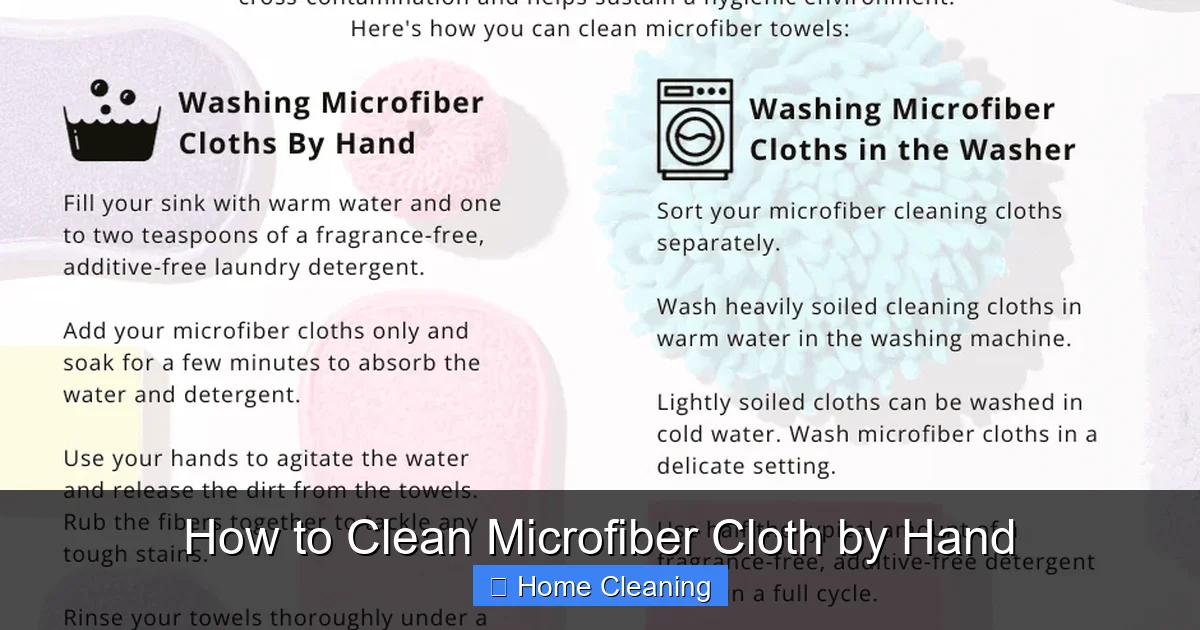
How to Clean Microfiber Cloth by Hand
Cleaning your microfiber cloth by hand is easy and essential for maintaining its performance. With the right technique, you can remove dirt, oils, and bacteria without damaging the fabric. Using mild detergent, warm water, and gentle motions ensures your cloth stays effective for years.
Key Takeaways
- Use warm water and mild detergent: Harsh chemicals can damage microfiber fibers, reducing their cleaning power.
- Soak before washing: Letting the cloth soak helps loosen embedded dirt and oils for a deeper clean.
- Hand wash gently: Rubbing too hard can break down the fibers; a soft scrub is enough.
- Rinse thoroughly: Residue from soap or fabric softener can reduce absorbency.
- Air dry flat: Avoid wringing or using a dryer, which can crush the fibers.
- Store clean and dry: Moist cloths can develop mildew; always store them in a dry place.
📑 Table of Contents
- How to Clean Microfiber Cloth by Hand
- Why Hand Washing Microfiber Cloths Matters
- What You’ll Need to Clean Microfiber Cloth by Hand
- Step-by-Step Guide: How to Clean Microfiber Cloth by Hand
- Common Mistakes to Avoid
- How Often Should You Clean Microfiber Cloths?
- Can You Use Vinegar or Baking Soda?
- How to Store Clean Microfiber Cloths
- Signs Your Microfiber Cloth Needs Replacing
- Bonus Tips for Long-Lasting Microfiber Cloths
- Conclusion: Keep Your Microfiber Cloths Working Like New
How to Clean Microfiber Cloth by Hand
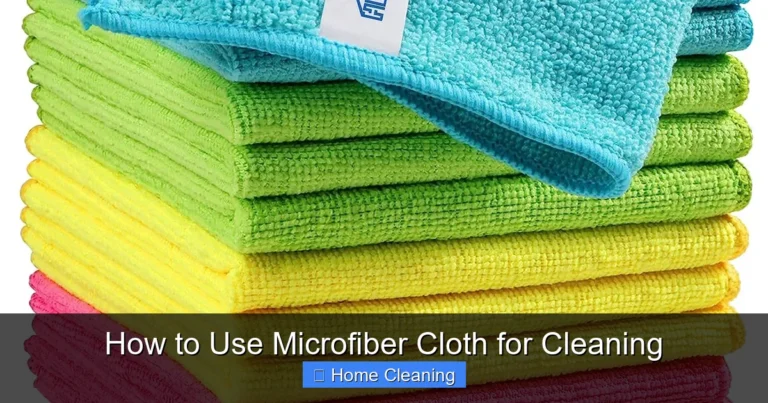
Microfiber cloths are a game-changer in home cleaning. Whether you’re wiping down countertops, polishing glass, or cleaning electronics, these tiny, densely woven fibers pick up dust, dirt, and even bacteria with ease. But here’s the catch: if you don’t clean them properly, they can start to lose their magic. Dirt, oils from your skin, and residue from cleaning products can build up over time, making the cloth less effective—and even spreading germs instead of removing them.
Many people assume that tossing microfiber cloths in the washing machine with the rest of the laundry is the way to go. But that’s not always the best idea. Machine washing can damage the delicate fibers, especially if you use fabric softener or high heat. That’s why learning how to clean microfiber cloth by hand is so important. It gives you full control over the process, helps preserve the cloth’s lifespan, and ensures it stays soft, absorbent, and highly effective.
In this guide, we’ll walk you through every step of hand-washing microfiber cloths, from prepping your cloth to drying and storing it properly. You’ll also learn why certain methods work better than others and how to avoid common mistakes that can ruin your favorite cleaning tools.
Why Hand Washing Microfiber Cloths Matters
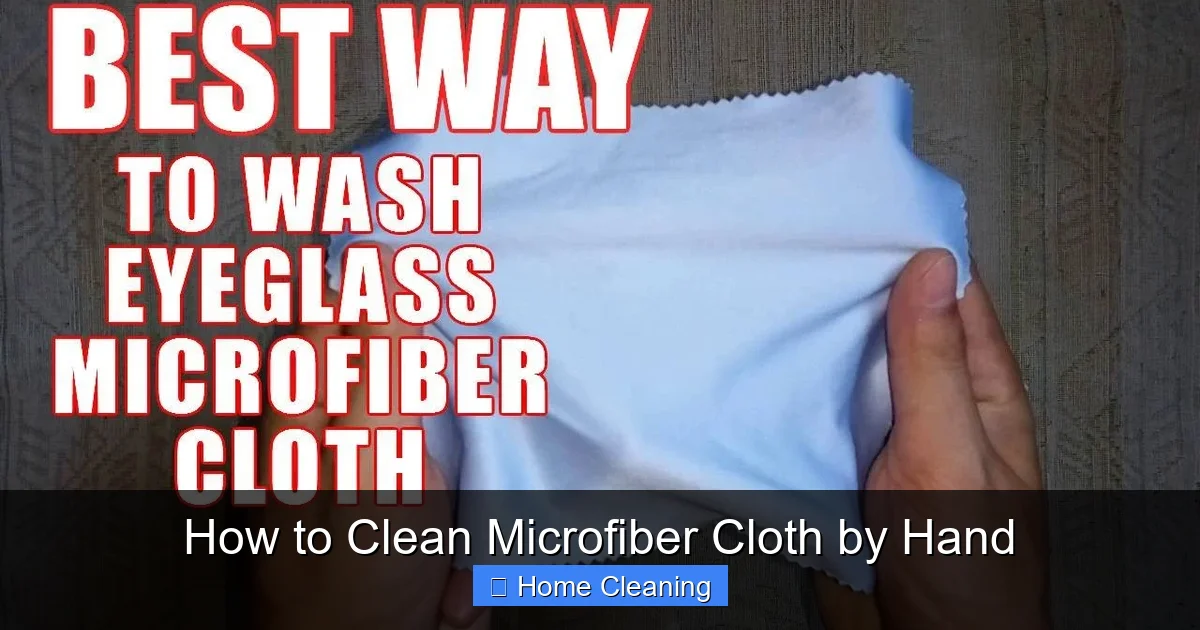
Before we dive into the steps, let’s talk about why hand washing is often the best method for cleaning microfiber cloths. Unlike cotton or other fabrics, microfiber is made from ultra-fine polyester and polyamide fibers. These fibers are engineered to trap tiny particles, but they’re also fragile. Aggressive washing—like scrubbing hard or using hot water—can break them down, reducing the cloth’s ability to attract and hold dirt.
Visual guide about How to Clean Microfiber Cloth by Hand
Image source: i.ytimg.com
The Risks of Machine Washing
While some microfiber cloths are labeled as “machine washable,” even those can suffer damage over time. Washing machines use agitation, spin cycles, and sometimes high heat, all of which can flatten or fray microfiber fibers. Fabric softener is especially harmful because it coats the fibers, preventing them from attracting dirt and moisture properly.
Benefits of Hand Washing
Hand washing gives you precision. You can control the water temperature, choose the right detergent, and avoid harsh treatments. It’s also faster and more eco-friendly than running a full load in the washing machine. Plus, you can spot-treat stubborn stains before washing, saving energy and water.
What You’ll Need to Clean Microfiber Cloth by Hand
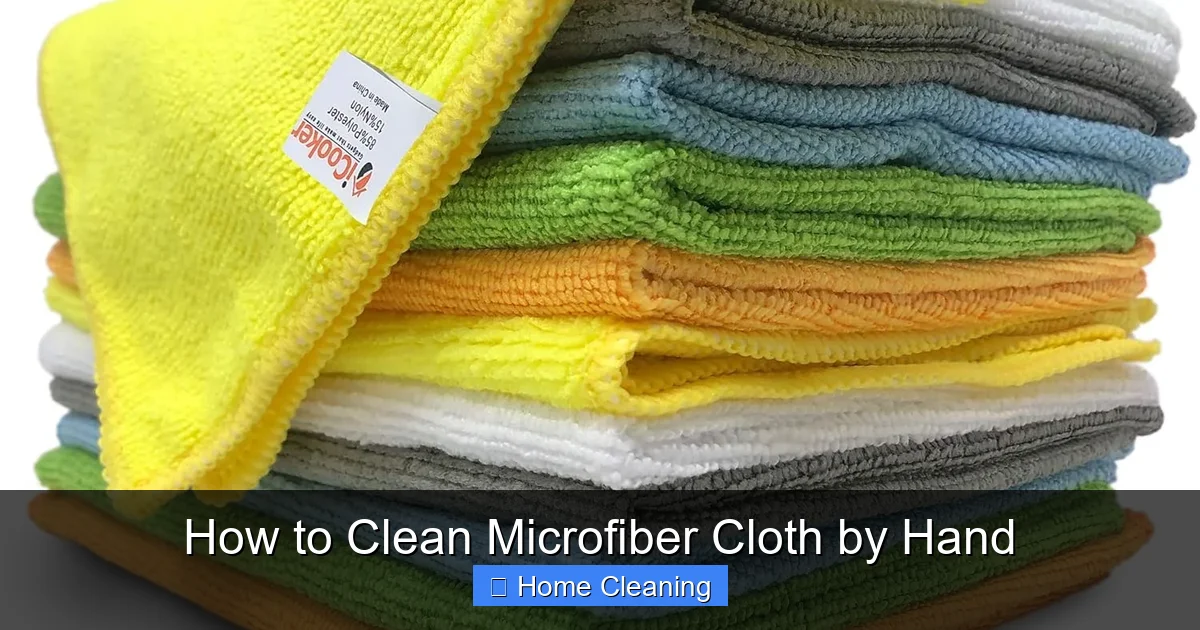
You don’t need a fancy setup or expensive products to clean microfiber cloths effectively. A few simple items will do the job:
Visual guide about How to Clean Microfiber Cloth by Hand
Image source: m.media-amazon.com
- A clean sink or basin – Choose one that’s large enough to hold your cloth and allow room for movement.
- Warm water – Not hot, not cold. Around 100°F (38°C) is ideal.
- Mild liquid detergent – Look for a gentle, fragrance-free formula. Avoid bleach, ammonia, or harsh cleaners.
- A soft sponge or washcloth – Avoid abrasive scrubbers that can damage fibers.
- A clean towel or rack for drying – To dry the cloth without wringing or crumpling.
Optional but helpful: a small basin for rinsing and a pair of clean hands (yes, really—your hands can help agitate the cloth gently).
Step-by-Step Guide: How to Clean Microfiber Cloth by Hand
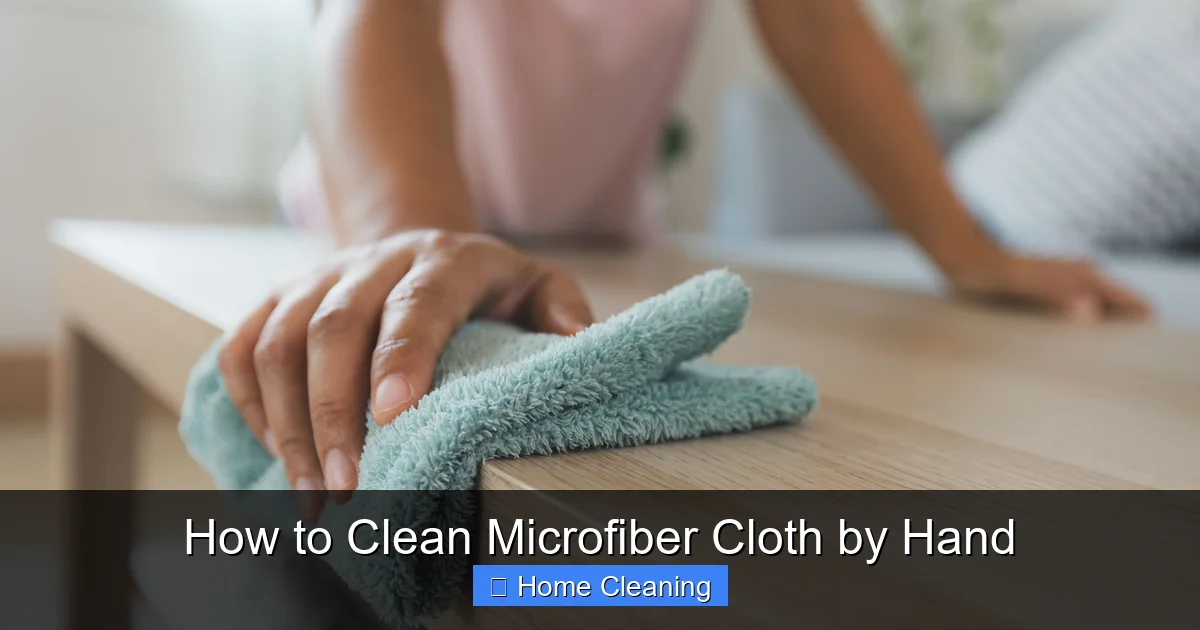
Now that you’re equipped, let’s go through the process step by step. Follow these instructions carefully to keep your microfiber cloths in top shape.
Visual guide about How to Clean Microfiber Cloth by Hand
Image source: cdn.mos.cms.futurecdn.net
1. Shake Out and Inspect the Cloth
Before washing, give your microfiber cloth a good shake. This helps remove loose dust and debris. Then, inspect it for visible stains or heavy buildup. If you spot a greasy or sticky area, you can pre-treat it with a few drops of mild dish soap or white vinegar.
Tip: Avoid using too much soap at this stage. A little goes a long way.
2. Fill a Basin with Warm Water
Fill a clean sink or large bowl with warm water—around 100°F. Hot water can damage microfiber, and cold water won’t dissolve oils as well. Use a thermometer if you’re unsure, or simply run the water and test it with your wrist.
3. Add a Small Amount of Mild Detergent
Add 1–2 tablespoons of mild liquid detergent to the water. Swirl it gently to dissolve the soap. You don’t need to create suds—just enough to clean without leaving residue.
Avoid: Fabric softener, bleach, or anything with dyes or strong fragrances.
4. Submerge and Soak the Cloth
Place the microfiber cloth into the soapy water and let it soak for 5–10 minutes. This softens embedded dirt and allows the detergent to penetrate the fibers. For heavily used cloths, you can soak for up to 15 minutes.
5. Gently Agitate and Scrub
After soaking, take the cloth out and gently squeeze it. Then, use your fingers or a soft sponge to lightly scrub the surface. Focus on stained or greasy areas, but avoid rubbing too hard. Think of it like fluffing a pillow—gentle pressure is all you need.
Pro tip: If the cloth feels stiff, it might be clogged with residue. Try adding a teaspoon of white vinegar to the rinse water to help restore softness.
6. Rinse Thoroughly
Rinse the cloth under cool or lukewarm running water until all soap suds are gone. Squeeze gently to remove excess water. You can also use a second basin filled with clean water to rinse it completely.
Important: Residual soap reduces absorbency. Make sure it’s squeaky clean!
7. Dry Flat
Once rinsed, lay the cloth flat on a clean towel or drying rack. Reshape it gently to its original form. Do not wring, twist, or hang it to dry—this can damage the fibers. Air drying is the best option. If you’re in a hurry, you can place it in a dryer on the lowest heat setting for 5–10 minutes, but avoid high heat.
Common Mistakes to Avoid
Even with the right steps, mistakes can happen. Here are some common errors and how to fix them:
- Using hot water: Can melt or weaken microfiber fibers. Always use warm water.
- Wringing or twisting: Crushes the fibers. Instead, press gently to remove water.
- Using fabric softener: Leaves a waxy residue that blocks dirt absorption. Skip it entirely.
- Washing with abrasive items: Like towels with zippers or Velcro. These can snag and tear microfiber.
- Storing wet cloths: Leads to mildew and odors. Always dry completely before storing.
How Often Should You Clean Microfiber Cloths?
The frequency depends on how often you use the cloth. For daily use, like cleaning kitchen counters or mirrors, aim to wash it every 2–3 uses. If you notice it’s losing absorbency or starting to smell, it’s time to clean it—no matter how many times you’ve used it.
Some people prefer to separate cloths by use: one for dusting, one for glass, one for floors. This helps prevent cross-contamination and makes cleaning easier.
Can You Use Vinegar or Baking Soda?
Yes! Both are excellent natural cleaning agents and can help refresh microfiber cloths.
White Vinegar
Vinegar is great for breaking down grease and neutralizing odors. Add ½ cup to the rinse water or use a diluted solution (1 part vinegar, 2 parts water) to spot-treat stains.
Baking Soda
Baking soda can help deodorize and lift stubborn stains. Mix a small amount with water to form a paste and gently scrub before rinsing.
Note: Don’t mix vinegar and baking soda—they neutralize each other and reduce effectiveness.
How to Store Clean Microfiber Cloths
Proper storage keeps your cloths fresh and ready to use. Always store them in a clean, dry place. Avoid plastic bags—they trap moisture. Instead, use breathable cotton bags or hang them on a hook.
If you have multiple cloths, label them by use to avoid mixing. For example, keep one set for kitchen cleaning and another for electronics.
Signs Your Microfiber Cloth Needs Replacing
Even with proper care, microfiber cloths don’t last forever. Here are signs it’s time to retire them:
- The cloth no longer picks up dust or dirt.
- It feels rough, scratchy, or stiff.
- Stains won’t come out after repeated washing.
- The fibers are visibly frayed or coming apart.
- It has developed a permanent odor that doesn’t go away.
Most microfiber cloths last 200–300 washes if cared for properly. That’s about 6–12 months with regular use.
Bonus Tips for Long-Lasting Microfiber Cloths
Want your microfiber cloths to last even longer? Try these extra tips:
- Wash new cloths before first use – This removes any manufacturing residues.
- Use separate cloths for different tasks – Prevents cross-contamination and extends life.
- Don’t over-dry in the sun – UV rays can degrade fibers over time.
- Keep a rotation system – Wash one set while using another.
- Check care labels – Some specialty microfiber (like anti-static or medical-grade) may have specific instructions.
Remember, the goal isn’t just cleanliness—it’s sustainability. A well-maintained microfiber cloth can outlast dozens of paper towels, making it an eco-friendly and cost-effective choice.
Conclusion: Keep Your Microfiber Cloths Working Like New
Cleaning microfiber cloths by hand doesn’t have to be complicated. With a little time and the right technique, you can keep your cloths soft, absorbent, and highly effective. The key is gentleness—both in washing and drying—and avoiding harsh chemicals or rough treatments.
By following the steps in this guide, you’ll extend the life of your microfiber cloths, save money, and reduce waste. Plus, you’ll enjoy better cleaning results every time. Whether you’re wiping down a coffee table or polishing a smartphone screen, clean microfiber makes the job easier and more satisfying.
So next time you reach for a dirty cloth, take a moment to clean it by hand. Your future self—and your cleaning results—will thank you.
Frequently Asked Questions
Can I use hot water to clean microfiber cloth?
No, hot water can damage microfiber fibers by melting or weakening them. Always use warm water (around 100°F) to clean microfiber cloth by hand.
Is it okay to use fabric softener on microfiber?
No, fabric softener coats microfiber fibers and reduces their ability to attract dirt and moisture. It’s best to avoid it entirely.
How often should I clean my microfiber cloth?
Clean microfiber cloths after every 2–3 uses, especially if they’re used for cleaning food spills or electronics. If they start to smell or lose absorbency, wash them immediately.
Can I wash multiple microfiber cloths together?
Yes, but avoid washing them with rough items like towels with zippers or Velcro. Also, don’t overload the basin—give them room to move gently.
What’s the best way to dry microfiber cloths?
Air dry microfiber cloths flat on a towel or drying rack. Avoid wringing or using high heat in the dryer, as this can damage the fibers.
How long do microfiber cloths last?
With proper care, microfiber cloths can last 200–300 washes. This typically equals 6–12 months of regular use.