How to Clean Stainless Steel with Microfiber Cloth
Cleaning stainless steel with a microfiber cloth is simple, effective, and keeps your surfaces looking shiny and new. This method avoids scratches and streaks, making it ideal for kitchen appliances, sinks, and more. With the right technique, you’ll protect your stainless steel and maintain its beauty for years.
Key Takeaways
- Microfiber is safe for stainless steel: Its ultra-fine fibers trap dirt without scratching, unlike rough sponges or steel wool.
- Prevents streaks and smudges: When used correctly, microfiber leaves a clean, polished finish without water spots.
- Ideal for daily maintenance: A quick wipe-down with a clean microfiber cloth removes fingerprints and light smudges.
- Works with water and mild cleaners: You can use plain water, vinegar, or dish soap to boost cleaning power.
- Store cloths properly: Keep microfiber clean by washing it regularly in hot water and avoiding fabric softener.
- Use the right technique: Always wipe in the direction of the grain to avoid visible scratches.
- Protects long-term shine: Regular cleaning prevents buildup and keeps stainless steel looking professional.
📑 Table of Contents
- How to Clean Stainless Steel with Microfiber Cloth: A Complete Guide
- Why Microfiber is Ideal for Stainless Steel
- Preparing Your Microfiber Cloth and Workspace
- Step-by-Step: How to Clean Stainless Steel with Microfiber Cloth
- Cleaning Solutions: What to Use and What to Avoid
- Maintaining Stainless Steel Between Deep Cleans
- Common Mistakes to Avoid
- Frequently Asked Questions
How to Clean Stainless Steel with Microfiber Cloth: A Complete Guide
Stainless steel is a kitchen and bathroom staple—it looks sleek, resists rust, and blends into almost any decor. But despite its durability, stainless steel can quickly lose its shine if not cared for properly. Frequent use leads to fingerprints, water spots, and streaks that make appliances and countertops look dull and dirty. The good news? Cleaning stainless steel with a microfiber cloth is one of the easiest and most effective ways to restore its brilliance.
Many people reach for harsh chemicals, abrasive scrubbers, or even kitchen sponges that end up scratching the surface. These methods might clean temporarily, but they often do more harm than good. A microfiber cloth, on the other hand, is gentle yet powerful. Its ultra-fine fibers attract and trap dirt, oils, and grime without leaving behind lint or scratches. Whether you’re cleaning your refrigerator, oven door, or sink, using a microfiber cloth ensures a safe, streak-free finish every time.
In this guide, we’ll walk you through everything you need to know about cleaning stainless steel with microfiber cloth. From choosing the right cloth to mastering the proper technique, you’ll learn how to keep your stainless steel surfaces looking brand new. Plus, we’ll share pro tips on maintenance and cleaning solutions to maximize results. Let’s get started!
Why Microfiber is Ideal for Stainless Steel
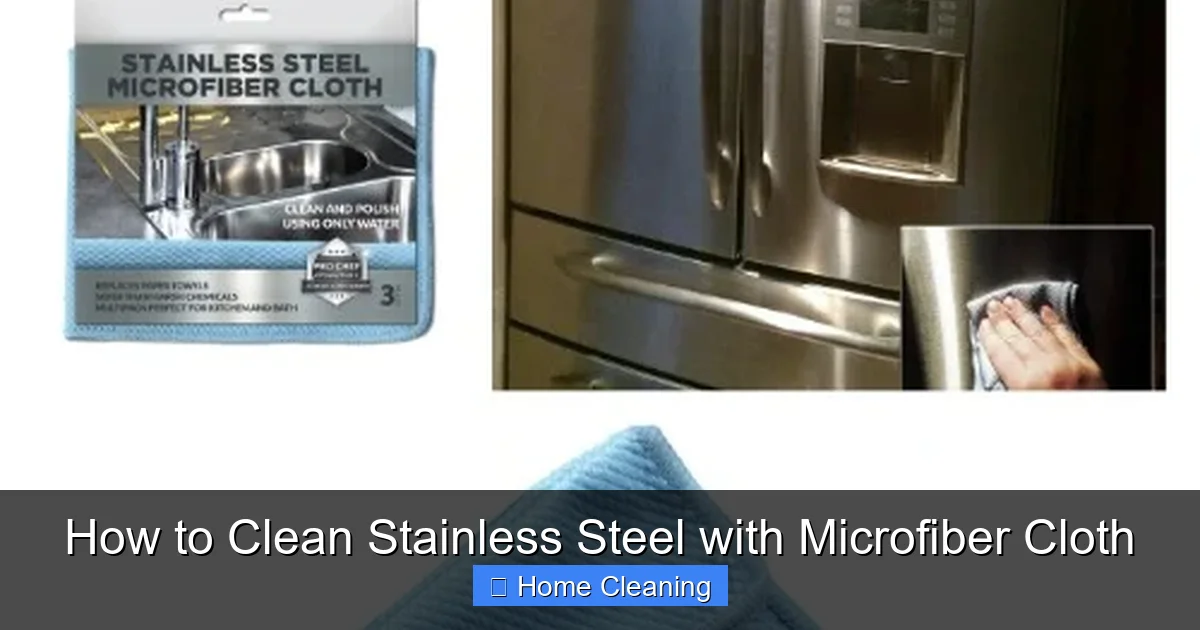
Before diving into the cleaning process, it’s important to understand why microfiber stands out as the best tool for stainless steel. Unlike traditional cleaning tools, microfiber cloths are engineered for precision. Made from a blend of polyester and polyamide, they’re incredibly absorbent and electrostatic, meaning they attract and hold onto particles like dust and oil.
Visual guide about How to Clean Stainless Steel with Microfiber Cloth
Image source: sherrylwilson.com
The Science Behind Microfiber
Microfiber cloths have fibers so fine—about 1/100th the thickness of a human hair—that they create millions of tiny contact points. This increases surface area, allowing the cloth to pick up more dirt and moisture than cotton or paper towels. When used on stainless steel, this means you can clean without applying too much pressure, reducing the risk of scratches.
Additionally, microfiber is lint-free and non-abrasive. This is crucial because stainless steel has a protective layer that can be damaged by rough textures. Scratches not only look bad but can also trap bacteria and make future cleaning harder. A microfiber cloth avoids this by gliding smoothly over the surface.
Comparing Microfiber to Other Cleaning Tools
Let’s compare microfiber to other common cleaning tools:
- Paper towels: They leave lint and often require multiple passes, increasing the chance of streaks.
- Sponges: Porous and absorbent, but they harbor bacteria and can scratch if not cleaned properly.
- Steel wool: Extremely abrasive—great for tough grime but will permanently damage stainless steel.
- Regular cotton cloths: Can leave behind fibers and require more cleaning solution to work effectively.
Microfiber outperforms all of these when it comes to stainless steel care. It’s reusable, durable, and designed for delicate surfaces. That’s why it’s the top choice for professionals and home cleaning enthusiasts alike.
Preparing Your Microfiber Cloth and Workspace
To get the best results, preparation is key. Even the most effective cleaning method can fall short if your tools or environment aren’t ready. Here’s how to set yourself up for success.
Visual guide about How to Clean Stainless Steel with Microfiber Cloth
Image source: down-my.img.susercontent.com
Choosing the Right Microfiber Cloth
Not all microfiber cloths are created equal. For stainless steel, look for:
- High-density microfiber: These have tightly woven fibers that trap more dirt.
- Two-sided design: One side for dry cleaning, the other for wet cleaning.
- Size: A 16×20 inch cloth is ideal—large enough to cover surfaces quickly but small enough to control.
- Color: Bright colors (like blue or yellow) help you spot dirt and ensure you don’t reuse a dirty cloth.
Avoid using the same cloth for multiple surfaces (e.g., cleaning the kitchen floor and then wiping the stove). This can transfer grease and bacteria. Instead, keep a dedicated microfiber cloth just for stainless steel.
Setting Up Your Cleaning Area
Choose a well-lit, clean workspace. Cleaning in a cluttered or dusty area will just mean more dirt gets smeared across your surface. If possible, clean near a sink so you can rinse the cloth easily. Also, make sure the stainless steel surface is cool to the touch—hot surfaces can warp or damage certain microfiber cloths.
Gathering Supplies
You don’t need a full cleaning kit, but having the right supplies on hand makes the process smoother:
- Clean microfiber cloth (or two)
- Warm water
- Distilled water (optional, to prevent mineral buildup)
- White vinegar or mild dish soap
- A spray bottle (for diluted solutions)
- A second clean cloth for buffing
- Open the doors and remove any removable shelves or drawers. Clean them separately with soap and water.
- Wipe the exterior with a dry microfiber cloth to remove dust.
- Dampen another cloth with a vinegar-water solution and wipe the doors in vertical strokes (following the grain).
- Rinse the cloth and wipe again to remove soap residue.
- Dry with a clean microfiber cloth and buff for shine.
- White vinegar and water: A natural disinfectant that cuts through grease and removes water spots. Mix equal parts and spray lightly.
- Mild dish soap: Gentle yet effective for everyday cleaning. Use a few drops in warm water.
- Rubbing alcohol: Great for disinfecting and removing sticky residue. Use 70% isopropyl alcohol diluted with water.
- Commercial stainless steel cleaners: Look for pH-neutral, non-abrasive formulas. Avoid ones with ammonia or bleach.
- Steel wool or abrasive pads: Cause permanent scratches.
- Harsh chemicals (bleach, ammonia): Can strip the protective layer and cause discoloration.
- Acidic cleaners (lemon juice, vinegar in high concentrations): May dull the finish over time.
- Paper towels or rough cloths: Leave lint and scratches.
- Dry surfaces immediately after cleaning.
- Use distilled water for final rinses.
- Wipe from top to bottom to catch drips before they spread.
Having everything ready prevents interruptions and ensures you don’t have to run back and forth for supplies.
Step-by-Step: How to Clean Stainless Steel with Microfiber Cloth
Now that you’re prepared, let’s walk through the actual cleaning process. This method works for appliances, sinks, cooktops, and more. Follow these steps for a streak-free, shiny finish.
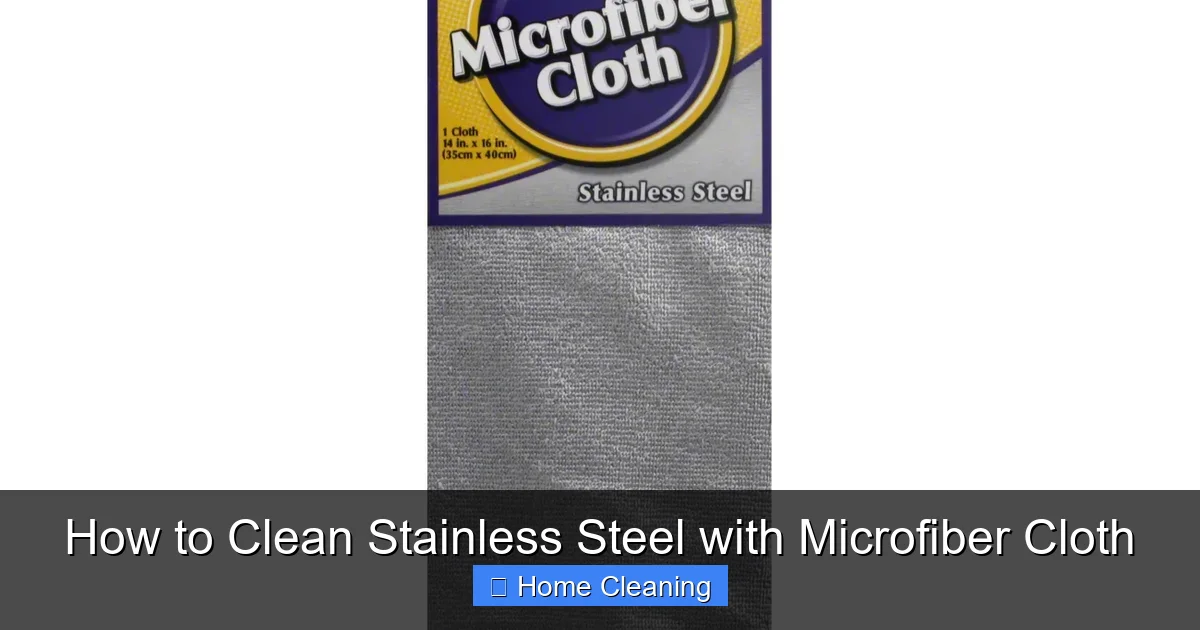
Visual guide about How to Clean Stainless Steel with Microfiber Cloth
Image source: images.heb.com
Step 1: Remove Loose Debris
Start by wiping the surface with a dry microfiber cloth. This removes dust, crumbs, and loose dirt. It’s important to do this first because wet cleaning on top of dry dirt can spread it around and create streaks.
For example, if you’re cleaning your stainless steel microwave door, wipe it down with a dry cloth first. You’ll see the dust and fingerprints disappear instantly.
Step 2: Apply Cleaning Solution
For light cleaning (fingerprints, smudges), dampen one side of the microfiber cloth with warm water. For tougher grime, use a 1:1 mix of white vinegar and water, or add a few drops of mild dish soap to the water.
Spray the solution lightly onto the surface or onto the cloth—don’t soak it. Excess liquid can drip and cause water spots. A damp cloth is all you need.
Step 3: Wipe in the Direction of the Grain
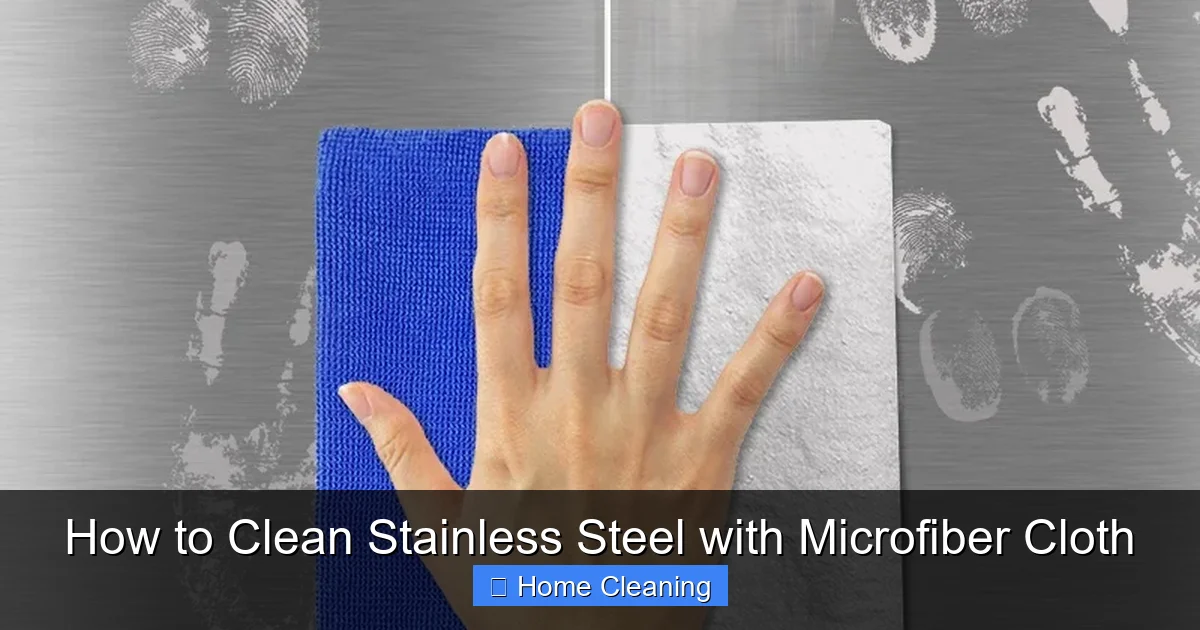
This is one of the most important steps. Stainless steel has a brushed or directional grain pattern. Always wipe in the same direction as the grain to avoid cross-hatch scratches. If you’re unsure of the grain direction, look closely—it usually runs vertically on appliances and horizontally on countertops.
Use firm, even pressure. Don’t scrub too hard, as this can damage the surface. Let the microfiber do the work.
Step 4: Rinse and Wipe Again
Once you’ve wiped the entire surface, rinse the cloth in clean water and wring it out well. Use the clean side of the cloth (or a second cloth) to wipe away any cleaning solution residue. This prevents streaks.
For extra shine, you can use distilled water for the final rinse. Tap water contains minerals that can leave spots, especially on large surfaces.
Step 5: Buff to a Shine
Finally, use a dry, clean microfiber cloth to buff the surface. This removes any remaining moisture and enhances the shine. Buff in circular motions for a polished look, or stick to the grain direction if you prefer a more natural finish.
Example: Cleaning a Stainless Steel Refrigerator
Let’s say you’re cleaning your kitchen refrigerator. Follow these steps:
You’ll be amazed at how much brighter your fridge looks—and how easy it was!
Cleaning Solutions: What to Use and What to Avoid
The type of cleaning solution you use can make a big difference in the final result. While microfiber is effective on its own, combining it with the right cleaner enhances performance.
Safe and Effective Cleaners
What NOT to Use
Some common household items may seem like good cleaners but can damage stainless steel:
When in doubt, stick to water, vinegar, or dish soap. These are safe, effective, and won’t harm your surfaces.
Maintaining Stainless Steel Between Deep Cleans
Deep cleaning once a week is great, but daily maintenance keeps your stainless steel looking its best. A quick wipe-down with a microfiber cloth can prevent buildup and make deep cleaning easier.
Dry Wiping for Daily Care
After cooking or using appliances, take two seconds to wipe down surfaces. This removes fingerprints, oils, and moisture before they can dry and leave marks. Keep a microfiber cloth near the stove or sink for instant access.
Preventing Water Spots
Water spots are one of the biggest enemies of stainless steel. To prevent them:
Using a Stainless Steel Polish (Optional)
For extra shine, consider using a stainless steel polish after cleaning. Apply a small amount to a microfiber cloth and buff in circular motions. Avoid sprays—they can drip and leave streaks. Instead, use a cloth-based polish for better control.
Common Mistakes to Avoid
Even with the best tools, mistakes can happen. Here are the most common errors people make when cleaning stainless steel with microfiber cloth—and how to fix them.
Mistake 1: Using the Wrong Cloth
Reusing a dirty or multi-surface cloth transfers bacteria and grease. Always use a clean, dedicated microfiber cloth for stainless steel.
Mistake 2: Wiping Against the Grain
Cross-grain wiping leaves visible scratches. If you’re unsure of the direction, test a small area first.
Mistake 3: Using Too Much Water
Excess liquid can drip and cause water spots. Keep the cloth damp, not wet.
Mistake 4: Skipping the Final Buff
Not drying properly leaves streaks. Always finish with a dry cloth.
Mistake 5: Using Harsh Cleaners
Even with microfiber, abrasive chemicals can damage the surface. Stick to gentle solutions.
Frequently Asked Questions
Can I use a microfiber cloth on all stainless steel surfaces?
Yes, microfiber cloths are safe for all types of stainless steel, including appliances, sinks, and cooktops. Just be sure to wipe in the direction of the grain and avoid abrasive cleaners.
How often should I clean stainless steel with a microfiber cloth?
For daily maintenance, wipe down surfaces after use to remove fingerprints and moisture. For deeper cleaning, once a week is sufficient for most homes.
Can I use the same microfiber cloth for multiple surfaces?
It’s best to use a dedicated cloth for stainless steel to avoid transferring grease or bacteria. Keep one cloth just for this purpose.
Is vinegar safe for stainless steel?
Yes, white vinegar diluted with water is safe and effective for cleaning stainless steel. Use it in moderation and rinse well to avoid dulling the finish.
How do I remove stubborn water spots?
Mix equal parts vinegar and water, spray lightly, and wipe with a microfiber cloth. Follow with a rinse using distilled water and a dry cloth.
Can I use a microfiber cloth on a heated stainless steel surface?
No. Always clean stainless steel when it’s cool to the touch. Heat can damage certain microfiber cloths and cause warping.
Frequently Asked Questions
Can I use a microfiber cloth on all stainless steel surfaces?
Yes, microfiber cloths are safe for all types of stainless steel, including appliances, sinks, and cooktops. Just be sure to wipe in the direction of the grain and avoid abrasive cleaners.
How often should I clean stainless steel with a microfiber cloth?
For daily maintenance, wipe down surfaces after use to remove fingerprints and moisture. For deeper cleaning, once a week is sufficient for most homes.
Can I use the same microfiber cloth for multiple surfaces?
It’s best to use a dedicated cloth for stainless steel to avoid transferring grease or bacteria. Keep one cloth just for this purpose.
Is vinegar safe for stainless steel?
Yes, white vinegar diluted with water is safe and effective for cleaning stainless steel. Use it in moderation and rinse well to avoid dulling the finish.
How do I remove stubborn water spots?
Mix equal parts vinegar and water, spray lightly, and wipe with a microfiber cloth. Follow with a rinse using distilled water and a dry cloth.
Can I use a microfiber cloth on a heated stainless steel surface?
No. Always clean stainless steel when it’s cool to the touch. Heat can damage certain microfiber cloths and cause warping.