How to Clean Toilet Brush
Keeping your toilet brush clean isn’t just about appearance—it’s about health. A dirty brush can spread bacteria, ruin your bathroom’s cleanliness, and even affect your family’s well-being. With the right routine and tools, cleaning your toilet brush is quick, easy, and essential.
Key Takeaways
- Regular cleaning prevents bacterial buildup: Bacteria like E. coli and Salmonella can thrive in moist, dark environments like toilet brushes. Cleaning weekly removes germs and protects your family’s health.
- Use the right cleaning supplies: A disinfectant cleaner, white vinegar, or hydrogen peroxide are effective at killing germs without damaging the brush bristles or holder.
- Rinse and dry thoroughly: Always rinse the brush under hot water and let it air-dry completely after each use to prevent mold and mildew.
- Sanitize the brush holder: The holder collects bacteria and moisture. Scrub it regularly with soap and disinfectant to keep the whole system clean.
- Replace brushes when worn: Over time, bristles fray and lose effectiveness. Replace your brush every 3–6 months for optimal hygiene.
- Consider brushless options: For low-maintenance cleaning, try a toilet bowl brush with a self-cleaning mechanism or a disposable brush system.
📑 Table of Contents
- How to Clean Toilet Brush: A Complete Guide to a Germ-Free Bathroom
- Why Cleaning Your Toilet Brush Matters
- How Often Should You Clean Your Toilet Brush?
- What You’ll Need to Clean Your Toilet Brush
- Step-by-Step Guide: How to Clean Your Toilet Brush
- Natural and Eco-Friendly Cleaning Methods
- How to Maintain a Clean Toilet Brush Between Deep Cleans
- Common Mistakes to Avoid When Cleaning Your Toilet Brush
- How to Choose the Right Toilet Brush for Easy Cleaning
- Signs It’s Time to Replace Your Toilet Brush
- Bonus Tips for a Fresher, Healthier Bathroom
- Conclusion: Keep Your Toilet Brush Clean, Keep Your Home Healthy
How to Clean Toilet Brush: A Complete Guide to a Germ-Free Bathroom
The toilet brush—small, humble, and essential—does a heavy-lifting job in your bathroom. It scrubs away waste, cleans around the rim, and helps keep your toilet sparkling. But here’s the thing: the brush that helps keep your toilet clean can easily become a breeding ground for bacteria, mold, and foul odors if not cared for properly. That’s why knowing how to clean toilet brush isn’t just a chore—it’s a necessity for maintaining a healthy, hygienic bathroom.
Many people skip cleaning their toilet brush or do it haphazardly, thinking a quick rinse is enough. But a simple rinse doesn’t kill germs. Without proper sanitation, your brush can spread bacteria from one flush to the next. In this comprehensive guide, we’ll walk you through the best ways to clean your toilet brush, sanitize your brush holder, and keep your bathroom smelling fresh and germ-free.
Why Cleaning Your Toilet Brush Matters

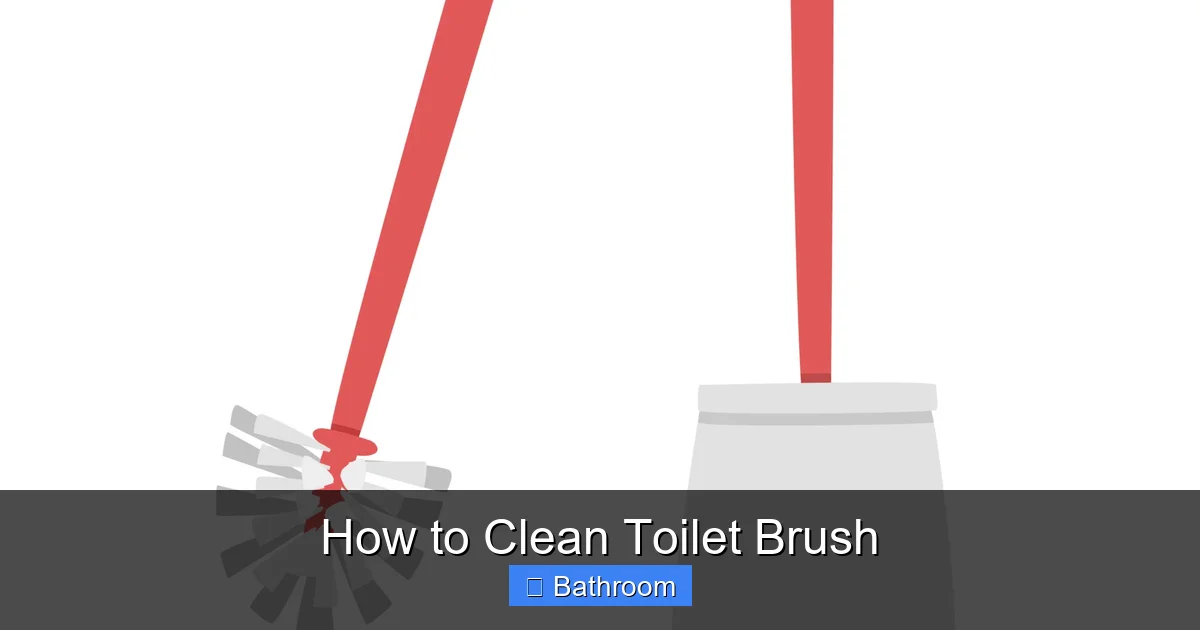
Visual guide about How to Clean Toilet Brush
Image source: png.pngtree.com
Your toilet brush spends its entire life in a damp, dark environment—perfect for bacteria, mold, and mildew. Studies show that toilet brushes can harbor harmful bacteria like E. coli, Salmonella, and even antibiotic-resistant strains. If you don’t clean your brush regularly, you risk reintroducing germs into your toilet bowl during use.
Beyond health concerns, a dirty brush leads to unpleasant odors and reduced effectiveness. Over time, grime builds up on bristles, making them less able to scrub properly. This means your toilet may not get as clean as it should, and you might find yourself using more cleaning products to compensate.
But it’s not just about the brush itself—the holder where it sits plays a big role too. A dirty holder can contaminate the brush, even after cleaning. That’s why a complete cleaning routine includes both the brush and its storage.
How Often Should You Clean Your Toilet Brush?

Visual guide about How to Clean Toilet Brush
Image source: static.vecteezy.com
The frequency of cleaning depends on usage, but a general rule is to clean your toilet brush after every use and deep-clean it weekly. Here’s a breakdown:
- After every use: Rinse the brush under hot water and wipe it clean. Shake off excess water and place it back in the holder.
- Weekly deep clean: Soak the brush in a disinfectant solution for 10–15 minutes. Scrub it thoroughly and rinse well.
- Monthly inspection: Check for wear, fraying bristles, or discoloration. Replace the brush if it looks damaged.
If you have a large household or use the toilet frequently, you may need to clean more often. In contrast, a single-user bathroom might get away with weekly cleaning. The key is consistency.
What You’ll Need to Clean Your Toilet Brush
You don’t need expensive tools to clean your toilet brush effectively. Most of the supplies you already have in your bathroom will do the job. Here’s a list of what you’ll need:
- Disinfectant cleaner: Choose a bathroom cleaner that kills 99.9% of germs. Look for labels that say “bactericidal,” “fungicidal,” or “virucidal.”
- White vinegar: A natural disinfectant that’s gentle on surfaces and effective against mold and mildew.
- Hydrogen peroxide (3%): A great alternative to bleach, especially for those who prefer non-chlorine options.
- Baking soda: Helps scrub away grime and neutralize odors.
- Soft-bristled brush or old toothbrush: For scrubbing hard-to-reach areas in the holder.
- Clean towel or paper towels: For drying the brush and holder.
- Gloves: Protect your hands from germs and cleaning chemicals.
Optional but helpful:
- Toilet brush cleaning spray: Some brands sell sprays designed specifically for sanitizing brushes.
- Brush sanitizer holder: A holder with a built-in disinfectant reservoir can help keep your brush clean between uses.
Step-by-Step Guide: How to Clean Your Toilet Brush
Cleaning your toilet brush doesn’t have to be complicated. Follow these simple steps for a deep, effective clean:
Step 1: Remove the Brush from the Holder
Before cleaning, take the brush out of its holder. This allows you to clean both the brush and the holder thoroughly. If the holder is removable, take it out as well.
Step 2: Rinse the Brush Under Hot Water
Hold the brush under a stream of hot water for 30 seconds. This helps remove loose debris and softens any dried residue. Shake the brush vigorously to dislodge remaining particles.
Step 3: Scrub with Soapy Water
Fill a bowl with warm water and add a few drops of dish soap. Dip the brush in and scrub the bristles with your fingers or a soft brush. Focus on areas where grime tends to build up—like the base and between bristles.
Step 4: Disinfect the Brush
Now it’s time for the germ-killing step. You have several options:
- Option A: Vinegar soak – Soak the brush in a solution of 1 part white vinegar to 2 parts water for 10–15 minutes. Vinegar kills bacteria and deodorizes.
- Option B: Hydrogen peroxide – Dip the brush in 3% hydrogen peroxide for 5–10 minutes. This is especially good for killing mold.
- Option C: Disinfectant spray or soak – Use a commercial bathroom cleaner. Follow the product instructions for soaking time.
Avoid bleach unless the brush is made of bleach-safe materials, as it can damage some plastics and emit strong fumes.
Step 5: Scrub the Brush Holder
While the brush soaks, clean the holder. Use a toothbrush or old brush to scrub the inside with soapy water. Pay attention to corners and crevices where bacteria hide. Rinse thoroughly.
Step 6: Rinse Everything Thoroughly
Rinse the brush and holder under hot water to remove all cleaning residue. Any leftover cleaner can be harsh or cause irritation.
Step 7: Dry Completely
Shake off excess water and place the brush and holder on a clean towel. Let them air-dry completely before storing. Moisture is the enemy of cleanliness.
Step 8: Store Properly
Once dry, return the brush to the holder. Make sure the holder is also clean and dry. If your holder has a lid, keep it open to allow airflow.
Natural and Eco-Friendly Cleaning Methods
If you prefer to avoid harsh chemicals, there are several natural ways to clean your toilet brush:
White Vinegar and Water Solution
Mix equal parts white vinegar and water in a bowl. Soak the brush for 10–15 minutes. Vinegar’s acidity kills bacteria and breaks down mineral deposits. Rinse well afterward.
Baking Soda Paste
Make a paste with baking soda and water. Scrub the brush and holder with the paste to remove stains and odors. Rinse thoroughly.
Hydrogen Peroxide
A 3% hydrogen peroxide solution is a powerful disinfectant without the harshness of bleach. Soak the brush for 5–10 minutes, then rinse.
Essential Oils for Freshness
Add a few drops of tea tree oil or lemon oil to your cleaning solution. These oils have natural antimicrobial properties and leave a fresh scent.
These methods are gentle on the environment and safe for most brush materials. Just remember to rinse well to avoid residue.
How to Maintain a Clean Toilet Brush Between Deep Cleans
Deep cleaning weekly is important, but daily habits make a big difference too. Here’s how to keep your brush clean between deep cleans:
Rinse After Every Use
After scrubbing your toilet, rinse the brush under hot water and shake it to remove excess water. This prevents buildup and keeps odors down.
Empty the Holder Regularly
If your brush holder has standing water, empty it after each use. Standing water is a breeding ground for bacteria and mold.
Use a Brush with a Drainage System
Some modern brush holders have small holes or drainage trays to let water flow out. Choose one of these to reduce moisture buildup.
Replace the Brush When Needed
Even with regular cleaning, brushes wear out. Replace your brush every 3–6 months or sooner if bristles become frayed or the brush loses its shape.
Wipe the Holder Weekly
Use a damp cloth to wipe the inside of the holder weekly. This simple habit prevents grime from hardening and makes deep cleaning easier.
Avoid Cross-Contamination
Never use the same brush for other cleaning tasks. Keep it dedicated to toilet use only.
Common Mistakes to Avoid When Cleaning Your Toilet Brush
Even with the best intentions, you might be making some common mistakes. Here’s what to avoid:
Mistake 1: Not Rinsing the Brush After Use
Leaving the brush in the holder without rinsing allows bacteria to grow. Always rinse after every use.
Mistake 2: Using Bleach on Certain Materials
Bleach can damage some plastics and emit toxic fumes. Test on a small area first, and avoid if your brush is labeled “not bleach-safe.”
Mistake 3: Not Cleaning the Holder
The holder is just as important as the brush. Skipping it means you’re not cleaning the whole system.
Mistake 4: Letting the Brush Stay Wet
Moisture leads to mold. Always dry the brush and holder completely before storing.
Mistake 5: Using the Brush for Other Tasks
Using the toilet brush to clean other surfaces spreads germs. Keep it toilet-specific.
Mistake 6: Ignoring Replacement
Using a worn-out brush defeats the purpose. Replace it when bristles are frayed or the brush looks stained.
How to Choose the Right Toilet Brush for Easy Cleaning
Not all toilet brushes are created equal. Some are easier to clean than others. When shopping for a new brush, consider these features:
Self-Cleaning Holders
These holders have a built-in reservoir that sprays disinfectant onto the brush after use. They’re great for low-maintenance cleaning.
Drainage Holes
Look for a holder with small holes or a drainage tray. This lets water flow out, reducing moisture and mold.
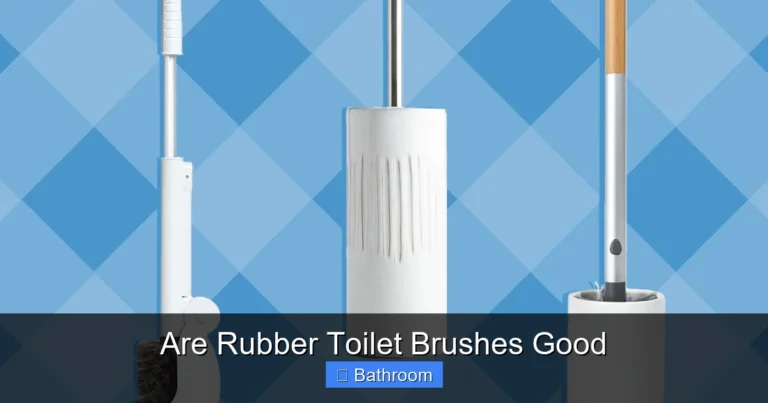
Easy-to-Clean Materials
Choose brushes made from smooth, non-porous materials like plastic or silicone. Avoid brushes with deep grooves or hard-to-reach areas.
Replaceable Heads
Some systems use disposable brush heads. You throw away the dirty head and insert a new one—no scrubbing needed.
Antimicrobial Materials
Some brushes are treated with antimicrobial coatings to inhibit bacterial growth.
Modern Designs
Contemporary brushes often come in sleek, minimalist styles that are easier to clean and more appealing in the bathroom.
Investing in a high-quality brush and holder makes cleaning easier and more effective in the long run.
Signs It’s Time to Replace Your Toilet Brush
Even with perfect cleaning, brushes don’t last forever. Here are signs it’s time to replace yours:
- Frayed bristles: If the bristles are worn down or coming loose, the brush can’t clean effectively.
- Discoloration: Stains or dark spots indicate deep-seated grime that cleaning can’t remove.
- Persistent odors: If your brush still smells bad after deep cleaning, it may be harboring mold or bacteria beyond repair.
- Rust or corrosion: Metal parts can rust over time, especially if exposed to moisture.
- Cracks or damage: Cracks can harbor bacteria and weaken the brush structure.
Replace your brush every 3–6 months as a preventive measure, even if it looks okay. Better safe than sorry when it comes to hygiene.
Bonus Tips for a Fresher, Healthier Bathroom
Want to take your bathroom hygiene to the next level? Try these extra tips:
- Open a window or run a fan: Good airflow reduces moisture and prevents mold.
- Use a bathroom cleaner spray: Spray the brush and holder weekly to maintain cleanliness.
- Label your cleaning supplies: Keep your brush cleaner in a dedicated bottle to avoid mix-ups.
- Clean the toilet bowl after each use: A quick scrub with the brush prevents buildup.
- Wash towels used in the bathroom: Towels can carry bacteria. Wash them weekly in hot water.
Small habits add up. Over time, these practices will keep your bathroom smelling fresh and your family healthy.
Conclusion: Keep Your Toilet Brush Clean, Keep Your Home Healthy
Cleaning your toilet brush is a simple task with big rewards. By taking a few minutes to rinse, disinfect, and dry your brush and holder, you protect your family from germs and keep your bathroom smelling fresh. The key is consistency—make cleaning part of your routine, just like brushing your teeth.
Remember, a clean toilet brush doesn’t just look better—it works better. It scrubs more effectively and lasts longer. And a cleaner bathroom means a healthier home.
Whether you use vinegar, hydrogen peroxide, or a commercial disinfectant, the method is less important than the habit. Pick a cleaning routine that fits your lifestyle, stick to it, and enjoy the peace of mind that comes with a truly clean bathroom.
Now that you know how to clean toilet brush like a pro, go ahead and give yours a deep clean. Your future self—and your family—will thank you.
Frequently Asked Questions
How often should I clean my toilet brush?
Clean your toilet brush after every use and deep-clean it weekly. This prevents bacterial buildup and keeps your bathroom hygienic.
Can I use bleach to clean my toilet brush?
Only if your brush is labeled as bleach-safe. Bleach can damage some materials and emit strong fumes. Use vinegar or hydrogen peroxide as safer alternatives.
How do I clean a toilet brush holder?
Scrub the inside of the holder with soapy water and a toothbrush. Pay attention to corners and crevices. Rinse thoroughly and let it air-dry completely.
What kills bacteria on a toilet brush?
Disinfectants like white vinegar, hydrogen peroxide (3%), or commercial bathroom cleaners are effective at killing bacteria and germs.
How long should I soak my toilet brush?
Soak the brush in a disinfectant solution for 10–15 minutes for best results. This allows enough time for germs to be killed.
Can I clean my toilet brush in the dishwasher?
Only if the brush is made of dishwasher-safe materials and labeled as such. Most toilet brushes are not designed for dishwashers and may melt or warp.