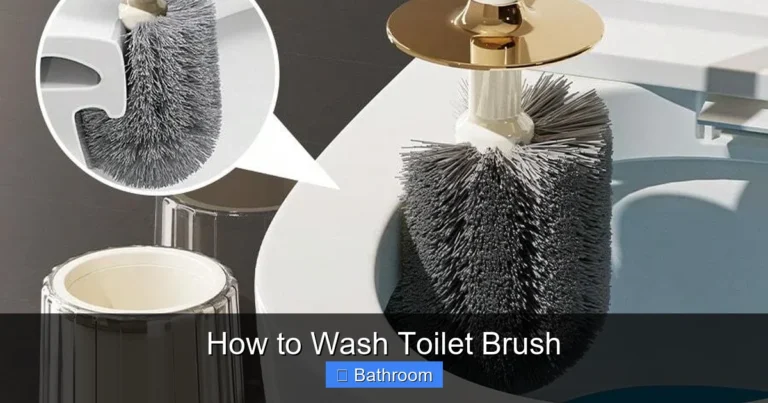
How to Clean Toilet Brush After Use
Keeping your toilet brush clean is essential for a hygienic bathroom. After each use, rinse the brush thoroughly and store it in a dry, ventilated area to prevent mold and bacteria buildup. Regular cleaning not only extends the life of your brush but also ensures a healthier home environment.
Key Takeaways
- Understanding How To Clean Toilet Brush After Use: Provides essential knowledge
📑 Table of Contents
- How to Clean Toilet Brush After Use: A Complete Guide to Hygiene and Longevity
- Why Cleaning Your Toilet Brush Is So Important
- The Best Way to Clean Your Toilet Brush Immediately After Use
- Deep Cleaning Your Toilet Brush: Weekly Sanitization
- Proper Storage: The Key to a Cleaner Brush
- Common Mistakes People Make When Cleaning Their Toilet Brush
- How Often Should You Replace Your Toilet Brush?
- Eco-Friendly and Budget-Friendly Cleaning Tips
- Bonus Tips for a Germ-Free Bathroom
- Conclusion: Make Cleaning Your Toilet Brush a Habit
How to Clean Toilet Brush After Use: A Complete Guide to Hygiene and Longevity
Have you ever noticed that strange smell lingering in your bathroom after you’ve finished using the toilet? Or maybe you’ve seen a bit of mold creeping up the sides of your brush holder? If so, you’re not alone. Many people overlook the importance of cleaning their toilet brush after each use, assuming that a quick rinse is enough. But here’s the truth: a toilet brush can become a breeding ground for bacteria, mold, and unpleasant odors if not cleaned properly and consistently.
Cleaning your toilet brush might not be the most glamorous topic, but it’s one of the most essential routines for maintaining a clean, healthy, and fresh-smelling bathroom. In fact, studies show that toilet brushes can harbor more germs than the actual toilet seat—thanks to the constant contact with waste and the warm, moist environment of the brush holder. That’s why knowing how to clean toilet brush after use isn’t just about convenience—it’s about hygiene.
In this comprehensive guide, we’ll walk you through every step of the process, from immediate post-use cleaning to deep sanitization and proper storage. Whether you’re using a traditional brush and holder or a modern self-cleaning model, these tips will help you keep your bathroom germ-free and your brush in top condition. Let’s dive in!
Why Cleaning Your Toilet Brush Is So Important
You might be wondering: “Can’t I just rinse the brush and call it a day?” The short answer is yes—you can—but doing so won’t be enough to keep your brush and bathroom truly clean. Over time, residue from urine, feces, and cleaning products can build up on the bristles, especially in hard-to-reach crevices. This buildup creates the perfect environment for bacteria like E. coli and Salmonella to thrive.

Visual guide about How to Clean Toilet Brush After Use
Image source: as1.ftcdn.net
Additionally, most toilet brush holders are made of plastic or metal and are kept in a damp, enclosed space. Without proper airflow, moisture lingers, leading to mold and mildew. These not only cause unpleasant odors but can also trigger allergies or respiratory issues. A clean brush also means a cleaner bathroom overall—no more lingering smells or visible grime.
So, cleaning your toilet brush isn’t just about cleanliness—it’s about health. By making it a habit to clean your brush thoroughly after each use, you’re protecting your family from potential infections and keeping your bathroom smelling fresh.
The Best Way to Clean Your Toilet Brush Immediately After Use
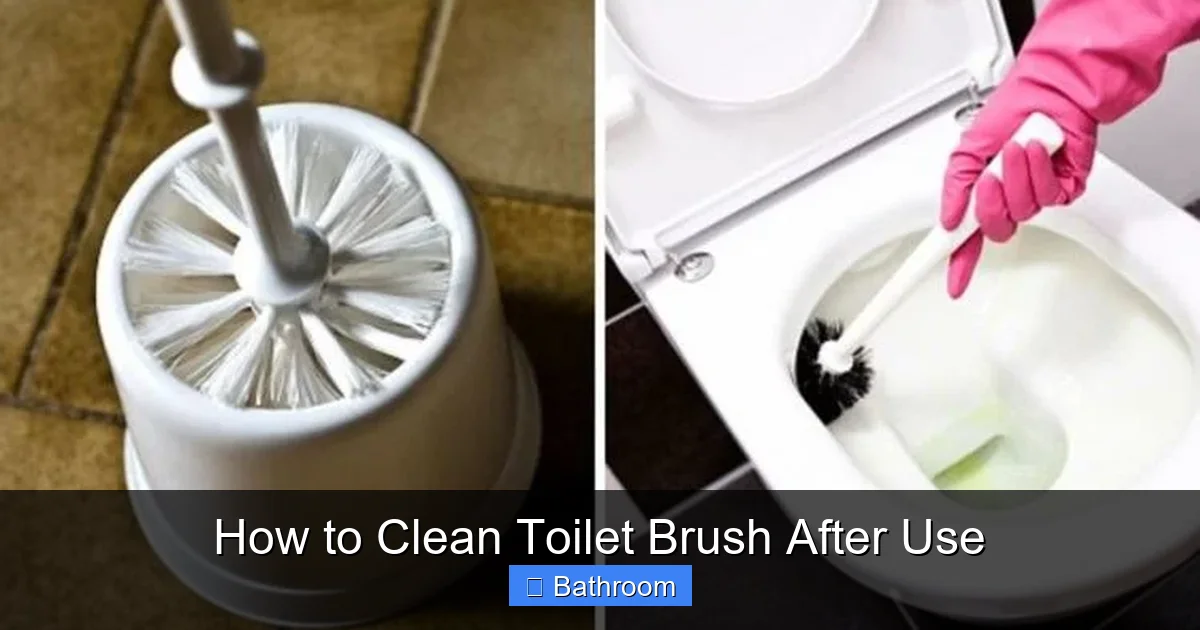
Timing is everything when it comes to cleaning your toilet brush. The sooner you rinse and sanitize it after use, the easier it will be to remove residue and prevent bacteria from multiplying. Here’s a step-by-step guide to cleaning your brush right after you’re done scrubbing:
Visual guide about How to Clean Toilet Brush After Use
Image source: cdn.images.express.co.uk
Step 1: Rinse Thoroughly Under Running Water
As soon as you finish cleaning the toilet, take your brush and hold it under warm running water. Make sure to rinse both the bristles and the handle thoroughly. This helps wash away any visible waste and loosens stubborn grime.
Pro Tip: Use a gentle stream of water rather than a high-pressure spray to avoid splashing germs around your bathroom.
Step 2: Scrub with Soap and Water (Optional)
For an extra layer of cleanliness, dip the brush into a basin of soapy water and give the bristles a quick scrub. Use a mild dish soap or a bathroom cleaner. Be careful not to submerge the handle, especially if it’s made of wood or has a rubberized grip—excess moisture can cause warping or cracking.
Example: If you have kids at home, you might want to keep a small bowl of soapy water near the toilet for this step. It’s a small effort that makes a big difference in hygiene.
Step 3: Shake Off Excess Water
After rinsing, hold the brush over the toilet bowl or a sink and give it a few firm shakes. This helps remove excess water and prevents drips on your floor. Make sure to do this over a drain or toilet to avoid spreading germs elsewhere.
Important: Never leave the brush dripping on the floor or countertop. This defeats the purpose of cleaning it!
Deep Cleaning Your Toilet Brush: Weekly Sanitization
While rinsing after each use is essential, your toilet brush also needs a deeper clean once a week. This helps eliminate lingering bacteria and prevents odor buildup. Here are the best methods for deep cleaning:
Visual guide about How to Clean Toilet Brush After Use
Image source: filebroker-cdn.lazada.com.ph
Method 1: Vinegar Soak
White vinegar is a natural disinfectant and deodorizer. Fill a bowl or container with 1 cup of white vinegar and submerge the brush bristles completely. Let it soak for at least 15–30 minutes. The vinegar will break down mineral deposits, kill bacteria, and leave your brush smelling fresh.
Tip: Add a few drops of essential oil (like tea tree or lemon) to the vinegar for an extra-clean scent.
Method 2: Bleach Solution
For a stronger disinfectant, mix 1 tablespoon of unscented household bleach with 1 quart of water. Submerge the brush bristles and let it soak for 10 minutes. Rinse thoroughly afterward to remove all traces of bleach.
Warning: Never mix bleach with vinegar or ammonia—it creates toxic fumes. Also, avoid using bleach on metal brushes, as it can cause rust.
Method 3: Dishwasher (For Plastic Brushes)
If your toilet brush is made of plastic and dishwasher-safe, you can place the bristles in the top rack and run a short, hot wash cycle. This is a hands-off way to sanitize the brush. Just make sure the bristles don’t touch other utensils to avoid cross-contamination.
Note: Check the manufacturer’s instructions before using this method.
Proper Storage: The Key to a Cleaner Brush
Even the cleanest brush can become dirty again if it’s not stored properly. Most toilet brush holders are designed to look sleek, but many are not built for ventilation. This leads to moisture buildup and mold growth. Here’s how to store your brush like a pro:
Choose a Well-Ventilated Holder
Look for a holder with holes or slots that allow air to circulate. Avoid sealed plastic containers unless they have a built-in fan or are made of antimicrobial materials.
Recommendation: Consider upgrading to a stainless steel or open-bristle holder. These are easier to clean and dry faster.
Keep the Brush Upright
Store the brush with the bristles facing up or sideways—never with the bristles pointing down. This prevents water from pooling at the base, which can lead to mold.
Empty and Clean the Holder Weekly
Your brush holder is just as important as the brush itself. Every week, empty any standing water and scrub the inside with soap and hot water. For stubborn stains, use a mixture of baking soda and water. Rinse and dry completely before placing the brush back in.
Avoid Placing the Brush on a Wet Surface
Never leave the brush on a wet bathroom counter or towel. Always place it directly into the holder after cleaning. If your holder has a lid, remove it before storing the brush.
Common Mistakes People Make When Cleaning Their Toilet Brush
Even with the best intentions, many people make simple mistakes that compromise the cleanliness of their toilet brush. Let’s go over the most common ones—and how to avoid them:
Mistake 1: Not Rinsing After Use
Skipping the rinse step means waste and residue stay on the bristles, leading to faster bacterial growth. Always rinse immediately after use.
Mistake 2: Using the Brush for Other Surfaces
Never use your toilet brush to clean the shower, sink, or floor. This spreads germs from one area to another. Keep it strictly for toilet use.
Mistake 3: Storing in a Closed Container
Sealed plastic holders trap moisture. Opt for open or perforated designs to allow airflow.
Mistake 4: Ignoring the Handle
The handle can harbor germs too. Wipe it down with a disinfectant wipe or soapy cloth after each use.
Mistake 5: Using Harsh Chemicals
Avoid abrasive cleaners or scented soaps that can damage bristles or leave chemical residues. Stick to mild, non-toxic options.
How Often Should You Replace Your Toilet Brush?
No matter how well you clean it, your toilet brush will eventually wear out. Here’s how to know when it’s time for a replacement:
- Bristles are frayed or falling out: This reduces cleaning efficiency and can scratch the toilet bowl.
- Persistent bad smell: Even after deep cleaning, the brush still emits a foul odor.
- Discoloration or staining: Brown or yellow streaks on the bristles indicate deep-seated grime that’s hard to remove.
- Handle is cracked or warped: A damaged handle can harbor bacteria and become uncomfortable to use.
Most experts recommend replacing your toilet brush every 3 to 6 months. If you use it daily, you may need to replace it sooner.
Eco-Friendly and Budget-Friendly Cleaning Tips
You don’t need expensive products to keep your toilet brush clean. Here are some affordable and eco-conscious alternatives:
Use Baking Soda and Vinegar
Mix 1 tablespoon of baking soda with 1 cup of vinegar for a powerful, non-toxic cleaning solution. It’s safe for the environment and your family.
DIY Brush Cleaning Spray
Create a spray bottle with 1 part white vinegar and 1 part water. Use it to spritz the bristles and handle after rinsing.
Reusable Cleaning Cloths
Instead of paper towels, use a washable microfiber cloth to wipe the brush and holder. Wash it weekly in hot water.
Compostable Brush Options
Consider switching to a brush made from bamboo or biodegradable materials. These are better for the planet and often come with compostable packaging.
Bonus Tips for a Germ-Free Bathroom
Cleaning your toilet brush is just one piece of the puzzle. Here are a few extra tips to keep your entire bathroom fresh and sanitary:
- Clean the toilet bowl weekly: Use a disinfectant cleaner or a toilet bowl brush to scrub the inside of the bowl.
- Wipe down surfaces daily: Use a disinfectant spray on the toilet seat, handle, and faucet.
- Ventilate your bathroom: Open a window or run the exhaust fan after showering to reduce humidity.
- Replace toothbrushes monthly: Toothbrushes can pick up germs from the toilet area, so replace them regularly.
Conclusion: Make Cleaning Your Toilet Brush a Habit
Cleaning your toilet brush after use isn’t just a chore—it’s a vital part of maintaining a clean, healthy, and pleasant-smelling bathroom. By rinsing immediately, deep cleaning weekly, and storing the brush properly, you can eliminate bacteria, mold, and odors for good.
Remember, the key is consistency. Make it a habit to clean your brush right after each use and give it a weekly deep clean. With these simple steps, you’ll extend the life of your brush, protect your family’s health, and keep your bathroom smelling fresh.
So the next time you reach for your toilet brush, take a moment to think: “Did I clean it properly?” Because a clean brush means a cleaner home—one scrub at a time.
Frequently Asked Questions
How often should I clean my toilet brush?
You should rinse your toilet brush immediately after each use and deep clean it once a week with a disinfectant like vinegar or bleach. This prevents bacteria and mold buildup.
Can I use dish soap to clean my toilet brush?
Yes, mild dish soap is safe for cleaning toilet brushes. Avoid harsh or abrasive cleaners that can damage the bristles or leave chemical residues.
How do I get rid of mold in my toilet brush holder?
Empty the holder, scrub it with soapy water and baking soda, then rinse and dry completely. Replace the brush only after the holder is fully dry to prevent re-growth.
Is it safe to use bleach on my toilet brush?
Yes, but only on non-metal brushes. Mix 1 tablespoon of bleach with 1 quart of water and soak the bristles for 10 minutes. Rinse thoroughly afterward to remove all traces.
How long does a toilet brush last?
A toilet brush typically lasts 3 to 6 months with regular use. Replace it when bristles are frayed, discolored, or if it develops a persistent odor despite cleaning.
Can I put my toilet brush in the dishwasher?
Only if it’s made of plastic and labeled dishwasher-safe. Place the bristles on the top rack and run a short, hot cycle. Avoid metal brushes, as they can rust in the dishwasher.